Why High-End Interiors Need More Than Beautiful Images
May 31, 2026

Many people assume that a beautiful photo of an interior is enough to convey its quality. In high-end design, however, that’s simply not the case. While stunning visuals are certainly part of the equation, they only tell a fraction of the story. A truly exceptional high-end interior offers an experience that goes far beyond what a camera can capture. It’s about a feeling, a functionality, and a meticulous attention to detail that you can only truly appreciate in person or through a deeper understanding of its creation.
Let’s be honest, we’ve all scrolled through Instagram and been wowed by perfectly staged shots. But when it comes to high-end interiors, those polished images, while appealing, can actually be quite misleading. They often paper over the very things that make a space truly special.
Superficiality of Photography
Think about it: a photograph flattens a three-dimensional space into two dimensions. It can create an illusion of depth, but it can’t convey the physical sensation of moving through a room. You can’t feel the cool marble underfoot, the softness of a cashmere throw, or the gentle hum of a meticulously designed lighting system. The camera focuses on the aesthetics, often missing the subtle nuances that define true luxury.
The Illusion of Perfection
Photographers are masters of light and composition. They carefully select angles, control shadows, and often use post-production techniques to enhance colors and textures. This isn’t inherently bad, but it means the image you see might be an idealized version of reality. A poorly constructed joint might be deftly hidden in a photo, or a less-than-perfect finish might be airbrushed away. In a high-end space, these imperfections simply don’t exist – or at least shouldn’t.
Lack of Sensory Input
Our experience of a space is multisensory. We don’t just see it; we touch it, hear it, and sometimes even smell it. A photograph strips away all of this crucial information. You can’t feel the weight of a custom-designed door handle, hear the subtle acoustic properties of a room treated for sound, or even appreciate the delicate fragrance from a well-placed diffuser. These sensory details are paramount in creating a truly immersive and luxurious environment.
The Art of Craftsmanship: Unseen Details that Matter
This is where the real magic happens in high-end design. It’s the painstaking effort, the skill, and the dedication to perfection that often go unnoticed in a quick glance, but are fundamental to the overall quality and longevity of a space.
Impeccable Joinery and Finishes
Look closely at the details. In a high-end interior, you won’t find gaps where wood meets wall, or uneven paint lines. Everything is meticulously aligned, seamlessly integrated, and flawlessly finished. This isn’t just about aesthetics; it speaks to the skill of the artisans and the quality of the materials.
Precision in Cabinetry and Millwork
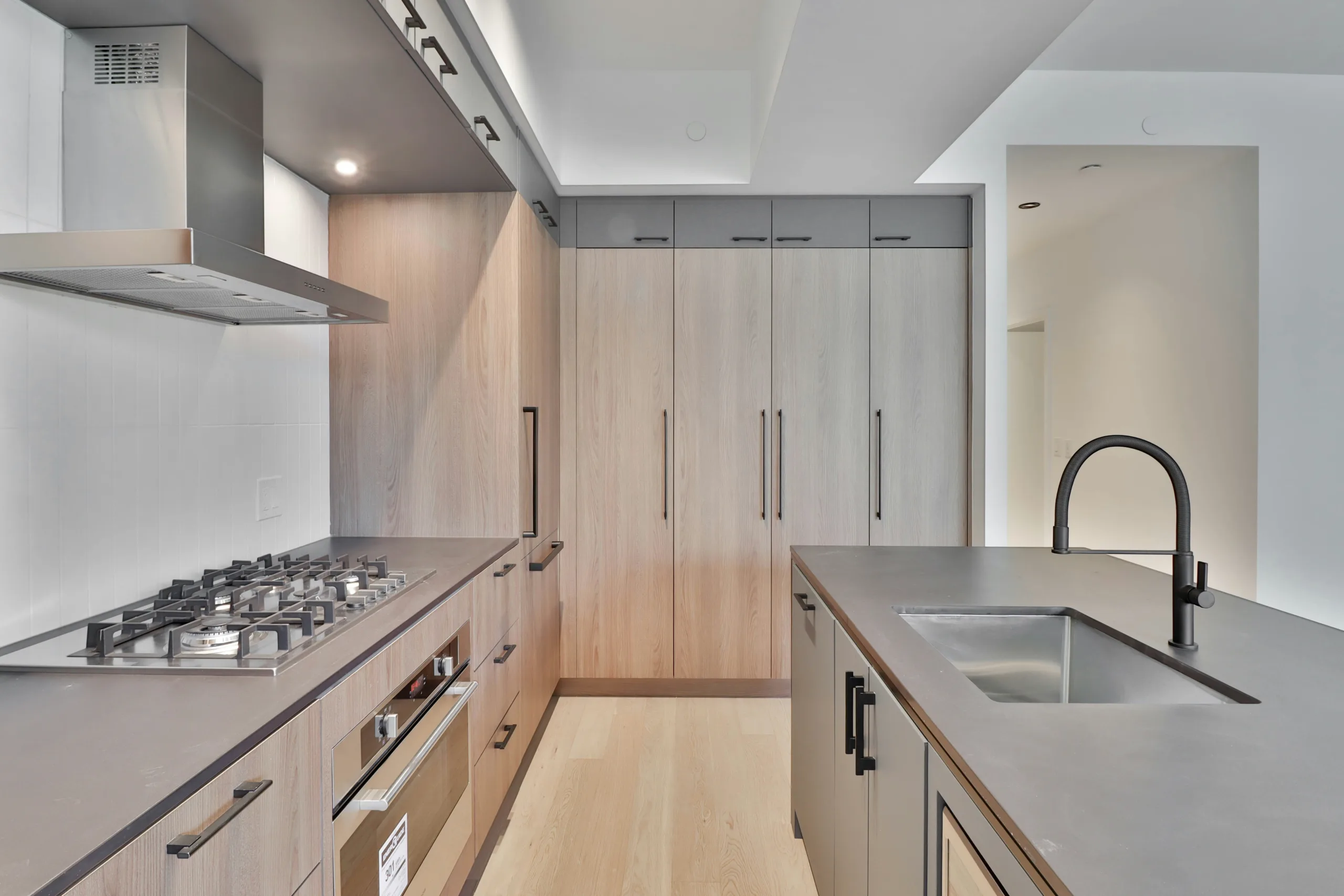
Custom cabinetry is a hallmark of high-end design. It’s not just about the external look; it’s about the perfectly dovetailed drawers, the smooth gliding mechanisms, and the flawless internal finishes. Every shelf, every hinge, every piece of hardware is chosen for its quality and installed with absolute precision. This is a level of detail that factory-made pieces simply cannot replicate.
Flawless Surface Treatments
Consider the walls. A high-end space might feature Venetian plaster, hand-painted wallpaper, or perfectly polished natural stone. The application of these finishes requires immense skill and attention to detail. There are no brush strokes to be seen, no uneven textures, just a smooth, rich surface that speaks of careful artistry. This level of finish contributes significantly to the overall feel of luxury but is incredibly difficult to truly appreciate in a static image.
Quality of Materials and Sourcing
High-end isn’t just about what something looks like; it’s about what it’s made of and where it comes from. The choice of materials impacts longevity, feel, and even the environmental footprint of a space.
Ethical and Sustainable Sourcing
Many high-end designers and clients are increasingly aware of the provenance of their materials. This means understanding where timber comes from, ensuring stone is quarried responsibly, and opting for fabrics produced under ethical labor conditions. While this isn’t visible in a photo, it’s a critical component of responsible luxury and contributes to the overall integrity of the design.
The Lived-In Feel of Natural Materials
Natural materials like solid wood, natural stone, wool, linen, and silk age differently than synthetics. They develop a patina, a character that artificial materials simply can’t replicate. A photo might show the initial beauty, but it can’t convey how these materials will feel and look after years of use – a crucial aspect of high-end durability and timeless appeal. The warmth of a solid wood floor beneath bare feet, the cool resilience of marble on a countertop, or the soft drape of pure linen drapes are all sensations that elevate the experience far beyond mere visuals.
Experiential Design: The Invisible Elements
A great interior design isn’t just a collection of beautiful objects; it’s a carefully orchestrated experience. These “invisible” elements are what truly elevate a high-end space.
Thoughtful Space Planning and Flow
How you move through a room, the transitions between different areas, and the overall functionality of the layout are paramount. A photo can show you a room, but it can’t make you walk through it.
Zones and Transition Points
In a well-designed high-end space, different zones subtly transition into one another, creating a sense of natural movement and purpose. The furniture arrangement isn’t arbitrary; it guides your eye and your body through the space, creating intimate conversation areas, grand entertaining zones, or quiet reading nooks. This fluidity is part of the design’s intelligence and contributes significantly to its usability and comfort, aspects that are entirely absent in a static picture.
Ergonomics and Comfort
High-end means comfort is never an afterthought. Seating is designed not just to look good, but to support the body properly. Countertops are at the ideal height, and pathways are clear and unobstructed. These ergonomic considerations might not be obvious in a photograph, but they are deeply felt by anyone inhabiting the space. The subtle resilience of a high-quality sofa cushion or the perfect angle of a reading lamp are all parts of this experiential design.
Integrated Technology and Smart Home Features
Modern high-end interiors often incorporate sophisticated technology seamlessly. The goal isn’t to showcase the gadgets, but to integrate them so artfully that they enhance the living experience without being intrusive.
Invisible Integration
Think about lighting systems that adjust automatically based on natural light, sound systems that deliver crystal-clear audio without visible speakers, or climate control that maintains perfect temperature and humidity without you ever noticing. A photo might show a sleek control panel, but it can’t demonstrate the effortless experience of the technology working in the background to enhance comfort and convenience. The magic is in its inconspicuousness.
Beyond Basic Functionality
These aren’t just about turning lights on and off. High-end automation can control shades, security, entertainment, and even appliance operation, all often managed from a single, intuitive interface. It’s about creating a living environment that anticipates needs and responds intelligently, offering a level of convenience and sophistication that photos can only hint at.

The Human Element: Comfort, Mood, and Well-being
Ultimately, a high-end interior serves the people who inhabit it. The most beautiful picture in the world won’t matter if the space doesn’t make you feel good.
Sensory Comfort
This goes beyond just aesthetics. It’s about how the space engages all your senses to create a feeling of ease and well-being.
Acoustic Considerations
In a high-end home, you won’t hear echoes or unwanted noise. Materials are chosen and installed to absorb sound, creating a calm and peaceful environment. Specialized acoustic panels might be subtly incorporated into walls or ceilings, or the very texture of the rugs and upholstery might contribute to sound dampening. A photo can’t convey this essential aspect of comfort.
Olfactory Experience
The subtle scent of a bespoke diffuser, the natural aroma of unsealed wood, or the scent of fresh flowers all contribute to the overall atmosphere. High-end environments often pay attention to these subtle cues, creating a sensory symphony that photos simply cannot capture. Avoiding harsh or artificial smells is just as important as introducing pleasant ones.
Evoking Emotion and Atmosphere
A truly successful high-end interior doesn’t just look good; it makes you feel something. It can be calming, invigorating, inspiring, or nurturing, depending on its purpose.
Intangible Qualities
How does a room make you feel when you walk into it? Does it feel expansive and grand, or intimate and cozy? Does it evoke a sense of calm and tranquility, or energy and excitement? These emotional responses are the true measure of a well-designed space, and they are entirely subjective and impossible to photograph. The interplay of light, volume, texture, and color contributes to an overall ambiance that needs to be experienced.
Personalized Storytelling
High-end interiors are often deeply personal reflections of their owners. They tell a story through curated art, bespoke furniture, and collected treasures. While a photo can show these objects, it can’t convey the personal meaning or the shared history that imbues them with soul. The narrative of the space, how it reflects the journey and passions of its inhabitants, is a profound aspect of high-end design that goes far beyond visual appeal.
Long-Term Value and Investment
While aesthetics are important, high-end interiors are also a significant investment. Their value lies not just in their initial beauty, but in their durability, timelessness, and functionality over many years.
Durability and Longevity
The quality of materials and construction in a high-end space means it’s built to last. It’s an investment in something that won’t need constant repair or premature replacement.
Structural Integrity
Beyond the finishes you see, high-end construction involves meticulous attention to the bones of the building. This includes superior insulation, robust framing, and expertly installed mechanical systems that ensure the space performs optimally for decades. Photographs certainly can’t show you the quality of the plumbing or electrical wiring, but these are crucial to long-term functionality and avoiding costly future problems.
Resale Value
A beautifully designed and executed high-end interior significantly contributes to the resale value of a property. Prospective buyers can immediately recognize the quality of materials, the attention to detail, and the overall superior craftsmanship, even if they can’t articulate every single reason why. This translates into a more attractive and desirable property in the market.
Sustainability and Efficiency
Many high-end projects now prioritize sustainable design principles, which offer long-term benefits both for the environment and the homeowner.
Energy Performance
High-end homes are often designed with superior energy efficiency in mind, incorporating advanced insulation, high-performance windows, efficient HVAC systems, and even renewable energy sources. This results in lower utility bills and a reduced environmental footprint – benefits that are felt over time, not seen in a snapshot.
Timeless Design
True high-end design tends to be timeless rather than trend-driven. While trends come and go, a well-conceived, high-quality interior remains elegant and functional for years. This means fewer renovations, less waste, and a more enduring aesthetic that reflects lasting value, rather than fleeting fashion.
In conclusion, while beautiful images are a great starting point for inspiration, they are merely a gateway to understanding a truly high-end interior. The real essence lies in the unseen craftsmanship, the thoughtful experiential design, the palpable comfort, and the enduring value. It’s a holistic experience that engages all senses and caters to an elevated way of living, something that you can only truly appreciate by stepping into the space and truly living within its meticulously designed boundaries.