Minimalism vs. Maximalism in Luxury Interiors
May 31, 2026

So, you’re wondering about minimalism versus maximalism in luxury interiors? The short answer is they’re two distinct philosophies for designing high-end spaces, each with its own appeal and approach. Minimalism champions simplicity, clean lines, and a “less is more” attitude, focusing on quality over quantity and a serene atmosphere. Maximalism, on the other hand, embraces abundance, intricate details, vibrant colors, and a rich tapestry of textures and patterns, aiming for opulence and a sense of layered history. It’s not about one being inherently “better” than the other; it’s about what resonates with your personal style and what kind of experience you want to create in your luxury home.
Understanding the underlying principles of minimalism and maximalism is key to appreciating their differences and knowing which might be right for your luxury interior. It’s more than just decor; it’s a way of looking at how you want to live and interact with your space.
Minimalism: Purposeful Simplicity
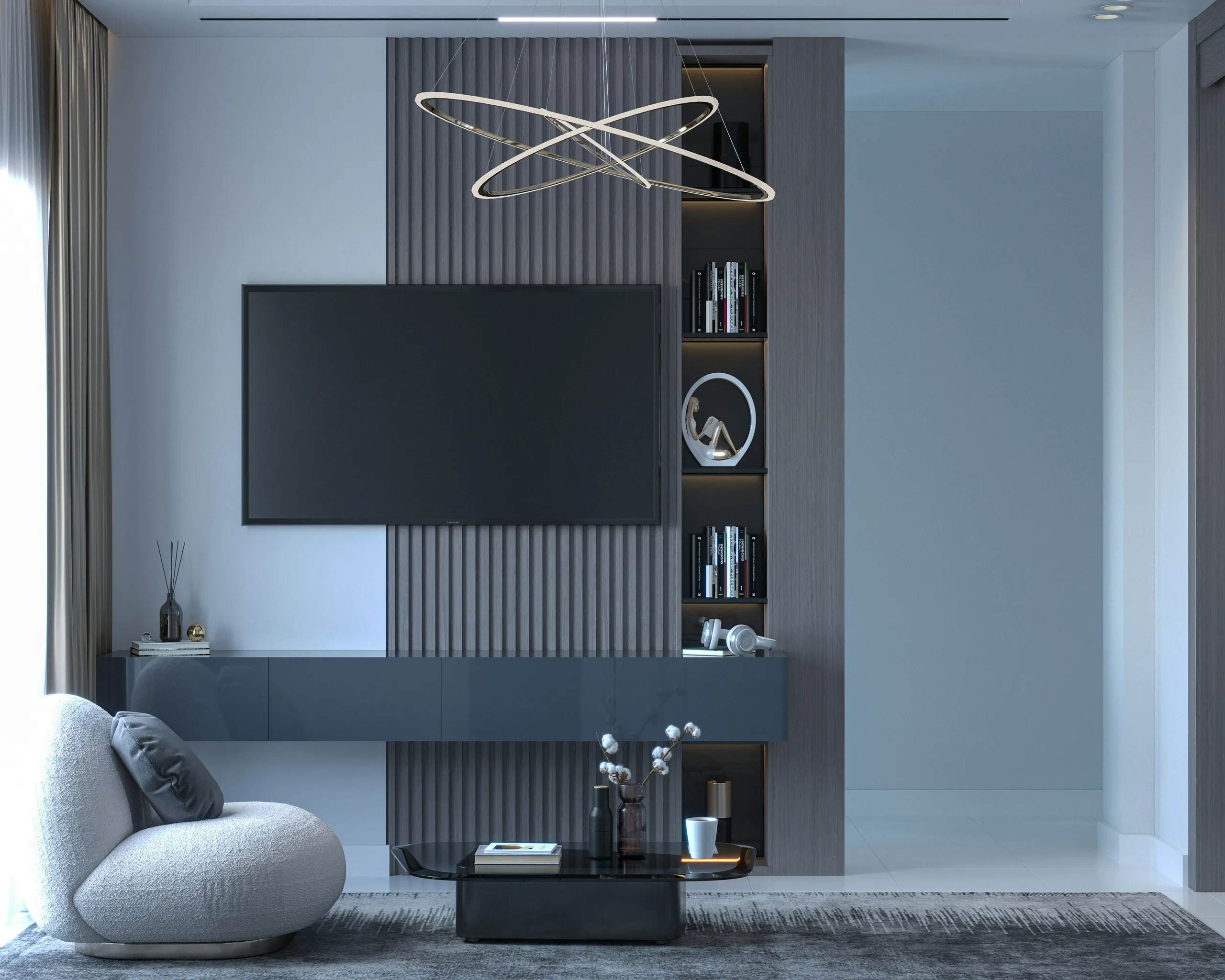
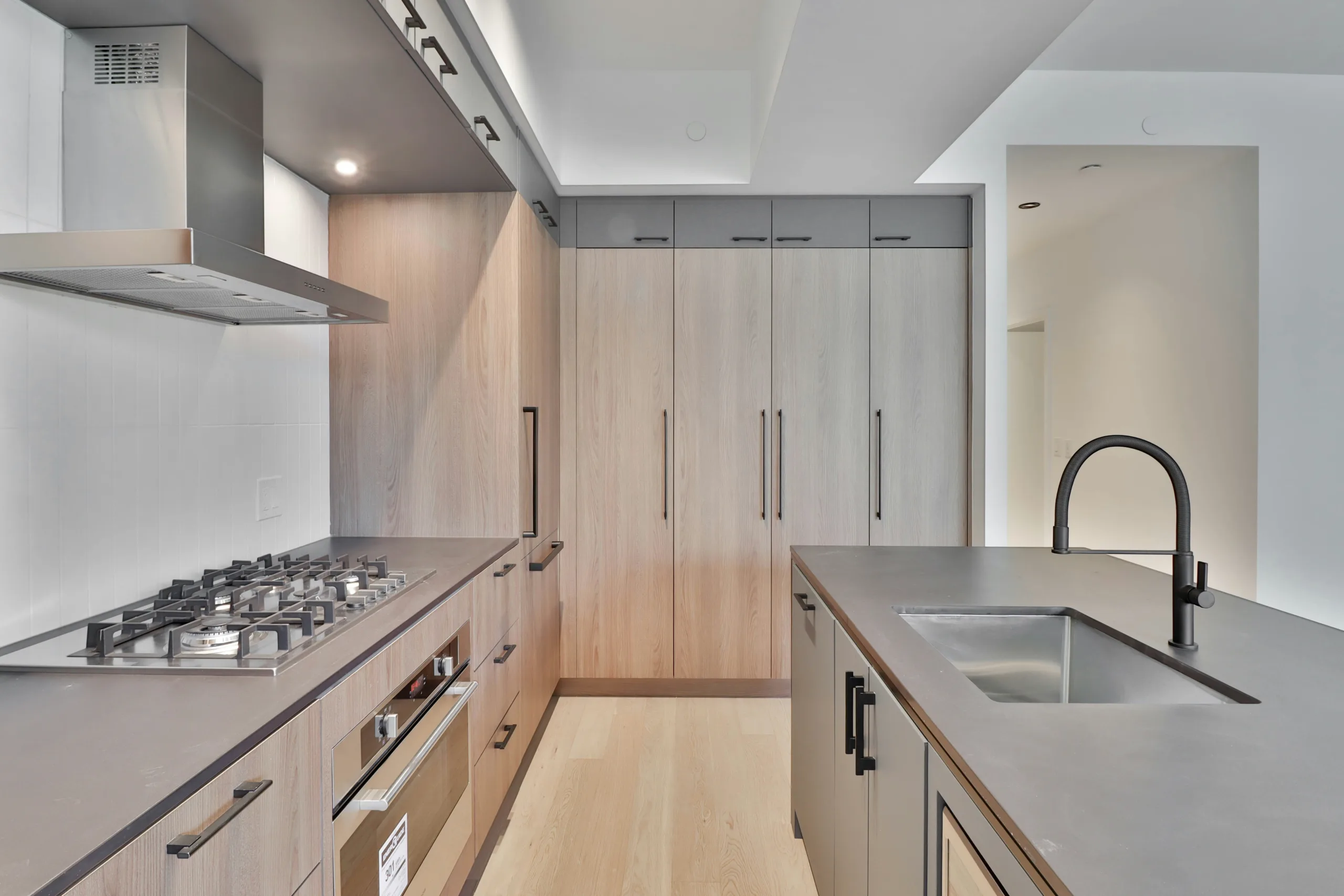
At its heart, luxury minimalism is about intentional paring down. It’s not about emptiness or austerity, but about curating a space where every single item has a purpose and contributes to a feeling of calm and sophistication. Think of a meticulously chosen Italian leather sofa, a single, striking piece of contemporary art, and indirect lighting that highlights architectural features rather than clutter.
- Decluttered Spaces: The most obvious characteristic is an absence of visual noise. Surfaces are clear, storage is integrated and hidden, and only essential items are present. This allows the eye to rest and appreciate the quality of each piece.
- Emphasis on Quality Materials: Because there are fewer items, the ones that are present must be exceptional. Natural materials like brushed steel, honed marble, rich woods, and cashmere become the stars. Their inherent beauty and texture are amplified in a minimalist setting.
- Neutral Color Palettes: While not exclusively limited to white, minimalist luxury interiors often gravitate towards gentle, muted tones – think various shades of cream, beige, muted grays, and soft blues or greens. These colors contribute to the serene and expansive feel of the space, allowing form and texture to take center stage.
- Clean Lines and Forms: Furniture and architectural elements tend to have strong, geometric lines. Curves are often sweeping and deliberate rather than decorative. This contributes to a sense of order and modern elegance.
Maximalism: Curated Abundance
Luxury maximalism is a celebration of richness, history, and personality. It’s about creating a space that tells a story, brimming with cherished objects, vibrant colors, and a riot of textures. Far from being chaotic, luxury maximalism is highly curated. It’s about layering elements in a way that feels opulent and sophisticated, not overwhelming.
- Layered Textures and Patterns: Imagine velvet upholstery next to silk drapes, a fringed rug layered over polished hardwood, and an ornate wallpaper pattern juxtaposed with a rich brocade. Maximalism thrives on this sensory feast.
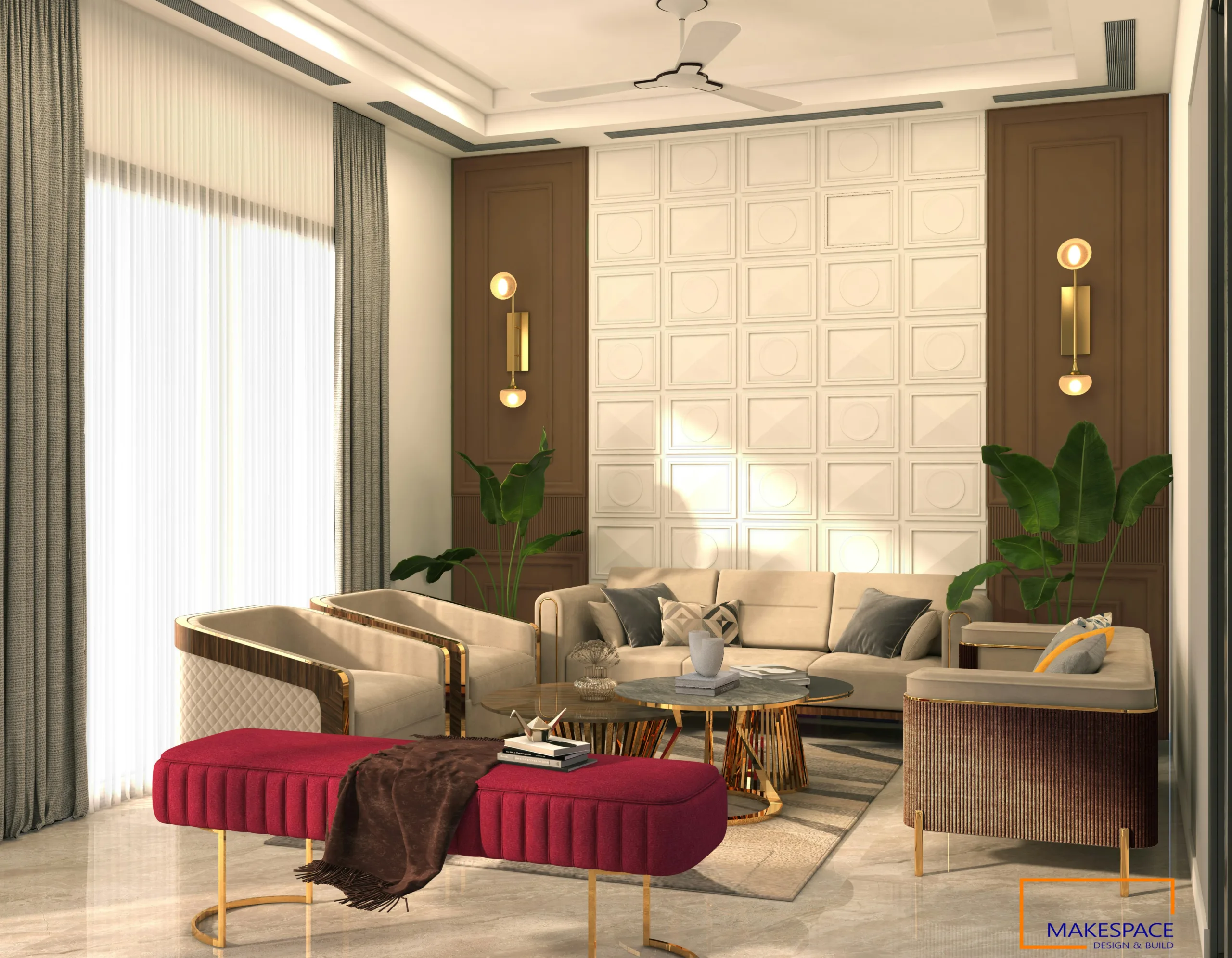
- Rich and Varied Color Schemes: Forget neutral palettes here. Maximalism embraces jewel tones, deep blues, emerald greens, ruby reds, and even unexpected combinations that create visual interest and drama.
- Eclectic Collections and Personal Narratives: This is where personality truly shines. Maximalist luxury homes often showcase collections of art, antiques, travel mementos, and bespoke pieces. Each item has a story, contributing to a deeply personal and layered aesthetic.
- Ornate Details and Intricate Designs: From detailed moldings and carved furniture to crystal chandeliers and elaborately patterned fabrics, maximalism doesn’t shy away from embellishment. It’s about embracing craftsmanship and intricate beauty.
The Sensory Experience: How Each Style Feels
Beyond aesthetics, how a space makes you feel is crucial, especially in luxury interiors. Minimalism and maximalism offer distinctly different emotional and sensory experiences.
Minimalism: Calm, Clarity, and Focus
A minimalist luxury interior is designed to be a sanctuary. It’s about reducing external stimuli to promote a sense of inner peace and mental clarity.
- A Sense of Serenity: The uncluttered nature and soft color palettes contribute to a deeply calming atmosphere. It’s a space where you can unwind, declutter your mind, and feel a sense of lightness.
- Enhanced Focus: With fewer distractions, a minimalist space can be very conducive to concentration, whether that’s for work, reading, or simply quiet contemplation.
- Appreciation of Individual Elements: When there’s less visual competition, each piece of furniture, art, or architectural detail gets its moment to shine. You tend to notice and appreciate their quality and form more intently.
- Spaciousness and Openness: By removing unnecessary items and often employing open-plan layouts, minimalist designs can make even smaller spaces feel larger and more expansive.
Maximalism: Warmth, Stimulation, and Personal Connection
A maximalist luxury interior is an immersive experience. It’s designed to engage the senses, provoke conversation, and evoke a rich tapestry of emotions and memories.
- Inviting and Cozy: Despite the abundance, a well-executed maximalist space can feel incredibly warm and inviting, like being enveloped in comfort and history. The layers of textures and objects contribute to a feeling of being well-cared for.
- Visual Stimulation and Discovery: There’s always something new to catch the eye – a hidden detail in a painting, the texture of a unique fabric, or a small curio. This creates a dynamic and engaging environment.
- Expressive and Storytelling: These spaces are deeply personal, reflecting the homeowner’s travels, passions, and history. Every object contributes to a larger narrative, making the home feel lived-in and loved.
- A Sense of Opulence and Grandeur: The sheer volume of beautiful, often antique or bespoke items, combined with rich colors and textures, inherently communicates luxury and a certain lavishness.
Practical Considerations: Living with Each Style
It’s one thing to admire a beautiful aesthetic in a magazine; it’s another to live with it day in and day out. Both styles have their practical upsides and downsides in a luxury context.
Minimalism: Maintenance and Durability
While appearing easy, true luxury minimalism requires careful consideration of materials and maintenance.
- High-Quality, Durable Materials are Key: Because pieces are exposed and few, they must withstand daily use beautifully. Imperfections are more visible, so investing in materials that age gracefully (like solid wood, natural stone, and high-performance fabrics) is crucial.
- Intentional Storage Solutions: The “no clutter” rule means everything needs a designated, often hidden, home. Built-in cabinetry, streamlined wardrobes, and smart storage solutions are paramount. Messy living is difficult in a minimalist luxury space.
- Cleaning is Simpler (but more visible): Fewer decorative items mean less dusting of knick-knacks. However, smudges on large, pristine surfaces (like glass or highly polished stone) are immediately obvious, requiring frequent upkeep for that “showroom” look.
- Resilience to Trends: A truly minimalist luxury design, with its focus on classic forms and quality, tends to be more timeless and less susceptible to fleeting trends, though specific material choices can certainly date.
Maximalism: Curating and Evolving
The practicalities of maximalism revolve around curation and evolution, not simply accumulation.
- Ongoing Curation and Editing: A maximalist space is rarely “finished.” It’s an ongoing process of adding, rearranging, and sometimes removing items as collections grow and personal tastes evolve. The challenge is to maintain cohesion without veering into true clutter.
- Specialized Cleaning Requirements: A multitude of objects, delicate textiles, and intricate carvings require more detailed and often specialized cleaning. Antiques, silks, and velvets need careful handling.
- Space Management: Visual Weight vs. Physical Space: While maximalism embraces abundance, it’s not about filling every inch of floor space. It’s about using vertical space, grouping objects artfully, and understanding visual weight so the room feels rich, not cramped.
- Flexibility and Personalization: One of the great practical joys of maximalism is its adaptability. New cherished items can often be seamlessly integrated, and the space can evolve with your life story without feeling forced.

Design Elements that Define Each Approach
Let’s break down some specific design elements and how they are handled differently in minimalist versus maximalist luxury interiors.
Furniture Selection: Form vs. Statement
The choice of furniture is a major differentiator.
- Minimalist Furniture:
- Understated Elegance: Focus on clean lines, sculptural forms, and exceptional craftsmanship. Pieces are often bespoke or from renowned modernist designers.
- Functionality First: Every piece serves a clear purpose, often multi-functional (e.g., an ottoman that doubles as storage).
- Comfort is Key: While visually simple, luxury minimalist furniture prioritizes supreme comfort, often with high-quality upholstery and considered ergonomics.
- Maximalist Furniture:
- Eclectic Mix: Expect a blend of periods and styles – a baroque console next to a mid-century modern armchair, for example. The key is how they are united by color, texture, or an overarching theme.
- Ornate and Detailed: Carvings, gilding, decorative inlays, and rich upholstery fabrics (velvet, damask, brocade) are common.
- Statement Pieces: Furniture often acts as individual art pieces, commanding attention and contributing significantly to the room’s narrative.
Color and Texture: Restrained Palette vs. Rich Layers
How these elements are used dramatically alters the atmosphere.
- Minimalist Color and Texture:
- Limited, Refined Palette: Think tone-on-tone variations of neutrals, perhaps with one subtle accent color.
- Focus on Natural Textures: The texture comes from the inherent quality of materials – smooth marble, rough linen, refined wood grain, supple leather. These are appreciated for their tactile qualities rather than their visual complexity.
- Subtle Contrast: Any contrast is typically soft, perhaps between a matte and glossy finish, or a light and slightly darker neutral shade.
- Maximalist Color and Texture:
- Bold and Diverse Palette: Jewel tones, deep earth tones, often combined with metallic accents. Multiple colors in one room is common, unified by an overarching scheme.
- Abundance of Tactile Surfaces: Velvet, silk, brocade, fringe, embroidery, carved wood, polished metals, fur throws – the more varied and luxurious the textures, the better.
- High Contrast: Striking juxtapositions of color and pattern are characteristic, creating visual drama and interest.
Art and Accessories: Curated Few vs. Collected Many
The approach to dressing a space further defines these styles.
- Minimalist Art and Accessories:
- Statement Art: A single, impactful piece of art (sculpture, large-scale painting) that serves as a focal point.
- Functional Accessories: A beautiful vase, a meticulously crafted lamp, or a unique mirror – each accessory is chosen for its aesthetic merit and its function.
- Strategic Placement: Items are placed with deliberation, often in isolation, to highlight their form and beauty.
- Maximalist Art and Accessories:
- Gallery Walls and Collections: Walls are often covered floor-to-ceiling with an array of artworks, photographs, and mirrors. Collections of objects (ceramics, globes, taxidermy) are proudly displayed.
- Decorative Accents: Cushions, throws, unique lamps, antique books, sculptures, and objets d’art fill tables, shelves, and niches.
- Layered Displays: Accessories are often grouped in interesting vignettes, creating mini-stories within the larger narrative of the room.
The Role of Lighting: Functional Clarity vs. Atmospheric Drama
Lighting is crucial for setting the mood and highlighting features in both luxury styles.
Minimalism: Integrated and Functional Illumination
In minimalist luxury, lighting is often subtle, integrated, and designed to enhance the architecture and specific items.
- Hidden Light Sources: Recessed lighting, cove lighting, and hidden LED strips are preferred, creating ambient glow without visible fixtures.
- Task-Oriented Lighting: Where visible, fixtures are often sleek and functional, like a sculptural floor lamp for reading or a minimalist pendant over a dining table.
- Natural Light Maximization: Large windows, minimal window treatments, and reflective surfaces are used to bring in as much natural light as possible, contributing to the sense of openness.
- Controlled Ambiance: Dimmers are essential, allowing for subtle adjustments to the mood without introducing visual clutter.
Maximalism: Decorative and Layered Lighting
Maximalist lighting is often a decorative element in itself, contributing to the richness and layered feel of the space.
- Statement Fixtures: Crystal chandeliers, ornate sconces, and bold pendant lights are common and often act as focal points.
- Multiple Light Sources: A layered approach is taken, combining ambient, task, and accent lighting from various ornate fixtures to create depth and warmth.
- Dramatic Shadows and Highlights: Lighting is used to emphasize textures, artwork, and architectural details, creating intriguing shadows and highlights that add to the room’s dramatic flair.
- Warm Tones: Often, warmer light temperatures are favored to enhance the rich color palettes and create a cozy, inviting atmosphere.
Which Style is Right for You? Finding Your Luxury Match
Ultimately, the choice between minimalism and maximalism for your luxury interior comes down to personal preference and how you want your home to make you feel and function.
Consider Your Personality and Lifestyle
- Are you drawn to calm and order, or vibrancy and expression? If you find peace in simplicity and clear spaces, minimalism might be your calling. If you thrive on rich sensory experiences and love to showcase your collections, maximalism could be it.
- How do you live in your home? If you prefer a highly organized, low-clutter environment, minimalism is a natural fit. If you enjoy accumulating unique pieces and having your home tell a story, maximalism will accommodate that.
- What stories do you want your home to tell? A minimalist home often tells a story of refined taste, precision, and modern living. A maximalist home tells a personal epic, rich with history, passion, and adventure.
Don’t Feel Trapped: Hybrid Approaches
It’s important to remember that these aren’t rigid boxes. Many luxury interiors subtly blend elements from both. You might appreciate clean lines and purposeful design but incorporate a few truly cherished, maximalist-leaning art pieces or a richly textured rug.
- Minimalist Base with Maximalist Accents: Imagine a minimalist space with a neutral palette and clean-lined furniture, but featuring a single, antique chandelier or a vibrant, large-scale abstract painting.
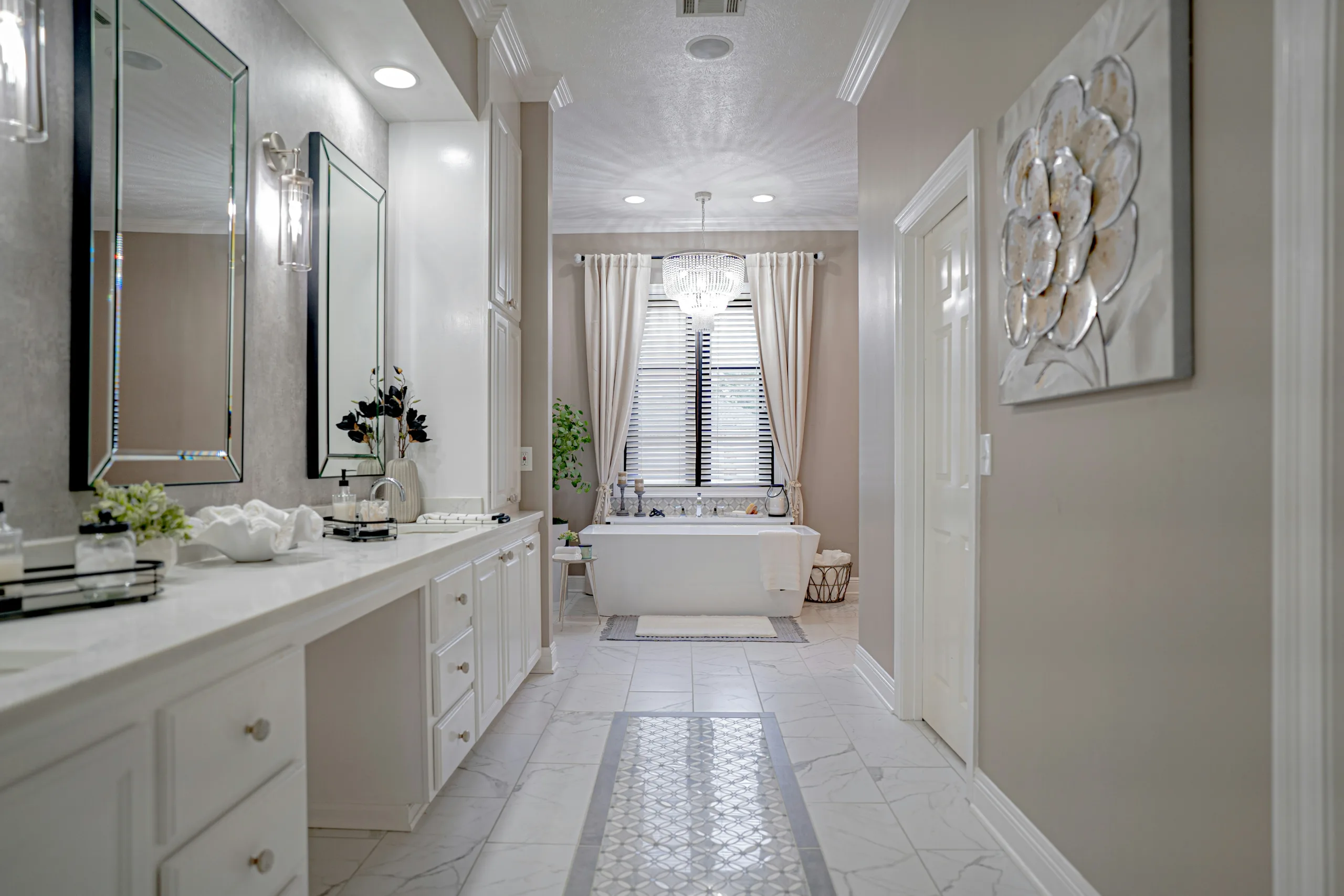
- Maximalist Space with Minimalist Respite: A maximalist home might have a deliberately minimalist bedroom or bathroom that serves as a quiet retreat from the visual richness of the rest of the house.
The goal in luxury interior design is always to create a space that feels authentic, comfortable, and beautiful to you. Whether you lean towards the serene sophistication of minimalism or the opulent storytelling of maximalism, the highest form of luxury is always personalized elegance.