The Rise of Wellness-Focused Interior Design
May 31, 2026

Hey there! Ever walked into a room and just felt… better? Like the air was a little lighter, your shoulders relaxed a bit, and you could actually take a deep breath? That’s not just a fluke. There’s a growing movement, a real shift happening in how we’re designing our homes and spaces, and it’s all about wellness. So, is wellness-focused interior design really a thing? Absolutely. It’s about creating spaces that actively support our physical, mental, and emotional well-being, moving beyond just looking pretty to actually doing good for us.
More Than Just Aesthetics: Why Wellness is Taking Center Stage
For a long time, interior design was primarily about aesthetics and trends. We’d pick colors and furniture based on what looked good or what was “in” according to magazines. But as we’ve become more aware of the impact our environment has on our daily lives – from stress levels to sleep quality – the focus has broadened. Wellness-focused design acknowledges that our homes are more than just shelters; they’re integral to our health. It’s about intentionality, about making conscious choices in our living spaces that contribute to a healthier, happier life. This isn’t about chasing fleeting fads; it’s about creating environments that nurture us.
The Mind-Body Connection in Our Homes
Think about it: you spend a significant chunk of your life within your home’s walls. It’s where you unwind, where you work (increasingly often), where you connect with loved ones, and where you rest. Given this constant interaction, it’s only natural that the design of these spaces would profoundly influence our overall well-being.
Breathing Easy: Air Quality and Natural Elements
One of the most immediate impacts a space can have on our well-being is through the air we breathe and our connection to nature. When we think about wellness, indoor air quality is a huge piece of the puzzle, and natural elements bring it all together.
The Air You Breathe Matters
Indoor air pollution can be a real problem, often much worse than the air outside. Things like volatile organic compounds (VOCs) from paints, furniture, and cleaning products, as well as dust and allergens, can negatively impact our respiratory health, concentration, and even our mood. Wellness design prioritizes improving this.
Choosing Low-VOC Materials
When it comes to paints, finishes, and furniture, opting for low-VOC or zero-VOC options is a game-changer. You’ll often see labels like “low-VOC” or “zero-VOC” on products. While it might sometimes mean a slightly higher price tag, the long-term benefits for your health and the air quality in your home are well worth it. It’s about making smart choices about what you bring into your home, not just for looks, but for its impact on your breathing.
Ventilation is Key
It’s not just about what you use, but how you air out your space. Regular ventilation is crucial. Opening windows and doors, even for a short period each day, can make a significant difference. If natural ventilation isn’t always possible, consider high-quality air purifiers. Look for models with HEPA filters to capture fine particles and activated carbon filters to tackle odors and gases.
Plants, Nature’s Air Cleaners
Beyond ventilation and material choices, bringing the outdoors in is a powerful strategy. Plants aren’t just decorative; they’re natural air purifiers. Certain plants, like snake plants, spider plants, and peace lilies, are known for their ability to filter out common indoor air pollutants. Plus, the presence of greenery has been scientifically proven to reduce stress and improve mood. It’s a simple but incredibly effective way to boost the wellness factor of any room.
Embracing Natural Light and Views
Our bodies are intrinsically linked to natural cycles, and natural light plays a huge role in our circadian rhythm, which dictates our sleep-wake patterns. Maximizing natural light and offering views of nature can significantly impact our mood, energy levels, and overall sense of calm.
Maximizing Daylight
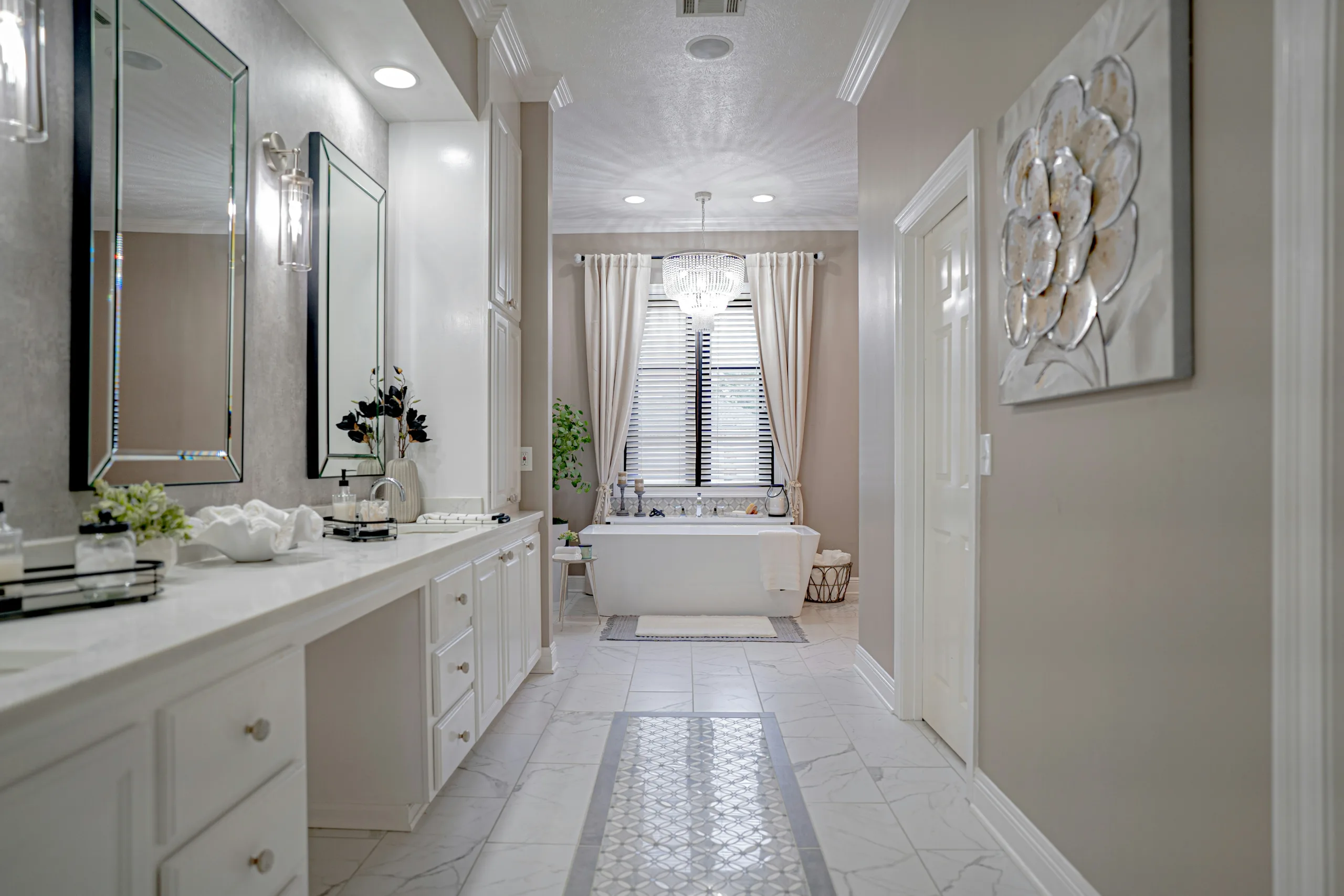
This means thinking about window placement and treatments. Avoid heavy, dark curtains that block out the sun. Opt for lighter fabrics or blinds that can be easily adjusted to let in as much natural light as possible throughout the day. If you’re designing a new space or renovating, consider how the sun moves across your home and orient your living areas accordingly. Even small windows can be highly effective if they are strategically placed.
Bringing the Outdoors In (Visually)
If you don’t have a lot of natural light, or if your views aren’t exactly like a tranquil forest, you can still create that connection. Large mirrors strategically placed can reflect light and create a sense of openness. Artwork depicting nature scenes can also help bring the calming presence of the outdoors indoors. The goal is to create a visual connection to the natural world, even if it’s just through a beautiful landscape painting or a well-placed plant.
Creating Calm: Color Psychology and Soundscapes
Our senses are constantly bombarded in today’s world. How our spaces look and sound can either add to the chaos or provide a much-needed sanctuary. Color and sound are two incredibly powerful tools in creating a sense of calm and well-being.
The Subtle Power of Color
Color psychology isn’t some fringe theory; it’s a well-established field that explores how different hues can influence our emotions and behavior. In interior design, this translates to using color intentionally to create the desired atmosphere.
Calming Palettes for Relaxation
For spaces dedicated to relaxation, like bedrooms or quiet nooks, soft, muted colors are generally most effective. Think gentle blues, greens, and earthy tones. These colors tend to evoke feelings of peace, serenity, and tranquility. They don’t demand attention, allowing your mind to settle and rest.
Energizing Hues for Productivity
Conversely, for areas where you need to focus or be more active, like a home office, you might consider colors that are more stimulating, but still balanced. Warm yellows or certain shades of orange can boost creativity and energy, but it’s important to use them judiciously, perhaps as accents, to avoid overstimulation.
The Importance of Contrast and Balance
It’s not just about picking one color. The interplay of colors is as important. Creating visual interest through balanced contrasts can enhance a space without being overwhelming. For instance, a calming neutral palette can be beautifully complemented by pops of a slightly brighter, but still harmonious, accent color.
Designing for Serenity: Sound and Acoustics
We often focus on how a room looks, but how it sounds can be just as impactful on our stress levels and sense of well-being. Background noise, echoes, and jarring sounds can be incredibly disruptive.
Minimizing Unwanted Noise
This involves thinking about the materials used in a space. Hard surfaces like tile and bare walls can reflect sound, creating an echoey and noisy environment. Incorporating soft furnishings like rugs, upholstered furniture, and heavy curtains can help absorb sound and reduce echoes.
Creating a Peaceful Acoustic Environment
For areas where quiet is paramount, consider acoustic panels. These often look like artwork themselves and are designed to absorb sound waves, creating a much more peaceful atmosphere. If you live in a noisy area, you might also explore soundproofing techniques for windows and doors.
The Benefits of Nature Sounds
Sometimes, the best antidote to indoor noise is curated sound. Introducing the gentle sounds of nature – like a small indoor water feature or a playlist of ambient nature sounds – can be incredibly soothing and create a relaxing soundscape that masks unwanted distractions. Even simple white noise can be effective for some.
Functionality Meets Flow: Layout and Decluttering
A well-designed space isn’t just about beautiful objects; it’s about how you move through it and how easily you can use it. Flow and organization are crucial for a sense of calm and control, which are fundamental to wellness.
The Impact of Layout on Movement and Mood
The way a room is laid out can significantly influence your experience within it. A cluttered, cramped space can feel overwhelming, while an open, organized layout promotes a sense of ease and freedom.
Creating Clear Pathways
Ensure that there are clear, unobstructed pathways to move around your furniture. This not only makes the space feel more spacious but also reduces the likelihood of tripping or feeling physically confined. Think about how you naturally move through a room and arrange furniture to support that flow.
Zoning for Different Activities
Consider dedicating specific zones within a room for different activities. For example, in a living room, you might have a comfortable reading nook, a social seating area, and perhaps a small workspace. Clearly defined zones help to create a sense of order and purpose, both of which contribute to mental well-being.
The Importance of Negative Space
Don’t be afraid of empty space. “Negative space” is just as important as the objects you fill it with. Allowing areas to remain uncluttered can give your eyes a place to rest and prevent the room from feeling overstimulating. It’s about balance, not just stuffing every corner with furniture.
Decluttering as a Wellness Practice
Decluttering goes beyond just tidying up; it’s a powerful wellness practice that can have a profound impact on your mental state. A cluttered home often leads to a cluttered mind.
Intentionality in What You Keep
Wellness design encourages intentionality in what you bring into your home and what you choose to keep. Before buying something new, ask yourself if it truly serves a purpose or brings you joy. The same goes for existing items; if something is no longer useful or loved, consider letting it go.
Smart Storage Solutions
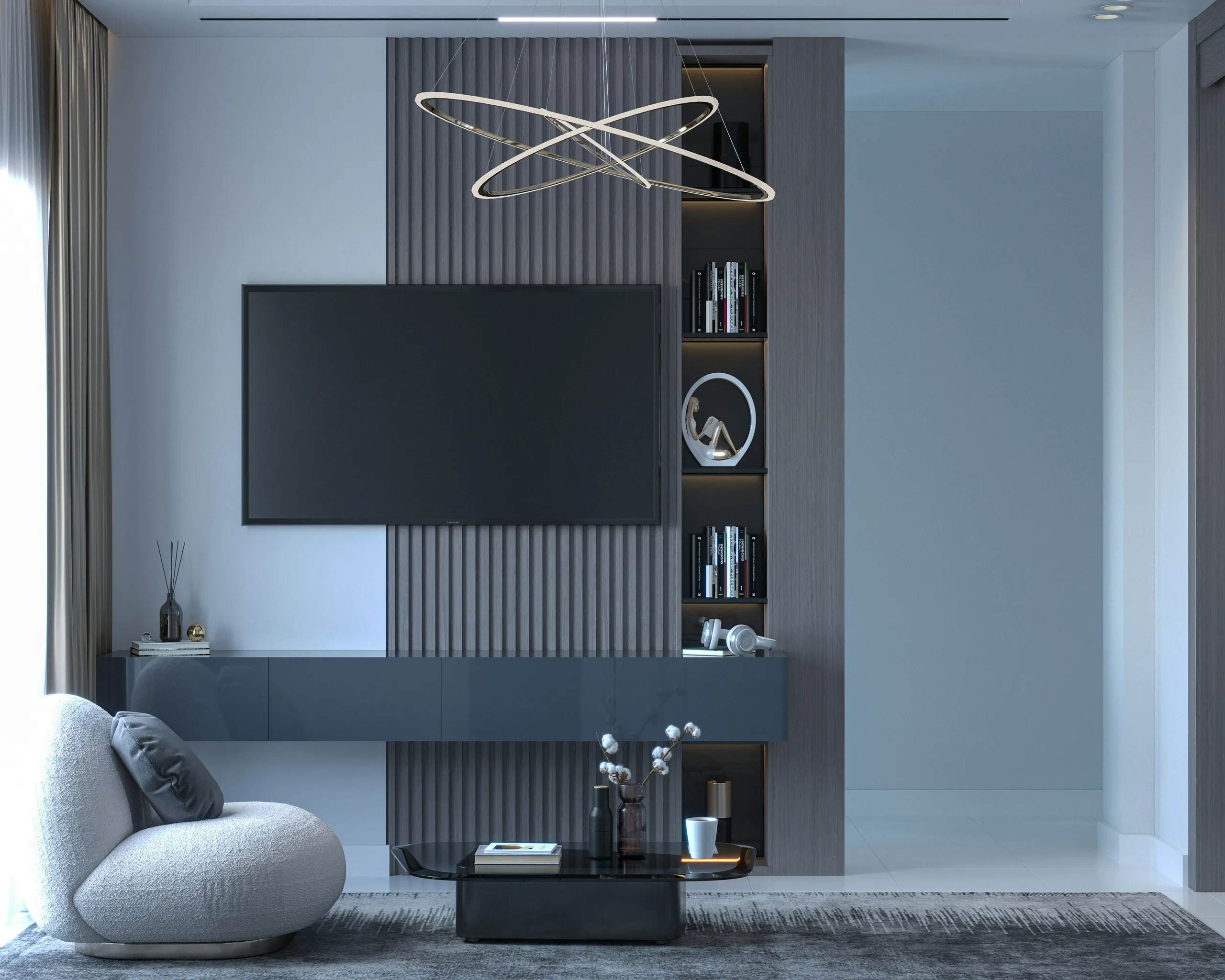
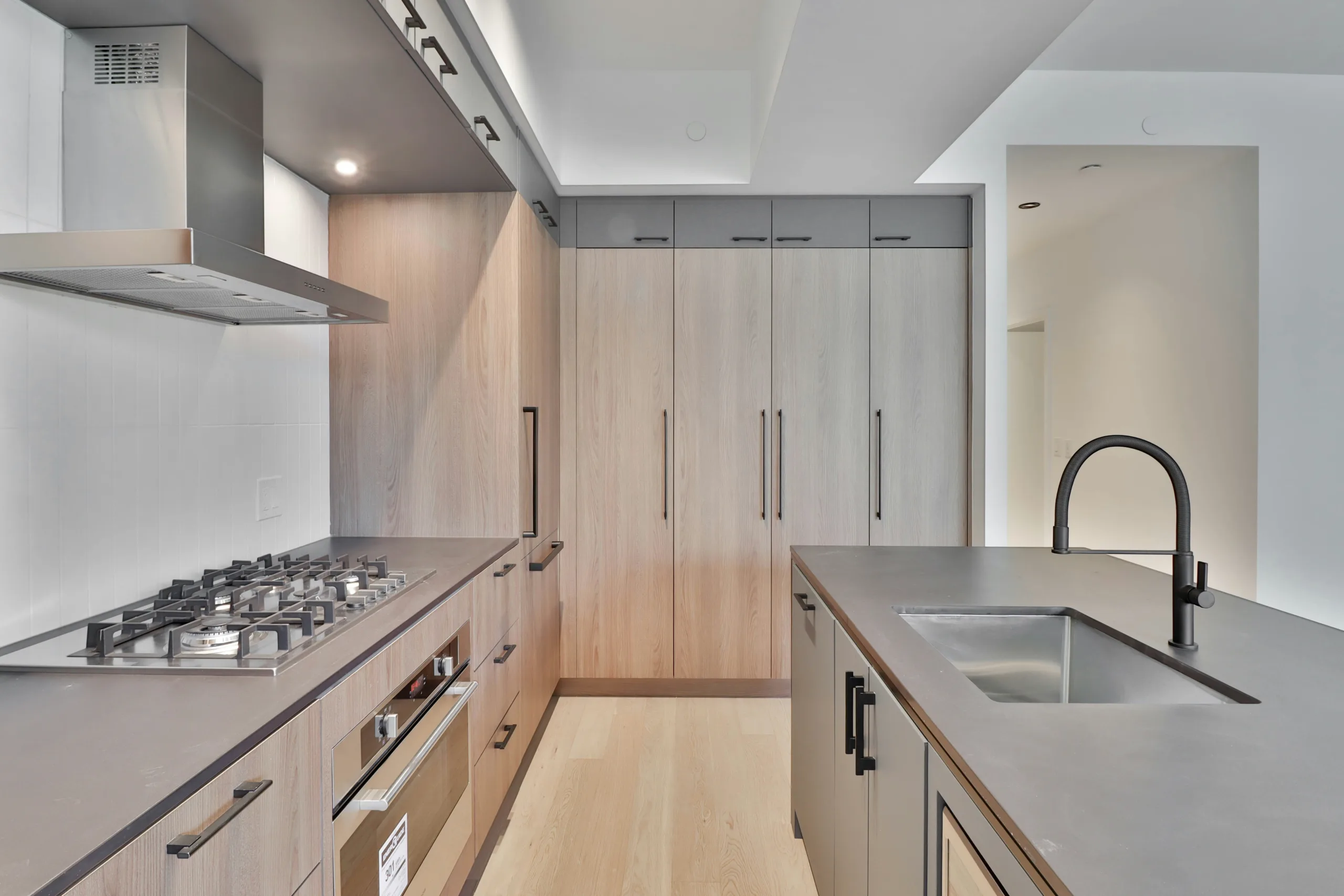
This isn’t about rigid minimalism if that’s not your style. It’s about smart, effective storage. Invest in pieces that offer hidden storage, like ottomans with lift-up tops or storage beds. Built-in shelving can also be a great way to keep things organized and off the floor, creating a tidier visual appearance.
Creating Dedicated “Homes” for Items
Every item should have a designated “home.” When everything has a place, it becomes much easier to put things away, which in turn reduces visual clutter and the mental effort of constantly having to deal with misplaced items. This can be as simple as a designated drawer for keys or a basket for remote controls.
The Tactile Experience: Texture, Comfort, and Sensory Engagement
Beyond what we see and hear, how a space feels is a crucial element of wellness design. The textures we interact with, the comfort of our furnishings, and the way a space engages our other senses all play a role in our overall sense of well-being.
Embracing Tactile Diversity
Our sense of touch is one of our most basic senses, and incorporating a variety of textures can make a space feel richer, more inviting, and more comforting.
The Comfort of Soft Materials
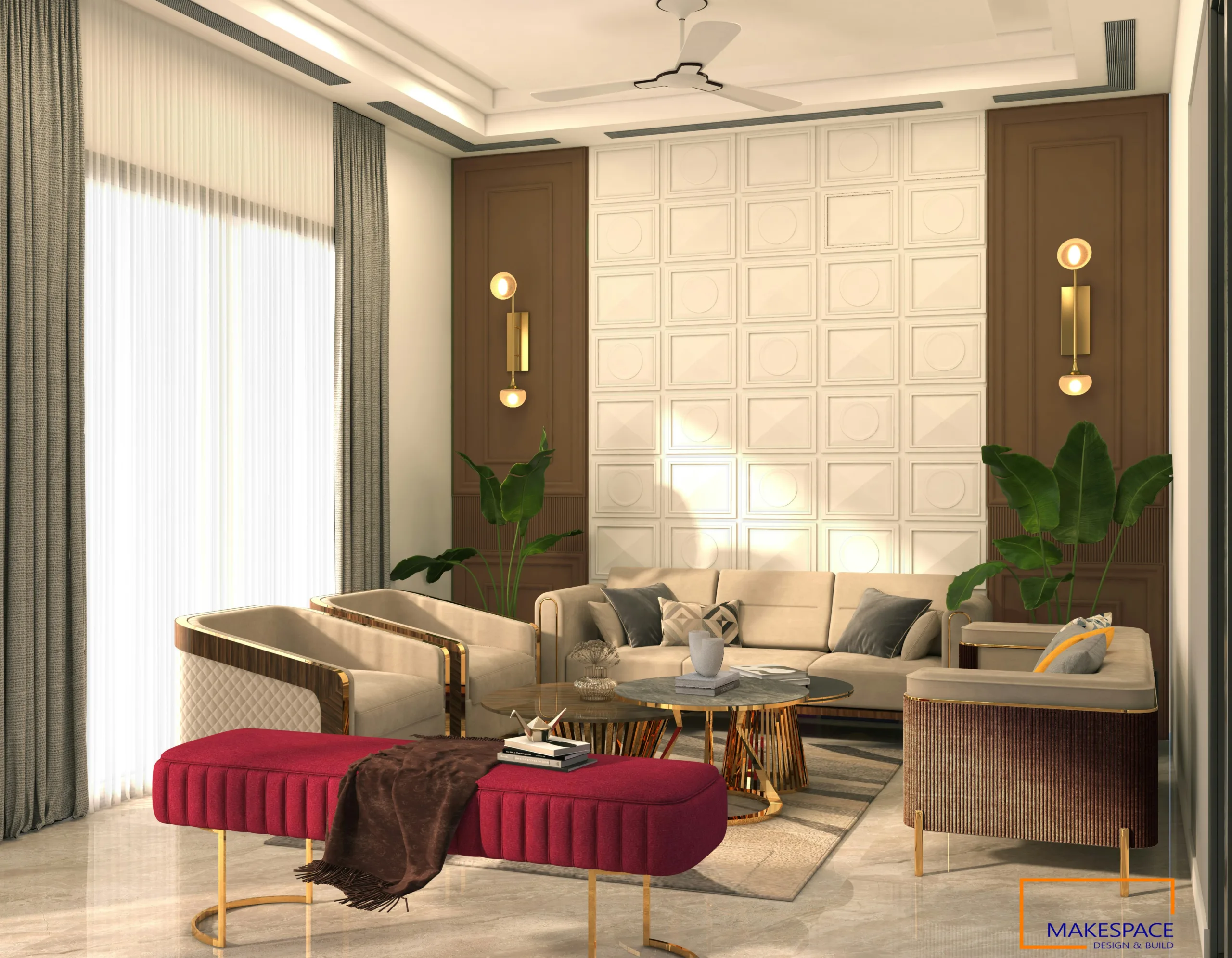
Think of plush rugs, cozy throws, velvet cushions, and soft, natural fiber bedding. These materials invite touch and create a sense of warmth and comfort. They can transform a room from merely functional to truly inviting and relaxing.
Natural Textures for Grounding
Materials like wood, stone, and natural fibers (think linen, cotton, wool) offer a grounding, organic feel. They connect us to nature and can create a sense of calm and stability. Even small touches, like a wooden bowl or a natural stone coaster, can add to this effect.
The Nuance of Contrast
Combining different textures can create visual and tactile interest. The contrast between a smooth, cool stone surface and a soft, warm fabric, for example, can add depth and sophistication to a space, while also appealing to our sense of touch.
Creating a Physically Comforting Environment
Comfort isn’t just about soft furnishings; it’s about furniture that supports your body and an overall environment that feels welcoming and safe.
Ergonomics in Everyday Life
Consider the ergonomics of your furniture. Are your sofa and chairs comfortable to sit in for extended periods? Is your desk at the right height for working? Investing in comfortable, supportive pieces can have a significant impact on your physical health and reduce strain.
Temperature and Humidity Control
The physical feeling of a space is also heavily influenced by its temperature and humidity. Maintaining a comfortable and consistent temperature, and managing humidity levels, can contribute significantly to your overall comfort and well-being. This might involve better insulation, smart thermostats, or dehumidifiers/humidifiers.
Scent and Wellbeing
Our sense of smell is strongly linked to memory and emotion. Incorporating pleasant, natural scents can enhance a space’s wellness factor. This could be through essential oil diffusers with calming scents like lavender or bergamot, fresh flowers, or even just the natural aroma of wood or natural cleaning products. Avoid artificial, overpowering fragrances, which can be detrimental.
Technology as a Tool, Not a Distraction
While technology often gets a bad rap for contributing to stress and distraction, it can actually be a powerful ally in creating a wellness-focused home when used intentionally.
Smart Home Features for Enhanced Living
Modern technology offers numerous ways to support our well-being within our homes.
Lighting Control for Mood and Circadian Rhythms
Smart lighting systems can be programmed to mimic natural daylight patterns, gradually brightening in the morning to wake you gently and dimming in the evening to prepare you for sleep. This is a powerful way to support your circadian rhythm without conscious effort. Some systems also offer tunable white light, allowing you to adjust the color temperature throughout the day – cooler tones for focus and warmer tones for relaxation.
Environmental Monitoring
Smart sensors can monitor air quality (CO2 levels, pollutants), temperature, and humidity, alerting you to potential issues and allowing you to make adjustments proactively. This is a direct application of wellness principles, ensuring your environment is optimized for health.
Soundscapes and Ambient Noise Management
As mentioned earlier, technology can create curated soundscapes. Smart speakers can play anything from calming ambient music to nature sounds, helping to mask distracting noises and create a more peaceful atmosphere.
Mindful Technology Integration
The key here is mindful integration. Technology should serve your well-being, not dominate your life.
Designated Tech-Free Zones
Even with smart tech, it’s important to create designated tech-free zones or times. This could be the bedroom, ensuring a better night’s sleep, or dinnertime, fostering better connection with loved ones.
Prioritizing Simplicity and Ease of Use
When choosing smart home devices, prioritize those that are user-friendly and won’t add to your stress. The goal is to simplify and enhance your life, not create a new set of complex problems.
Avoiding Information Overload
Be mindful of the amount of information you’re constantly exposed to through screens. Wellness design encourages periods of unplugging, even within a tech-enabled home.
Wellness-focused interior design isn’t just a trend; it’s a fundamental shift in how we view our living spaces. It’s about creating environments that don’t just look good but actively contribute to our physical, mental, and emotional health. By being more intentional with our choices regarding air quality, natural elements, color, sound, layout, texture, and even technology, we can transform our homes into true sanctuaries that nurture and support us every single day. It’s an investment in ourselves, and the benefits are profound.