Top Luxury Fashion Investment Pieces
May 31, 2026

Deciding which luxury fashion items are worth your hard-earned money, particularly with an eye towards investment, can feel like navigating a maze. The simple truth is, an investment piece in fashion isn’t just about the initial high price tag. It’s about an item’s ability to retain or even increase its value over time, its timeless appeal, its craftsmanship, and its practicality for your personal style. Think of it as purchasing a piece of wearable art or a highly functional, beautifully made tool that serves you well and holds its worth.
Why Invest in Luxury Fashion?
Beyond the sheer pleasure of owning something exquisite, luxury fashion investments offer several tangible benefits.
Resale Value
This is often the primary driver. Brands like Hermès, Chanel, and Louis Vuitton consistently command strong resale prices, sometimes even exceeding their original retail price for highly sought-after, limited-edition items or cult classics with long waiting lists. It’s not just about hype; it’s about scarcity, brand perception, and enduring demand.
Quality and Durability
A truly luxurious item is built to last. We’re talking meticulously selected materials, expert craftsmanship, and a level of attention to detail that mass-produced items simply can’t match. This means fewer replacements over time, making them more sustainable in the long run.
Timeless Style
Trends come and go, but certain designs transcend seasonal fads. These are the pieces that anchor your wardrobe, providing a sophisticated foundation that you can build upon. They offer versatility and elegance that never really goes out of style.
Handbags: The Pockets of Power
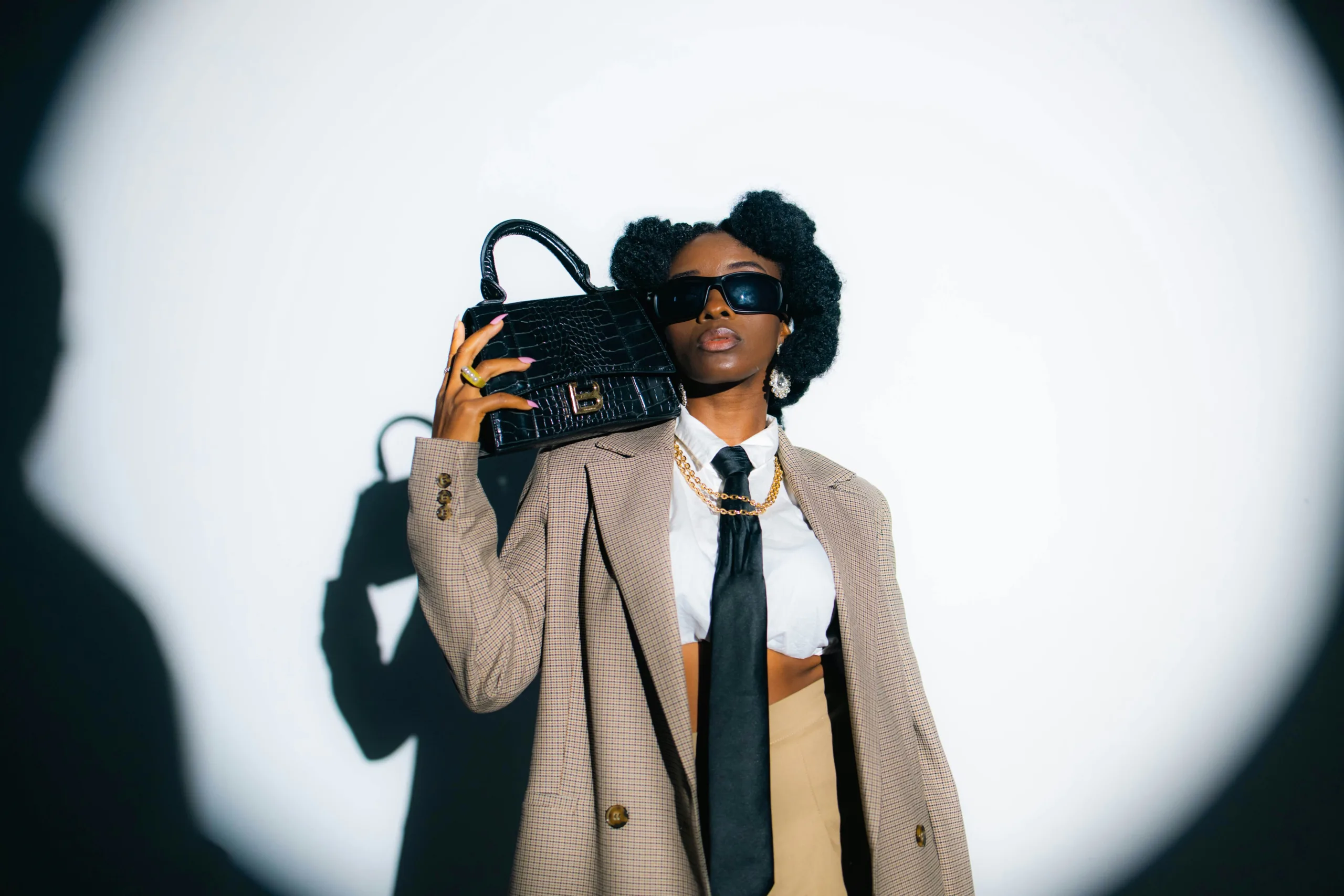
When it comes to luxury fashion investments, handbags often top the list. Certain styles from prestigious brands have proven to be incredibly reliable in terms of value retention.
Hermès: The Holy Grail
Few brands evoke the same level of speculation and desire as Hermès. Their iconic bags are legendary for their scarcity and the significant premium they command on the secondary market.
The Birkin and Kelly
These aren’t just bags; they’re symbols. Known for their meticulous hand-stitching, exquisite leathers, and often years-long waiting lists (or the “game” of being offered one by a sales associate), Birkins and Kellys consistently sell for well above retail, sometimes double or triple, depending on material, size, and color. They’re more than accessories; they’re bona fide assets.
Other Hermès Bags
While the Birkin and Kelly steal the spotlight, other Hermès bags like the Constance (especially mini sizes) and even specific styles of the Picotin and Evelyne can hold their value exceptionally well, particularly in desirable colors and leathers.
Chanel: Classic Elegance
Chanel’s heritage and instantly recognizable designs make their handbags strong investment contenders.
The Classic Flap Bag
Inspired by Coco Chanel’s original 2.55, the Classic Flap (especially the Double Flap) is a cornerstone of Chanel’s appeal. Its timeless design, iconic quilting, chain strap, and interlocking CC logo ensure its enduring desirability. Prices for these bags have steadily increased over time, making pre-owned options often more expensive than original retail if purchased years ago.
The 2.55 Reissue
This bag is a closer recreation of Coco’s original design, featuring the mademoiselle lock and all-chain strap. It’s a slightly more understated classic that also maintains excellent resale value.
Other Chanel Bags
While not as universally strong as the Classic Flap, specific seasonal bags that become popular quickly, like certain iterations of the Boy Bag or Gabrielle, can also perform well, though their long-term value might be more susceptible to shifting trends.
Louis Vuitton: Monogrammed Mastery
Louis Vuitton’s iconic monogram canvas and Damier prints, combined with their history of high-quality craftsmanship, make many of their bags excellent choices.
Speedy and Neverfull
These are often entry points into the luxury handbag world, and for good reason. Their practicality, durability, and timeless appeal ensure consistent demand. While they might not see the dramatic price increases of Hermès or Chanel on the secondary market, they do hold their value very well and are highly liquid, meaning they’re relatively easy to sell.
Capucines and Alma
These more structured, full-leather bags represent a higher tier of Louis Vuitton craftsmanship. The Capucines, in particular, has emerged as a modern classic with strong value retention, especially in neutral colors and exotic leathers.
Watches: Time-Honored Treasures
Luxury watches are not just instruments for telling time; they are intricate pieces of engineering and artistry that can appreciate significantly in value.
Rolex: The Unstoppable Force
Rolex is synonymous with luxury watches and holds its value exceptionally well, often outperforming other brands. Their strong brand recognition, consistent demand, and limited production of certain models contribute to their investment potential.
Submariner, Daytona, and GMT-Master II
These sports models are the darlings of the watch investment world. The Daytona, especially in stainless steel, often sells for well above retail on the grey market due to extreme scarcity. Submariners and GMT-Master IIs also see strong demand and appreciation. These are robust, iconic watches that appeal to a wide range of collectors and enthusiasts.
Datejust and Day-Date
While perhaps not reaching the same premium as the sports models, Datejust and Day-Date models offer classic elegance and solid value retention, particularly in popular configurations like the two-tone or full gold versions.
Patek Philippe: The Elite of Horology
Patek Philippe operates in an even more exclusive realm than Rolex, known for its extreme rarity, intricate complications, and exceptional craftsmanship.
Nautilus and Aquanaut
These stainless steel sports watches are arguably the most coveted of all Patek Philippe models, with astronomical waiting lists and even more astronomical resale prices that dwarf their retail cost. Their limited production, iconic Gérald Genta designs, and the brand’s prestige create an insatiable demand.
Complicated Pieces
Beyond the sports models, Patek Philippe’s highly complicated watches (e.g., perpetual calendars, minute repeaters) are true collector’s items that often appreciate dramatically, viewed as wearable heirlooms.
Audemars Piguet: The Bold Innovator
Audemars Piguet, especially its Royal Oak line, has carved out a distinct niche in the luxury watch market.
Royal Oak
Another Gérald Genta masterpiece, the Royal Oak was revolutionary for its stainless steel luxury sports watch concept. Its distinctive octagonal bezel and integrated bracelet are instantly recognizable. Like the Nautilus, stainless steel Royal Oaks, particularly the 15202 (extra-thin Jumbo), command significant premiums on the secondary market.
Jewelry: Sparkling Assets
Certain pieces of fine jewelry, particularly from renowned houses, can be truly enduring investments, valued not just for their materials but for their design pedigree.
Cartier: The King of Jewelers
Cartier’s iconic designs have transcended generations, becoming true cultural touchstones.
Love Collection
The Cartier Love bracelet and ring are more than just jewelry; they’re symbols of commitment and enduring style. Made famous by their unique screw mechanism, these pieces consistently hold their value, proving popular among those seeking both a valuable asset and a recognizable luxury item.
Juste un Clou
This collection, inspired by a nail, offers a more edgy yet equally classic aesthetic. It’s another staple that has proven its longevity and value retention.
Panthère de Cartier
The Panthère collection, inspired by Cartier’s iconic panther motif, represents the pinnacle of their high jewelry. While more of a significant upfront investment, these pieces, especially those featuring diamonds or precious stones, can appreciate beautifully over time due to their artistry and rarity.
Van Cleef & Arpels: Poetic Elegance
Van Cleef & Arpels is known for its graceful, nature-inspired designs and exquisite craftsmanship.
Alhambra Collection
The four-leaf clover motif of the Alhambra collection is instantly recognizable and incredibly popular. Pieces made with precious stones like mother-of-pearl, malachite, or onyx, particularly in classic necklace or bracelet styles, consistently hold their value due to their timeless appeal and the brand’s perceived exclusivity.
Outerwear: The Enduring Essentials
While perhaps not as high-value as handbags or watches, certain pieces of luxury outerwear can be excellent long-term investments, combining classic style with exceptional durability.
Trench Coats: Burberry’s Legacy
A well-made trench coat is a wardrobe staple that never goes out of fashion.
The Burberry Trench
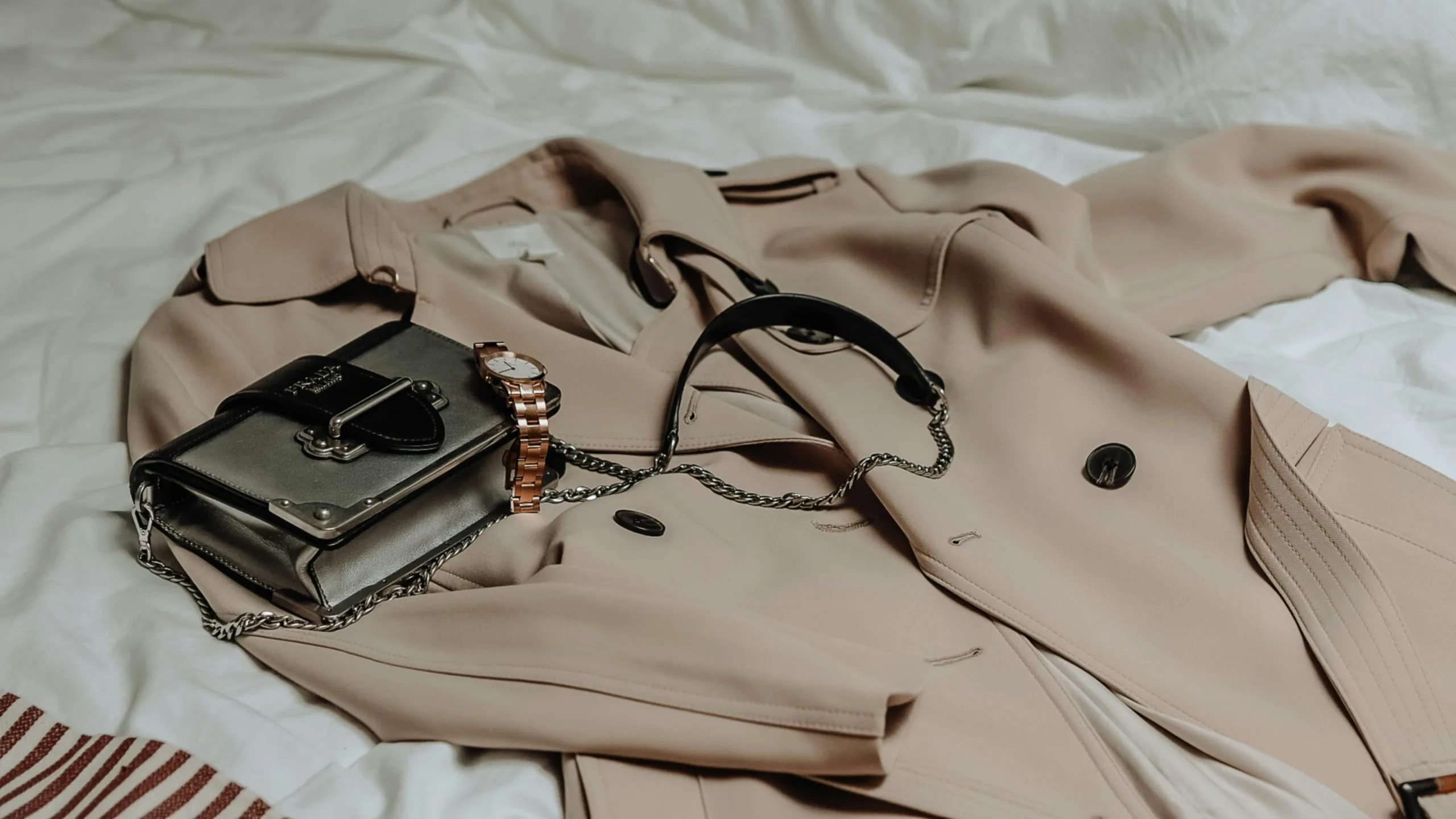
The original and (for many) still the best. A classic Burberry trench, especially in gabardine cotton, is an investment in timeless style and practicality. While it might not appreciate dramatically, it will hold its value well and last for decades if properly cared for. The heritage, craftsmanship, and instantly recognizable check lining contribute to its enduring appeal and resale value.
Leather Jackets: Enduring Edge
A high-quality leather jacket combines rugged appeal with a touch of luxury.
Classic Silhouettes (e.g., Saint Laurent, Schott)
While Saint Laurent offers a more fashion-forward, slim-fit take, classic leather jacket brands like Schott (for their Perfecto) deliver exceptional quality that lasts a lifetime. Look for full-grain leather, solid hardware, and timeless designs—think biker or bomber styles—that transcend fleeting trends. These pieces, when cared for, age beautifully and can command good prices on the secondary market.
Footwear: Stepping Up Your Investment
While most shoes quickly depreciate, a select few high-quality, iconic styles can maintain or even increase their value, especially for collectors or those who prioritize craftsmanship.
Classic Designer Heels
Certain designer heels are more than just shoes; they’re objets d’art.
Christian Louboutin Pigalle and So Kate
While daily wear will undoubtedly impact their value, unworn or gently used classic Louboutin styles like the Pigalle or So Kate in black leather or nude patent can retain a decent portion of their retail price. Their iconic red sole and recognizable silhouettes ensure consistent demand.
Manolo Blahnik Hangisi
Made famous by “Sex and the City,” the Hangisi pump with its jeweled buckle is a classic bridal shoe and a highly coveted item. Due to its specific aesthetic and iconic status, it holds its value remarkably well for a pair of shoes.
Premium Boots
High-quality boots offer both style and durability, making them a practical investment.
Hermès Boots (e.g., Jumping, Neo)
Similar to their bags, Hermès boots are exquisitely made and hold their value quite impressively. Styles like the Jumping boot or the Neo ankle boot, crafted from premium leathers, are timeless, durable, and highly sought-after.
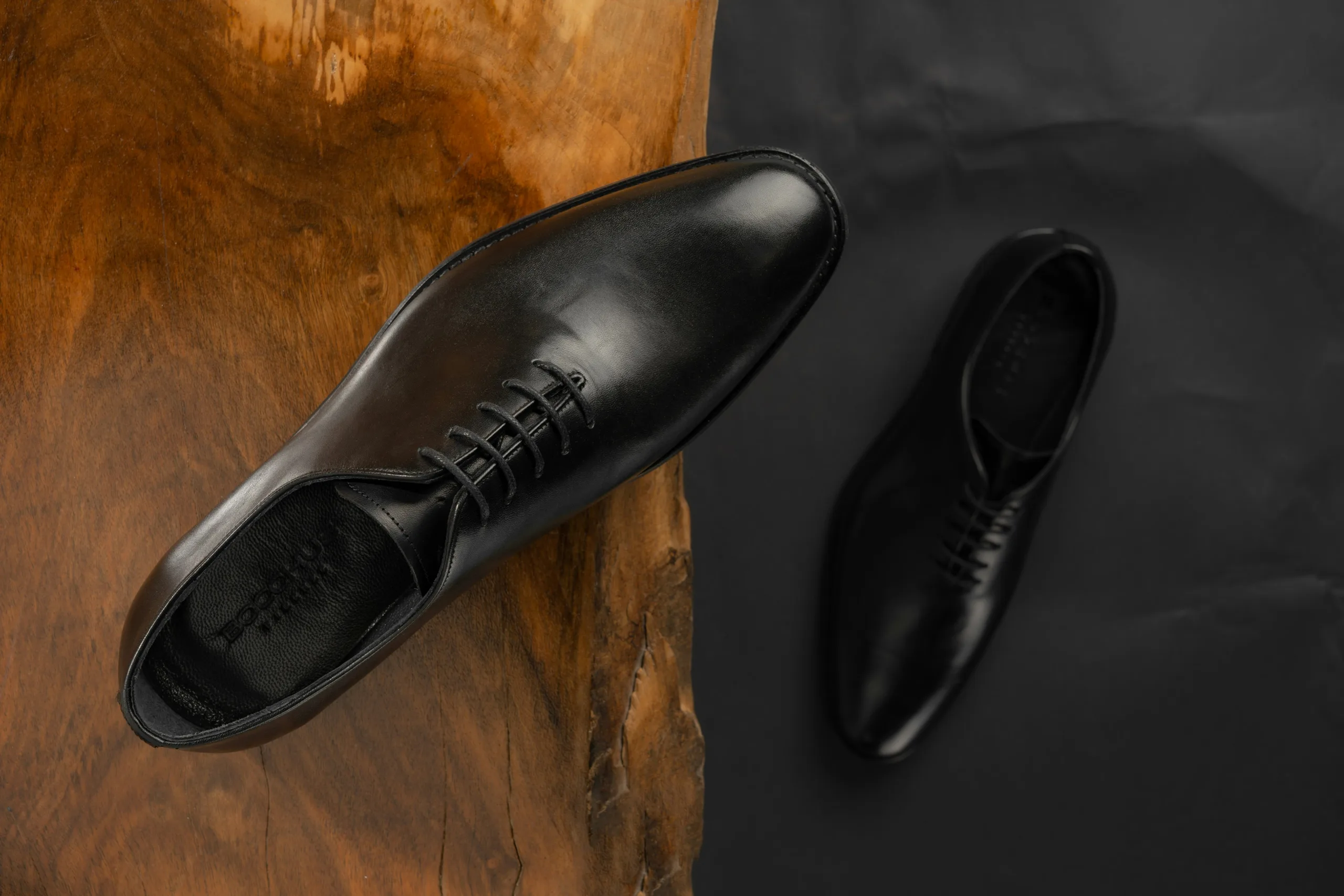
Classic Chelsea/Riding Boots
High-quality, well-made leather Chelsea or riding boots from brands known for their leatherwork (e.g., Church’s, Edward Green) are practical investments. They’re built to last, can be resoled, and their classic designs remain relevant season after season.
Practical Tips for Investing
Beyond choosing the right items, how you approach the purchase and maintenance is crucial for maximizing your investment.
Do Your Research
Before buying, investigate recent resale values for the specific item in similar condition on platforms like The RealReal, Fashionphile, Vestiaire Collective, or Sotheby’s. Understand what makes a particular piece desirable (e.g., specific leather, year of production, limited edition status).
Condition is Key
An item’s condition is paramount for resale value. Treat your investment pieces with care. Store handbags in their dust bags, watches in their boxes, and shoes with shoe trees. Regular cleaning and professional maintenance (e.g., watch servicing, handbag spa treatments) can preserve their value.
Keep Original Packaging and Receipts
Having the original box, dust bag, authenticity cards, and receipts significantly adds to an item’s perceived value and buyer confidence on the secondary market. Some buyers won’t even consider items without them.
Choose Versatile and Timeless Styles
While a trendy item might fetch a premium in the short term, timeless pieces offer more consistent and enduring value. Consider neutral colors and classic silhouettes that won’t go out of style next season.
Buy Pre-Owned Smartly
Buying pre-owned can be a strategic way to acquire investment pieces at a lower initial cost. Use reputable consignment platforms that offer authentication services to avoid counterfeits.
Understand “Investment” in Context
Remember, fashion investments are different from financial investments. While some items can appreciate dramatically, many will simply hold their value well, allowing you to enjoy them without significant depreciation. The joy of owning and using beautifully crafted items is also a valuable return on investment.
Investing in luxury fashion is a blend of personal enjoyment and strategic asset acquisition. By focusing on iconic pieces from reputable brands, prioritizing quality and timeless design, and maintaining your items diligently, you can curate a wardrobe that not only looks exceptional but also retains its worth over time.