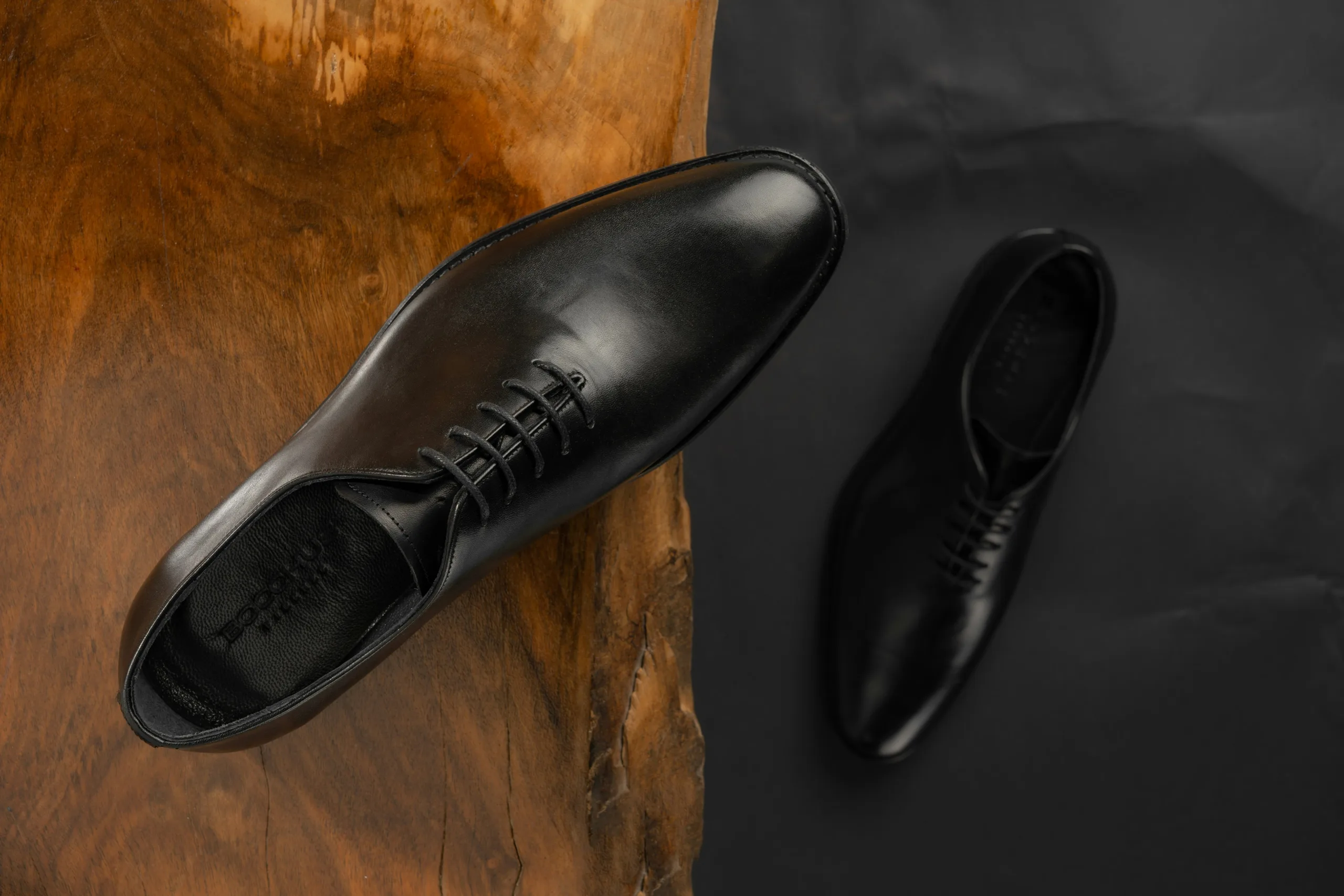
The Art of Luxury Shoe Craftsmanship: Collecting Exquisite Footwear
May 31, 2026

So, you’re drawn to those beautiful, meticulously made shoes that just feel… different. You might be wondering what exactly goes into making a truly luxurious pair of footwear, the kind that seems to transcend mere utility and become an investment in style and quality. It’s a fascinating world, and collecting exquisite footwear isn’t just about owning pretty things; it’s about appreciating the skill, tradition, and material choices that make these shoes exceptional. Let’s break down the art behind luxury shoe craftsmanship and what makes a collection truly shine.
When we talk about luxury shoes, we’re not just talking about a high price tag. It’s about a symphony of elements working together to create something remarkable. The difference is palpable from the moment you see and touch them. It’s in the details, the materials, and the feeling they evoke.
The Unseen Difference: Construction Methods
This is arguably where the biggest distinction lies. While modern manufacturing can produce many shoes quickly and efficiently, true luxury often relies on time-honored techniques that require immense skill and patience. These methods aren’t just about tradition; they contribute directly to the shoe’s durability, comfort, and ability to be repaired.
Welted Construction: The Gold Standard
This is the category that often defines high-end shoemaking. When you see terms like “Goodyear welted” or “Blake welted,” you’re looking at a method where the upper of the shoe is stitched to a leather strip (the welt), which is then stitched to the sole.
Goodyear Welting: Durability and Re-soling
Goodyear welting is a process that involves stitching a welt around the entire circumference of the shoe, connecting the upper, the welt, and the sole. This creates a durable, water-resistant barrier and, crucially, makes the shoe easily resoleable. A skilled cobbler can remove the old sole and attach a new one, essentially giving the shoes a new lease on life. This is a significant factor in the longevity and value of luxury footwear. The process itself is complex, involving machines that can stitch through multiple layers of thick leather. It’s a testament to engineering and craftsmanship that has stood the test of time. The advantage here is clear: these shoes are built to last, and with proper care, can be worn for decades.
Blake Stitching: Flexibility and Sleeker Profiles
Blake stitching is another significant welted method, often favored for dress shoes where a more streamlined appearance is desired. In this method, the upper and the sole are stitched directly together, often with a single stitch. While not as easily resoleable as Goodyear welting from the outside (though a skilled cobbler can still work wonders), Blake stitching offers a more flexible and often lighter shoe. The machine-driven process is also generally faster, but it still requires precision to ensure the stitch is strong and evenly placed. The aesthetic result is often a shoe with a sleeker profile, which is why it’s so popular for formal occasions.
Norwegian and Storm Welts: Added Protection
These are more specialized welted constructions, often found on more robust footwear like country shoes or boots.
Norwegian Welt: The Double Leather Look
The Norwegian welt is characterized by two visible stitches on the outside of the shoe – one attaching the upper to the welt, and another attaching the welt to the sole. Often, an additional strip of leather is folded over the vamp and stitched, creating a distinctive and highly protective appearance. This construction is incredibly robust, offering excellent water resistance and durability, making it ideal for challenging conditions. The visual impact is significant, conveying a sense of ruggedness and meticulous construction.
Storm Welt: The Raised Barrier
Similar to a storm guard on a house, the storm welt is designed to create a barrier against the elements. It’s a type of Goodyear welt where the welt is folded upwards and stitched to the upper in a way that creates a raised lip. This lip catches water and debris, preventing it from seeping into the shoe. It’s a practical design feature that adds to the shoe’s functionality and is a hallmark of quality outdoor-oriented footwear.
Other Construction Methods: Simpler, Yet Still Skillful
While welting often dominates the luxury conversation, other methods also appear, each with its own merits.
Cemented Construction: Efficiency and Modernity
Cemented construction involves gluing the sole to the upper. This is a much faster and more economical method, commonly used in mass-produced footwear. While some high-quality fashion shoes might use this technique with premium materials, it’s generally not the hallmark of traditional luxury shoemaking due to its limitations in terms of durability and re-soling capabilities. However, advancements in adhesives have made some cemented shoes surprisingly robust.
Sacchetto Construction: Ultimate Comfort
This Italian technique involves constructing the shoe like a pouch or “bag” (sacchetto in Italian). The lining and upper are stitched together and then turned inside out, creating an exceptionally soft and flexible shoe. It hugs the foot like a glove and offers supreme comfort. This method requires immense skill as there are no rigid components to guide the stitching, and the final result is a shoe that feels exceptionally natural to wear.
The Soul of the Shoe: Material Excellence
Beyond how a shoe is put together, what it’s made from is equally, if not more, important in defining its luxury status. The finest materials not only look and feel superior but also contribute significantly to the shoe’s performance and longevity.
The Pinnacle of Leather: Supple, Strong, and Beautiful
Leather is the undisputed king of luxury shoe materials. However, not all leather is created equal. The type of hide, the tanning process, and the finishing all play a crucial role.
Full-Grain Leather: The Unadulterated Best
This is the highest quality leather available. It’s the entire top layer of the hide, left intact with its natural grain. It’s incredibly strong, develops a beautiful patina over time, and is highly breathable. You’ll notice minimal artificial finishing on full-grain leather; imperfections in the grain are often embraced as signs of authenticity. This is what you want in a truly heirloom-quality shoe. The development of a rich patina is a defining characteristic, as the leather ages and absorbs oils and dirt, it deepens in color and gains character.
Top-Grain Leather: A Close Second
Top-grain leather is also a high-quality cut, but the very top layer has been buffed or sanded to remove imperfections. This creates a more uniform surface, but it also removes some of the natural grain and reduces its breathability and ability to develop a complex patina. It’s still a very good material, often used in luxury shoes, but it won’t age quite as beautifully as true full-grain. The uniform appearance is often preferred for certain aesthetic sensibilities, offering a cleaner, more polished look.
Chrome-Tanned vs. Vegetable-Tanned: A Tale of Two Processes
The tanning process significantly impacts the leather’s properties.
Chrome Tanning: Softness and Color Variation
Chrome tanning uses chromium salts and is a faster process. It results in leather that is typically softer, more supple, and can be dyed in a wider range of vibrant colors. It’s commonly used for smooth leathers. While it offers excellent color stability, it can be less forgiving if scratched and doesn’t develop the same deep patina as vegetable-tanned leather.
Vegetable Tanning: Depth, Patina, and Durability
Vegetable tanning uses natural tannins derived from plants. This is a slower, more labor-intensive process, but it results in leather that is firm, breathable, and develops a rich, unique patina over time. It’s often the preferred choice for luxury shoes where longevity and character are paramount. The natural aging process is a key appeal, transforming the leather into a personalized masterpiece.
Exotic Skins: The Bold Statement
Beyond traditional cowhide, luxury shoes often feature exotic skins.
Calfskin: The Classic Choice
Calfskin is incredibly soft, fine-grained, and durable, making it a staple for formal and business shoes. It’s easy to polish to a brilliant shine and takes color beautifully. The fineness of the grain means it’s exceptionally smooth to the touch and visually appealing. Its versatility makes it a go-to for many different shoe styles, from sleek oxfords to refined loafers.
Shell Cordovan: The Burgundy Jewel
This is a highly sought-after material from the hindquarters of a horse. It’s not technically a skin but a fibrous membrane. Shell cordovan is incredibly smooth, durable, resistant to creasing, and develops a distinct, deep luster. It’s notoriously difficult to source and work with, which contributes to its high price and allure. The unique properties mean it doesn’t crease like leather; instead, it develops subtle wrinkles, which many collectors find incredibly appealing.
Ostrich, Crocodile, Lizard: Unique Textures and Luxury Appeals
These skins offer a distinct textural appeal and a clear statement of luxury.
Ostrich: The Distinctive “Quill” Marks
Ostrich leather is recognized by its distinctive follicle pattern, where the quill marks are visible. It’s surprisingly soft, durable, and flexible, and often used for more casual or statement luxury footwear. The unique texture makes each pair instantly recognizable.
Crocodile and Alligator: The Ultimate Status Symbol
These are among the most luxurious and expensive leathers. The scales are visually striking and require expert handling to be incorporated into footwear without being overly stiff or prone to damage. Each scale pattern is unique, making every pair of shoes one-of-a-kind.
Beyond the Upper: The Interior Matters
The luxury experience doesn’t stop at the exterior. The inside of a high-quality shoe is just as important for comfort and longevity.
Lining: The Soft Embrace
A good luxury shoe will have a full leather lining. This provides a smooth, comfortable surface against the foot, wicks away moisture, and helps the shoe maintain its shape. Deerskin or calfskin linings are common due to their softness and durability. A lining that conforms to the foot will significantly enhance the comfort and wearability of the shoe.
Insole: The Hidden Support
The insole is the layer directly beneath the foot. In luxury shoes, this is typically made of high-quality leather that molds to the wearer’s foot over time, providing personalized support and cushioning. It’s a crucial component for long-term comfort and is a key indicator of a shoe’s construction quality. The ability of the insole to conform and support is what separates a good shoe from a great one.
The Art of the Last: Shaping Footwear
The last is the wooden or plastic form that a shoemaker uses to shape the upper of the shoe. The design of the last is critical to the fit, comfort, and aesthetic of the finished product. Luxury shoemakers invest heavily in developing their own proprietary lasts.
Traditional vs. Modern Lasts: Fit and Form
Different brands and styles will utilize different last shapes to achieve specific fits and looks.
Anatomical Fits: Comfort First
Many luxury brands focus on creating lasts that closely mimic the natural shape of the foot. This prioritizes comfort and proper support, reducing pressure points and allowing for a more natural gait. These lasts often have a more rounded toe box and a well-defined heel cup.
Sleek and Pointed Designs: Aesthetic Focus
Other brands, particularly for formal wear, may opt for lasts that create a more elongated, sometimes pointed, silhouette. While these may be less ergonomically focused, they achieve a specific sartorial elegance and are meticulously designed to ensure the shape is achieved without sacrificing essential comfort. The balance between a sharp aesthetic and comfortable wear is a hallmark of a well-designed last.


The Details: Finishing Touches that Define Luxury
It’s often the small details that elevate a shoe from good to extraordinary. These are the elements that showcase the artisan’s dedication and the brand’s commitment to quality.
Hand-Finishing: The Artisan’s Touch
The final stages of shoe production, including polishing, burnishing, and edge painting, are often done by hand. This allows for a level of precision and artistry that machines cannot replicate.
Polishing to a Mirror Shine: The Art of the Shine
Achieving a deep, lustrous shine on a luxury shoe is an art form. It involves multiple layers of waxes and creams, buffed to perfection to create a deep, rich sheen that reflects light. This process not only enhances the beauty of the leather but also provides a protective layer.
Hand-Painted Patinas: Bespoke Beauty
Many high-end shoemakers offer or excel at hand-painted patinas. These are unique color variations applied to the leather, creating depth and character. Each shoe can be customized to a degree, resulting in a truly individual look. The ability to create these subtle, gradient color effects is a testament to the skill of the finisher.
Edging: The Clean Line
The edges of the sole and welt are meticulously finished. They are often beveled, sanded, and sometimes painted or stained. A clean, well-executed edge speaks volumes about the shoe’s overall quality and attention to detail.
The Hardware: Functional Elegance
While less common on dress shoes, when hardware is used (like buckles on loafers or eyelets on boots), its quality is paramount. Solid metals, carefully finished, contribute to the overall impression of luxury and durability. Plating should be substantial and resistant to wear.
Caring for Your Collection: Preserving Exquisite Footwear
Owning luxury shoes is an investment, and like any investment, it requires care to maintain its value and longevity. Proper maintenance ensures your exquisite footwear remains a source of pride for years to come.
The Essential Tools and Techniques
Having the right tools and knowing how to use them is crucial.
Brushing: Daily Cleaning and Polish Application
A good quality horsehair brush is your first line of defense against dirt and dust. Regular brushing helps remove surface grime before it can penetrate the leather. It’s also essential for working in polishes and creams.
Polishes and Creams: Nourishing and Protecting
Use high-quality leather conditioners and polishes that are appropriate for the type of leather. These products nourish the leather, add color, and provide protection. Avoid overly waxy or silicone-based products that can clog the pores of the leather.
Shoe Trees: Maintaining Shape and Absorbing Moisture
Cedar shoe trees are indispensable. They help the shoe maintain its shape when not being worn, wick away moisture, and absorb odors. This is critical for preventing creases and damage to the leather.
Storage: The Right Environment
Store your shoes in a cool, dry place, away from direct sunlight. Ideally, they should be kept in their original dust bags and placed on shelves where they are not getting crushed. Rotate your shoes to allow them to air out and rest between wears. This simple practice significantly extends their lifespan.
Professional Care: When to Call in the Experts
Even with the best home care, some tasks are best left to professionals.
Re-Soling and Re-Crafting: Restoring to Former Glory
As mentioned, welted shoes are designed to be resoled. When the sole is worn down, taking your shoes to a reputable cobbler specializing in high-end footwear can dramatically extend their life and preserve their original quality. Some cobblers can even perform a full re-crafting, replacing welts, insoles, and even the heel block if necessary.
Specialist Cleaning and Restoration: For Exotic or Delicate Materials
For exotic skins or shoes with intricate finishes, professional cleaning and restoration services can be invaluable. They have the expertise and specialized products to care for these unique materials without causing damage.
Collecting exquisite footwear is a journey into the world of exceptional craftsmanship. It’s about appreciating the dedication of artisans, the quality of natural materials, and the timeless elegance that these shoes bring to your wardrobe. By understanding what goes into making them and how to care for them, you can truly build a collection that is both beautiful and enduring.