The Role of Precious Metals in Luxury Narratives
May 31, 2026
Precious metals have always played a starring role in the stories we tell about luxury, and for good reason. They’re not just shiny materials; they carry a weight of history, a sense of enduring value, and a tangible connection to craftsmanship that elevates them beyond mere adornment. Think of that satisfying heft in a gold watch or the way silver catches the light on an intricately carved decanter – these aren’t accidental effects. They are deliberate choices that contribute to a narrative of quality, exclusivity, and a lifestyle that values the exceptional. Essentially, precious metals act as the silent storytellers of luxury, communicating prestige, heritage, and a deep appreciation for the finer things.
The immediate draw of precious metals in luxury lies in their intrinsic value. This isn’t something a brand manufactures; it’s a fundamental characteristic that has been recognized for millennia.
A Foundation of Scarcity
Gold, silver, platinum, and palladium aren’t found lying around in vast quantities. Their relative rarity immediately sets them apart from common materials. This scarcity is the bedrock of their perceived value, making them inherently desirable. When you see something made of gold, you instinctively understand it’s not an everyday object.
Centuries of Endorsement
The value of these metals isn’t a fleeting trend. Civilizations across the globe have used gold, silver, and other precious metals as currency, as symbols of power, and as objects of immense cultural significance for thousands of years. This deep historical endorsement lends them an almost mythic status. We are, in a way, heir to a collective human understanding of their worth.
Tangible Proof of Quality
Unlike abstract concepts, precious metals offer a tangible representation of quality. The density, the subtle sheen, the way they are worked – these all speak to a level of material integrity that artificial alternatives struggle to replicate. This physical presence provides a foundational trust in the product’s longevity and intrinsic merit.
More Than Just Shiny: The Sensory Experience
Luxury isn’t just about what something is worth on paper; it’s about how it feels, how it looks, and the emotional response it evokes. Precious metals excel in this regard, offering a rich sensory palette.
The Visual Symphony
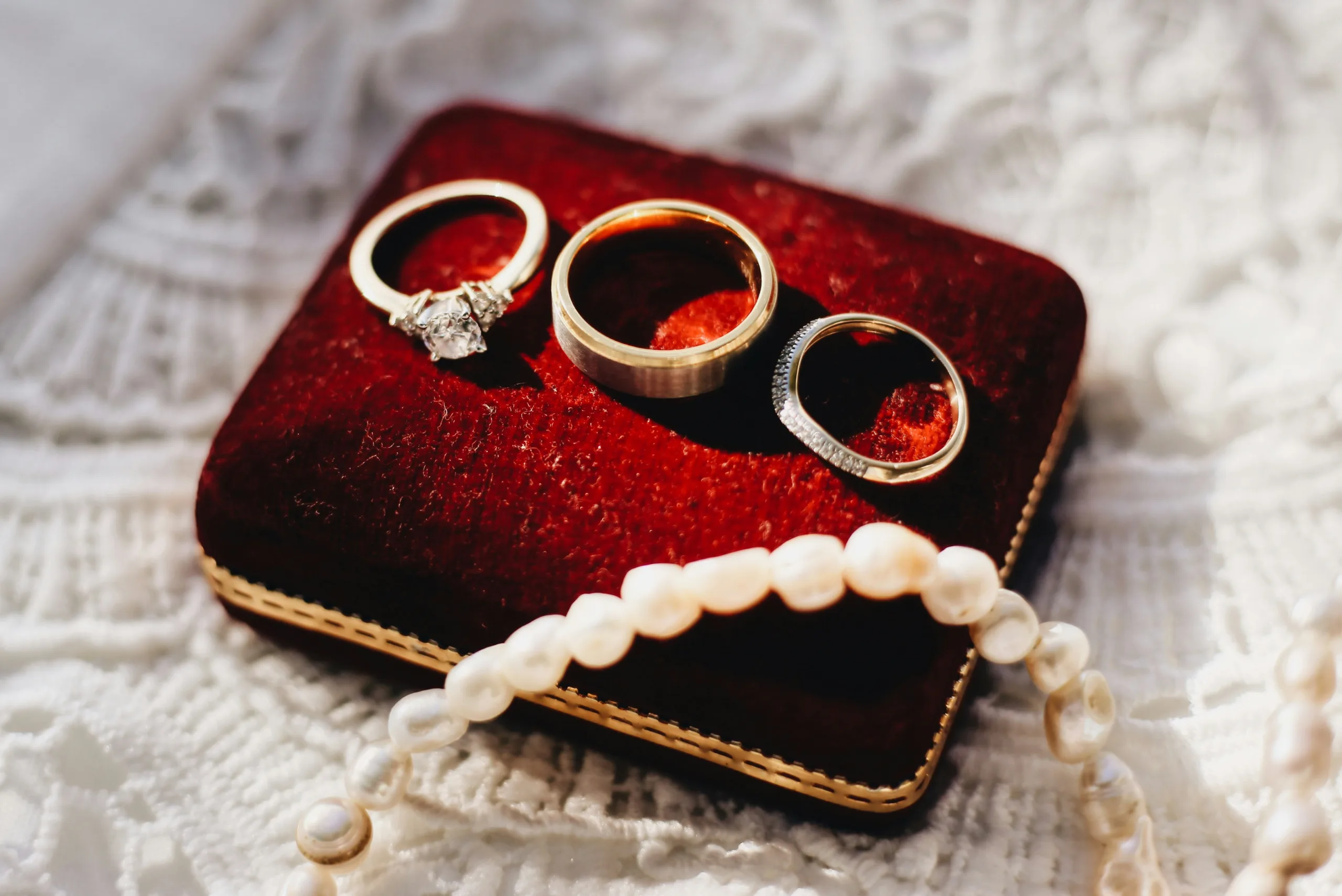
The way gold gleams, the cool reflectivity of silver, the understated luster of platinum – each metal possesses a unique visual signature. This is amplified when these metals are expertly crafted. Imagine a diamond engagement ring: the setting, often in platinum or gold, isn’t just there to hold the stone; it enhances its sparkle, creating a dazzling interplay of light. The subtle variations in hue, from rose gold’s warmth to white gold’s cool modernism, offer designers a diverse spectrum for storytelling.
The Tactile Connection
There’s a weight and a coolness to precious metals that simply feels luxurious. Holding a well-crafted silver bracelet or a weighty gold signet ring connects you to the material in a profoundly physical way. This tactile experience is an integral part of the luxury narrative, suggesting substance and a deliberate, meticulous creation process. It’s a grounding sensation, a reminder of the real world of craftsmanship beneath the allure.
The Sound of Substance
Even sound plays a role. The gentle “thunk” of a solid gold watch clasp, the subtle chime of a silver bell – these are understated auditory cues that confirm the object’s solidity and quality. While not always conscious, these sounds contribute to the overall sensory experience of luxury, reinforcing the impression of something well-made and substantial.
Heritage and Legacy: Weaving Time into Luxury
Precious metals are intrinsically linked to the passage of time, making them ideal vehicles for stories of heritage, lineage, and enduring value.
The Continuity of Generations
Jewelry made from gold or platinum is often passed down through families, carrying stories, memories, and a sense of connection to ancestors. This act of inheritance imbues the metal with an emotional depth that transcends its material worth. Owning a vintage Rolex with a gold case isn’t just about owning a watch; it’s about possessing a piece of history, a tangible link to previous owners and their lives.
Symbols of Achievement and Milestones
Historically, precious metals have been used to commemorate significant achievements, from royal decrees to personal triumphs. Think of a gold medal awarded for exceptional performance or an antique silver locket commemorating a significant anniversary. These objects become markers of personal history, interwoven with the narrative of individual success and celebration.
The Slow Burn of Value Appreciation
Unlike trends that rise and fall, the value of precious metals tends to appreciate slowly and steadily over long periods. This makes them symbols of enduring wealth and sound investment, aligning with the luxury narrative of long-term value and foresight. It’s a story of planting seeds for the future, a deliberate investment in enduring quality.

Craftsmanship and Artistry: The Human Touch on Precious Materials
The true magic of precious metals in luxury often lies not just in the metal itself, but in the skill and artistry required to transform it into something extraordinary.
The Master Craftsman’s Legacy
The creation of high-end jewelry, timepieces, or decorative objects from precious metals demands exceptional skill. Imagine the intricate engraving on a silver flask, the precise setting of diamonds in a gold pendant, or the meticulous polishing of a platinum watch case. These acts of craftsmanship are vital to the luxury narrative, celebrating human skill and dedication.
Bespoke Narratives in Metal
The ability to custom-design and create pieces from precious metals allows for deeply personal luxury narratives. A bespoke engagement ring, for instance, can be designed to tell the unique story of a couple’s relationship, with specific gemstones and engravings that hold personal meaning. This level of personalization elevates the object from a manufactured good to a unique, cherished artifact.
The Art of Alloying and Finishing
The subtle differences in gold alloys (rose, white, yellow) showcase the jeweler’s understanding of color and form. The way a jeweler polishes a platinum surface to achieve a specific sheen, or the intricate filigree work on a silver piece, all contribute to a narrative of meticulous attention to detail and artistic vision. Each choice is a brushstroke in a larger creative endeavor.
The Language of Status and Exclusivity
Precious metals have long been a universally recognized symbol of status and exclusivity, a silent code that communicates affluence and discernment.
A Global Lexicon of Value
Whether you’re in London, Tokyo, or Buenos Aires, the inherent value and symbolic meaning of gold and silver are understood. This global recognition makes them a convenient and powerful shorthand for communicating luxury and prestige across cultures.
The Circle of the Discerning
The acquisition of luxury goods crafted from precious metals often signifies entry into a particular social or economic sphere. It’s a subtle signal, a shared understanding among those who appreciate and can afford such items. This exclusivity is a key component of the luxury allure for many.
Beyond Ostentation: Understated Elegance
While overt displays of wealth are possible with precious metals, much of their luxury narrative lies in understated elegance. A well-made, classic gold watch or a simple silver cuff bracelet communicates refinement and good taste without being flashy. This subtlety is often more impactful and enduring in its portrayal of true luxury.
The Enduring Role: Why Precious Metals Remain Relevant
In an era of fast fashion and disposable goods, the enduring appeal of precious metals in luxury narratives is a testament to their intrinsic qualities and the stories they continuously tell.
A Counterpoint to Ephemerality
In a world where trends change rapidly, precious metals offer a sense of permanence. They are the antithesis of the disposable, providing a valuable anchor in a sea of fleeting fads. This solid, dependable presence is increasingly sought after.
The Evolution of Meaning
While the fundamental value of precious metals remains, their role in luxury narratives continues to evolve. We see a growing emphasis on ethical sourcing, sustainable practices, and the story behind the metal itself. This adds new layers to the narrative, appealing to a more conscious consumer.
The Unrivaled Combination
Ultimately, the enduring appeal of precious metals in luxury stems from their unrivaled combination of inherent worth, sensory pleasure, historical resonance, masterful craftsmanship, and symbolic power. They are not just materials; they are storytellers, weavers of legacies, and tangible embodiments of enduring quality, continuing to captivate and impress across generations.