High Jewelry vs. Fine Jewelry: How to Explain the Difference
May 31, 2026

So, you’ve heard the terms “high jewelry” and “fine jewelry” thrown around, and you’re probably wondering, what’s the big deal? Are they just fancy ways of saying “expensive” and “even more expensive”? Not quite! The difference, while sometimes subtle to the untrained eye, is substantial and goes far beyond price tags. In a nutshell, fine jewelry is everyday luxury – think excellent quality materials, skilled craftsmanship, and enduring style. High jewelry, on the other hand, is an art form. It’s about unique design, rare gemstones, exceptional artistry, and often, one-of-a-kind creations.
The Foundation: What is Fine Jewelry?
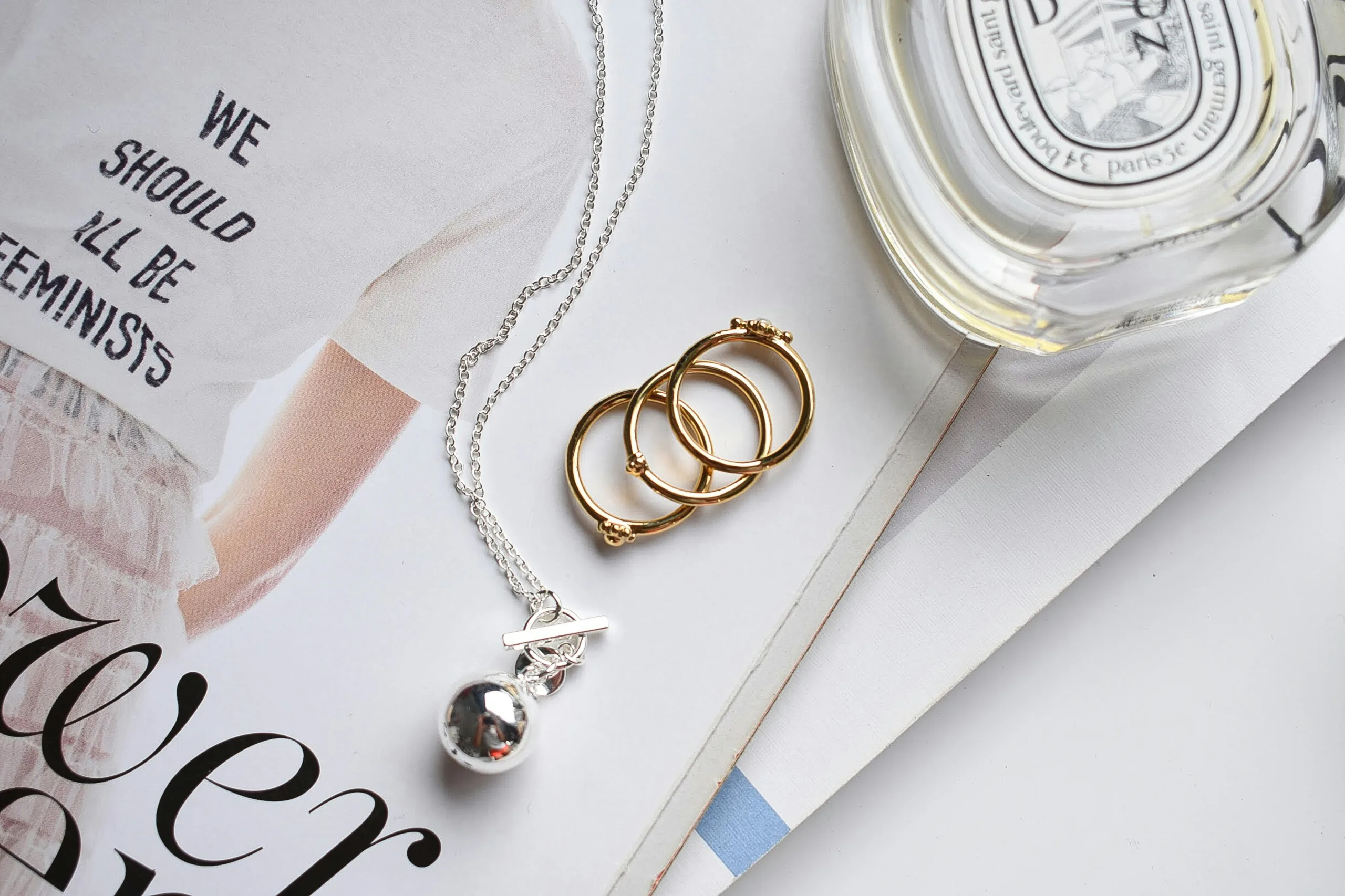
Let’s start with what most people are more familiar with. Fine jewelry is what you typically encounter in reputable jewelry stores, whether independent boutiques or established brands. It’s designed to be worn and cherished, often forming the core of a person’s jewelry collection.
Core Characteristics of Fine Jewelry
Fine jewelry is defined by its use of precious metals and genuine gemstones, crafted with a high level of skill to ensure longevity and beauty.
Precious Metals
When we talk about precious metals in fine jewelry, we’re primarily looking at gold, platinum, and sometimes palladium. These metals are chosen for their durability, resistance to tarnish, and inherent value.
- Gold (14K, 18K, 22K): The karatage indicates the purity of the gold. 14K and 18K are most common for durability and color. While 24K is pure gold, it’s too soft for most jewelry.
- Platinum: Known for its white luster, incredible strength, and hypoallergenic properties. It’s denser and more expensive than gold.
- Palladium: A member of the platinum group, it’s lighter than platinum and also used for white gold alloys. Less common than gold or platinum, but still considered a fine metal.
Genuine Gemstones and Diamonds
Fine jewelry features genuine gemstones and diamonds. This doesn’t necessarily mean they are flawless or incredibly rare, but they are natural.
- Diamonds: Graded according to the 4Cs (cut, color, clarity, carat weight). While fine jewelry will use good quality diamonds, they might not be perfect or of unique origin.
- Colored Gemstones: Rubies, sapphires, emeralds, aquamarines, amethysts, etc. The quality and rarity will vary, but they are always natural stones.
- Pearls: Natural or cultured pearls, chosen for their luster, shape, and surface quality.
Skilled Craftsmanship
While not bespoke, fine jewelry is well-made. Jewelers employ traditional techniques combined with modern tools to create pieces that are solid, well-finished, and comfortable to wear. The settings are secure, and the polish is smooth.
The Purpose of Fine Jewelry
Fine jewelry serves a few key purposes in our lives. It’s often the jewelry we wear every day or for special occasions.
Everyday Luxury
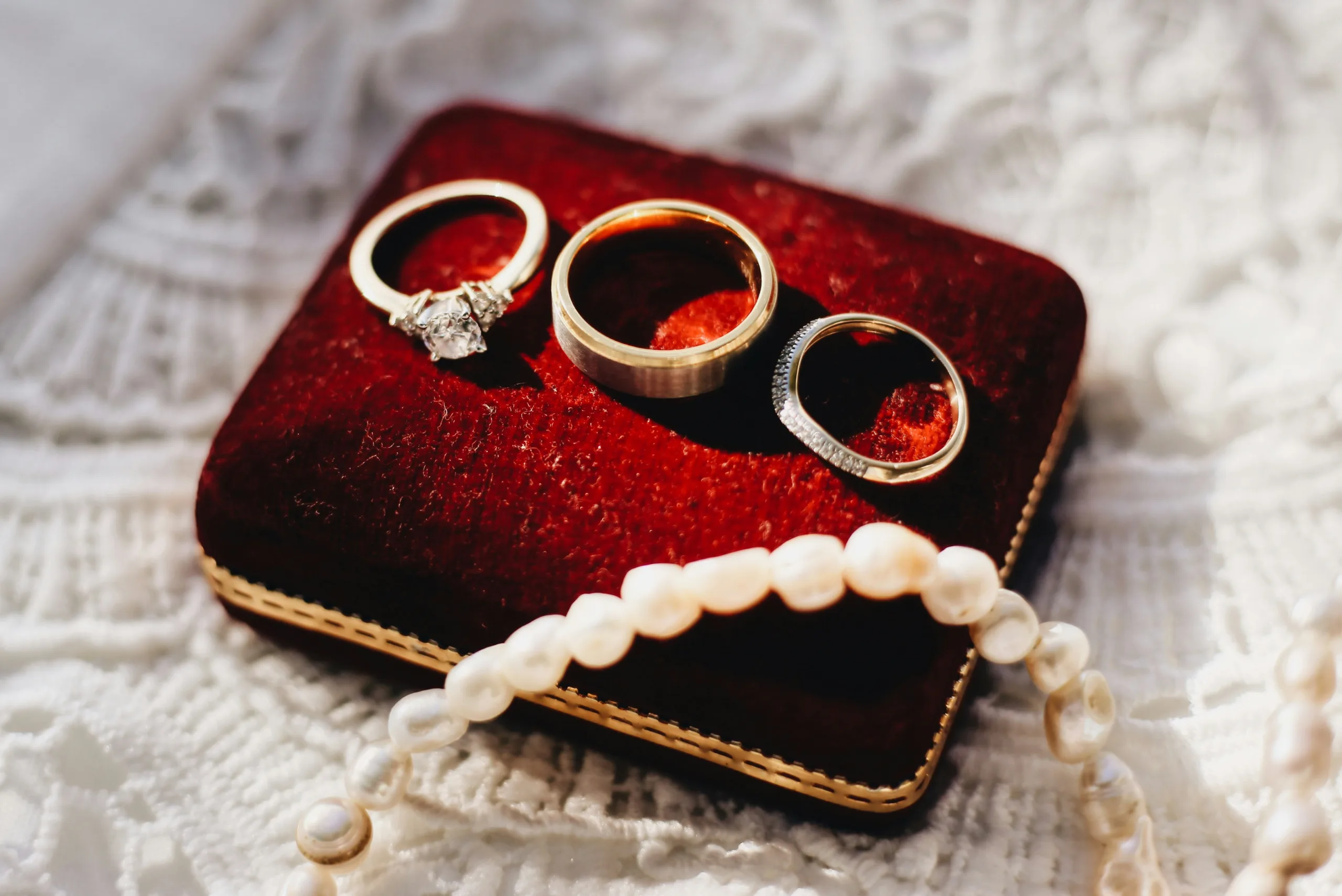
Think engagement rings, wedding bands, stud earrings, classic pendants, or a well-made tennis bracelet. These are pieces that withstand daily wear and remain beautiful.
Investment in Quality
While not expected to skyrocket in value like art, fine jewelry holds its intrinsic worth due to the materials used. It’s an investment in quality that can be passed down.
Gift-Giving and Milestones
Fine jewelry is a common choice for marking significant life events – graduations, anniversaries, birthdays, or celebrations of personal achievement.
Elevating the Art: What is High Jewelry?
Now, let’s step into the realm of high jewelry (sometimes called “Haute Joaillerie” in French, emphasizing its fashion-house connection). This is where jewelry transcends being merely an accessory and becomes a work of art, a collectible, and often a statement of unparalleled luxury.
Defining Characteristics of High Jewelry
High jewelry stands apart due to its exclusivity, unparalleled materials, and exceptional artistry.
Uniqueness and Exclusivity
High jewelry pieces are almost always one-of-a-kind or produced in extremely limited editions (sometimes just a handful globally). They are never mass-produced.
- One-of-a-Kind Creations: Each piece is often designed around a specific, exceptional gemstone, making it truly unique.
- Limited Editions: If not entirely unique, pieces are part of a meticulously numbered collection, adding to their rarity.
Exceptional and Rare Gemstones
This is perhaps the most obvious differentiator. High jewelry features gemstones that are not just genuine, but exceptionally rare, large, and of the highest possible quality.
- D-Flawless Diamonds: Diamonds are not just ‘good quality’ but often internally flawless, D-color (colorless), and of significant carat weight. They may also be rare fancy colors (pink, blue, yellow) of intense saturation.
- Mines of Origin: Sometimes the origin of the stone itself (e.g., Kashmir sapphire, Burmese ruby, Colombian emerald) adds to its rarity and value.
- Unusual Cuts and Settings: Gemstones might undergo custom cuts to perfectly fit a design, and settings are often invisible or incredibly intricate to highlight the stone.
Master Craftsmanship and Artistic Design
Here, craftsmanship isn’t just skilled; it’s master-level artistry. The design process is as much about artistic expression as it is about creating jewelry.
- Haute Couture of Jewelry: Just like haute couture in fashion, high jewelry pushes boundaries of design, creativity, and hand-craftsmanship.
- Years of Experience: The artisans working on high jewelry pieces have decades of experience, often specializing in specific techniques like stone setting, engraving, or enameling.
- Intricate Details: Every element, from the underside of a setting to the clasp, is meticulously finished, often with hidden details or articulated elements that allow the piece to move with the wearer.
- Transformable Pieces: Many high jewelry pieces are designed to be transformable, for example, a necklace that can be worn as a bracelet, or a brooch that doubles as a hair ornament. This adds to their versatility and ingenuity.
The Purpose of High Jewelry
High jewelry serves a different role than fine jewelry. It’s less about everyday wear and more about artistic expression, investment, and legacy.
Art and Collectibility
These pieces are often viewed as wearable works of art. They are exhibited, collected by connoisseurs, and sometimes even displayed in museums.
Statement of Luxury and Status
High jewelry clearly signals unparalleled luxury and an appreciation for the finest things in life. It’s seen on red carpets, at high-profile events, and among the world’s most discerning collectors.
Heritage and Legacy
Due to their exceptional quality, rarity, and artistic value, high jewelry pieces are often passed down through generations, becoming family heirlooms that represent a significant part of a family’s history and wealth. They are meant to last for centuries.
Key Differences Summarized: A Side-by-Side Glance
To make it even clearer, let’s look at the main distinctions side-by-side.
Production Volume and Exclusivity
This is one of the most straightforward distinctions.
Fine Jewelry: Mass-produced or Small Batch
- Designs are often replicated.
- Can be found in multiple stores.
- More accessible to a wider audience.
High Jewelry: One-of-a-Kind or Extremely Limited Edition
- Often bespoke or made for a specific event/collection.
- Only available through a select number of high-end boutiques or by private appointment.
- Rarely, if ever, seen on multiple people.
Material Quality and Rarity
While both use precious materials, the level of selection is vastly different.
Fine Jewelry: Good Quality, Genuine Materials
- Standard precious metals (14K/18K gold, platinum).
- Genuine gemstones (e.g., G-H color, VS clarity diamonds; commercial grade colored stones).
- Focus on consistency and widely available quality.
High Jewelry: Exceptional, Rare, and Investment-Grade Materials
- Highest purity metals, often custom alloys.
- Top-tier diamonds (D-F color, flawless/VVS clarity, exceptional cuts, significant carats).
- World’s rarest colored gemstones (e.g., unheated Burmese rubies, Kashmir sapphires, Colombian emeralds with exceptional saturation and clarity).
- Often sourced directly from mines or through expert gem dealers, with full provenance.
Design and Craftsmanship
This is where the artistic difference truly shines.
Fine Jewelry: Professional, Standardized Craftsmanship
- Focus on durability and classic, marketable designs.
- Good technical execution.
- Designs are often trends-driven or classic staples.
High Jewelry: Master, Artistic Craftsmanship
- Pushes boundaries of design, often incorporating unconventional elements or complex engineering.
- Involves specialized artisans (enamelers, engravers, master setters) working for hundreds, if not thousands, of hours on a single piece.
- Designs are often unique artistic expressions or narrative pieces, requiring immense creative vision.
Price Point
While both can be expensive, the scale is completely different.
Fine Jewelry: Accessible Luxury to Significant Investment
- Prices typically range from hundreds to tens of thousands, sometimes into the low hundreds of thousands for very large diamonds or complex pieces.
- Pricing is generally predictable based on material weight and gemstone quality.
High Jewelry: Extremely Exclusive Investment
- Prices start in the high tens of thousands and can easily extend into the millions or even tens of millions of dollars.
- The premium isn’t just for materials but for the rarity, design, artistry, brand heritage, and uniqueness. It’s priced as a work of art.
The Brands: Who Sells What?
Understanding which brands typically operate in each space can help solidify the distinction.
Brands Predominantly Associated with Fine Jewelry
These brands are widely recognized and offer a range of products that are accessible to a broader affluent market.
Established Retailers
- Tiffany & Co.: While they do have a high jewelry atelier, their bread and butter is fine jewelry – engagement rings, classic pendants, silver and gold collections.
- Cartier: Similar to Tiffany, Cartier has an immense high jewelry presence, but their love bracelets, tank watches, and trinity rings are iconic fine jewelry pieces.
- Van Cleef & Arpels: Known for their Alhambra collection and various other exquisite fine jewelry lines, though they also excel in high jewelry.
- Bulgari, Harry Winston, Chopard: All these brands have strong fine jewelry collections available globally.
Independent Jewelers
- Many reputable local or regional jewelers specialize in fine jewelry, offering custom pieces or curated collections.
Brands (or Divisions) Known for High Jewelry
This is where the most exclusive and artistic creations reside. Often, these are the same luxury houses mentioned above, but their high jewelry collections are separate entities.
Exclusive Ateliers
- Cartier High Jewelry: Their exhibition pieces, one-of-a-kind animal motifs, and historic re-creations fall into this category.
- Van Cleef & Arpels High Jewelry: Their “secret watches,” transformable pieces, and narrative collections featuring rare gems.
- Harry Winston “Winston Cluster” and “Rare Jewels”: Defined by exceptional stones and the signature Harry Winston aesthetic.
- Chaumet, Boucheron, Graff: These brands are almost exclusively associated with high jewelry due to their focus on extraordinary diamonds and gemstones and intricate designs.
- Chanel, Dior, Louis Vuitton High Jewelry: Fashion houses that have successfully entered the high jewelry market, bringing their unique aesthetic and storytelling to exceptional gems and craftsmanship.
These high jewelry pieces are only presented to a select clientele, often by appointment, and are sometimes unveiled at exclusive events like Paris Couture Week.
Final Thoughts: It’s About Intent and Execution
Ultimately, the difference between fine jewelry and high jewelry boils down to intent and execution. Fine jewelry is crafted with precision and quality materials for enduring beauty and everyday (or frequent) wear. It’s built to last and be enjoyed. High jewelry, however, is created as an artistic statement. It’s about pushing the boundaries of design, showcasing the rarest and most magnificent gemstones, and demonstrating unparalleled mastery in craftsmanship. It’s less about practicality and more about extraordinary beauty, unique conceptualization, and enduring legacy.
So, next time you hear these terms, you’ll know it’s not just about spending more money. It’s about stepping into a different league entirely – from luxury accessory to wearable art. Both have their place and their immense value, but they appeal to different aspirations and fulfill different roles in the world of personal adornment and collecting.