The Role of Motorsport Heritage in Supercar Branding
May 31, 2026
So, what’s motorsport heritage got to do with supercar branding? In short: a whole lot. It’s not just a nice-to-have; it’s a fundamental pillar for many, if not most, top-tier supercar brands. This history provides a deep well of credibility, performance legitimacy, and aspirational stories that are incredibly difficult, and expensive, to build from scratch. It tells customers, “We don’t just say our cars are fast and capable, we’ve proven it on the world’s toughest circuits.”
It’s tempting to think supercar buyers only care about raw numbers – horsepower, 0-60, top speed. While those are definitely part of the equation, they’re not the whole story. Motorsport heritage adds layers of meaning that purely technical specs can’t.
Credibility and Authenticity
When a brand like Ferrari talks about their V12, it’s not just an engine; it’s a direct lineage to countless racing victories. This isn’t marketing fluff; it’s demonstrable history. Buyers aren’t just getting an expensive car; they’re buying into a proven legacy of performance engineering. They know the brand’s engineers have pushed the boundaries, not just in design studios, but on track, under extreme pressure. This authenticity is a powerful draw in a market where many products are merely aspirational.
Engineering Provenance
Racing is the ultimate test bed. What works on the track often finds its way, sometimes in a slightly diluted form, into road cars. Think about aerodynamic principles, advanced cooling systems, high-revving engine durability, or even just the feel of a race-honed chassis. When a supercar brand has a motorsport background, it implies that its engineering decisions, materials choices, and overall design philosophy are rooted in performance and reliability under duress. This is a subtle but strong message that resonates with informed buyers.
Aspirational Storytelling
Humans love stories, and supercar buyers are no different. Motorsport heritage provides a rich tapestry of tales: legendary drivers, iconic races, dramatic wins, and even valiant losses. These stories transform a car from a collection of parts into something with soul and a narrative. Owning a car from a brand with a deep racing history allows the owner to connect, even tangentially, to these triumphs and the spirit of competition. It’s not just about what the car is; it’s about what it represents.
How Brands Leverage Their Racing Past
It’s one thing to have a motorsport history; it’s another to effectively integrate it into the brand’s contemporary identity. Brands use a variety of strategies to keep their racing legacy alive and relevant.
Naming Conventions
This is one of the most direct ways. Look at names like Lamborghini Gallardo (after a famous bull breed, reflecting their emblem and fighting spirit often associated with aggression and speed), or Ferrari’s numerous “Speciale” or “Challenge” models that directly reference their racing programs. Enzo Ferrari himself said, “The Ferrari is an automobile, a race car, a dream.” Names often tie into this dream.
Historical Figures and Events
Naming a model after a legendary driver (e.g., Schumacher, Senna) or a pivotal race (e.g., Le Mans, Targa Florio) immediately evokes that history and imbues the car with shared prestige. It provides instant recognition and emotional resonance for those familiar with the sport.
Technical Terms
Sometimes, the naming convention refers to a specific technical element honed in racing, like “GT” (Grand Touring) or “LM” (Le Mans). These terms immediately signal a certain level of performance and endurance, directly stemming from their motorsport application.
Design Cues and Aesthetics
Even without an explicit mention, design often subtly (or not so subtly) pays homage to earlier racing exploits.
Aerodynamic Influences
Many modern supercar designs, with their aggressive diffusers, prominent wings, and carefully sculpted bodywork, carry a direct lineage from their racing counterparts. These aren’t just for show; they’re functional elements that first proved their worth on the track. Think of the active aero first explored in racing, now appearing on road cars.
Interior Ergonomics
The cockpit of a supercar often mirrors race car design in its driver-focused layout, use of lightweight materials, and placement of controls. Flat-bottomed steering wheels, highly bolstered seats, and clear, concise instrument clusters are all elements often borrowed from motorsport to enhance the driving experience and connectivity.
Liveries and Paint Schemes
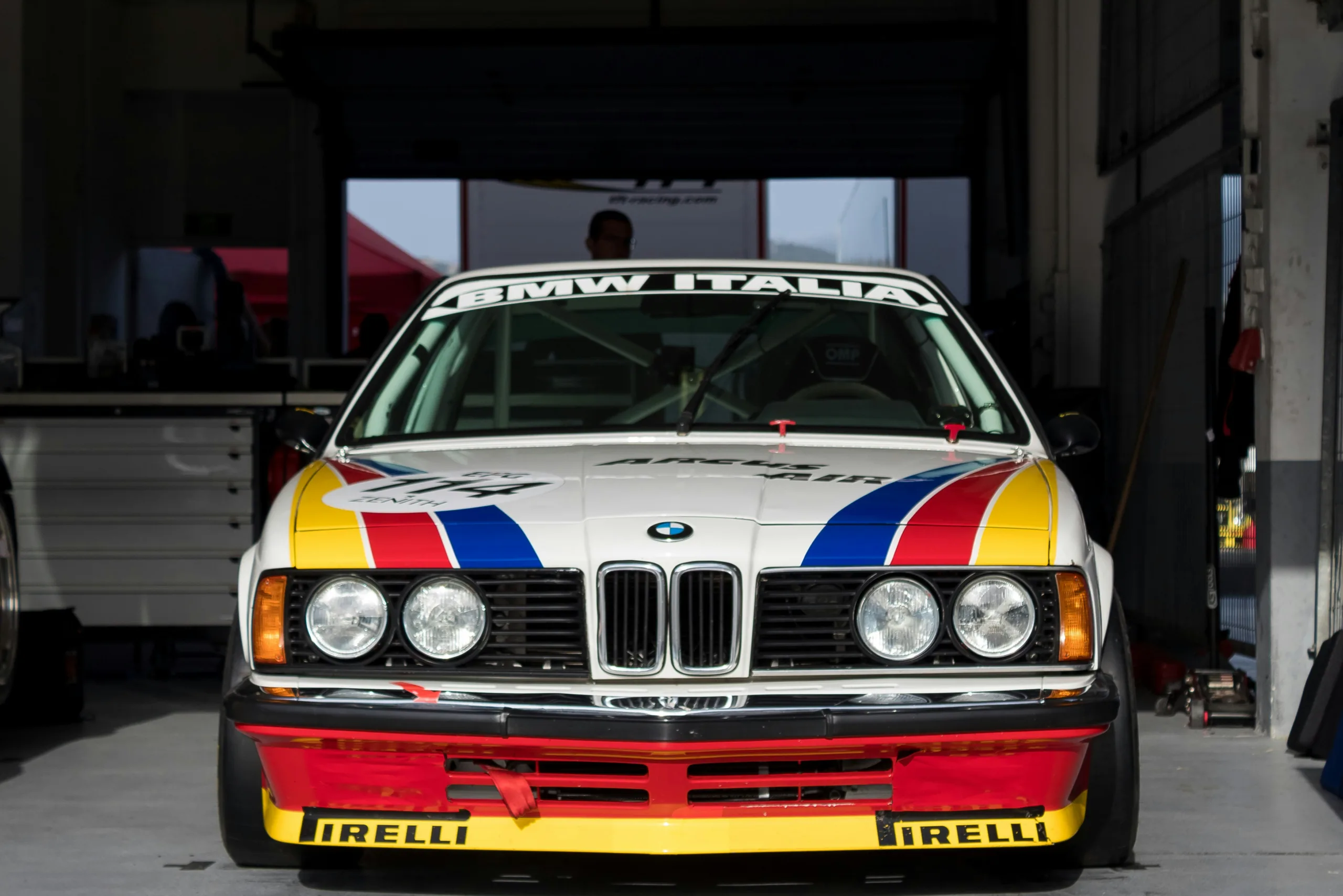
Special edition models often resurrect iconic racing liveries, like Gulf Oil’s light blue and orange, or specific national racing colors (e.g., Ferrari’s Rosso Corsa). This visual link is incredibly powerful, instantly transporting the viewer back to legendary eras of racing. Even without full liveries, specific color choices or stripes can subtly hint at this heritage.
Limited Editions and Homologation Specials
These cars are prime examples of how heritage is not just celebrated but actively used.
Direct Track-to-Road Transfers
Homologation specials are fundamentally road cars built for the sole purpose of meeting racing regulations. Think of cars like the Porsche 911 GT1 or various Ferrari GTO models. These are practically race cars detuned for the road, offering an unparalleled level of connection to genuine motorsport engineering. They are a tangible link.
Celebrating Milestones
Anniversary editions commemorate significant racing victories or achievements. These cars often feature unique design elements, upgraded performance, and exclusive badging to mark the occasion, reinforcing the brand’s long-standing connection to winning. They are a way for the brand to remind everyone of their glory days.

The Financial and Perceptual Benefits
This isn’t just about feeling good; there are tangible business advantages to a strong motorsport heritage.
Higher Resale Value and Collectibility
Supercars from brands with rich racing histories often command higher prices on the secondary market. Their provenance isn’t just a marketing story; it translates into tangible value because of their perceived rarity, historical significance, and inherent desirability.
Scarcity and Pedigree
When a limited-edition model directly ties into a racing victory or an important era, its scarcity is compounded by its unique pedigree. Collectors aren’t just buying a car; they’re acquiring a piece of automotive history. This means they hold their value incredibly well, sometimes appreciating significantly.
Investment Potential
For some buyers, a supercar isn’t just a toy; it’s an investment. Brands with strong racing heritage often provide a safer bet for appreciation, as their historical significance acts as a buffer against market fluctuations. This reputation isn’t built overnight, it’s decades of consistent performance.
Brand Loyalty and Community
Motorsport heritage fosters a profound sense of loyalty among owners and enthusiasts. It creates a shared passion and a community around the brand that extends beyond simply owning a car.
Dedicated Fanbase
People don’t just buy a Ferrari; they join the Ferrari community, a global network of enthusiasts with shared values and a deep appreciation for the brand’s racing triumphs. Events like Ferrari Challenge Series or Porsche Carrera Cup aren’t just races; they’re extensions of the brand identity that foster extreme loyalty.
Emotional Connection
The stories and legends built through motorsport create an emotional bond that transcends rational decision-making. People don’t just admire the engineering; they admire the spirit, the resilience, and the relentless pursuit of victory that defines these brands. This emotional resonance is incredibly powerful and hard to replicate.
Competitive Differentiation
In a crowded and increasingly competitive supercar market, heritage is a unique selling proposition that’s difficult for newer entrants to replicate.
Established Legacy vs. Newcomer
A startup supercar company, no matter how innovative, can’t instantly acquire the decades of racing lore that a brand like McLaren or Aston Martin possesses. This historical depth offers an immediate advantage in terms of perceived trustworthiness and performance credentials. It’s the difference between a legacy brand and a brand that needs to prove itself again and again.
Proof of Performance
While modern supercars are often incredibly capable, the motorsport past acts as irrefutable proof of concept. It tells customers, “We’ve been doing this for a long time, and we’ve been doing it at the highest level.” This track record provides confidence that new models will also deliver on their promises of extreme performance.

The Challenges of Modernizing Heritage
While heritage is a massive asset, it’s not without its complexities, especially as the automotive world shifts towards electrification and new technologies.
Balancing Tradition and Innovation
How do you invoke the spirit of a naturally aspirated V12 racing car when your new flagship is an all-electric hypercar? This is the tightrope many heritage brands are walking.
Adapting Iconic Sounds and Feel
The visceral experience of a supercar is heavily tied to its engine. As electrification progresses, brands must find new ways to deliver exhilarating sensations that feel authentic to their heritage, even without traditional engine noise. This might involve carefully crafted artificial sounds or emphasizing new aspects of performance, like instant torque.
Design Language Evolution
While historic cues are important, brands can’t simply make retro cars. They need to evolve design in a way that respects the past but clearly signals forward momentum. This means interpreting classic lines and functional elements in a contemporary context, ensuring the cars look both familiar and futuristic.
Engaging New Generations
Younger buyers might not have the same nostalgic connection to past racing glories. Brands need to find ways to make heritage relevant to them.
Digital Storytelling
Leveraging social media, immersive virtual experiences, and engaging video content can bring historical races and legendary drivers to life for new audiences. This allows them to explore the history on their own terms, making it feel fresh and exciting, rather than dated.
Motorsport Adaptations
Participating in new forms of motorsport, like Formula E or endurance racing with hybrid powertrains, can demonstrate a commitment to future technologies while still embodying the competitive spirit of the brand. This shows that their heritage is not static, but a living, evolving entity.
In conclusion, motorsport heritage is far more than a marketing gimmick for supercar brands. It’s the bedrock of their credibility, the wellspring of their engineering prowess, and the source of deeply compelling stories that resonate with buyers. It creates value, fosters loyalty, and provides a distinct competitive edge that is nearly impossible to replicate. While the industry evolves, the challenge – and opportunity – for these brands lies in continually reinterpreting this rich past to inspire and excite future generations of enthusiasts.