Supercar Interiors as Luxury Design Statements
May 31, 2026

Supercar interiors have transformed from purely functional spaces into elaborate luxury design statements. Think of it this way: you’re not just buying a car; you’re investing in a rolling piece of art where every detail is meticulously crafted to evoke emotion, status, and an unparalleled driving experience. This isn’t about plush seats alone; it’s about how materials, technology, and ergonomics converge to create a personal sanctuary of extreme performance and refined taste.
The supercar interior of yesteryear was a different beast. Often, it was about raw functionality, a spartan environment designed to keep the driver focused on the primal task of manhandling a powerful machine. Think exposed metal, basic gauges, and seats that prioritised holding you in place during G-force assaults over anything remotely resembling comfort. There wasn’t much room for artistic expression, as the engineering demands of immense power and speed took absolute precedence. Early sports cars and even some pioneers in the supercar realm prioritized lightweighting and minimal distraction.
From Utilitarianism to Unadulterated Indulgence
As technology advanced and the automotive landscape diversified, the definition of a supercar began to broaden. Performance remained paramount, but the expectation for a luxurious and sophisticated experience within these high-performance machines grew. Manufacturers realized that the visceral thrill of driving a supercar shouldn’t come at the expense of comfort or aesthetic appeal. Customers expected their exotic machines to reflect their success and discerning taste, not just their enthusiasm for speed. This shift marked the beginning of genuinely designing the interior as a key component of the overall supercar proposition.
The Rise of Bespoke Craftsmanship
The key to this evolution has been the increasing emphasis on bespoke craftsmanship. Gone are the days when a supercar interior was simply a mass-produced cabin with a few sporty touches. Today, every element is scrutinized, from the stitching on the leather to the precise milling of a metal dial. This granular attention to detail is what elevates a supercar interior from merely expensive to genuinely luxurious. It’s the invisible hand of skilled artisans that transforms raw materials into tactile sculptures, creating an environment that feels as exclusive as the car itself.
Material Alchemy: More Than Just Leather and Carbon Fiber
When we talk about supercar interiors, the materials used are a huge part of the story. It’s not just about using expensive stuff; it’s about how those materials are selected, treated, and integrated to create a specific sensory experience. Think beyond just the softness of leather; consider its origin, its tanning process, and how it feels under your fingertips. This is where the “design statement” truly begins to take shape.
The Tactile Symphony of Natural Materials
Leather, of course, remains a cornerstone. But in a supercar, it’s rarely just a standard hide. We’re talking about full-grain aniline leather, sourced from premium tanneries, often with a natural grain that whispers quality rather than shouting it. The scent of properly treated leather is a sensory cue that instantly communicates luxury. Then there’s Alcantara, a synthetic sueded microfiber that offers a unique tactile grip and a sophisticated matte finish, perfect for steering wheels and dashboard inserts where direct contact is frequent. Its ability to manage heat and provide a consistent feel in varying temperatures also contributes to its practical luxury.
The Bold Statement of Exotic Composites
Carbon fiber is another material that has become synonymous with high performance and, by extension, luxury in supercars. It’s light, strong, and visually striking. But in a supercar interior, it’s not just slapped on haphazardly. It’s often woven with intricate patterns, presented in gloss or matte finishes, and sometimes even subtly tinted to complement the exterior paintwork. The way the light plays off its surface, highlighting the complex weave, is a deliberate design choice. We also see other advanced composites, like forged carbon fiber, which offers a more abstract, marbling effect, adding a unique artistic touch.
The Subtle Nuances of Metalwork and Finishes
Metalwork in supercar interiors is also elevated. It’s not just about chrome. Think brushed aluminum, polished titanium, or even precious metals like gold or platinum used sparingly for accents. The feel of a cool, solid metal switch or dial is a tactile confirmation of quality. Even the smallest details, like the knurling on a rotary selector or the precision machined edges of a vent surround, demonstrate an obsessive commitment to detail. Anodized finishes offer durability and a rich, deep color that often surpasses paint for interior applications.
Ergonomics as Art: The Driver’s Command Center
A supercar interior isn’t just about looking good; it has to feel right. The driver is at the absolute center of the design, and every element is oriented around their experience. This is where ergonomics seamlessly blend with artistry. The goal is to create a space that inspires confidence and control, even at extreme speeds.
Optimizing the Driving Position
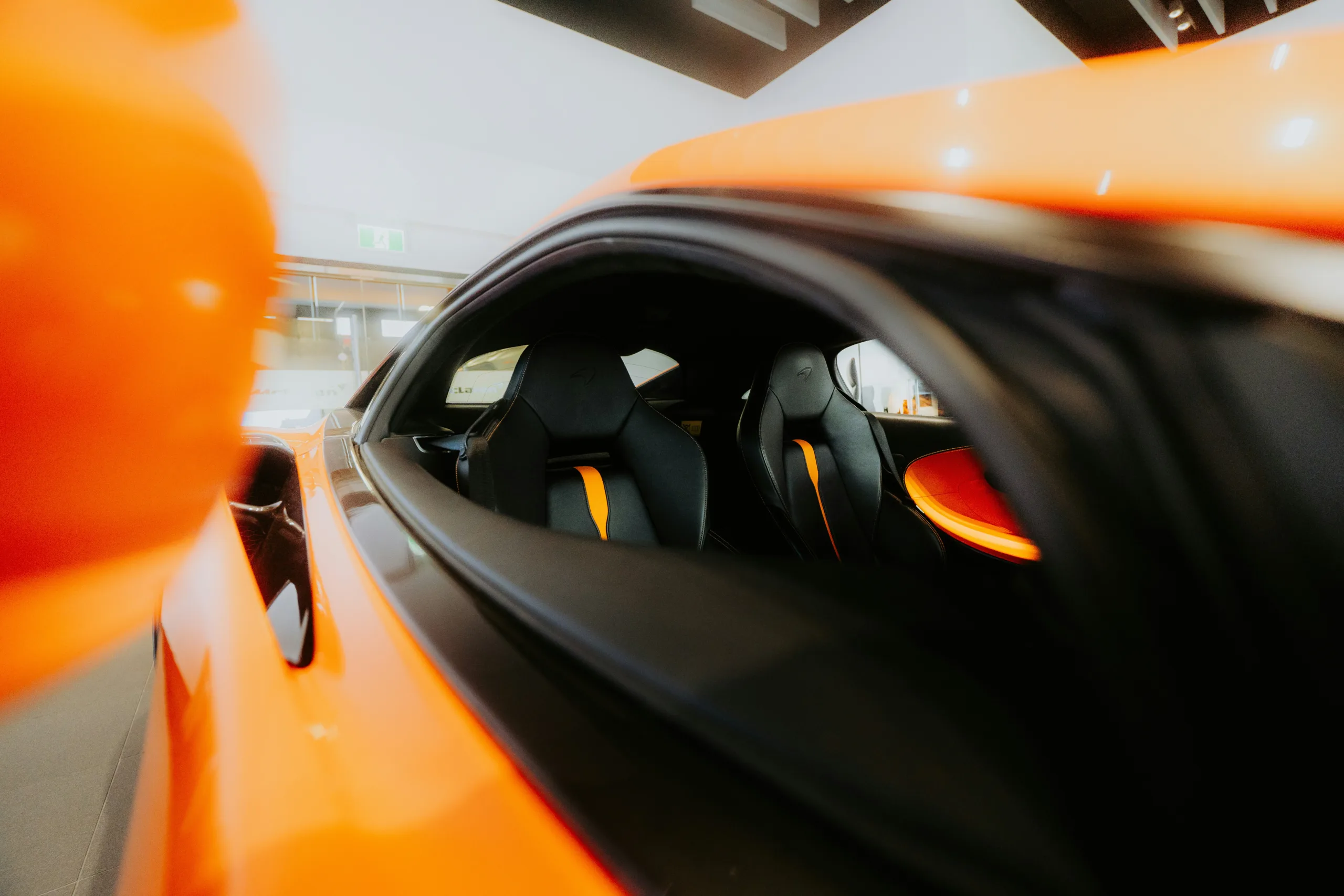
The perfect driving position is subjective, but in a supercar, it’s a meticulously engineered compromise. Seats are sculpted to hug the body, providing support during spirited driving without being restrictive for longer journeys. The adjustability is often extensive, allowing drivers of all sizes to find their ideal position. Pedal placement is critical, ensuring natural foot movement, and the steering wheel is designed to be held comfortably for extended periods, with intuitive control placement. The height of the dashboard and the placement of key information are all considered to minimize distraction and maximize focus.
Intuitive Control Layouts
The arrangement of controls is a masterclass in prioritizing essential functions. While modern supercars are packed with technology, the most critical controls – those needed for immediate driving adjustments – are often within easy reach and have a distinct tactile feel. Think of prominent buttons for drive modes, suspension settings, or traction control. These aren’t buried in menus; they are presented as proud elements of the cabin’s architecture. The haptic feedback on touchscreens also plays a role, providing a physical confirmation of input that mimics traditional buttons.
The Visual Connection to the Outside World
Despite being an enclosed space, a supercar interior often fosters a strong connection to the outside world. The window lines are typically designed to offer good visibility without compromising the car’s aesthetics or aerodynamics. The placement of mirrors and the overall transparency of the cabin contribute to a feeling of openness and awareness. This is a delicate balance; too much glass can detract from the focused, cocooning feel, while too little can feel claustrophobic.

Technological Integration: Seamlessly Blending Form and Function
The integration of technology in supercar interiors has moved beyond just screens and buttons. It’s about how that technology enhances the driving experience and complements the overall luxury design, rather than feeling tacked on or intrusive. The goal is to make advanced features feel intuitive and almost invisible until they are needed.
Advanced Infotainment and Driver Displays
Digital instrument clusters are now standard, offering customizable displays and crystal-clear graphics. These aren’t just static readouts; they can dynamically display navigation, media information, and performance data in a way that’s visually engaging and easy to digest. Infotainment systems are becoming more powerful, with large touchscreens often integrated seamlessly into the dashboard. However, the emphasis is on intuitive user interfaces that don’t demand excessive visual attention while driving. The graphics themselves are often designed with a modern, sharp aesthetic that echoes the car’s performance.
Ambient Lighting and Mood Setting
Ambient lighting is no longer just a few LEDs. In modern supercars, it’s a sophisticated system that can be customized to a driver’s preference. It can highlight specific design elements, create a sense of occasion, or even subtly change color based on the selected driving mode. The quality of the light emitted, its diffusion, and its integration into the interior architecture are all part of the design statement, contributing to the overall atmosphere. Think of illuminated logos, light strips tracing body lines, or subtle glows emanating from key control areas.
Sound Design: The Auditory Luxury
While not strictly visual, the soundscape of a supercar interior is a crucial design element. This encompasses both the engine note – carefully engineered to be exhilarating – and the sound system. High-end audio systems are often integrated with acoustic perfection in mind, with speakers seamlessly hidden within the door panels or dashboard. The aim is to deliver a rich, immersive audio experience that complements the driving dynamics, whether it’s the roar of the V12 or a perfectly reproduced symphony. Active noise cancellation also plays a role in isolating the cabin from unwanted road noise, allowing the curated sounds to take prominence.

The Art of Personalization: Making it Truly Yours
One of the hallmarks of a true luxury design statement is the ability to imprint one’s personal style onto the object. Supercar manufacturers understand this deeply, offering extensive personalization options that allow buyers to create an interior that is as unique as their fingerprint. This isn’t just about picking a color; it’s about a collaborative design process.
Bespoke Color Palettes and Material Combinations
Beyond the factory-offered options, many manufacturers allow for almost limitless customization of colors and materials. This can involve matching a specific exterior paint to interior stitching, selecting from an extensive library of leather hides and exotic woods, or even incorporating personal monograms or emblems. The skilled design teams work with buyers to guide them through these choices, ensuring a cohesive and aesthetically pleasing outcome. The ability to specify unusual material pairings, like a rugged tweed used for seat inserts against polished aluminum trim, showcases a willingness to push creative boundaries.
Tailored Trim and Accent Details
The smallest details can make a significant difference. Buyers can often choose from various wood veneers, carbon fiber weaves, or metallic finishes for dashboard inserts, door panels, and center consoles. Even the type of stitching – from a simple cross-stitch to intricate geometric patterns – can be specified. Some brands go as far as offering hand-painted motifs or illuminated sill plates with custom lettering. These personalized touches transform the interior from something generic into a deeply personal space.
The Long-Term Value of Individuality
Opting for extensive personalization not only makes the car more expressive but also adds to its long-term desirability and uniqueness. A supercar interior that has been meticulously tailored to the owner’s preferences becomes a true reflection of their taste and lifestyle, making it more than just a mode of transportation – it’s an extension of their identity. This can indirectly influence resale value, as well-maintained and uniquely customized vehicles often attract discerning buyers.
Beyond Aesthetics: The Functional Luxury Factor
While the visual and tactile aspects are undeniable, a supercar interior’s luxury design statement is also underpinned by a profound sense of functional luxury. This means that every element isn’t just beautiful; it’s also designed to make the driver’s life easier, more comfortable, and ultimately, more enjoyable.
Climate Control and Seating Comfort
Advanced climate control systems that can independently manage temperature for the driver and passenger are standard. These systems are often integrated with sophisticated air filtration to ensure the cabin air is always fresh and pure. Heated, ventilated, and massaging seats are common, further enhancing comfort, especially on longer journeys or in extreme weather conditions. The subtle integration of these features, where buttons are discreet and the technology operates silently, contributes to the overall sense of refined luxury.
Storage and Practicality within the Performance Envelope
While practicality is not the primary driver, even storage solutions in supercars are designed with a touch of luxury. Hidden compartments, cleverly integrated cup holders, and meticulously lined glove boxes offer convenient places to stow essentials. The materials used for these storage areas are often as premium as the rest of the interior, ensuring no compromise on the overall luxuriant feel. Even the trunk liner might be made of high-quality carpet.
The Quiet Sanctuary of Speed
Perhaps the most understated aspect of functional luxury is the creation of a quiet sanctuary. Despite the immense power lurking beneath the hood, the interior is often remarkably well-insulated from road noise and wind buffeting. This is achieved through advanced acoustic engineering, high-quality seals, and the judicious use of sound-deadening materials. This allows occupants to converse naturally, enjoy their audio system, or simply appreciate the refined ambiance without being overwhelmed by the car’s performance potential. It’s a space where extreme forces can be experienced, yet a sense of calm and control is maintained.
Supercar interiors, therefore, are far more than just a place to sit. They are meticulously designed environments that blend cutting-edge technology with age-old craftsmanship, utilizing premium materials and ergonomic excellence to create a truly immersive and personal luxury experience. Each stitch, each curve, each illuminated dial is a deliberate stroke in a grand design, making the interior as much a part of the supercar’s allure as its legendary performance.