Supercars in Marbella, Monaco and Dubai: Lifestyle Contexts
May 31, 2026

If you’ve ever wondered why you see so many supercars in places like Marbella, Monaco, and Dubai, it boils down to two main factors: wealth concentration and lifestyle alignment. These cities are magnets for high-net-worth individuals, which naturally translates into a visible display of luxury, and supercars are a prime example of that. It’s not just about showing off; it’s about a culture where extreme wealth is normalized, and these vehicles fit right into a broader ecosystem of luxury living, prestigious events, and often, an excellent climate for driving.
Marbella, Monaco, and Dubai consistently pop up in discussions about supercar hotspots, and it’s not by accident. While wealth exists everywhere, these locations offer a unique combination of factors that make them particularly appealing to supercar owners. Think of them as dedicated territories where luxury living isn’t just common, it’s the standard.
Economic Landscapes and Wealth Magnets
These cities are designed, by and large, to attract and cater to the ultra-rich. This isn’t just about high-end real estate; it’s about the entire economic framework. They offer favourable financial environments, world-class amenities, and a sense of exclusivity that appeals to a specific demographic.
Tax Havens and Business Hubs
Monaco, famous for its lack of income tax for residents, and Dubai, with its tax-free zones and relatively low taxation, naturally draw individuals looking to minimize their financial burden. Marbella, while part of Spain, offers a lifestyle that aligns with similar aspirations among a significant expat community. This concentration of wealth, where disposable income is substantial, directly fuels the luxury market, supercars included. These aren’t just places to live; they’re places to conduct global business, making them practical bases for the financially astute.
Investment Opportunities and Stability
Beyond tax incentives, these regions often present attractive investment opportunities, whether in real estate, finance, or burgeoning industries. Dubai’s rapid development and ambitious projects continually draw capital, while Monaco’s stability and prestige make it a secure haven for assets. Marbella, particularly in luxury tourism and property, also offers robust investment potential. This financial buoyancy reinforces their magnetism for high-net-worth individuals, ensuring a continuous influx of potential supercar owners.
Lifestyle Alignment: More Than Just Money
It’s not just about having the money; it’s about having the lifestyle that makes owning a supercar practical and enjoyable. These places offer more than just an address; they offer a way of life designed around luxury and leisure.
World-Class Infrastructure and Amenities
From pristine roads built to handle high-performance vehicles to an abundance of luxury services, these cities are equipped to handle the demands of supercar ownership. Think about the availability of specialised mechanics, detailing services, and secure, high-end parking facilities. It’s an entire ecosystem built around supporting a luxury lifestyle, where a supercar seamlessly integrates rather than stands out as an anomaly. This infrastructure isn’t just practical; it contributes to the overall desirability of these locations for those who appreciate fine things.
Prestige, Events, and Social Status
Owning a supercar in Marbella, Monaco, or Dubai isn’t just about personal enjoyment; it’s often a symbol of status and an entry point into certain social circles. These locations host a plethora of prestigious events, from the Monaco Grand Prix to luxury yacht shows, where supercars are not just present but expected. They are conversation starters, networking tools, and often, extensions of personal brands. The social cachet associated with these vehicles in these particular settings is undeniable.
The Cultural Fabric: Supercars as Norms
In many parts of the world, a supercar is a rare sight, drawing stares and camera phones. In Marbella, Monaco, and Dubai, while still impressive, they are a much more integrated part of the daily landscape. This normalisation changes the perception and role of these vehicles.
Everyday Sightings and Local Expectations
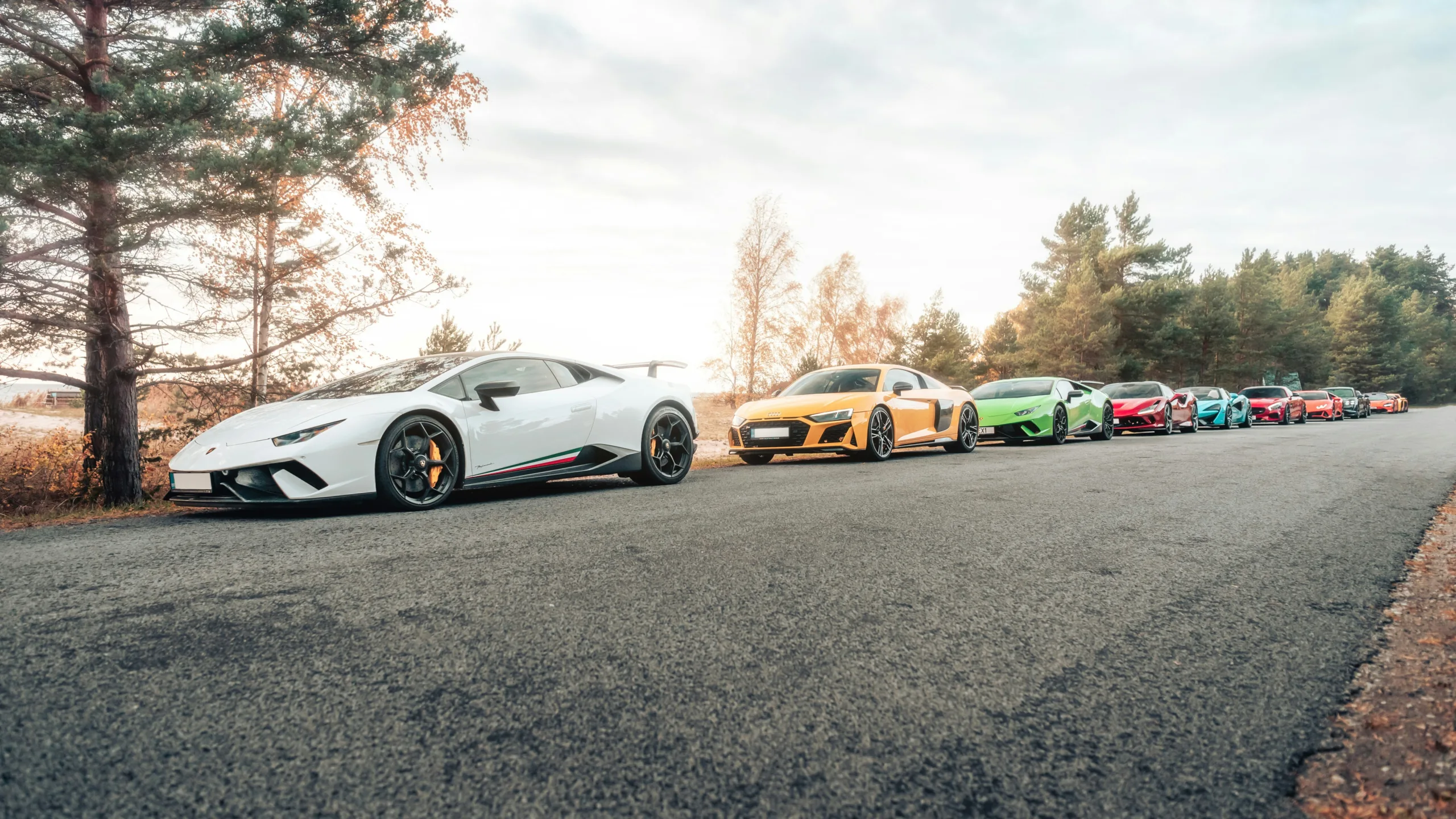
Unlike smaller towns where a Ferrari might only be seen once a month, in these locations, it’s not uncommon to see multiple high-end vehicles lined up at a traffic light, parked outside a coffee shop, or cruising down the main thoroughfare. This sheer volume desensitises both residents and visitors to their presence to some extent.
The “Car Spotting” Phenomenon
Despite their relative commonness, the sheer diversity and exclusivity of cars on display in these cities fuels a vibrant “car spotting” culture. Tourists and enthusiasts flock to these locations specifically to witness the automotive spectacle. Places like Casino Square in Monaco or JBR in Dubai become open-air car shows, illustrating that even when common, the allure of these machines doesn’t completely fade. This phenomenon highlights a unique cultural aspect where appreciating these vehicles becomes a shared pastime.
Integration into Daily Life
For residents who own them, supercars aren’t just weekend toys. While some might be garaged for special occasions, many are driven daily. The fantastic road networks, generally good weather conditions, and relative lack of congestion (outside of peak tourist seasons) make them perfectly viable for routine errands, dining out, or even commuting. This functional integration differentiates these locations from others where supercars might be considered impractical or even ostentatious for everyday use.
The Role of Tourism and Perception
Tourism plays a huge role in perpetuating the supercar image of these cities. Visitors come expecting to see these cars, and locals understand this expectation. It’s a self-fulfilling prophecy that contributes to the unique automotive identity of these places.
Marketing and Branding
The image of supercars cruising along the coast or parked outside opulent hotels is heavily utilised in the marketing and branding of Marbella, Monaco, and Dubai as luxury destinations. These cars become visual shorthand for the aspirational lifestyle on offer, drawing in even more high-net-worth individuals and luxury tourists. They are an intrinsic part of the allure these destinations project.
Photo Opportunities and Social Media
The prevalence of supercars fuels a massive amount of user-generated content on social media. Influencers, tourists, and car enthusiasts constantly post photos and videos of these vehicles, further amplifying their visibility and reinforcing the perception of these cities as supercar playgrounds. This digital footprint plays a significant role in maintaining their global reputation in the luxury automotive world. The cycle then continues as more people are drawn to witness this spectacle for themselves.
Regional Variations: Nuances in Supercar Culture
While there are overarching reasons why these three locations are supercar magnets, there are also distinct characteristics that differentiate their specific supercar cultures. It’s not a monolithic experience, but rather three unique interpretations of high-performance luxury.
Monaco: The Epitome of Old-World Glamour
Monaco’s supercar scene is perhaps the most entrenched, rooted in decades of glamour, motorsport, and a highly concentrated, established wealthy population. It’s less about raw new money and more about inherited wealth and old-school prestige.
Grand Prix Legacy and Motorsport Heritage
The Monaco Grand Prix isn’t just an event; it’s a fundamental part of the principality’s identity. This deep connection to motorsport means that performance vehicles are inherently woven into the fabric of the place. The streets that serve as an F1 track for one weekend a year become a natural playground for supercars the rest of the time. This rich history sets Monaco apart, giving its supercar culture a historical depth that the others don’t quite share.
Exclusive Events and Networking
Beyond the Grand Prix, Monaco hosts numerous other high-profile events, from the Top Marques supercar show to the Monaco Yacht Show. These events are not just showcases; they are prime networking opportunities for the global elite. Supercars are often central to these gatherings, acting as status indicators and conversation starters, solidifying their role in Monaco’s exclusive social ecosystem. The discreet yet undeniable display of wealth is a cultural cornerstone.
Dubai: The Bold and the Beautifully Brash
Dubai’s supercar scene is relatively newer but has rapidly grown to be one of the most extravagant. It reflects the city’s overall ethos: ambitious, modern, and often, larger than life.
Rapid Development and Economic Growth
Dubai’s meteoric rise as a global business and luxury hub has attracted a diverse population of high-net-worth individuals from around the world. This rapid accumulation of wealth translates directly into a booming luxury market, where supercars are a highly visible symbol of success. The city’s constant evolution means there’s always something new, exciting, and often, more extreme being developed, and supercars fit perfectly into that dynamic.
Customization and Individuality
In Dubai, there’s a strong culture of personalising supercars. It’s not uncommon to see vehicles with unique paint jobs, bespoke interiors, or extreme aftermarket modifications. This trend reflects a desire to stand out even within an already exclusive community, pushing the boundaries of luxury and personal expression. It speaks to a cultural preference for opulence and individualism, reflecting the city’s ‘dream big’ mentality.
Marbella: The Laid-Back Mediterranean Lifestyle
Marbella offers a different flavour of supercar culture. While equally affluent, it leans more towards a glamorous, relaxed Mediterranean lifestyle, where luxury is enjoyed under the sun.
Sun, Sea, and Scenic Drives
With its stunning coastal roads, mountainous backdrops, and abundant sunshine, Marbella provides an idyllic setting for enjoying a high-performance vehicle. The focus here is often on relaxed cruising, enjoying the scenery, and arriving in style at beach clubs or Michelin-starred restaurants. It’s less about aggressive driving and more about the experience of open-road luxury. This environmental backdrop directly influences how supercars are used and perceived.
Expat Community and Holiday Home Culture
Marbella attracts a significant international expat community, many of whom own holiday homes or reside there for extended periods. Supercars are often brought over from other countries or purchased locally as part of the ultimate holiday accessory or a permanent fixture for enjoying the Mediterranean life. This transient yet affluent population contributes significantly to the constant flow and variety of high-end vehicles seen in the region.
The Investment Aspect: Supercars as Assets
Beyond pure enjoyment and status, for some, supercars in these contexts also represent an investment or a form of asset management. This is particularly true for limited-edition models or classic cars.
Collectability and Appreciation
Certain supercars, especially limited-production models, often appreciate in value, transforming them from mere vehicles into tangible assets. In environments where wealth management is paramount, owning such vehicles can be seen as a savvy financial move, alongside art or real estate. This adds another layer of justification for acquiring these expensive machines beyond their immediate utility or prestige.
Rare Editions and Bespoke Creations
The inclination for hyper-exclusive models or even bespoke commissions is evident in these locales. Wealthy individuals in Marbella, Monaco, and Dubai have the means and desire to acquire cars that are genuinely one-of-a-kind. These rare editions, often produced in extremely limited numbers, are not only a statement of exclusivity but also tend to hold or even increase their value over time, making them attractive investments for the discerning collector.
Auction Houses and Specialist Dealers
The presence of high-end car auctions, specialist dealerships, and exclusive brokers in or near these locations further solidifies the investment aspect of supercar ownership. These platforms facilitate the buying, selling, and trading of ultra-rare vehicles, connecting collectors and investors globally. This infrastructure underscores that for a segment of the population, a supercar is much more than just a car; it’s a strategically acquired asset.
Depreciation and Lifestyle Cost
However, it’s crucial to acknowledge that not all supercars are investments. The vast majority still depreciate significantly, and the running costs (insurance, fuel, maintenance) are substantial. For many owners, it’s an accepted lifestyle cost, a luxury indulgence rather than a calculated financial move. The sheer financial capacity in these regions allows for this level of discretionary spending without significant impact on overall wealth.
Future Trends: What’s Next for Supercar Cities?
The landscape of supercars, much like these cities themselves, is constantly evolving. While the core reasons for their popularity will likely remain, emerging trends could shape their future presence.
Electric and Hybrid Supercars
The automotive industry is rapidly shifting towards electrification, and the supercar segment is no exception. We’re already seeing a rise in hybrid hypercars and fully electric supercars. As sustainable luxury becomes more prominent, these cities will likely become testing grounds and showcases for these new technologies. The quiet hum of an electric supercar might soon be as common as the roar of a V12.
Autonomous Features and Connectivity
While the joy of driving is central to supercar ownership, future models will undoubtedly incorporate more advanced autonomous features and seamless connectivity. How these innovations integrate into the luxury driving experience in high-density areas like Monaco or tech-forward cities like Dubai will be interesting to observe. It offers a blend of performance with cutting-edge convenience, appealing to a newer generation of supercar owners.
Shifting Demographics and Global Wealth
The sources of global wealth are always shifting, and this will inevitably impact the demographics of supercar owners in these regions. As new markets emerge and fortunes are made, these cities will continue to draw an international clientele, bringing with them varied tastes and preferences in luxury automobiles. This dynamic ensures a continuous evolution in the types and brands of supercars seen on their streets.
Ultimately, the concentration of supercars in Marbella, Monaco, and Dubai isn’t just a random occurrence; it’s a reflection of carefully cultivated ecosystems where wealth, lifestyle, infrastructure, and culture converge to create an unparalleled environment for luxury automotive passion.