The Role of Materials in High-End Interior Storytelling
May 31, 2026

Ever wondered how some spaces just feel different? Like they’ve got a story whispered in every corner? Often, that story is woven not just by the layout or the furniture, but by the very stuff the space is made of. We’re talking about materials here, and in high-end interiors, they’re not just passive fillers; they’re active storytellers. Think of it as the vocabulary for your home’s narrative.
The Foundation of Feeling: How Materials Set the Scene
You walk into a room, and before you even consciously register anything else, you’ve processed the textures, the way light hits different surfaces, the subtle heft of certain elements. This is the raw material of first impressions, and in high-end design, these materials are chosen with intention to evoke specific emotions and sensations. They’re the silent directors of the mood, the subtle cues that guide your experience.
Beyond Surface Level: The Tactile and Visual Appeal
It’s not just about what you see; it’s about what you feel. The cool, smooth finish of polished stone under your fingertips, the satisfying weight of hand-blown glass, the warm embrace of a richly grained wood – these are visceral experiences. High-end interiors leverage this tactile dimension to create a sense of luxury and craftsmanship. It’s the difference between a cheap imitation and an authentic artisan piece.
The Unseen Craftsmanship: Hand-Worked Details
Many of these tactile experiences are born from meticulous hand-work. Think of the subtle variations in a hand-troweled plaster wall, the intricate inlay patterns in a wooden floor, or the perfectly sewn seams on a bespoke upholstered piece. These aren’t imperfections; they are signatures of human skill, imbuing the material with a history and personality that mass-produced items can’t replicate. This level of detail tells a story of dedication and artistry.
The Play of Light: Reflective vs. Absorptive Surfaces
Materials interact with light in profoundly different ways, and this is a powerful tool for interior storytelling. Gleaming metals and polished marbles can bounce light around, creating a sense of grandeur and openness. Conversely, matte finishes like velvet or natural wood absorb light, creating a sense of intimacy, warmth, and depth. The careful orchestration of these light-playing materials can dramatically alter the perceived size and atmosphere of a space.
Materiality as a Narrative Device: Building Your Story
Every material choice is a word in your interior’s lexicon. A rough-hewn stone wall speaks of heritage and resilience, while a sleek, minimalist concrete floor whispers of modern sophistication. The way these materials are combined, contrasted, and layered is how the full story unfolds. It’s about creating a dialogue between different elements, each contributing its unique voice.
The Echoes of History: Vintage and Reclaimed Materials
There’s a profound richness in materials that carry the weight of time. Reclaimed wood beams, salvaged architectural elements, or antique tiling don’t just add aesthetic appeal; they bring with them stories of past lives and uses. They ground a space, connecting it to history and offering a unique, irreplaceable character that new materials simply cannot mimic. This is storytelling through provenance.
The Patina of Ages: Embracing Imperfection
A significant part of the appeal of vintage and reclaimed materials lies in their “patina” – the marks of time, use, and weathering. These aren’t flaws to be hidden but cherished attributes that add depth and authenticity. A slight scuff on an antique table or the subtle discoloration on a well-worn stone floor speaks of its journey, making it more interesting and relatable than a perfectly pristine object.
The Sustainability Narrative: Conscious Choices
In today’s world, the story of materials also encompasses their origin and impact. Using recycled glass tiles, sustainably sourced wood, or natural, biodegradable fabrics weaves a narrative of environmental responsibility. This conscious choice resonates with clients who value ethical consumption and a connection to the natural world. It’s a story of mindful living.
The Juxtaposition of Textures: Creating Contrast and Interest
The most compelling stories often involve contrast. In interiors, this is brilliantly achieved by juxtaposing different material textures. Imagine the smooth, cool elegance of marble paired with the organic warmth of rough linen, or the industrial rawness of exposed concrete softened by the plushness of velvet. This interplay creates visual and tactile excitement, preventing the space from becoming monotonous and drawing the eye to specific details.
The Harmony of Opposites: A Balanced Dialogue
It’s not about throwing disparate materials together randomly. The art lies in finding the right balance. A rough texture can be grounding, while a smooth one offers refinement. The key is to ensure these contrasting elements complement each other, creating a harmonious dialogue rather than a cacophony. This requires a keen understanding of how different materials behave and interact.
Highlighting Specific Features: Draw Attention with Texture
Strategic textural contrast can be used to draw attention to particular architectural features or decorative elements. A distressed wooden accent wall can become a focal point against smoother plaster walls, or a richly embroidered fabric can stand out against a plain, matte-backed sofa. This plays into the narrative by guiding the viewer’s gaze and emphasizing certain aspects of the design.
The Power of Natural Materials: Authenticity and Connection
There’s an inherent authenticity and timeless appeal to natural materials. They are the original materials, born of the earth, and they bring a sense of groundedness and connection to the outside world, even within the most urban of settings. Their subtle variations and inherent beauty contribute to a story of organic elegance and enduring quality.
Wood: The Warmth of Timelessness
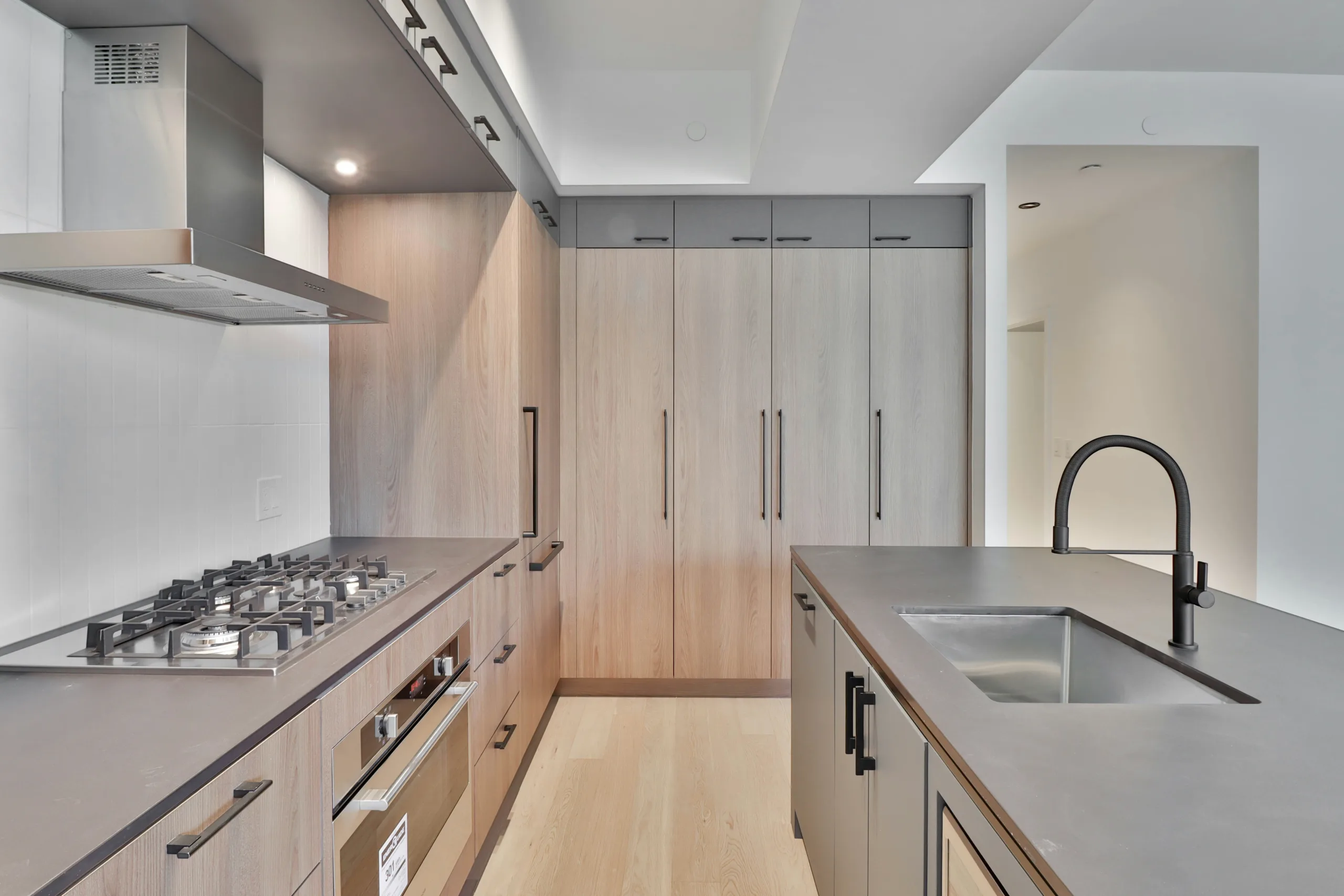
Wood is perhaps the most versatile and beloved natural material. Its grain patterns, color variations, and natural scent evoke feelings of warmth, comfort, and tradition. From the deep richness of walnut to the light, airy feel of maple, the type of wood used, and how it’s finished, tells a distinct story. Is it a polished, modern Scandinavian aesthetic, or a rugged, rustic farmhouse feel?
The Soul of the Forest: Species and Grain
The choice of wood species is a crucial part of the narrative. Oak, with its robust grain, often speaks of strength and longevity. Cherry, with its warm tones, suggests refinement. Exotic woods like teak can evoke a sense of adventure and luxury. Even within a single species, the natural variations in grain and knot patterns add unique character, like the fingerprints of the trees they came from.
Finishes and Treatments: Shaping the Narrative
How wood is treated profoundly impacts its story. A high-gloss finish on a dark wood can feel opulent and dramatic. A matte, natural oil finish on lighter wood emphasizes its organic beauty and creates a more casual, approachable vibe. Consider Shou Sugi Ban (charred wood) for an edgy, contemporary narrative, or a hand-scraped finish for a distressed, vintage feel.
Stone: The Strength of Ages
Stone, in its various forms, brings a sense of permanence, strength, and natural beauty. Whether it’s the cool, sleek sophistication of marble, the earthy solidity of granite, or the textured charm of slate, stone has been used for millennia to build enduring structures. It can evoke a sense of ancient history or modern minimalism, depending on its treatment and application.
The Veins of History: Marble’s Elegant Tale
Marble, with its distinctive veining, tells a story of geology and time. Each slab is unique, its patterns formed by immense natural forces over millennia. This inherent individuality makes it a luxurious choice for spaces aiming for an elegant, classic, or even dramatic narrative. Its cool touch and polished surface evoke a sense of calm and refinement.
Granite’s Resilience: A Foundation of Strength
Granite is known for its durability and often speckled appearance, suggesting a hardworking, resilient nature. It’s a material that can withstand the test of time and heavy use, making it ideal for spaces where a sense of robust practicality is conveyed. Its color variations can range from subtle grays to bold blacks and flecks of vibrant color, allowing for diverse storytelling.
Slate’s Earthy Appeal: Organic Textures
Slate, with its often irregular, layered surface, offers a more organic and textured narrative. It evokes a sense of the earth, of natural landscapes, and can be used to create a rustic, grounding atmosphere. Its natural grip and ability to shed water also make it a practical choice, adding a layer of functional storytelling.
The Luxury of the Bespoke: Tailored Narratives
In the realm of high-end interiors, the ultimate storytelling often comes through bespoke elements. These are items or finishes created specifically for a particular space, tailored to its unique requirements and the client’s desires. This level of customization ensures that every material element contributes to a singular, cohesive narrative.
Custom Metalwork: Sculpting Light and Form
Bespoke metalwork, from intricate stair railings to custom lighting fixtures and decorative screens, allows for unparalleled storytelling. Metals can be cast, forged, patinated, and polished to create precise forms and textures. A hand-forged bronze railing might speak of artisanal tradition, while a laser-cut stainless steel screen could tell a story of modern precision and intricate detail.
The Art of Patina: Developing Character
The way metal is treated can dramatically alter its narrative. A highly polished brass can feel opulent and modern, while a deliberately oxidized copper surface can evoke a sense of weathered history and organic beauty. Custom patination techniques allow designers to imbue metal with specific colors and textures that enhance the overall story of the space.
Functional Artistry: Form Meets Function
Bespoke metalwork often blurs the lines between art and function. A seemingly simple door handle can be transformed into a miniature sculpture, or a large-scale metal installation can serve as both a visual statement and a structural element. This integration of utility and aesthetics adds layers to the material’s story, highlighting careful consideration and skilled execution.
Upholstery and Soft Furnishings: The Tactile Heart
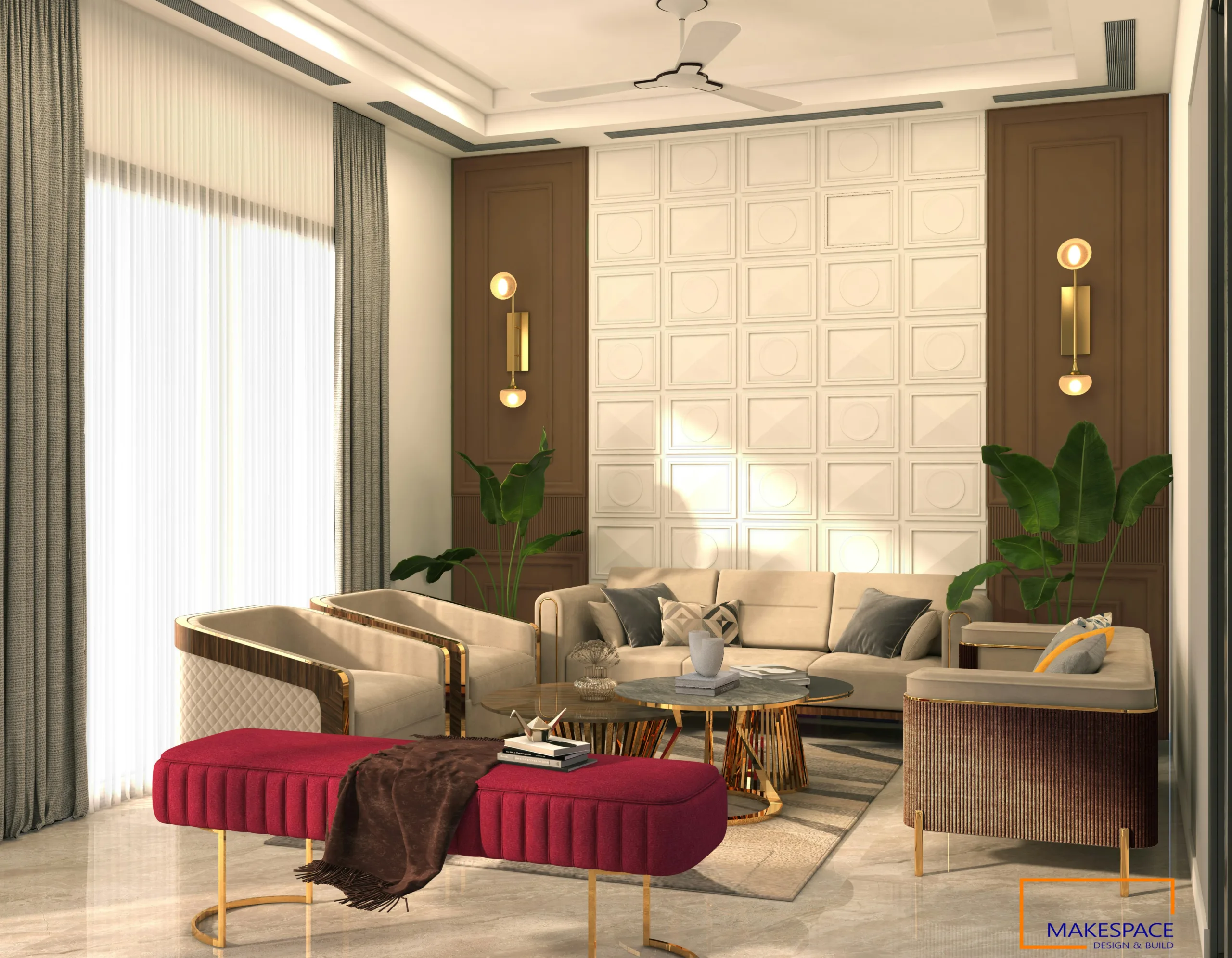
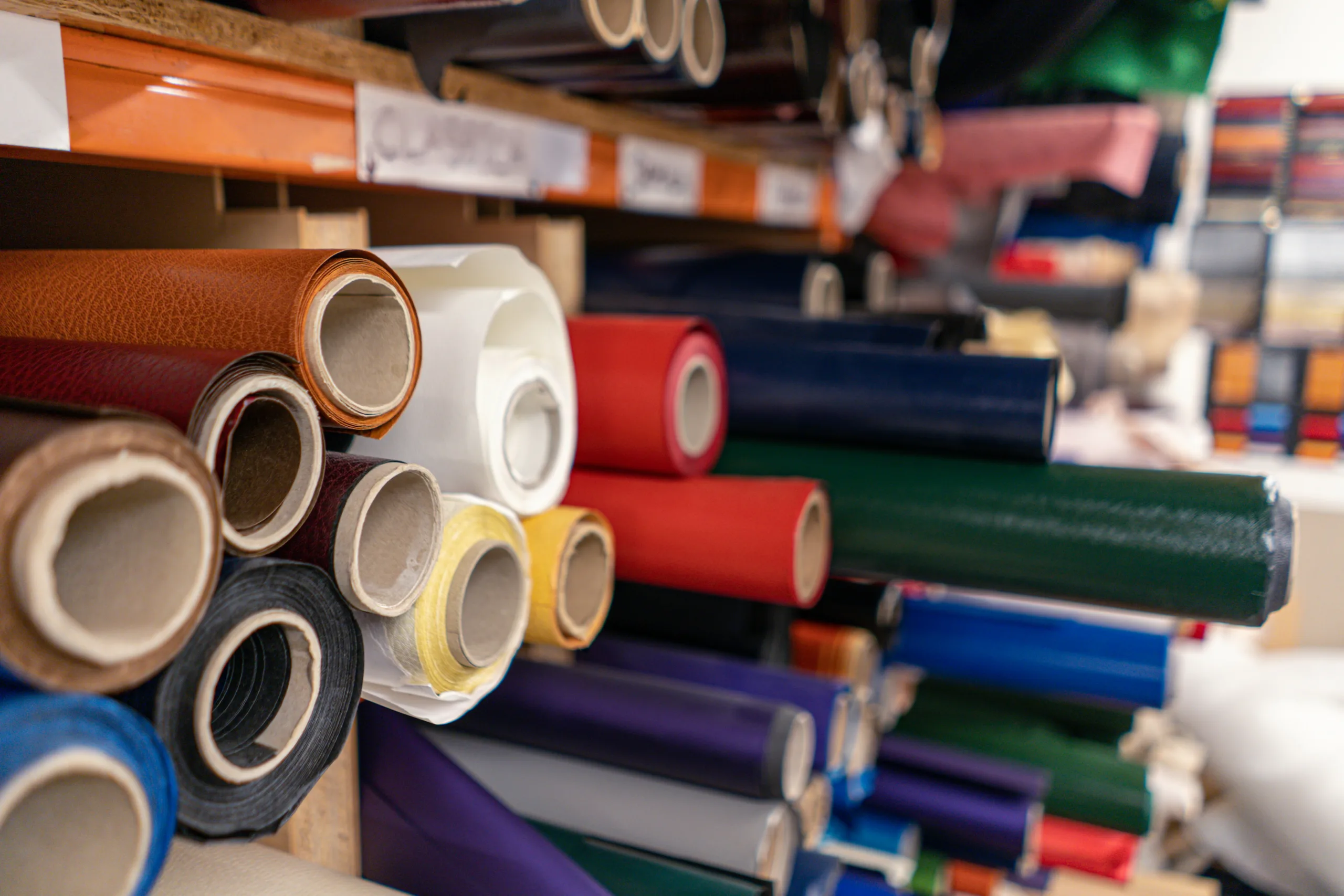
Soft furnishings are where many interiors truly come alive, and high-end upholstery and textiles are masters of storytelling. The choice of fabric – its weave, its weight, its finish, and its embellishments – can evoke vastly different moods and narratives. A heavy velvet can speak of opulence and comfort, while a fine linen might whisper of understated elegance and natural ease.
The Richness of Weaves: Texture’s Emotional Impact
The weave of a fabric is as important as its color. A tightly woven jacquard can convey a sense of formality and intricate design, while a loosely woven bouclé offers a more tactile, cozy feel. The subtle visual and tactile variations created by different weaves add depth and complexity to the material’s narrative, inviting touch and engagement.
Embellishments and Finishes: The Narrative Details
Think of the details on high-end upholstery: intricate embroidery, hand-tufting, custom piping, or luxurious fringe. These embellishments are the exclamation points of the narrative, adding personality and signaling a high level of craftsmanship. They can elevate a simple form into a statement piece that speaks volumes about attention to detail and refined taste.
The Material Palette: Curation for Impact
Ultimately, the success of a high-end interior’s storytelling lies in the careful curation of its material palette. It’s not about using the most expensive materials, but the right materials, chosen to work harmoniously and build a cohesive and compelling narrative. This requires a deep understanding of how different materials interact, how they perform in various lighting conditions, and how they contribute to the overall emotional experience of a space.
Consistency and Cohesion: Building a Unified Story
A well-curated material palette ensures that all the elements in a room feel like they belong together. Even when contrasting materials are used, there should be a thread that connects them – a shared color tone, a similar level of refinement, or a recurring textural motif. This consistency creates a sense of order and allows the narrative to unfold smoothly without jarring interruptions.
The Hierarchy of Materials: What Takes Center Stage?
In any narrative, there are usually focal points. In interior design, this is achieved by giving certain materials a more prominent role. Perhaps a dramatic marble fireplace is the hero piece, with other materials serving as supporting characters. Understanding this hierarchy helps to guide the viewer’s experience and ensures that the intended story is clearly communicated.
The Sensory Experience: Beyond the Visual
A truly successful material palette engages more than just the eyes. It considers the tactile sensations, the subtle sounds materials make (the click of heels on stone, the soft thud of a rug), and even their scent (the natural aroma of wood or leather). By engaging multiple senses, the material story becomes richer, more immersive, and ultimately more memorable. The narrative is not just seen, but felt.