The Rise of Lab-Grown Diamonds in Premium Jewelry Conversations
May 31, 2026

Here’s the deal: lab-grown diamonds are absolutely shaking up the premium jewelry world. What was once a niche, almost taboo topic, is now a legitimate and increasingly preferred option for many looking for high-quality, dazzling stones. They’re no longer just for the ethically-minded or budget-conscious; these gems are holding their own in conversations about investment pieces, heirloom quality, and pure aesthetic value.
Let’s get this straight: a lab-grown diamond is a real diamond. Chemically, physically, and optically, it’s identical to a mined diamond. The main, and I mean only, difference is its origin story. One comes from deep within the earth, formed over billions of years, and the other is cultivated in a controlled environment by skilled scientists.
What Makes Them Identical?
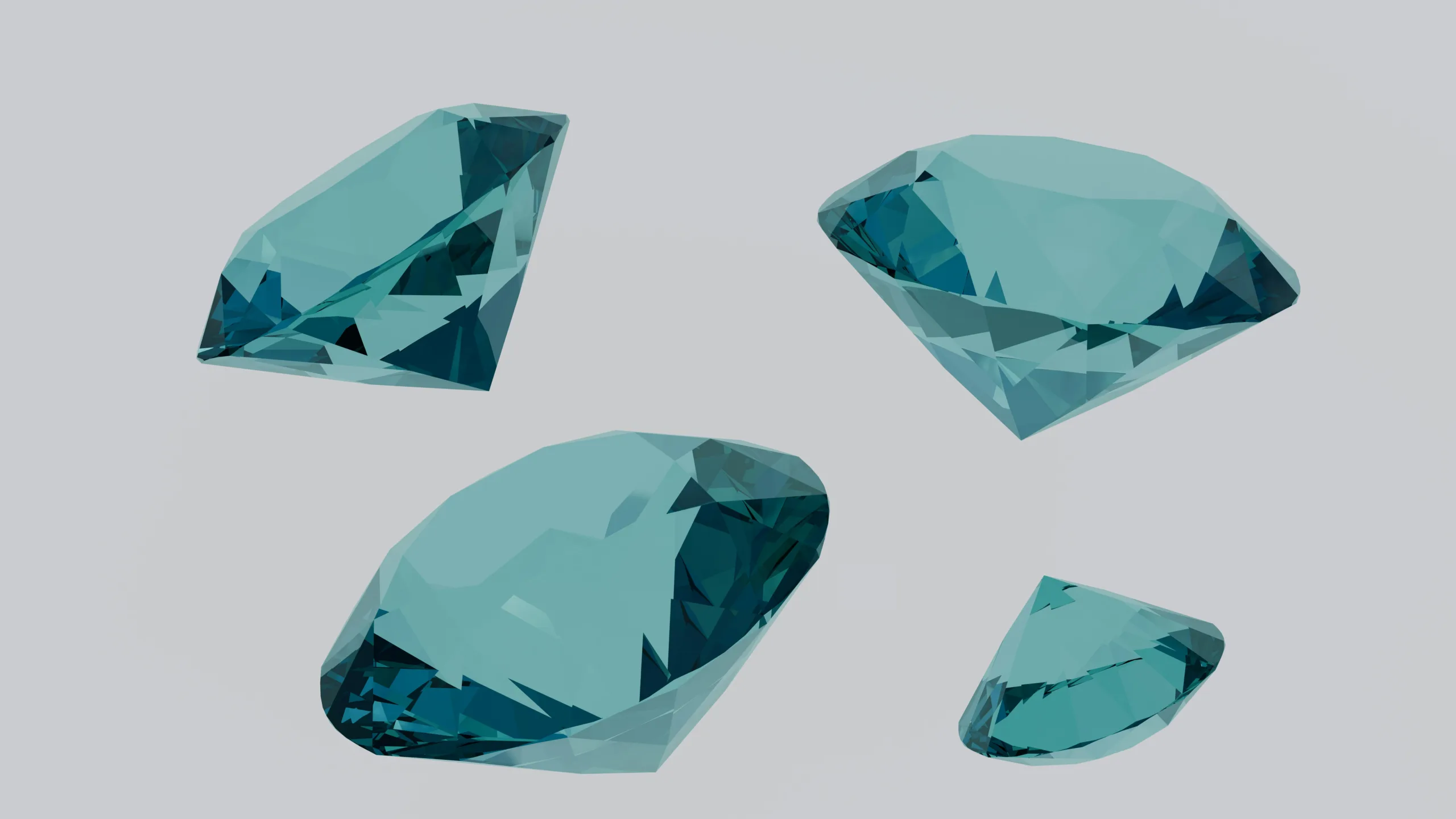
Both natural and lab-grown diamonds are comprised of pure carbon atoms arranged in a crystal lattice structure. This is why they share the same brilliance, fire, and scintillation. When you look at them under a microscope, you’d be hard-pressed to tell the difference without specialized equipment. Even jewelers often need specific tools to identify them.
How Lab-Grown Diamonds Come to Be
There are generally two main methods for creating lab-grown diamonds:
- High-Pressure/High-Temperature (HPHT): This method mimics the natural conditions under which diamonds form. Carbon material is subjected to immense pressure and high temperatures, causing it to crystallize into diamond. Think of it like a sped-up version of what happens in the earth.
- Chemical Vapor Deposition (CVD): This process involves placing a tiny diamond seed in a vacuum chamber. Carbon-rich gases are then introduced and heated, causing the carbon atoms to deposit onto the seed, growing the diamond layer by layer. It’s a more modern and often faster technique.
Both methods produce stunning, gem-quality diamonds. The technology has advanced significantly in recent years, allowing for larger, purer, and more complex stones to be grown consistently.
Economic and Ethical Implications
The rise of lab-grown diamonds isn’t just about science; it’s about shifting market dynamics and consumer values. These diamonds offer compelling advantages that are hard for many to ignore.
The Price Advantage
This is often the most immediate draw. Lab-grown diamonds typically cost 30-50% less than their natural counterparts of comparable size and quality. For many, this means being able to afford a larger or higher-clarity stone than they might have otherwise. Imagine getting a 2-carat, D-color, VS1 clarity lab-grown diamond for the price of a 1-carat natural diamond with similar specs. That’s a significant difference that resonates with a wide range of buyers.
Ethical Sourcing and Transparency
One of the biggest historical shadows hanging over the diamond industry is the issue of “blood diamonds” or conflict diamonds. While the Kimberley Process has aimed to curb this, it’s not without its critics and complexities. Lab-grown diamonds offer a clear, unimpeachable origin story.
- No Conflict: They are grown in labs, eliminating any possibility of funding conflict or unethical practices.
- Clear Chain of Custody: The journey of a lab-grown diamond from creation to retail is much more straightforward and traceable.
- Worker Conditions: Lab environments usually adhere to strict labor laws and safety standards, a stark contrast to some reports from mined diamond operations.
For a growing segment of consumers, especially younger generations, this ethical purity is a powerful selling point, sometimes even outweighing price considerations. They want to wear something that aligns with their values.
The Shifting Perception of Value
For decades, the perceived value of a diamond was inextricably linked to its rarity and origin deep within the earth. Lab-grown diamonds are challenging this narrative, forcing a re-evaluation of what “premium” truly means.
Beyond Rarity: Focus on Beauty and Quality
While natural diamonds do possess inherent rarity due to their geological formation, the availability of high-quality lab-grown diamonds shifts the conversation towards the actual aesthetics and performance of the stone. If two diamonds are visually identical and perform identically in terms of sparkle, fire, and brilliance, does one’s origin story inherently make it “better” for everyone? Many are saying no. They judge a diamond on its cut, color, clarity, and carat weight (the 4 C’s), regardless of where it came from.
The Investment Debate
This is where the conversation gets a bit nuanced. Traditional wisdom held that natural diamonds retain or increase in value, making them an “investment.” However, this is a complex topic even for natural diamonds, with resale values often being significantly lower than purchase prices unless the diamond is truly exceptional and rare.
With lab-grown diamonds, the current expectation is that their retail price will likely decrease over time as production methods become even more efficient and supply increases. This doesn’t mean they aren’t valuable; it just changes the nature of that value.
- Emotional Value: For most people, an engagement ring or a significant piece of jewelry is primarily an emotional purchase. The value lies in its symbolism, beauty, and personal significance, not its potential as a financial asset.
- Accessible Luxury: Lab-grown diamonds democratize access to large, high-quality stones, allowing more people to experience luxury without the hefty price tag associated with rarity. They are an affordable path to premium aesthetics.
Thinking of a diamond as purely a financial investment misses the point for the vast majority of jewelry buyers. Its true value often lies in what it represents.

The Impact on Jewelry Design and Innovation
The availability and competitive pricing of lab-grown diamonds are opening up new avenues for jewelry designers and manufacturers. They’re fostering creativity in ways that were previously cost-prohibitive.
Larger and More Complex Designs
Before lab-grown diamonds gained traction, designing a piece with multiple large, high-quality diamonds was often reserved for ultra-high-net-worth clients. Now, designers can incorporate more substantial stones into their creations without inflating the price tag astronomically. This allows for:
- Statement Pieces: More accessible opportunities to create bold, impactful designs.
- Artistic Exploration: Jewelers can experiment with intricate settings and diamond arrangements without the constant specter of exorbitant material costs.
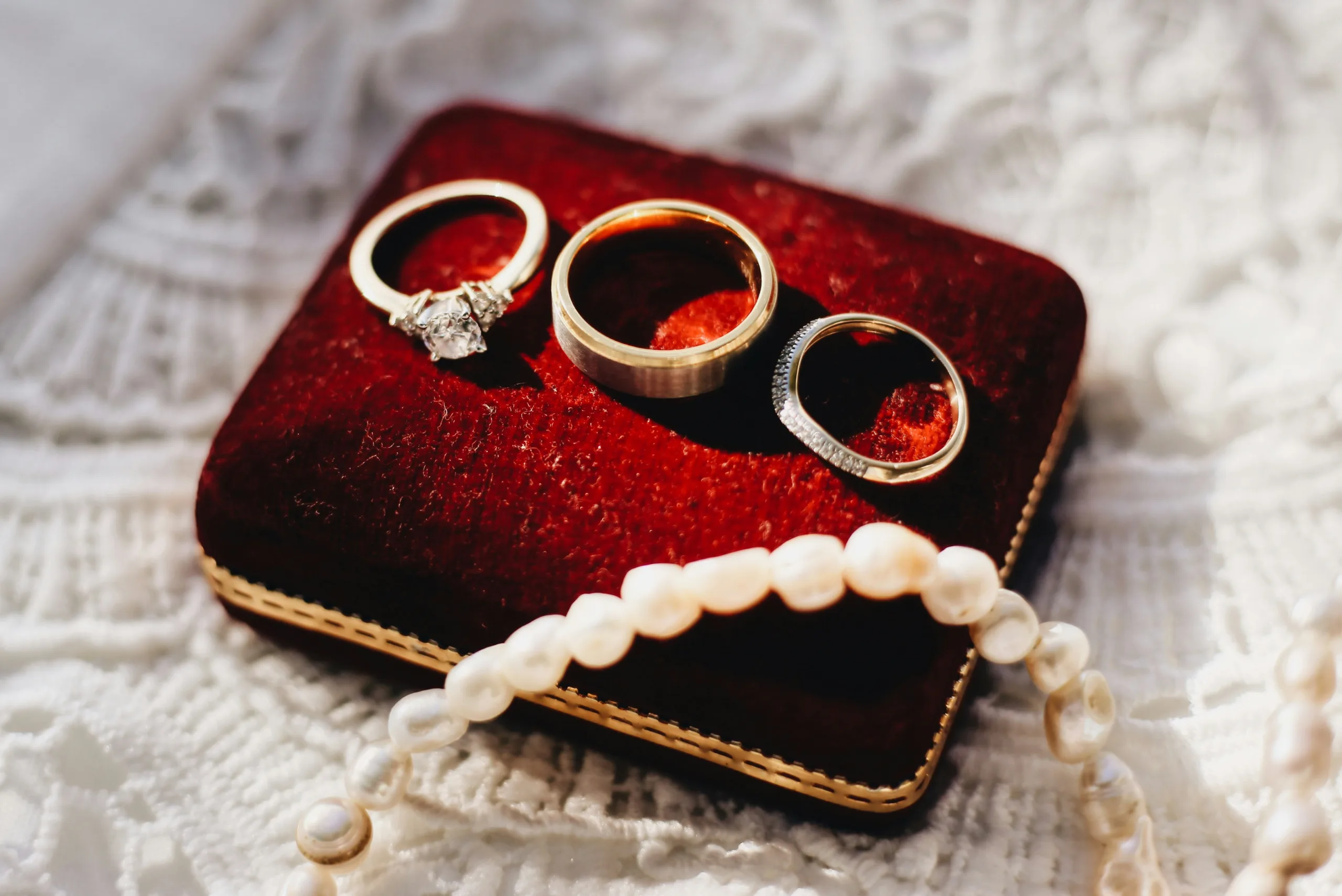
- Bridal Trends: Consumers can opt for larger center stones or more elaborate halo and pave designs in engagement rings, fulfilling dreams that might have been out of reach with natural diamonds.
This shift benefits both designers, who have greater creative freedom, and consumers, who get to choose from a wider array of ambitious and stunning pieces.
Customization and Personalization
With the lower cost of lab-grown diamonds, personalized jewelry is becoming even more attainable. Imagine designing a bespoke piece with several unique diamond shapes or a specific collection of colored diamonds without breaking the bank. This makes bespoke jewelry less of an exclusive luxury and more of an accessible option for expressing individual style.
- Unique Cuts: Experimentation with non-traditional diamond cuts.
- Mixed Metals and Stones: Combining diamonds with other gemstones or various metal finishes becomes more feasible.
- Heirloom Redesign: Updating old family pieces with new, affordable diamond accents.
The democratization of diamond accessibility means a more diverse and exciting jewelry landscape for everyone.
Consumer Acceptance and Future Outlook
The trajectory for lab-grown diamonds points squarely upwards. As younger generations, particularly Gen Z and millennials, become the dominant purchasing demographic, their values and priorities are shaping the market.
Growing Consumer Demand
Several factors contribute to the increasing acceptance:
- Information Accessibility: Consumers are more educated than ever, readily researching and understanding the differences (and similarities) between natural and lab-grown diamonds.
- Ethical Consciousness: A strong desire for ethically sourced and sustainable products.
- Value for Money: The undeniable appeal of getting more “carat for your cash.”
- Celebrity Endorsement: While subtle, some high-profile individuals have been seen sporting lab-grown diamond pieces, further normalizing them.
Retailers are also adapting, with major players and independent jewelers alike now offering robust selections of lab-grown diamonds alongside their natural inventory. This mainstream acceptance is a powerful indicator of their staying power.
Sustainability Considerations
While lab-grown diamonds avoid the environmental impact of mining, the energy consumption of diamond labs is a valid point of discussion. However, many manufacturers are making significant strides:
- Renewable Energy Sources: Investing in solar, wind, and hydro power to fuel their operations.
- Carbon Neutral Goals: Working towards reducing their carbon footprint and achieving carbon neutrality.
- Closed-Loop Systems: Recycling water and other resources within their production processes.
As technology improves, the environmental footprint of lab-grown diamond production is expected to continue to decrease, further strengthening their appeal from a sustainability perspective.
Looking Ahead
The future of premium jewelry will undeniably feature lab-grown diamonds as a core component. They are here to stay, not as a replacement for natural diamonds, but as a compelling, legitimate, and increasingly attractive alternative. Conversations will no longer be about “if” to consider them, but “when” and “how” they fit into one’s personal values, aesthetic preferences, and budget. The market is evolving, and with it, our understanding of what makes a diamond truly valuable.