The Psychology of Timeless Design in Watches and Jewelry
May 31, 2026

So, you’ve probably noticed some watches and jewelry just feel right, no matter when they were made. They don’t scream “today” or “yesterday.” They just… are. This isn’t an accident. It’s rooted deep in how our minds work, in the psychology of what makes something feel timeless. It’s about understanding what resonates with us on a fundamental level, tapping into our innate preferences for order, familiarity, and meaning. It’s less about fleeting trends and more about understanding the enduring human desire for beauty, connection, and a sense of permanence.
The Familiarity Principle: Why Simple Often Wins
Our brains are wired to seek out patterns and recognize what’s familiar. Think about it: when you see something you can easily process, it feels comfortable and less demanding. This is a core aspect of the familiarity principle. In design, this translates to elements that are readily understood and appreciated without requiring a significant cognitive leap.
Classic Proportions and Shapes
You see it everywhere. The round watch case, the simple stud earring, the oval pendant. These aren’t chosen randomly. They represent fundamental geometric forms that are inherently pleasing and easy for our brains to grasp. These shapes have a long history in art, architecture, and nature, making them deeply ingrained in our visual language.
- Circles and Ovals: These shapes convey harmony, completeness, and a lack of sharp edges, which can be perceived as less threatening and more inviting. They also have a natural flow, guiding the eye smoothly.
- Symmetry and Balance: Our brains are naturally drawn to symmetry. A perfectly balanced design, whether it’s the arrangement of elements on a watch dial or the setting of a gemstone, creates a sense of order and stability. This is especially true for jewelry where a symmetrical composition often feels more elegant and refined.
- Straight Lines and Defined Angles: While curves are soothing, well-executed straight lines and clean angles also contribute to a sense of precision and intentionality. Think of the sharp lines of a classic Art Deco bracelet or the crisp indices on a vintage watch dial. These elements, when balanced with other forms, add structure and sophistication.
The Power of Restraint in Detail
Overly complex or ornate designs, while sometimes impressive, can quickly feel dated. Timeless pieces tend to be restrained in their detailing. It’s about achieving elegance through subtlety rather than extravagance.
- Minimalist Dials: A clean watch dial with elegant hands and simple hour markers is a prime example. The focus is on legibility and understated beauty, allowing the wearer to appreciate the craftsmanship without being overwhelmed by visual clutter.
- Subtle Engravings: When engravings are present, they are often finely executed and meaningful, rather than broadly decorative. A subtle inscription on the case back of a watch or a delicate filigree on a pendant adds a personal touch without dominating the piece.
- Uncluttered Settings: For jewelry, the focus is often on showcasing the gemstone. Simple prong settings, bezels, or kahit a solitaire design allow the brilliance of the stone to take center stage. This direct approach avoids distracting ornamentation.
The Concept of “Honest Materials”: Trust and Longevity
Part of what makes something feel timeless is that we trust it. We trust that it’s well-made, that it will last, and that the materials used are genuine and reflect enduring value. This connects to our inherent understanding of quality and durability.
Appreciating Craftsmanship and Material Integrity
When we see craftsmanship that is clearly evident, it builds trust. We can often intuitively discern good work from rushed or superficial work. The same applies to the materials used.
- Precious Metals as a Foundation: Gold, platinum, and sterling silver have been valued for centuries. Their inherent rarity, beauty, and resistance to tarnish make them prime candidates for timeless pieces. Their weight and feel in the hand also contribute to a sense of substance and quality.
- The Enduring Appeal of Natural Gems: Diamonds, sapphires, emeralds, rubies – these stones have captured our imaginations for millennia. Their unique characteristics, brilliance, and perceived permanence make them central to many timeless designs. The focus is on their natural beauty rather than any artificial embellishment.
- The “Truth” of Materials: Timeless design often avoids materials that are purely trendy or short-lived. Plastic, overly synthetic materials, or novelty finishes tend to date quickly. The preference is for materials that have a proven track record of durability and aesthetic appeal.
The Tacit Understanding of Quality
We don’t always need a detailed explanation of why something is good. We can often feel it. This is a tacit understanding of quality that is built into our perception.
- Weight and Balance: The heft of a well-made watch case or the satisfying click of a clasp can convey a sense of quality. A piece that feels substantial and balanced suggests it’s built to last.
- Smooth Surfaces and Sharp Edges: The finishing of a piece is crucial. Polished surfaces that gleam without being plasticky, and sharp edges that are precise rather than rough, all speak to a higher level of manufacturing and attention to detail.
- The “Heirloom” Factor: When something feels like it could be passed down through generations, that’s a strong indicator of timelessness. This is often linked to the quality of materials and the absence of fleeting stylistic fads.
The Emotional Resonance: Stories and Meaning
Beyond aesthetics, timeless design often taps into our emotions and our desire for meaning. It’s not just about looking good; it’s about feeling connected and understanding the significance of what we’re wearing.
The Narrative Power of Design
Many timeless pieces carry a story or evoke a particular feeling. This narrative adds a layer of depth and personal connection.
- Connection to History: Watches and jewelry that draw inspiration from historical periods often resonate because they connect us to a past that we find appealing or significant. Think of vintage-inspired watch designs that echo the exploration era or Art Nouveau jewelry with its organic forms.
- Symbolism and Personal Meaning: Certain motifs or symbols have enduring meanings that transcend time. A heart pendant, a star, or an infinity symbol can represent love, hope, or eternity, making them cherished pieces regardless of current trends.
- Evoking Nostalgia: Designs that subtly remind us of simpler times or personal cherished memories can have a powerful emotional pull. This can be achieved through specific color palettes, textures, or even the overall silhouette.
The “Less is More” Philosophy in Meaning
Contrary to what you might think, sometimes the most profound meaning is conveyed through simplicity. It allows the wearer to imbue the piece with their own interpretations.
- The Solitaire Diamond Ring: The ultimate symbol of commitment and love, its power lies in its utter simplicity. The focus is entirely on the stone and its inherent symbolism.
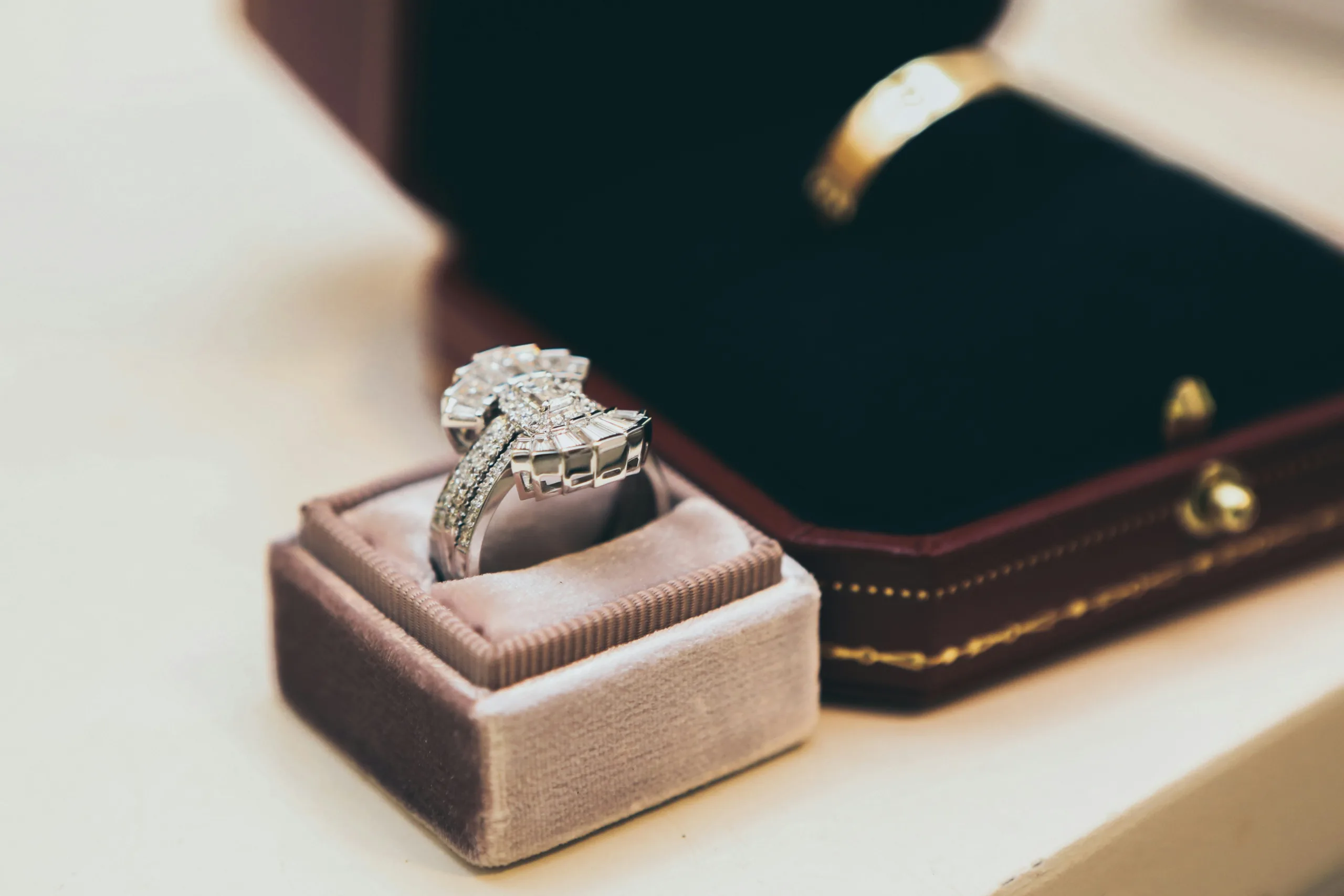
- A Classic Wedding Band: A plain, perfectly formed band of precious metal speaks volumes about enduring commitment. Its lack of adornment emphasizes the unwavering nature of the vow.
- The Blank Canvas: Sometimes, a design acts as a blank canvas upon which the wearer can project their own personality and experiences. The piece becomes a backdrop for their life story.
The Psychological Comfort of Predictability
While novelty can be exciting, there’s a deep-seated psychological comfort in predictability. Timeless design leverages this by offering elements that feel reliably good and consistent.
The Reliability of Classic Forms
We know what to expect from certain classic designs, and this familiarity breeds a sense of comfort and security.
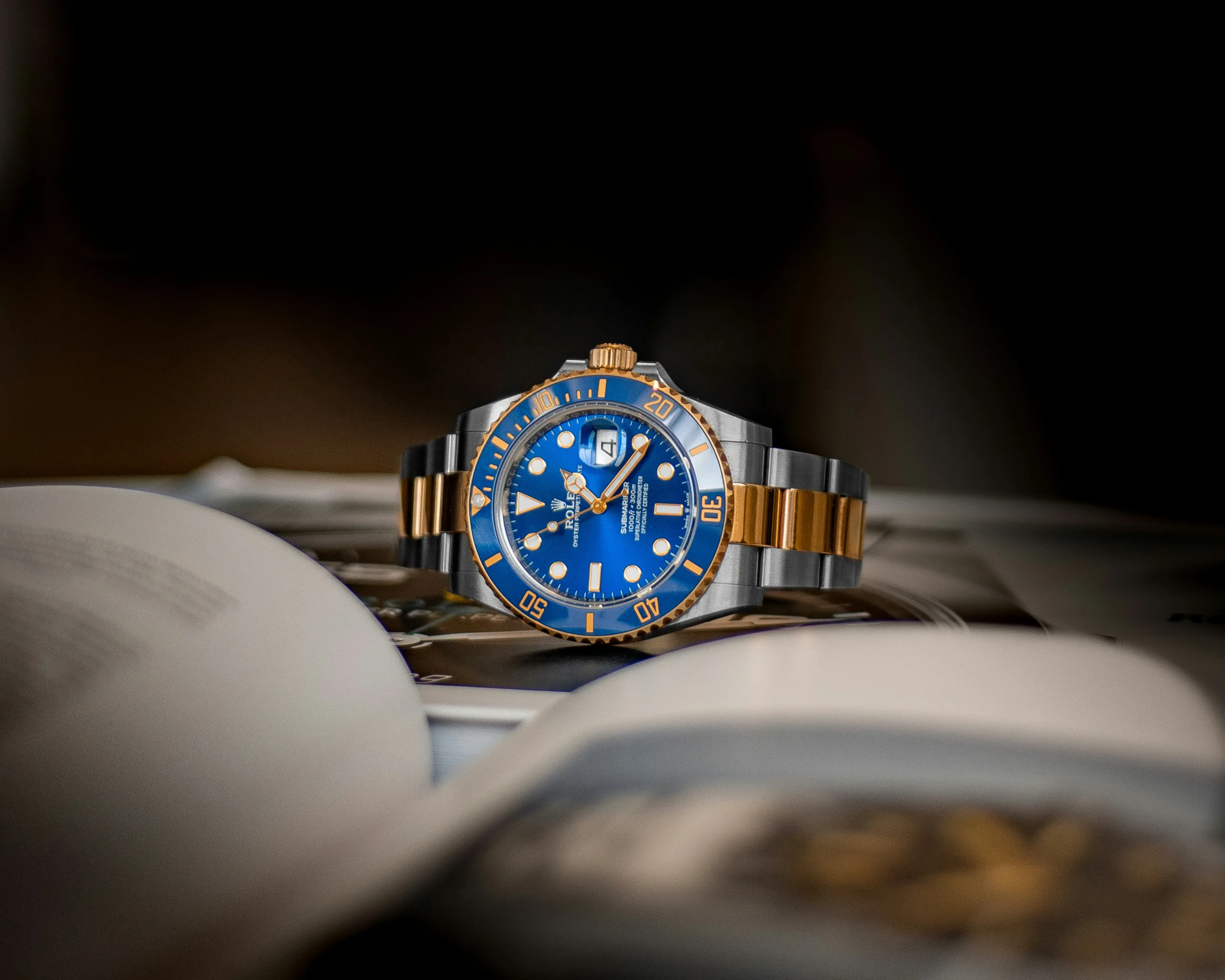
- The Rolex Submariner Silhouette: This watch has a remarkably consistent design language that has been refined over decades. Its unmistakable form offers a sense of reliability and trust for those who appreciate its heritage.
- The Cartier Tank Watch: Another icon, its rectangular case and Roman numerals are instantly recognizable. This predictability is part of its enduring appeal; you know what you’re getting in terms of elegance and sophistication.
- Simple Stud Earrings: A pair of well-made stud earrings, whether a diamond, pearl, or colored gemstone, is a go-to for a reason. They are universally flattering and predictable in their function and aesthetic.
Consistency in Function and Form
Timeless design also implies that the functionality and form work seamlessly together, predictably and reliably.
- Legible Watch Dials: A good watch dial is designed for easy reading. This predictable functionality is paramount to its purpose and avoids unnecessary confusion.
- Secure Clasps and Settings: A timeless piece should function without fuss. A secure bracelet clasp or a well-set gemstone that won’t snag or fall out contributes to the overall sense of reliability.
- Ergonomic Comfort: A watch that sits comfortably on the wrist or a ring that feels pleasant to wear is a testament to thoughtful design. This predictable comfort enhances the user’s experience.
The Evolutionary Advantage of Harmony and Order
Our brains have evolved to perceive and appreciate harmony and order. This isn’t just about liking pretty things; it has roots in our survival. Clear patterns and well-organized environments were easier for our ancestors to navigate and understand, increasing their chances of survival. Today, this translates into our appreciation of well-balanced and harmonious designs.
The Golden Ratio and Its Influence
The golden ratio, approximately 1.618:1, has been observed in nature and has been used in art and architecture for centuries because it’s thought to be aesthetically pleasing. While not always explicitly applied, designs that incorporate its principles often achieve a natural, pleasing proportion.
- Proportions of Watch Cases and Dials: You might notice that the width-to-height ratio of certain watch cases, or the relationship between the size of the dial and the bezel, can feel naturally harmonious. This often aligns with aspects of the golden ratio.
- Gemstone Faceting and Placement: The way gemstones are cut and set can also subtly relate to proportional harmony. The balance of facets and their arrangement often aims for visual equilibrium.
- Layout of Elements: The spacing and sizing of elements on a watch dial or in a piece of jewelry, even if not a strict mathematical application, can aim for a balanced, organic flow that feels right to the eye.
The Appeal of Natural Patterns and Rhythms
Our evolutionary history has also made us attuned to the patterns and rhythms found in nature, which are often inherently harmonious and ordered.
- Organic Shapes in Jewelry: Designs that mimic the gentle curves of leaves, petals, or flowing water have a natural appeal because they echo familiar forms from the natural world.
- Repetitive Motifs: Repeating patterns, whether in the links of a bracelet or the engraving on a watch case, can create a sense of rhythm and order that is pleasing to the eye. This is akin to the patterns we see in waves, tree bark, or star constellations.
- The Beauty of Imperfection: While order is key, nature also shows us that slight variations and subtle imperfections can add to beauty. Timeless design can sometimes embrace this, avoiding a sterile, overly manufactured look and opting for a more organic, nuanced feel.
In essence, timeless design in watches and jewelry is a subtle art that speaks directly to our subconscious. It’s about leveraging our innate psychological preferences for familiarity, honesty, meaning, predictability, and harmony. It’s why a classic watch or a well-crafted piece of jewelry can feel just as relevant and appealing today as it did decades ago, and likely will for decades to come. It’s less about chasing the newest trend and more about understanding what truly resonates with us as human beings.