Luxury Watch Events as Editorial Opportunities
May 31, 2026
You’re probably wondering if attending a fancy watch event is worth the effort for your content creation, right? The short answer is a resounding yes, provided you approach it strategically. Think of these aren’t just about admiring gleaming timepieces; they’re goldmines for compelling editorial content if you know what to look for and how to package it. It’s not about being a celebrity influencer; it’s about bringing value to your audience through insightful reporting and engaging storytelling.
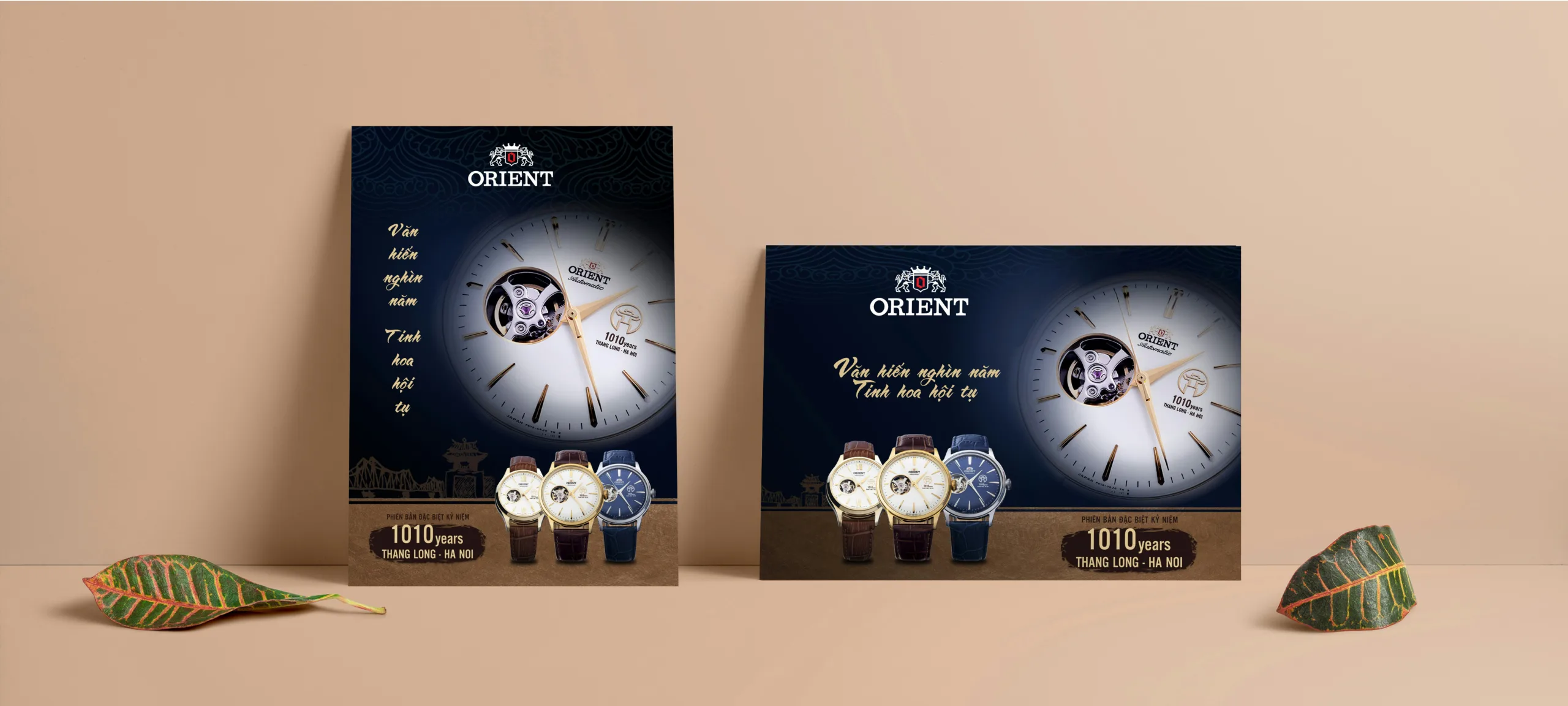
Luxury watch events, whether they’re an intimate boutique launch, a grand salon like Watches & Wonders, or a brand’s exclusive collector gathering, are more than just showcases. They are curated experiences designed to highlight craftsmanship, heritage, and innovation. For an editor or content creator, this translates into a wealth of material that can be transformed into engaging articles, reviews, interviews, and social media narratives. The key is to shift your perspective from purely attendee to active reporter.
Identifying Your Niche within the Luxury Watch World
Before you even RSVP, consider where your content fits. Are you focused on in-depth technical reviews? The history and lineage of certain brands? The investment potential of haute horlogerie? The intersection of watches and other luxury lifestyles (cars, art, fashion)? Understanding your specific angle will help you cut through the noise and gather information that is truly relevant to your audience.
The Technical Deep Dive
If your audience appreciates the mechanics and engineering behind luxury watches, these events offer direct access to the minds behind the movements. You can get details on complications, materials, and manufacturing processes that aren’t readily available elsewhere.
The Heritage Story
Many luxury watch brands boast centuries of history. Events often provide a platform to explore this legacy, showcasing archival pieces, discussing brand evolution, and interviewing custodians of the brand’s narrative.
The Lifestyle Connection
Luxury watches are often part of a larger aspirational lifestyle. Events can offer glimpses into this world, allowing you to connect watches with fashion, travel, or other luxury pursuits that resonate with your readership.
The Pre-Event Strategy: Laying the Groundwork for Content Gold
Showing up unprepared at a luxury watch event is like going to a Michelin-starred restaurant and ordering plain toast. You’ll miss the full experience and, more importantly, the richest content opportunities. A well-planned approach ensures you maximize your time and gather valuable insights.
Research, Research, and More Research
Before you even pack your best trousers, dive deep into the event’s details. What brands will be present? What are their latest releases or announcements? Who are the key people attending (CEOs, watchmakers, collectors, key journalists)? Understanding the context elevates your questions and your eventual reporting.
Brand-Specific Briefings
If a particular brand is a major focus, spend time with their recent press releases, historical archives, and any existing content you’ve published about them. This will reveal potential gaps in information or angles you can explore.
Speaker and Guest Identification
Identify the individuals who will be speaking or whose presence is significant. This allows you to tailor your interview questions and potentially secure your own conversations.
Defining Your Content Goals
What kind of articles or posts do you aim to create? Knowing this upfront will guide what you photograph, what information you seek, and who you aim to speak with. Don’t go in with a vague idea; have a concrete target.
Article Types to Consider:
- New Release Reviews: In-depth looks at the latest watches.
- Brand Spotlights: Exploring the history, philosophy, or specific collections of a brand.
- Trend Analysis: Identifying emerging themes in watchmaking from the event.
- Interview Features: Profiling key figures in the industry.
- Event Recaps: A curated overview of the most significant moments and pieces.
Crafting Your Outreach and Press Kit
If you’re an established publication or a content creator with a clear editorial voice, don’t hesitate to reach out to the event organizers or PR representatives beforehand. A concise and professional press kit can make a significant difference in securing access and information.
The Importance of a Professional Media Pitch
Clearly articulate who you are, what you cover, the reach of your platform, and what specific stories you hope to develop from the event. This demonstrates you’re serious about editorial coverage, not just a casual attendee.
What to Include in Your Press Kit:
- About Us/Media Kit: A brief overview of your publication/platform, audience demographics, and content focus.
- Portfolio/Links: Links to your best work (articles, interviews, reviews).
- Contact Information: Clear and present contact details.
Navigating the Event: Observation, Interaction, and Information Gathering
Once you’re inside, the real work begins. It’s a balance of absorbing the atmosphere, engaging with people, and diligently collecting the raw materials for your content. Don’t be intimidated by the exclusivity; remember, they want good coverage.
The Art of the Interview: Getting Beyond the Surface
This is where you can truly differentiate your content. Prepare thoughtful questions, listen actively, and be ready to follow up. Remember, you’re not just asking about the specs; you’re trying to uncover the story.
Questions for Brand Representatives:
- “What was the primary inspiration behind this new [watch model]?”
- “Can you walk me through a specific technical innovation or challenge in its development?”
- “How does this [watch model] fit into the brand’s overall philosophy and future direction?”
- “What is [brand]’s approach to sustainability or ethical sourcing in its manufacturing?”
Questions for Watchmakers/Designers:
- “What is the most satisfying aspect of designing or creating a [specific complication]?”
- “Are there any traditional techniques you’re excited to revive or reinterpret?”
- “What are the biggest trends or challenges you see in watchmaking today?”
Questions for Collectors/Enthusiasts:
- “What draws you to [specific brand] or [specific watch style]?”
- “What makes a watch a true collector’s item, in your opinion?”
- “How do you see the landscape of watch collecting evolving?”
Strategic Photography and Videography
Visuals are crucial. Focus on capturing compelling images that tell a story. Think beyond simple product shots. Capture details, craftsmanship, the environment, and people’s reactions.
Essential Shots to Capture:
- Close-ups of watch details: Dial textures, dial complications, case finishing, movement bridges (if visible).
- Watches on the wrist: Show how they sit, scale, and overall aesthetic.
- Brand showcases and booth design: Contextualize the watches within their presentation.
- People interacting with watches: Demonstrates engagement and appeal.
- Key individuals (with permission): For interviews and profiles.
- Atmospheric shots: Capturing the mood and energy of the event.
The Power of Short-Form Video
Even brief video clips can add a dynamic element to your content, whether it’s a quick tour of a booth, an excerpt of an interview, or a slow pan over an intricate dial.
Information Gathering Beyond the Press Kit
While official press materials are valuable, don’t be afraid to gather information organically. Chatting with booth staff who aren’t in official PR roles can sometimes yield candid insights.
The “Boilerplate” vs. The Anecdote
Press releases often contain a lot of standard phrasing. Your goal is to find the anecdotes, the little-known facts, and the personal stories that make your content unique and engaging.
Post-Event Processing: Transforming Raw Material into Editorial Content
The event might be over, but your work is far from done. This is where you sift through your notes and visuals, identify the strongest narratives, and begin the process of crafting compelling editorial pieces.
Structuring Your Narrative: Finding the Story Arc
Every watch has a story, and every event offers a tapestry of them. Your job is to find the thread that binds these elements together into a coherent and engaging narrative for your audience.
Focusing on the “Why”
Instead of just listing features, explore why a watch was made a certain way, why a brand is making a particular move, or why a collector cherishes a piece. The motivation and intent are often more interesting than the specifications themselves.
Identifying Key Themes and Trends
Did you notice a recurring material, a resurgence of a particular complication, or a shift in design aesthetics across multiple brands? These observations form the basis of insightful trend pieces.
Crafting Compelling Headlines and Introductions
Your headline and opening paragraph are your hooks. They need to grab attention and immediately convey the value of your content.
Headline Strategies:
- Intrigue: “The Secret Life of a Complication: What Watches & Wonders Revealed”
- Benefit-Oriented: “Beyond the Price Tag: Insider Insights from the Luxury Watch World”
- Question-Based: “Is the Era of the Oversized Watch Over? A Look at the Latest Trends”
Engaging Introductions:
- Start with a vivid scene from the event.
- Pose a provocative question related to the industry.
- Offer a surprising statistic or fact discovered at the event.
Optimizing for Different Platforms
A long-form article for your blog will have different needs than a series of Instagram stories or a LinkedIn post. Tailor your content accordingly.
Blog/Website Articles:
- In-depth descriptions, high-quality images, detailed technical information.
- SEO optimization is key.
Social Media Content:
- Short, punchy captions.
- Visually driven posts (images, short videos, Reels).
- Use relevant hashtags.
- Engage with comments and questions.

Building Relationships: The Long-Term Editorial Dividend
Attending luxury watch events isn’t just about a single piece of content; it’s about planting seeds for future editorial opportunities. The connections you make can be invaluable for ongoing coverage.
The Value of Networking with Industry Insiders
Don’t just collect business cards; aim to build genuine connections. A brief, insightful conversation can lead to future interview requests, exclusive previews, or a deeper understanding of brand strategies.
Who to Connect With:
- Brand PR representatives: They are your gateways to information and potential exclusives.
- Watchmakers and designers: Direct access to the creators offers unique perspectives.
- Journalists from other publications: You can learn from their experiences and potentially collaborate.
- Distinguished collectors: Their passion and knowledge offer a ground-level view.
Following Up Effectively
A personalized follow-up email after the event reinforces your professionalism and keeps you top-of-mind.
What to Include in Your Follow-Up:
- A brief reminder of your interaction.
- A specific reference to your conversation.
- A clear statement of what you hope to achieve with your content (e.g., “I’m working on a feature about [topic] and would love to include your insights”).
- A link to your published article once it’s live.
Leveraging Events for Exclusive Content Opportunities
Build a reputation as a reliable and insightful content creator, and doors will open. Brands and organizers are more likely to offer exclusives to those who consistently deliver quality editorial coverage.
The Ladder of Exclusivity:
- Initial Coverage: Generic event recap and new release highlights.
- Deeper Dives: Product reviews, interviews with lesser-known figures.
- Exclusive Previews: Access to unreleased models or confidential information.
- Brand Partnerships: Collaborations on sponsored content or specific editorial projects.
Beyond the Article: Diversifying Your Content Output
Don’t confine your editorial efforts to just written articles. Luxury watch events provide fertile ground for a wide range of content formats that can engage different segments of your audience.
Creating Engaging Video Content
As mentioned before, video is king. Beyond short social media clips, consider longer-form video content.
Video Ideas:
- “On-Wrist” Reviews: Showcasing how a watch looks, feels, and functions in a real-world context.
- Interview Series: Dedicated interviews with watchmakers, designers, or brand executives.
- Event Vlogs: A more personal, behind-the-scenes look at the event experience.
- Comparisons: A video analyzing similarities and differences between two or more watches from the event.
The Power of Visual Storytelling with Photography
High-quality photography is paramount, but think of it as more than just illustration. Your images can tell entire stories on their own.
Photography Approaches:
- Gallery Posts: A curated selection of the most visually striking watches and moments.
- Infographics: Using visuals and key data points to explain complex watch features or industry trends.
- Behind-the-Scenes Photo Essays: Documenting the craftsmanship and human element involved.
Leveraging Audio Content: Podcasts and More
If you have a podcast, luxury watch events are a fantastic source for interview material and discussion topics.
Podcast Opportunities:
- Live Interviews: Record conversations directly at the event (ensure good acoustics or plan for later recording).
- Roundtable Discussions: Gather industry experts for a panel discussion about themes emerging from the event.
- “Best of the Event” Episodes: A curated audio roundup of the most exciting news and insights.
When approaching luxury watch events with a clear editorial strategy, you can transform them from mere spectacles into incredibly rich sources of content that resonate with your audience and elevate your platform within the luxury watch space. It’s about being a curator, an investigator, and a storyteller, all wrapped into one.