The Importance of Brand Heritage in Luxury
May 31, 2026

Brand heritage isn’t just a fancy marketing term; for luxury brands, it’s the bedrock of everything. Think of it as the brand’s backstory, its longest-held traditions, and the very essence of what makes it consistently desirable and valuable over time. It’s not about dwelling in the past, but about using that deep well of history to inform and enrich the present and future. Without it, a luxury brand risks becoming just another fleeting trend, lacking the soul and substance that truly discerning customers crave.
When we talk about brand heritage in the luxury space, we’re referring to a collection of elements that define a brand’s long and rich history. This isn’t just about how old a company is, but what it has done with its time. It’s about the enduring values, the pioneering spirit, the craftsmanship passed down through generations, and the iconic products that have stood the test of time.
More Than Just Age: The Substance of Heritage
A brand can be old, but without a compelling narrative and tangible achievements, its age is just a number. True heritage is built on:
- Longevity and Continuity: A consistent presence in the market, weathering economic shifts and evolving consumer tastes, demonstrates resilience and a deep understanding of its craft. This isn’t about being stuck in time, but about adapting with integrity.
- Craftsmanship and Expertise: Luxury is synonymous with superior quality. Heritage often highlights generations of skilled artisans, specialized techniques, and a dedication to perfection that machine-made alternatives simply cannot replicate.
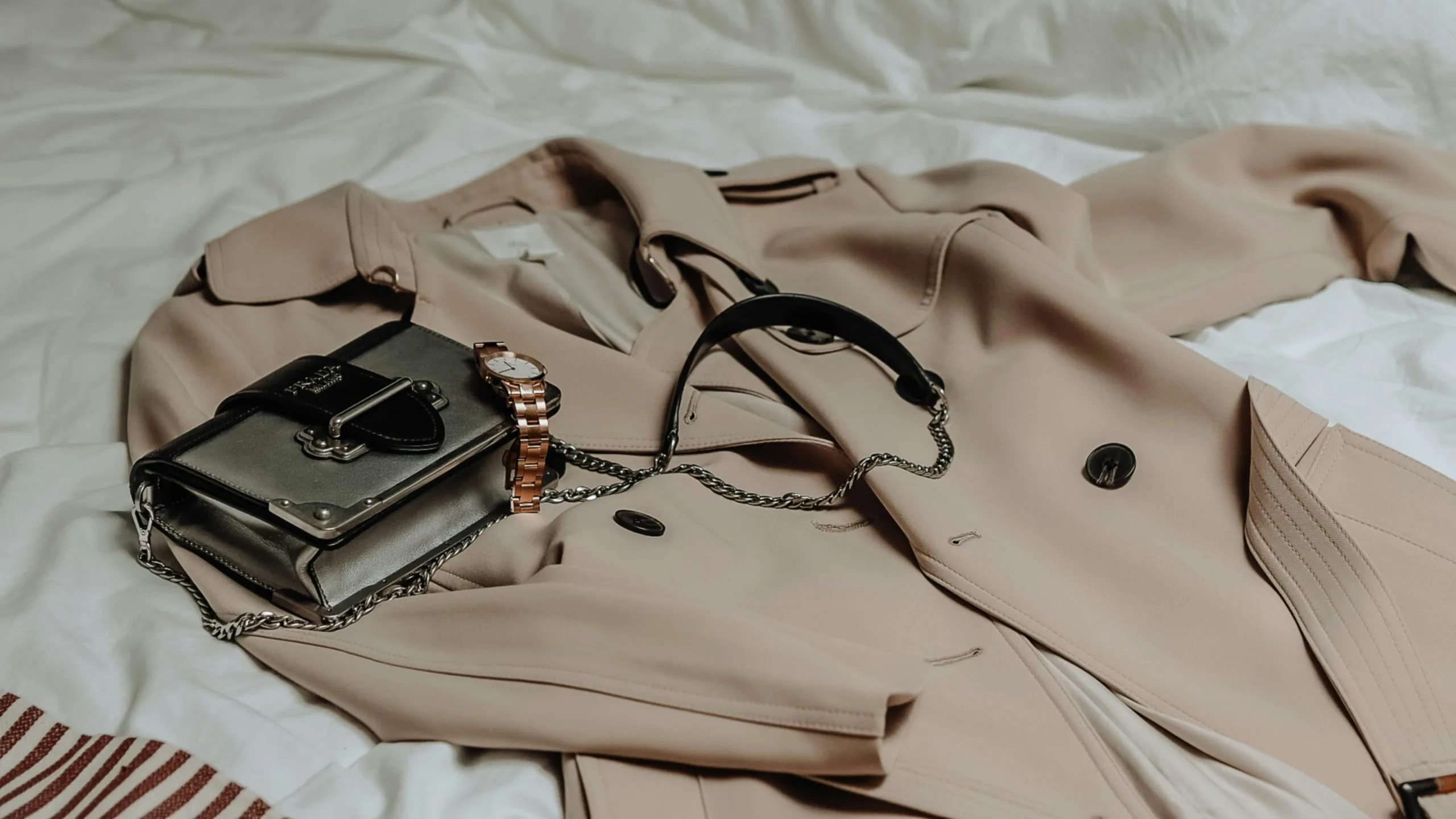
- Iconic Products and Innovations: Think of the Chanel 2.55 bag, the Rolex Submariner, or the Burberry trench coat. These aren’t just products; they are symbols that have become ingrained in culture, often born from genuine innovation responding to a specific need or desire.
- Founder’s Vision and Values: The original ethos and principles laid down by the brand’s founder often remain at the core of its identity. This provides a narrative thread that connects the brand’s past, present, and future.
- Cultural Resonance and Social Significance: Certain luxury brands have played a role in historical events, art movements, or have become aspirational symbols for specific eras. This cultural embedding adds a layer of depth and emotional connection.
The Tangible vs. The Intangible
Heritage can manifest in both physical and non-physical ways. The former includes archives, original workshops, and even the provenance of certain materials. The latter comprises stories, traditions, and the collective memory associated with the brand. Both are equally crucial for a comprehensive understanding of a luxury brand’s heritage.
The Power of Storytelling: Connecting Past to Present
The most successful luxury brands are masterful storytellers. They don’t just sell products; they sell narratives, legacies, and dreams. Brand heritage provides the rich source material for these compelling stories, allowing them to resonate deeply with their audience.
Authenticity as a Cornerstone
In an age saturated with marketing messages, authenticity is a precious commodity. Heritage offers a verifiable claim to authenticity. When a brand can point to specific historical milestones, original craftsmanship methods, or enduring design principles, its claims feel genuine and earned, not manufactured.
- The Realness of Experience: Consumers are increasingly looking for something more than just a product. They want an experience, a connection to something real and enduring. Heritage provides that foundation for a genuine connection.
- Beyond Transient Trends: While trends come and go, genuine heritage remains. It anchors the brand, offering a sense of stability and timeless appeal that transcends the fleeting nature of fashion cycles.
- Building Trust and Credibility: A long history of excellence and integrity builds trust. Consumers are more likely to invest in a brand that has proven its worth over decades, rather than one that might disappear next season.
Crafting Compelling Narratives
Heritage offers a wealth of material for storytelling, from the pioneering spirit of the founder to the meticulous process behind a signature product. These stories are not just informative; they are evocative.
- The Artisan’s Touch: Stories about master craftspeople, their dedication, and the secrets of their trade bring a human element to the often-impersonal world of luxury. It highlights the skill and passion that goes into each item.
- Origins Stories: The circumstances under which a product or a design was created can be incredibly compelling. Was it born out of necessity, inspired by an adventure, or a revolutionary idea?
- Evolution and Adaptation: Heritage doesn’t mean stagnation. Brands that have adapted and innovated while staying true to their core values create powerful narratives of progress and resilience. For example, how a brand has integrated new technologies while maintaining its artisanal roots.
Emotional Resonance
When a brand’s heritage is brought to life through storytelling, it taps into something deeper than rational desire. It evokes emotion, aspiration, and a sense of belonging.
- Aspiration and Belonging: Owning a piece of a brand with a rich heritage can feel like owning a piece of history or belonging to an exclusive club. It connects the consumer to a lineage of excellence.
- Nostalgia and Sentimentality: For some, heritage can evoke fond memories or a sense of nostalgia for a simpler, perhaps more elegant, time. This emotional connection can be a powerful driver of loyalty.
- Legacy and Inheritance: Luxury items are often seen as investments, meant to be passed down. A strong heritage reinforces this idea of legacy, making the purchase feel more meaningful and enduring.
Maintaining Relevance: Heritage as a Springboard for Innovation
Far from being an anchor that holds a brand back, heritage can actually be a powerful catalyst for innovation. The key lies in how this rich history is interpreted and translated into contemporary offerings.
The “Why” Behind the “What”
A deep understanding of a brand’s heritage provides the crucial “why” behind its current identity. This informed perspective is essential for making innovative choices that feel authentic and aligned with the brand’s DNA.
- Informed Design Decisions: When designers understand the historical context, the original purpose, and the enduring aesthetic principles of a brand, they can create new products that feel like a natural evolution, not a departure. Think of how modern interpretations of a classic watch design still retain the original aesthetic cues.
- Refining Core Competencies: Heritage often points to a brand’s core strengths and areas of expertise. Innovation can involve refining these competencies with new technologies or materials, pushing the boundaries of what’s possible within that established skill set.
- Reimagining Iconic Elements: Instead of discarding historical designs, brands often reimagine them for a new era. This could involve updating materials, proportions, or functionalities while retaining the recognizable essence of the original.
Not Just Copying the Past
True innovation inspired by heritage isn’t about simply recreating old designs. It’s about understanding the spirit of those designs and applying that spirit to contemporary needs and aesthetics.
- The Evolution of Materials: A brand known for its luxurious leathers might explore new sustainable leather alternatives or innovative tanning processes, staying true to its commitment to quality materials while embracing modern concerns.
- Adapting to New Lifestyles: A brand that historically created formalwear might now innovate with more relaxed, yet still luxurious, interpretations of its classic styles to suit contemporary casual occasions.
- Technological Integration: Heritage brands are increasingly incorporating subtle technological advancements into their products, such as smart functionalities in watches or advanced performance fabrics in outerwear, without compromising their core aesthetic.
The “Heritage License” for Bold Moves
A strong heritage can grant a luxury brand a certain “license” to be more experimental. Customers are more forgiving of bolder design choices or product category expansions if they feel they stem from a deep understanding of the brand’s legacy.
- Surprising Yet Coherent: When a brand with a long history of watchmaking launches a line of fragrances, for example, it’s more likely to be accepted if the fragrance collection reflects the same sophisticated and timeless qualities associated with its timepieces.
- Pushing Boundaries with Confidence: A brand that has consistently pushed artistic or technological boundaries throughout its history can continue to do so with confidence, as its audience expects it.
- Maintaining a Unique Identity: In a crowded market, heritage allows brands to carve out a distinct space for themselves, free from the pressure of constantly chasing generic trends. Their innovation is rooted in their own unique language.

The Competitive Advantage: Why Heritage Matters in a Crowded Market
In the fiercely competitive luxury landscape, brand heritage is not just a nice-to-have; it’s a powerful differentiator. It provides a stable anchor that sets brands apart from ephemeral trends and newer entrants.
The “Moat” of Legacy
Think of heritage as a moat around a castle. It’s a formidable barrier that protects the brand from immediate threats and makes it incredibly difficult for competitors to replicate its unique appeal.
- Unassailable Authenticity: Competitors can try to mimic the aesthetics or the quality of a luxury product, but they cannot replicate genuine history and the stories that come with it.
- Established Trust and Reputation: Years, often centuries, of consistent quality and ethical practice build a reservoir of trust that newer brands simply haven’t had the time to cultivate.
- A Deeply Rooted Customer Base: Heritage brands often have multi-generational customer bases who feel a strong emotional connection and loyalty that is less susceptible to price shifts or fleeting fashion trends.
The Economic Impact of Enduring Value
The value proposition of a heritage luxury brand goes beyond the immediate satisfaction of ownership. It speaks to long-term value retention and investment potential, which is a significant draw for affluent consumers.
- Investment Pieces: Many luxury items, particularly watches, jewelry, and timeless handbags, are viewed as investments due to their enduring quality and the potential for value appreciation over time, directly linked to their heritage.
- Resale Value: The strong desirability and recognition of heritage brands often translate into robust resale markets, offering consumers a sense of financial prudence in their purchasing decisions.
- Perceived Value: The stories, craftsmanship, and history associated with a brand contribute to a perceived value that often exceeds the sum of its material components, justifying a higher price point.
Cultivating Loyalty Beyond Transactions
Heritage fosters a level of loyalty that transcends mere transactional relationships. It creates a community of brand advocates who are invested in the brand’s ongoing narrative.
- Brand Evangelism: Customers who connect with a brand’s heritage are more likely to become brand evangelists, sharing their positive experiences and advocating for the brand within their social circles.
- Emotional Investment: The stories and traditions associated with heritage create an emotional bond. Consumers feel a connection to the brand’s journey and are invested in its continued success.
- A Sense of Continuity: For collectors and enthusiasts, a strong heritage brand offers a sense of continuity and a reliable source for new acquisitions that align with their existing collection and understanding of the brand.

Communicating Heritage: Balancing Tradition and Modernity
Effectively communicating brand heritage is a delicate balancing act. It requires showcasing the past without appearing archaic, and embracing the future without alienating long-time patrons.
Storytelling for the Digital Age
The ways in which brands communicate their heritage need to evolve with the times, utilizing modern platforms to reach new audiences.
- Digital Archives and Content: Websites can host rich digital archives, offering virtual tours of historical ateliers, showcasing archival advertisements, or featuring in-depth articles about the brand’s founders and iconic creations.
- Social Media Narratives: Platforms like Instagram and YouTube are ideal for sharing short, engaging stories about craftsmanship, historical anecdotes, or behind-the-scenes glimpses of the heritage in action. This can involve short documentaries or curated photo essays.
- Experiential Marketing: Creating immersive brand experiences, such as exhibitions revisiting key moments in the brand’s history or workshops demonstrating traditional techniques, allows consumers to engage with heritage directly.
The Tone of Voice: Respectful, Not Reverent
The language used to describe heritage is crucial. It should be respectful and informative, but not overly academic or stuffy.
- Accessible Language: Avoid jargon or overly complex historical references. The goal is to make the heritage relatable and understandable to a broad audience.
- Honest and Transparent: Be truthful about the brand’s history, including any challenges or evolutions. Authenticity is key.
- Evocative and Inspiring: Use language that conjures images and emotions, drawing people into the brand’s story. Think about descriptive words that highlight craftsmanship, artistry, and enduring quality.
The Modern Interpretation of Heritage Elements
Integrating heritage into contemporary product design and marketing efforts is vital for keeping the brand relevant.
- Limited Edition Reinterpretations: Releasing special edition collections that reinterpret iconic historical pieces using modern materials or updated styling can be a powerful way to engage both existing and new customers.
- Collaborations with a Historical Link: Partnering with contemporary artists or designers can bring a fresh perspective to heritage elements, creating new narratives that bridge the past and present. The key is to ensure the collaborator has a genuine connection or appreciation for the brand’s legacy.
- Highlighting Enduring Craftsmanship: Marketing campaigns can consistently showcase the unchanged dedication to meticulous craftsmanship, even as the brand embraces new technologies or design approaches. This reinforces the consistent thread of quality.
The Future of Heritage: Evolution, Not Extinction
Brand heritage is not a static relic; it’s a dynamic force that must evolve to remain relevant. The brands that thrive will be those that can thoughtfully integrate their past into their future.
The Growing Value of Authenticity
As the world becomes more digital and often more homogenized, the demand for genuine, authentic experiences and products with a real story will only grow. Heritage brands are perfectly placed to meet this need.
- A Counterbalance to the Ephemeral: In an era of fast fashion and fleeting online trends, heritage offers a sense of permanence and substance that appeals to consumers seeking lasting value and meaning.
- The “Slow Luxury” Movement: There’s a growing appreciation for “slow luxury” – products made with care, intention, and a deep respect for tradition. Heritage brands are natural leaders in this movement.
- Conscious Consumerism: Consumers are increasingly making choices based on the values and ethics of the brands they support. Heritage often signifies a history of responsible practices and enduring quality, aligning with conscious consumerism.
Embracing the Next Generation of Consumers
While heritage appeals to a sense of history and timelessness, brands must also connect with younger consumers who may not have the same historical context or generational attachment.
- Educating Through Engagement: New technologies and platforms can be used to educate younger audiences about the brand’s heritage in engaging and accessible ways, making history relevant and exciting.
- Finding Modern Connections: Identifying how historical innovations or brand values can resonate with contemporary issues, such as sustainability or ethical sourcing, can create new points of connection.
- Inviting New Interpretations: Empowering new generations of designers, artisans, and brand ambassadors to interpret and evolve the brand’s heritage can ensure its continued vitality and relevance.
The Enduring Legacy
Ultimately, brand heritage is about creating an enduring legacy – a story that continues to be told and cherished for generations to come. It’s the intangible asset that allows luxury brands to transcend mere commerce and become cultural icons.
- Beyond Product, Into Culture: The most powerful heritage brands become interwoven with the fabric of culture, their products symbolizing eras, achievements, and aspirational lifestyles.
- A Testament to Time: A strong heritage is a testament to a brand’s ability to adapt, innovate, and consistently deliver outstanding quality and experience over extended periods.
- The Promise of Tomorrow: By honoring its past, a luxury brand can confidently chart its course for the future, ensuring that its legacy not only endures but continues to inspire and captivate.