Supercars as Brand Statements for Entrepreneurs and Collectors
May 31, 2026
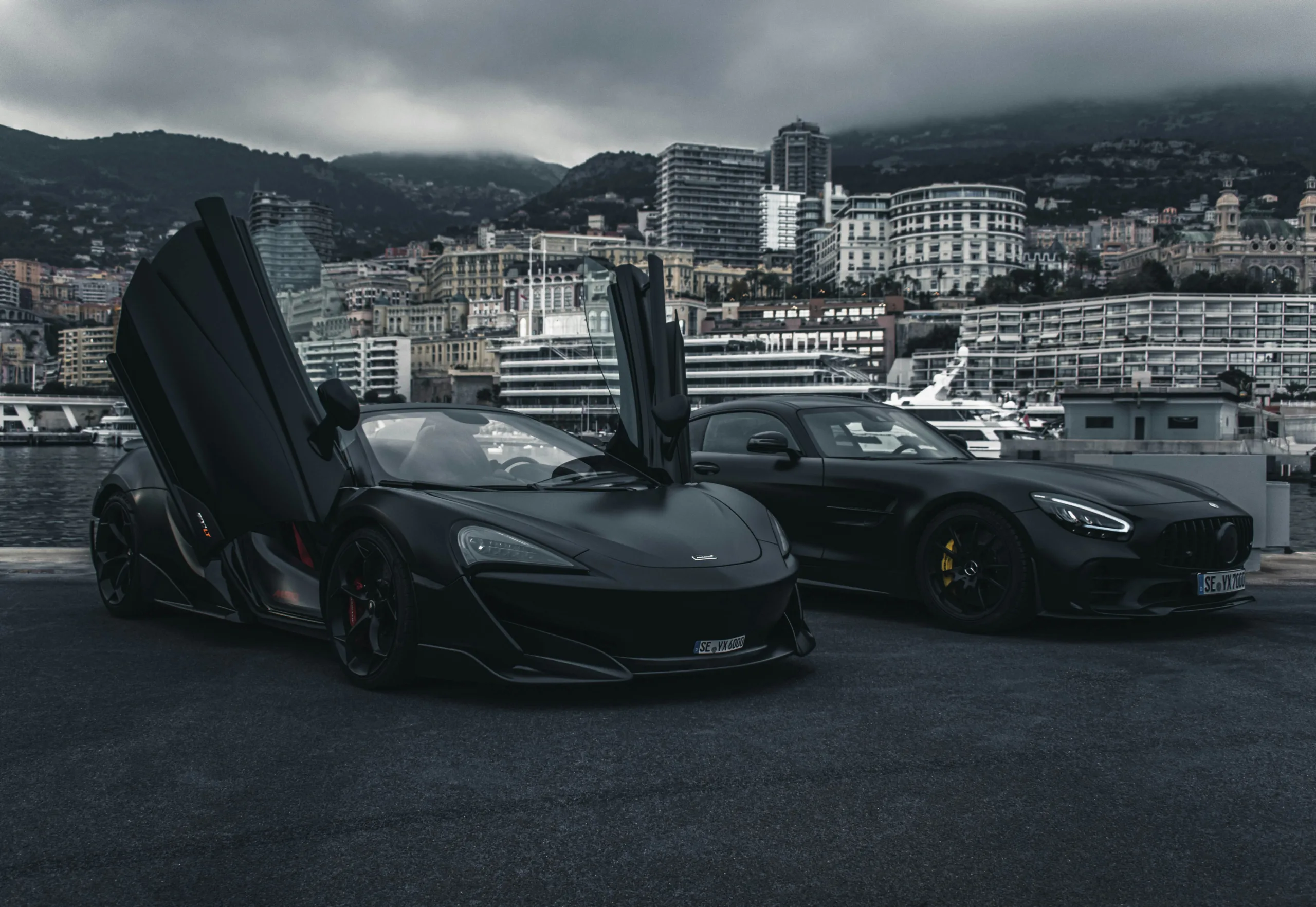
So, you’re an entrepreneur or a serious collector, and you’re eyeing a supercar. You’re probably wondering, is this just a flashy toy, or is there more to it? The short answer: yes, there’s definitely more. A supercar isn’t just about raw power and blistering speed; for many, it’s a meticulously crafted statement. It’s a loud, clear declaration of achievement, a tangible representation of a journey, and for collectors, it’s often a piece of rolling art with intrinsic value. This isn’t about showing off for the sake of it; it’s about communicating who you are and what you’ve built.
The Entrepreneurial Drive: Reaching the Pinnacle
For many entrepreneurs, the path to success is paved with long hours, calculated risks, and unwavering dedication. A supercar can represent the culmination of that effort, a tangible reward for pushing boundaries and achieving financial independence. It’s not just about the material possession itself, but the narrative it embodies.
Symbol of Success and Hard Work
Think of it this way: the entrepreneur who invests in a supercar has likely weathered storms, overcome significant obstacles, and demonstrated an exceptional level of drive and ability. The car, therefore, becomes a physical manifestation of their journey. It’s a signal to the world – and perhaps more importantly, to themselves – that they’ve “made it.” This isn’t about ostentation for its own sake, but about acknowledging a significant personal milestone.
The “From Zero to Hero” Narrative
Many entrepreneurs begin with humble beginnings. The supercar, in this context, isn’t just a purchase; it’s a powerful testament to their rags-to-riches story, a visual cue that illustrates the transformative power of ambition and relentless execution. It’s a story that’s often inspiring to others who are on a similar path.
A Reward Worth Striving For
For those who spend their lives building businesses, the financial rewards can be substantial. A supercar is a way to enjoy those rewards, to experience a level of performance and luxury that aligns with their success. It’s a way to say, “I’ve earned this.”
Peak Performance as a Metaphor
Supercars are, by definition, engineered for peak performance. This mirrors the mindset of many entrepreneurs who are constantly optimizing, innovating, and striving for the absolute best in their respective fields.
The Drive for Innovation
The technology and engineering that go into a supercar – from advanced aerodynamics to cutting-edge engine technology – often reflect the same spirit of innovation that entrepreneurs champion in their businesses. It’s about pushing the limits of what’s possible.
Efficiency and Engineering Prowess
Just as entrepreneurs meticulously plan their business strategies for maximum efficiency and return on investment, supercars are the result of sophisticated engineering and an obsessive focus on performance. They represent a commitment to excellence in design and execution.
Strategic Networking and Visibility
Beyond personal achievement, a supercar can also be a surprisingly effective tool for business. While not its primary function, it can open doors and facilitate connections in ways that a more conventional vehicle simply cannot.
The Conversation Starter
Pulling up in a high-performance machine is an instant icebreaker. It draws attention, and that attention can be leveraged. It’s a way to stand out in a crowded marketplace and generate organic interest.
Accessing Exclusive Circles
Certain social and business circles are more accessible to those who exude a certain level of affluence and success. A supercar can be an entry ticket, fostering connections with like-minded individuals and potential clients or partners.
Projecting Confidence and Competence
The confidence associated with owning and driving a supercar can translate into how others perceive an entrepreneur’s business acumen. It suggests a level of success and a belief in one’s own capabilities that can be reassuring to investors and partners.
The Collector’s Vision: Art on Wheels and Investment Potential
For collectors, supercars transcend mere transportation. They are meticulously engineered works of art, historical artifacts, and often, appreciating assets. The decision to acquire a supercar is driven by a deep appreciation for automotive history, design, and engineering, as well as strategic investment considerations.
Automotive Masterpieces: Design and Engineering
The allure of a supercar for a collector lies in its exquisite craftsmanship, its groundbreaking design, and the sheer engineering brilliance required to bring it to life. These are not mass-produced vehicles; they are often limited-edition creations that represent the pinnacle of automotive artistry.
Sculpted by Aerodynamics
The flowing lines and aggressive stances of supercars are not just for show. They are meticulously crafted to optimize airflow, reduce drag, and enhance stability at high speeds. Collectors appreciate this fusion of form and function, seeing it as a sophisticated form of industrial art.
The Heart of the Machine: Engine as Art
The engines found in supercars are often engineering marvels in themselves. Whether it’s a roaring V12, a high-revving V8, or a groundbreaking hybrid powertrain, collectors appreciate the complexity, power, and unique sound that these engines produce. They are often considered the soul of the car.
Historic Significance and Rarity
Many collectors are drawn to supercars that hold a significant place in automotive history. This could be a model that introduced a revolutionary technology, set a performance benchmark, or represents a particular era of design. Rarity is also a key factor, as limited production runs increase desirability.
The Investment Angle: More Than Just a Drive
While the enjoyment of driving and owning is paramount, for many serious collectors, supercars also represent a sound financial investment. Certain models have a proven track record of appreciating in value over time, acting as a tangible asset.
Appreciation Potential
Unlike many consumer goods that depreciate rapidly, certain rare and desirable supercars can hold their value and even increase significantly over periods of five, ten, or twenty years. This makes them attractive to those looking to diversify their investment portfolios.
Factors Driving Value
Several factors contribute to a supercar’s potential for appreciation: limited production numbers, iconic design, historical significance, provenance (ownership history), pristine condition, and strong demand from collectors worldwide.
A Tangible Asset Class
In a world of volatile stock markets and abstract financial instruments, a supercar offers a tangible asset that can be physically enjoyed while still offering the potential for financial growth. It’s an investment that provides both aesthetic and speculative benefits.
Preserving Automotive Heritage
Many collectors see themselves as custodians of automotive history. They acquire and meticulously maintain these vehicles to ensure their preservation for future generations, safeguarding these rolling sculptures and technological marvels.
Concours d’Elegance and Showcases
The world of car collecting often involves participating in prestigious events like Concours d’Elegance. These gatherings are not just about displaying wealth; they are celebrations of automotive craftsmanship and history, where collectors showcase their cherished vehicles.
Restoration and Maintenance as a Passion
For many, the process of restoring and maintaining a classic or exotic supercar is a passion in itself. It requires dedication, expertise, and a deep understanding of automotive mechanics and history.
The Psychological Impact: Power, Control, and Identity
Owning and driving a supercar taps into deep-seated psychological desires. It’s about the feeling of control, the exhilaration of power, and the reinforcement of a desired identity.
The Thrill of Performance
The raw acceleration, the precise handling, and the sonic symphony of a high-performance engine combine to create an unparalleled sensory experience. This thrill is a significant draw for both entrepreneurs and collectors who seek excitement and adrenaline.
Adrenaline and Dopamine Release
The physical sensations associated with rapid acceleration and cornering trigger the release of endorphins and dopamine, creating a sense of exhilaration and well-being. It’s a primal reward that can be incredibly addictive.
Mastering the Machine
Successfully navigating a powerful machine at speed requires skill and focus. The sense of mastery and control derived from this experience can be profoundly satisfying, mirroring the control entrepreneurs seek in their businesses.
Reinforcing Self-Identity and Confidence
A supercar can act as a powerful tool for reinforcing a desired self-identity. It projects an image of success, capability, and discernment, which can boost confidence and self-esteem.
The “Alpha” Persona
In many cultures, powerful machinery has long been associated with status and dominance. A supercar can tap into this, allowing the owner to project an aura of confidence and leadership, similar to the “alpha” persona often associated with successful entrepreneurs.
Validation of Achievement
For entrepreneurs who have worked tirelessly to achieve their goals, a supercar serves as a visible validation of their efforts and sacrifices. It’s a constant reminder of what they’ve accomplished.
The Practicalities: Beyond the Showroom Glow
While the aspirational aspects are significant, owning a supercar, whether for business or pleasure, comes with a unique set of practical considerations that are far removed from everyday car ownership.
The Cost of Entry and Ownership
Let’s be blunt: supercars are not budget-friendly. The initial purchase price is just the tip of the iceberg. Ongoing costs can be substantial, requiring careful financial planning and a realistic understanding of what’s involved.
Purchase Price and Taxes
The sticker price alone can be hundreds of thousands, even millions, of dollars. Beyond that, expect significant taxes, registration fees, and import duties, depending on your location.
Insurance Premiums
Insuring a supercar is a specialized and often expensive affair. The high value of the vehicle, coupled with its performance capabilities, means insurance premiums can easily run into tens of thousands of dollars annually.
Maintenance and Repairs
This is where the true cost of ownership can really bite. Supercars require specialized knowledge, parts, and labor. Regular servicing is crucial, and any unexpected repairs can be astronomically expensive. Imagine a clutch replacement costing more than a new economy car.
Depreciation (for some models)
While some supercars appreciate, many can still experience significant depreciation, especially during their initial years. This is a factor to consider for any buyer, but particularly those who may not plan to hold onto the vehicle long-term.
Specialized Usage and Lifestyle Implications
A supercar isn’t designed for hauling groceries or navigating crowded city streets on a daily basis. Its specialized nature dictates how and when it’s used, and it often influences other aspects of an owner’s lifestyle.
Garage Space and Security
These vehicles often require secure, climate-controlled garaging to protect them from the elements and potential theft. This can mean investing in dedicated garage space or high-level security systems.
Driving Experience and Conditions
Supercars are best enjoyed on open roads or race tracks. Driving them in heavy traffic or on poorly maintained surfaces can be frustrating and even damaging. This often means planning trips and dedicating specific times for driving.
Travel and Logistics
For collectors who participate in international events or who need to transport their vehicles, specialized logistics and shipping arrangements are necessary. This adds another layer of complexity and cost.
The Future of Supercars: Evolving Statements
The supercar landscape is constantly evolving. Innovations in technology, changing environmental concerns, and shifting collector preferences are all shaping what the ultimate statement car will be in the years to come.
Electrification and Hybridization
The supercar world is experiencing a significant shift towards electrification and hybrid powertrains. While some purists lament the loss of traditional combustion engines, others see this as a new frontier of performance and innovation.
Unprecedented Torque and Acceleration
Electric powertrains offer instant torque and blistering acceleration that can outpace even the most potent gasoline engines. This is leading to new benchmarks in supercar performance.
Sustainable Supercars
The move towards electric and hybrid technology aligns with growing environmental awareness. It allows enthusiasts to enjoy high-performance driving with a potentially reduced carbon footprint.
The Sound of the Future
While the roar of a V12 might be iconic, the future may hold new sonic experiences, perhaps a synthesized soundscape or the subtle hum of electric motors, which collectors and enthusiasts will need to adapt to.
Autonomous Features and Connectivity
As automotive technology advances, expect to see more sophisticated autonomous driving features and enhanced connectivity integrated into supercars. This could redefine the driving experience, offering new levels of convenience and safety.
Assisted Driving on the Track
While full autonomy on public roads might be a while off for supercars, advanced driver-assistance systems could offer lap-timing assistance, auto-braking, and other features that enhance performance and safety on track days.
Seamless Integration and Digitalization
Expect supercars to become even more connected to our digital lives, with seamless smartphone integration, advanced infotainment systems, and over-the-air software updates that continuously improve the vehicle.
The Growing Appeal of Hyper-Performance EVs
As battery technology improves and charging infrastructure expands, fully electric hypercars are becoming a serious contender. They offer a unique blend of silent, rapid acceleration and cutting-edge technology that appeals to both performance enthusiasts and forward-thinking collectors.
Torque Vectoring and Agile Handling
Electric powertrains, with their ability to precisely control torque to each wheel, offer new possibilities for dynamic handling and agility that even sophisticated internal combustion engines struggle to match.
Design Freedom Enabled by Electric Platforms
The packaging flexibility of electric powertrains allows designers to create entirely new and often more dramatic forms, untethered by the constraints of traditional engine bays and exhaust systems.
In conclusion, whether you’re an entrepreneur seeking to mark a significant milestone or a collector passionate about automotive artistry and investment, a supercar is far more than just an expensive mode of transport. It’s a profound statement of achievement, a meticulously crafted piece of engineering, and for many, a tangible representation of a dream realized. It’s a language spoken through speed, design, and heritage, a language that resonates deeply with those who have reached the pinnacle and those who aspire to.