Supercar Photography: Visual Details That Sell Desire
May 31, 2026

When photographing supercars, the visual details that genuinely sell desire aren’t just about glossy paint and exotic locations. It’s about capturing the soul of the machine and the feeling it evokes. Think less about simply documenting the car, and more about framing its essence, hinting at speed, luxury, and exclusivity. You want your photos to make someone feel something – the rumble of the engine, the smell of leather, the rush of acceleration.
Light is your primary tool in photography, especially with supercars. It defines shape, highlights textures, and creates mood. Don’t just point and shoot; sculpt with light.
Mastering Natural Light
Natural light, when used intentionally, is often the best. The golden hour, those magical times just after sunrise and before sunset, casts a warm, soft glow that beautifully accentuates a supercar’s curves and paintwork. Overcast days offer a diffused, even light that minimizes harsh reflections, perfect for revealing intricate details without glare. Avoid direct midday sun at all costs; it creates harsh shadows and blown-out highlights, making the car look less appealing.
Strategic Use of Artificial Light
While natural light is fantastic, sometimes you need more control. Speedlights or continuous LED panels can be invaluable. Use them to fill in shadows, add a catchlight to the headlights, or create a dramatic, chiaroscuro effect. Bounce light off reflectors or softboxes to soften it, mimicking natural light. Remember, subtle artificial lighting is often more effective than overpowering the scene. Think about where the natural light would come from and try to replicate that illusion.
Composition That Commands Attention
Composition is how you arrange elements within your frame. For supercars, it’s about making the car the unquestionable star while adding context and interest.
Dynamic Angles and Perspectives
Forget eye-level straight-on shots. Get low, get high, try a Dutch tilt. A low-angle shot can make a supercar look more imposing and powerful. A slight tilt can add a sense of motion or urgency. Experiment with wider lenses to exaggerate lines or telephoto lenses to compress the background and isolate the subject. Think about using leading lines – road markings, fences, building edges – to draw the viewer’s eye directly to the car.
Framing and Negative Space
Consider your background. Is it distracting? Is it adding to the story? Use natural elements like trees, tunnels, or buildings to frame the car, guiding the viewer’s focus. Negative space – the empty areas around your subject – is just as important as the subject itself. It allows the car to breathe, giving it presence and emphasizing its design. Don’t feel the need to cram the frame; sometimes less is more.
Detailing the Devil: Focusing on Key Elements
Supercars are packed with intricate details. Highlighting these subtly amplifies their allure.
The Headlights and Taillights: Eyes and Signature
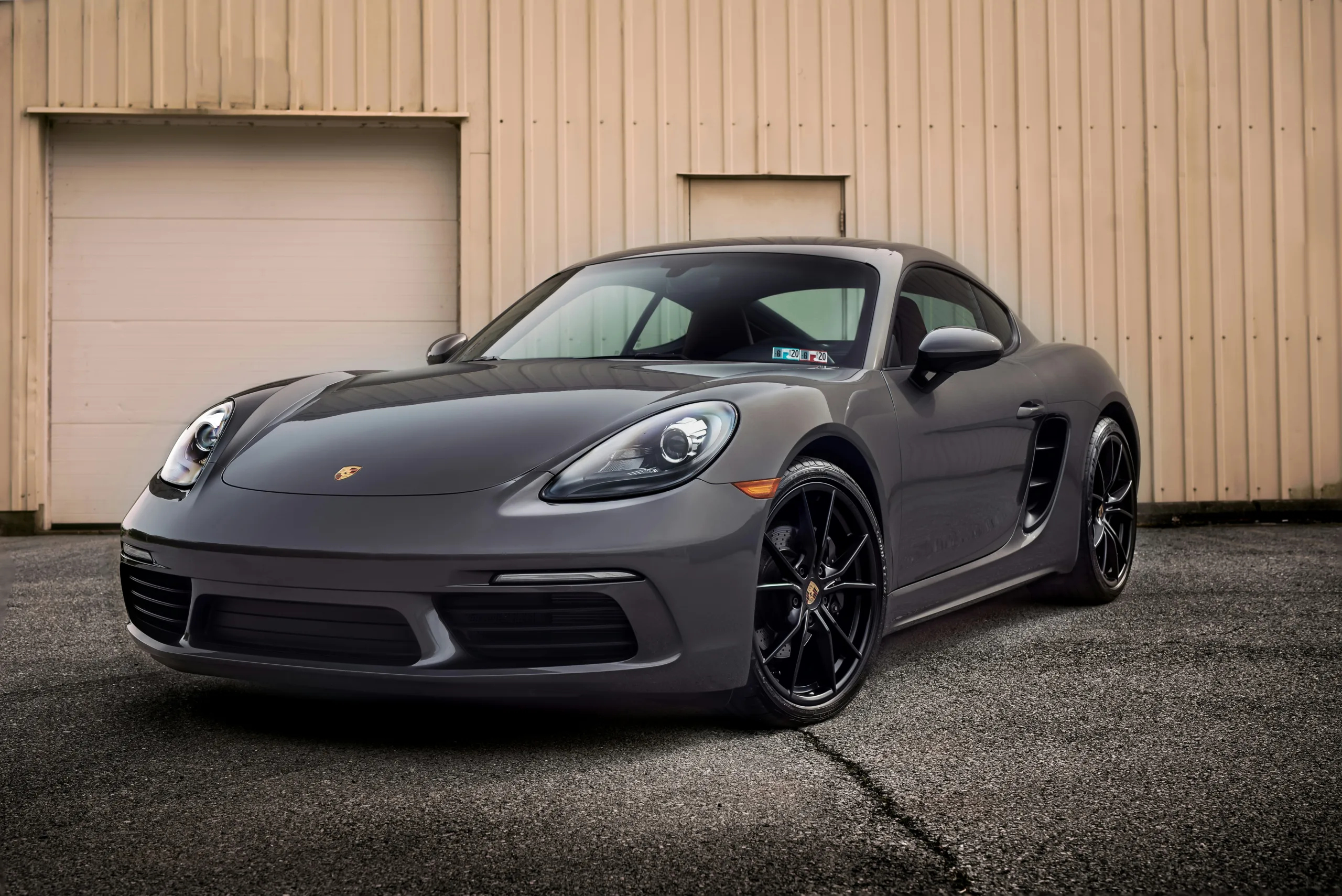
Headlights are the “eyes” of the car, and taillights are its signature. Capture them with a gleam. A well-placed reflection in the headlight or the subtle glow of daytime running lights can give the car a sense of personality or impending action. For taillights, especially at dusk or night, their unique design can be incredibly striking. Think about how car designers spend countless hours perfecting these elements – your job is to showcase their work.
Wheels and Brakes: Power and Performance
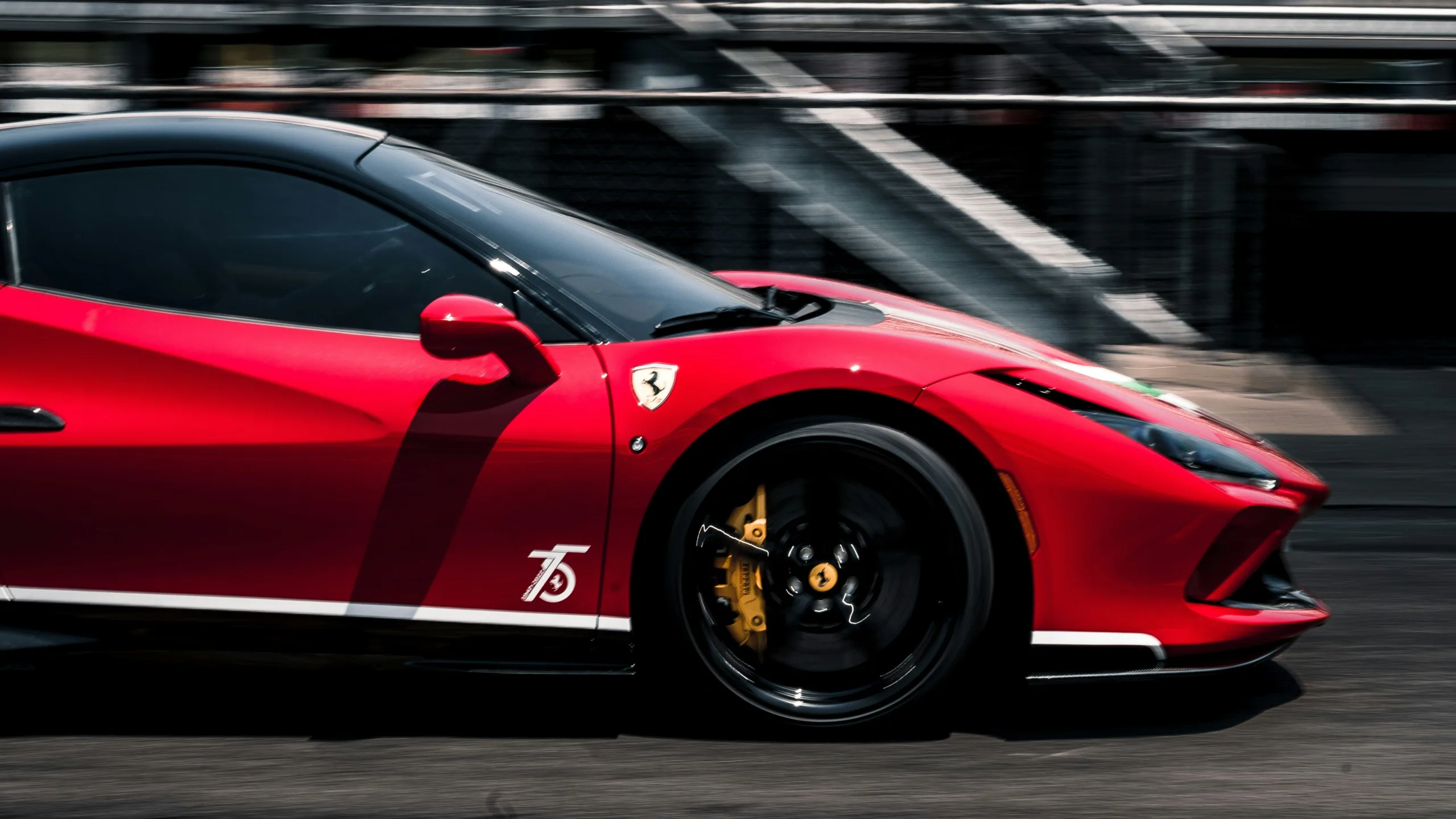
Wheels and brakes aren’t just functional; they represent performance. Show off those massive calipers, the intricate spoke designs, and the wide, sticky tires. A slightly angled shot emphasizing the wheel arch and the brake assembly speaks volumes about the car’s stopping power and handling capabilities. Clean wheels are non-negotiable; dirty wheels instantly diminish the perception of luxury and care.
Interior Craftsmanship: Luxury and Exclusivity
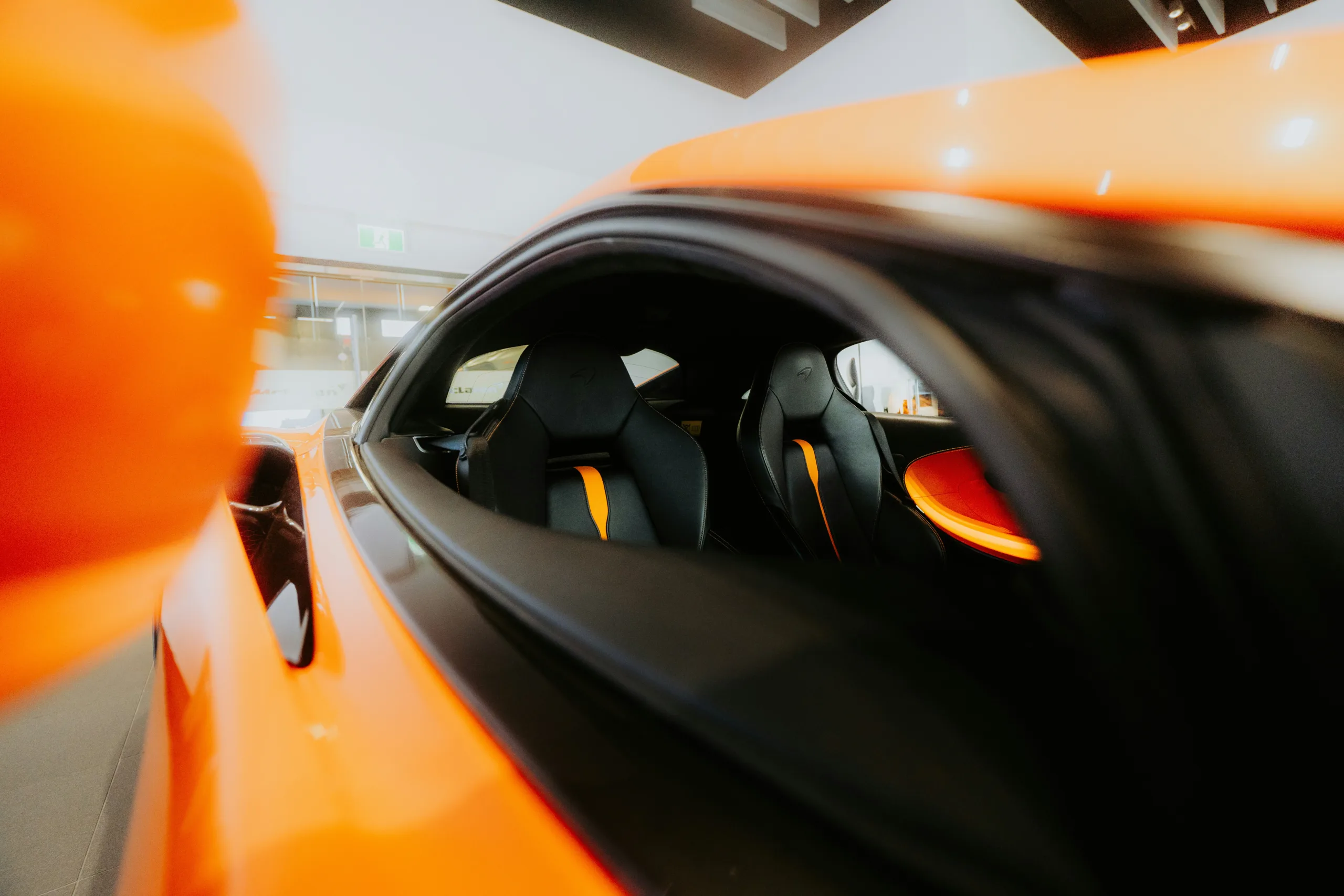
Don’t forget the cockpit. The interior of a supercar is a masterclass in materials and ergonomics. Focus on the stitching, the carbon fiber accents, the leather textures, and the unique dashboard layout. A wide-angle shot from the passenger side can give a sense of the spaciousness (relative to a supercar) and the driver-focused design. A close-up of a perfectly placed badge or a distinctive button can hint at the car’s bespoke nature. Make sure the interior is spotless and organized before shooting. A crumpled receipt or a stray coffee cup can ruin the effect.


Evoking Emotion and Lifestyle
It’s not just about the car; it’s about the experience and ownership.
Hinting at Speed and Motion
Supercars are built for speed. Even in a static shot, you can hint at this. A slight panning blur on the background (if the car is even slightly moving), or even just dynamic angles and leading lines, can imply velocity. A sense of anticipation in the shot, as if the car is about to unleash its power, can be incredibly effective. Consider the setting too; a winding road suggests movement more than a parking lot.
The Sense of Exclusivity and Aspiration
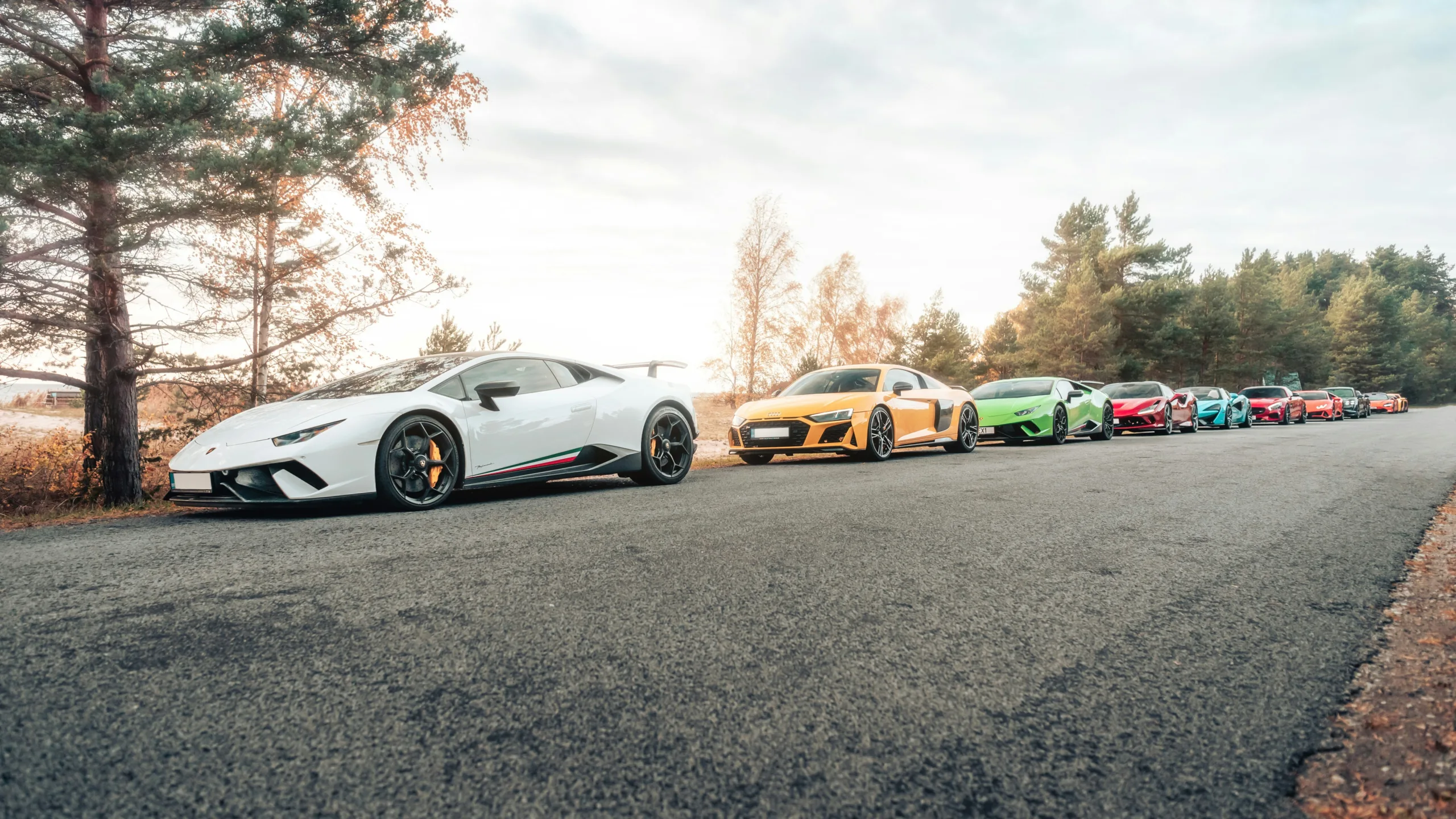
Supercars are aspirational. Position the car in environments that reinforce this feeling. Think about luxury architecture, scenic overlooks, or open, expansive roads that suggest freedom and adventure. Avoid common, mundane backgrounds. The goal is to make the viewer imagine themselves behind the wheel, experiencing the life this car represents. Subtle reflections of high-end environments in the car’s paintwork can also add to this feeling.
Post-Processing with Purpose
Post-processing isn’t just about making things “pop”; it’s about refining your vision and enhancing the emotions you want to convey.
Enhancing Colors and Tones
Supercars often come in vibrant, eye-catching colors. Use post-processing to bring out the richness of these hues without making them look artificial. Adjust saturation and vibrance carefully. Pay attention to the car’s specific paint finish – matte, metallic, gloss – and enhance its unique qualities. Contrast adjustments can add depth and drama, making the car stand out from its surroundings.
Sharpening and Detail Refinement
A supercar’s details are crucial. Use sharpening tools judiciously to make those sharp lines, badges, and intricate components truly stand out. Be careful not to over-sharpen, as it can introduce ugly artifacts. Localized adjustments to bring out highlights or deepen shadows on specific areas like calipers or carbon fiber can also make a significant difference. Remember, the goal is to enhance, not to create.
Removing Distractions
Sometimes, there are small, unavoidable distractions in the background – a stray leaf, a power line, a faint smudge on the pavement. Use cloning and healing tools to subtly remove these elements. This helps keep the focus squarely on the supercar and maintains the clean, polished aesthetic associated with luxury performance vehicles.
By focusing on these visual details – from the way light sculpts the car to the subtle hints of speed and luxury – you’ll move beyond just taking a picture of a supercar and start creating images that truly sell desire. It’s about storytelling through optics, making the viewer feel the passion and power contained within that magnificent machine.