Marble, Wood and Light: The Visual Language of Luxury Interiors
May 31, 2026
Luxury interiors aren’t just about expensive stuff; they’re a carefully crafted experience. Think of it as a visual conversation, where certain materials and how they interact with light speak volumes about sophistication, quality, and a certain timeless elegance. At the heart of this conversation are marble, wood, and light – three key players that, when combined thoughtfully, create spaces that feel both grand and inviting. Understanding how these elements work together can transform a house into a truly luxurious home.
Marble has been a symbol of luxury for centuries, and for good reason. Its natural beauty, dramatic veining, and cool, smooth touch create an immediate sense of opulence and permanence. It’s not just a surface; it’s a statement.
Veining: The Fingerprint of Nature
The captivating patterns within marble are what truly set it apart. No two slabs are alike. The swirling lines, subtle mottling, and bold striations are all the result of geological processes over millennia. This natural artistry means every marble application is unique, adding an exclusive character to a space.
Calacatta vs. Carrara: A Tale of Two Classics
When people think of classic marble, they often picture either Calacatta or Carrara. Calacatta marble, typically quarried in Italy, is renowned for its dramatically bold, often grey or gold veining against a stark white background. It tends to have fewer, but more pronounced, patterns. Carrara marble, also from Italy, is characterized by softer, more subtle grey veining against a lighter white or blue-grey background. It offers a more understated, yet still exceptionally elegant, finish. The choice between them subtly shifts the mood of a room – Calacatta for a bolder focal point, Carrara for a more serene backdrop.
Exotic Marbles: Pushing the Boundaries
Beyond the Italian classics, a world of exotic marbles exists. Think of vibrant greens like Verde Alpi, rich reds like Rosso Levanto, or deep blues like Blue Sapphire marble. These marbles bring a unique personality and a daring splash of color, transforming interiors into something truly extraordinary. They often require a more deliberate design approach to ensure they become a harmonious part of the overall scheme rather than overwhelming it.
The Tactile Experience: More Than Just Visual
Touching marble is an essential part of its luxury appeal. The cool, smooth surface underfoot or against the skin offers a sensory experience that materials like laminate or tile simply cannot replicate. This tactile quality contributes to the feeling of comfort and indulgence that defines luxury interiors. Imagine the chill of a marble countertop on a warm day, or the smooth expanse of a marble floor beneath bare feet.
Durability and Timelessness: An Investment
While it requires care, marble is incredibly durable and can last for generations if properly maintained. This longevity makes it a wise investment, contributing to the long-term value and appeal of a property. Its classic nature means it rarely goes out of fashion, gracefully aging alongside the home it inhabits.
The Warm Embrace of Wood
Wood brings a warmth and natural beauty that perfectly balances the coolness of marble. Its organic presence softens spaces, while its versatility allows for an incredible range of applications, from architectural elements to decorative accents.
Grain and Texture: The Unique Character of Wood
Like marble, the grain of wood is its signature. From the tight, uniform lines of maple to the swirling knots of oak or the rich, deep patterns of walnut, each wood species tells its own story. The texture, whether polished smooth or left with a more pronounced grain, adds another layer of sensory appeal.
Hardwoods vs. Softwoods: Performance and Aesthetics
When we talk about luxury interiors, hardwood species like oak, walnut, maple, and cherry are generally preferred. They are denser, more durable, and often exhibit richer colors and more intricate grain patterns. Softwoods, such as pine, can be used, but they tend to be less resilient and more prone to dents and scratches. For flooring, cabinetry, and significant architectural features, hardwoods are the premium choice, offering both beauty and longevity.
Finishes: Enhancing Natural Beauty
The finish applied to wood is crucial in dictating its final look and feel.
Natural Oils and Waxes: The Unadulterated Look
These finishes penetrate the wood, enhancing its natural color and grain without creating a thick surface layer. They offer a matte or satin sheen, feeling velvety to the touch and preserving the organic character of the wood. This is often chosen for a more minimalist or Scandinavian-inspired luxury.
Varnishes and Lacquers: High Shine and Protection
These create a protective film on the surface of the wood, ranging from matte to high gloss. They offer excellent durability and are ideal for high-traffic areas or surfaces that require frequent cleaning. A highly polished lacquer can amplify the richness of dark woods, while a satin varnish can add a subtle sheen to lighter tones.
The Versatility of Wood: From Floors to Furnishings
Wood’s adaptability is one of its greatest assets in luxury design. It can be used for:
- Flooring: From traditional plank floors to intricate parquet patterns, wood flooring is a cornerstone of luxurious interiors.
- Cabinetry and Millwork: Custom-built cabinets, wall paneling, and intricate trim work in wood elevate kitchens, bathrooms, and living spaces.
- Furniture: From solid wood dining tables to finely crafted chairs and case goods, wood furniture is timeless and enduring.
- Architectural Elements: Beams, decorative screens, and even carved details in wood can add significant character and a sense of history.
The Illuminating Power of Light
Light is the unsung hero of luxury interiors. It’s not just about seeing; it’s about how we perceive materials, colors, and volumes. The right lighting can transform a space, highlighting textures, creating mood, and enhancing the overall sense of opulence.
Natural Light: The Ultimate Luxury
Abundant natural light is a defining characteristic of high-end homes. It’s free, dynamic, and provides a connection to the outdoors. Large windows, skylights, and well-placed openings maximize this precious resource, making spaces feel larger, airier, and more inviting. The way sunlight shifts throughout the day, casting changing patterns and highlighting the nuances of materials, is a luxury in itself.
Window Treatments: Controlling the Glow
While maximizing natural light is key, controlling it is equally important. Luxurious window treatments, such as custom drapes made from silk or velvet, or elegant sheer blinds, allow for modulation of light intensity and direction. They can soften harsh sunlight, create privacy, and add a layer of textural richness to the room.
Artificial Lighting: Crafting the Atmosphere
Artificial lighting systems are crucial for extending the usability and enhancing the mood of a space after dark or on overcast days. A well-designed lighting scheme should be layered, incorporating different types of fixtures for various purposes.
Ambient Lighting: The Foundation
This is the general illumination that fills a room. Think of recessed ceiling lights, stylish chandeliers, or elegant floor lamps. The goal is to provide a comfortable and even level of light that allows for general movement and activity. The quality of the light source – its color temperature and rendering – is important here. A warm, inviting glow is generally preferred for residential luxury.
Task Lighting: Directed Illumination
This type of lighting is focused on specific areas where work or activities are performed, such as kitchens, reading nooks, or vanity areas. Under-cabinet lights in the kitchen, adjustable reading lamps, or well-placed spotlights in a dressing room fall into this category.
Accent Lighting: Highlighting Features
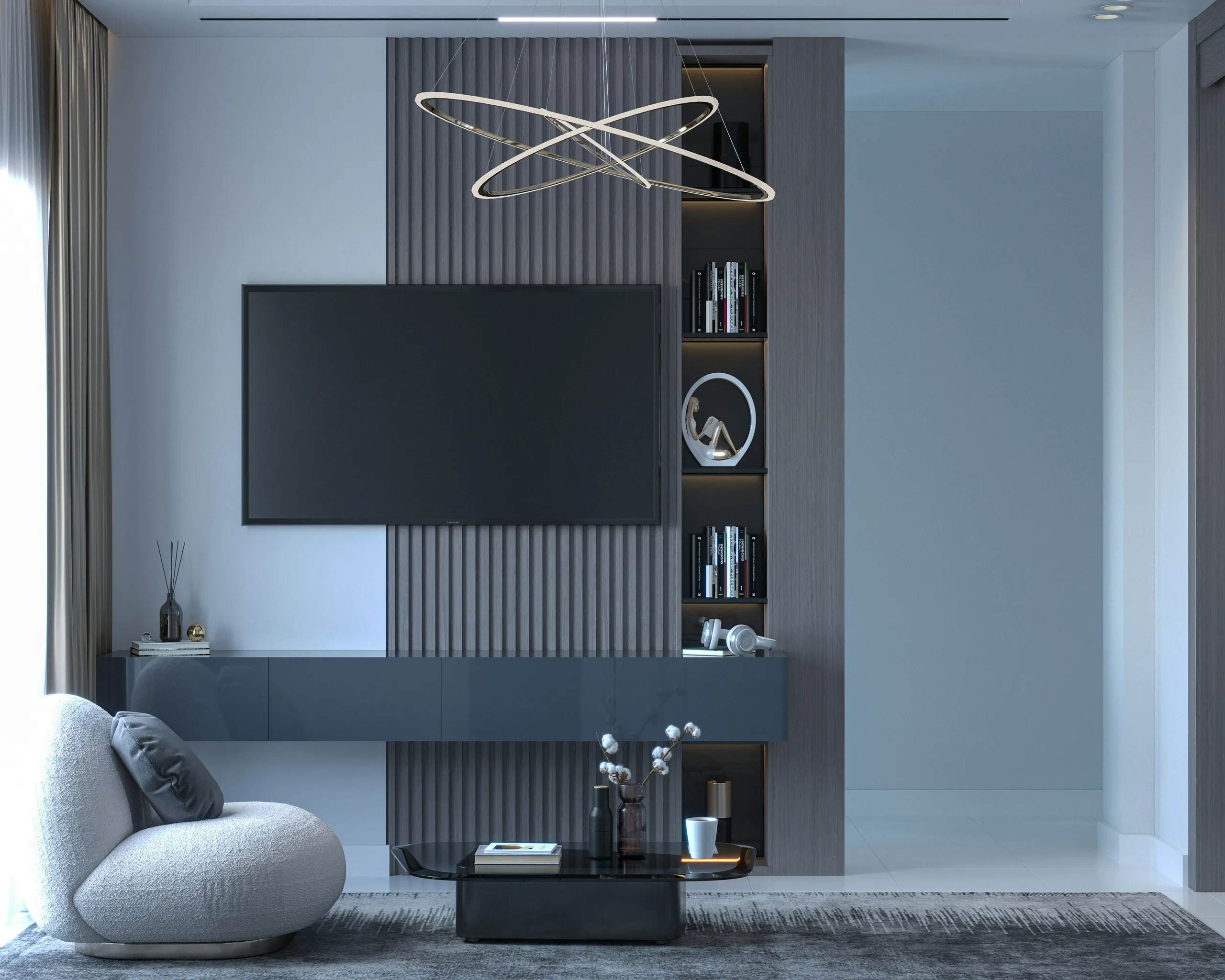
Accent lighting is used to draw attention to specific architectural features, artwork, or decorative objects. Wall-mounted spotlights, picture lights, or small uplighters can create dramatic effects and add depth to a room, showcasing the materials and elements you want to emphasize.
The Impact of Light on Materials
Light dramatically influences how we perceive the textures and colors of marble and wood.
- Marble and Light: Direct, bright light on marble can emphasize its polish and sheen, making its veins pop. However, too much harsh light can also make it appear cold. Soft, diffused light can bring out the subtle tones and natural beauty of the stone. The veining patterns can create fascinating shadow play under directional light, adding dynamic visual interest.
- Wood and Light: Warm lighting complements the natural hues of wood, bringing out its rich tones and enhancing its grain. Glossy finishes on wood can reflect light, creating a sense of spaciousness, while matte finishes absorb light, creating a more intimate and grounded feel. The play of light across a textured wood surface can reveal its depth and character.

The Symbiotic Relationship: Marble, Wood, and Light in Harmony
The true magic of luxury interiors lies not in the isolated use of these elements but in their intelligent interplay. They don’t compete; they complement each other, each enhancing the qualities of the other.
Creating Contrast and Balance
The cool, often stark beauty of marble is perfectly balanced by the warm, inviting nature of wood. This contrast creates visual interest and prevents a space from feeling one-dimensional.
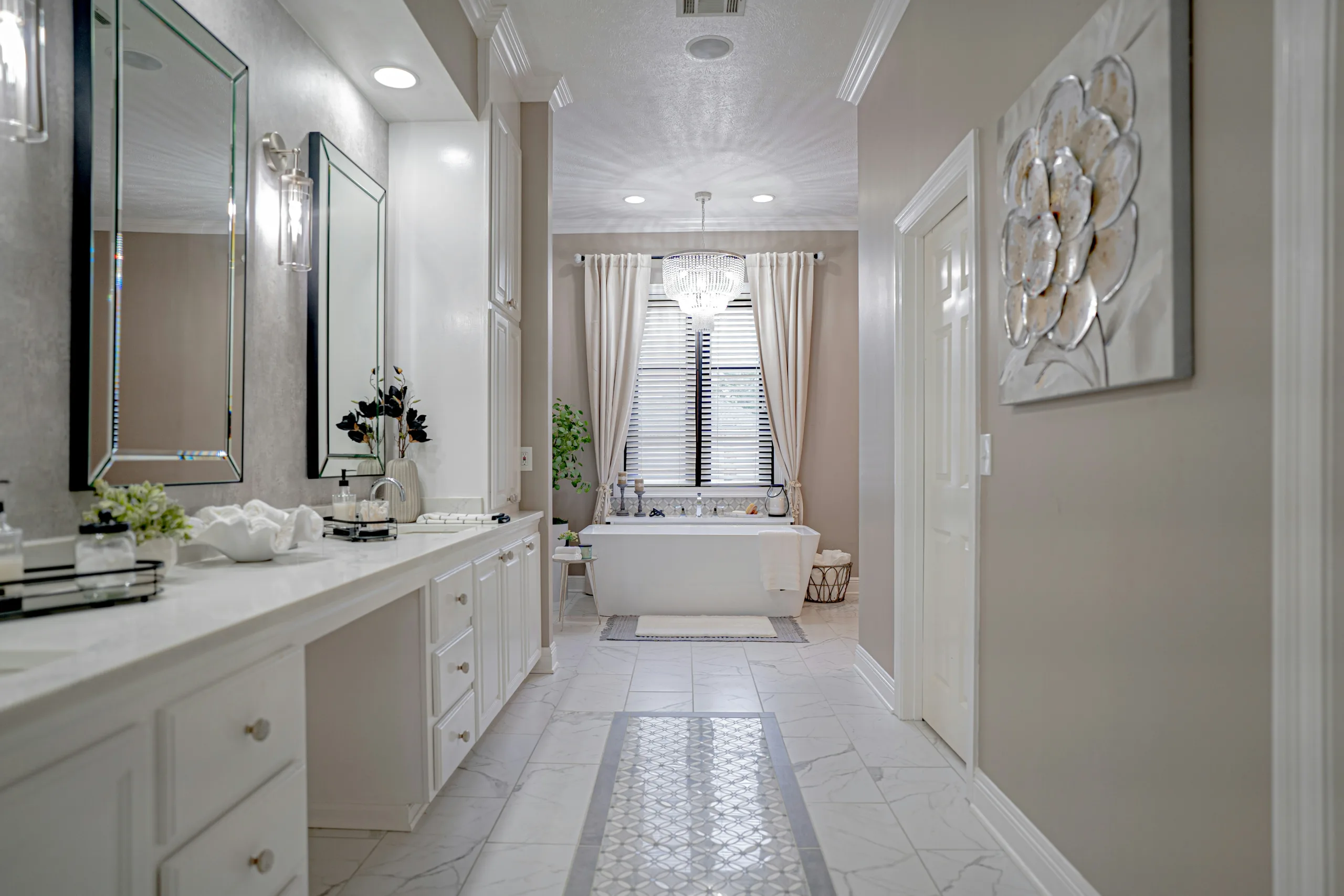
- Marble floors with wooden furniture: This classic combination grounds the space with the stability of marble underfoot while introducing warmth and natural texture through furnishings.
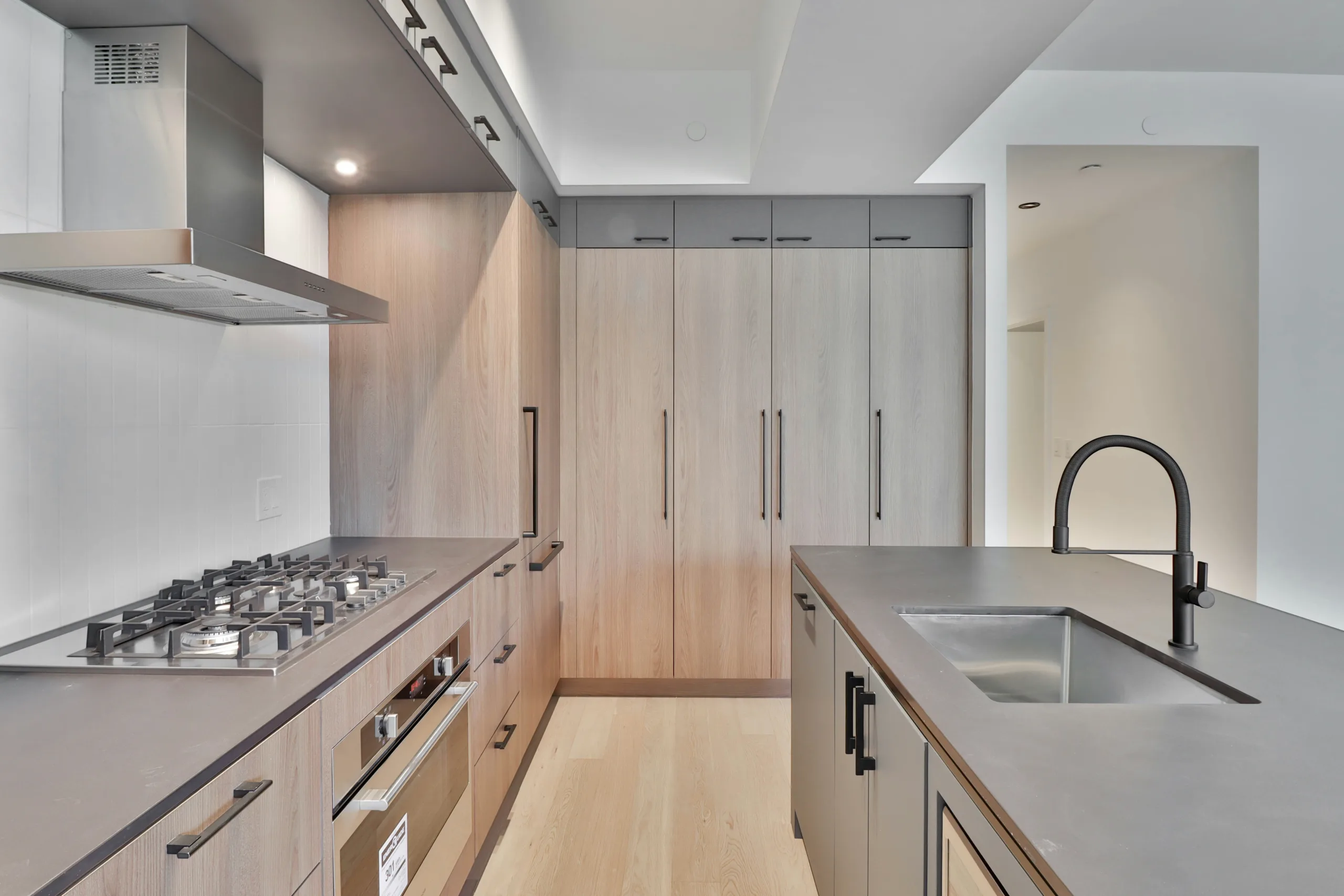
- Wooden cabinetry with marble countertops: In kitchens and bathrooms, this pairing offers a beautiful blend of practicality and elegance. The wood provides a warm, tactile experience, while the marble offers durability and a touch of undeniable luxury.
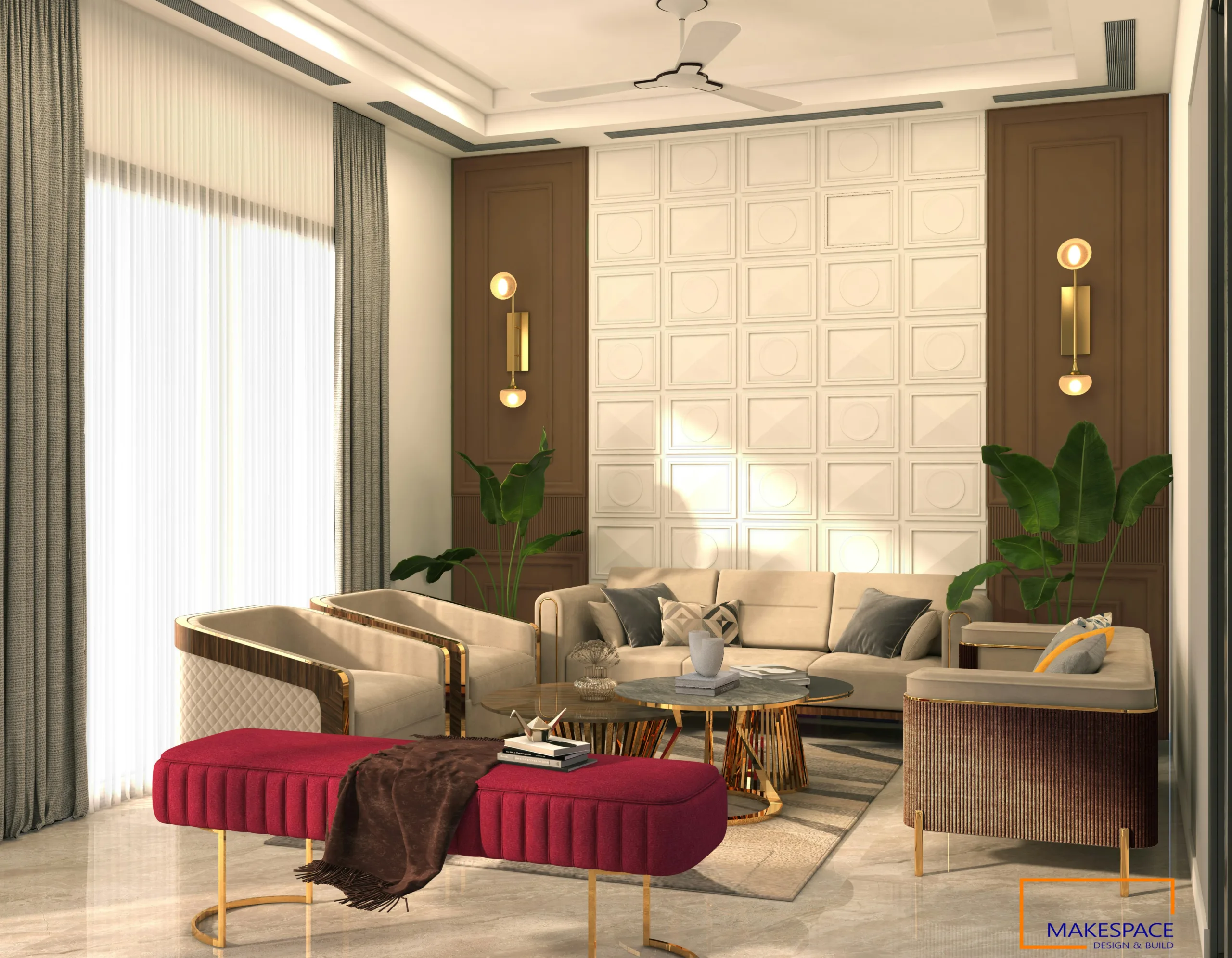
- Marble accent walls with wooden architectural features: A dramatic marble wall can be softened and made more approachable by surrounding it with wooden beams, paneling, or even a beautifully crafted staircase.
Amplifying Textures and Finishes
- Light plays a crucial role here. A warm spotlight on a textured marble wall can highlight its natural pits and fissures, giving it a more organic and artistic feel.
- Similarly, carefully directed light on a polished wooden floor can reveal the intricacies of its grain and the depth of its finish.
- The reflection of polished marble surfaces can bounce light around a room, making wooden elements appear richer and more vibrant.
Defining Zones and Flow
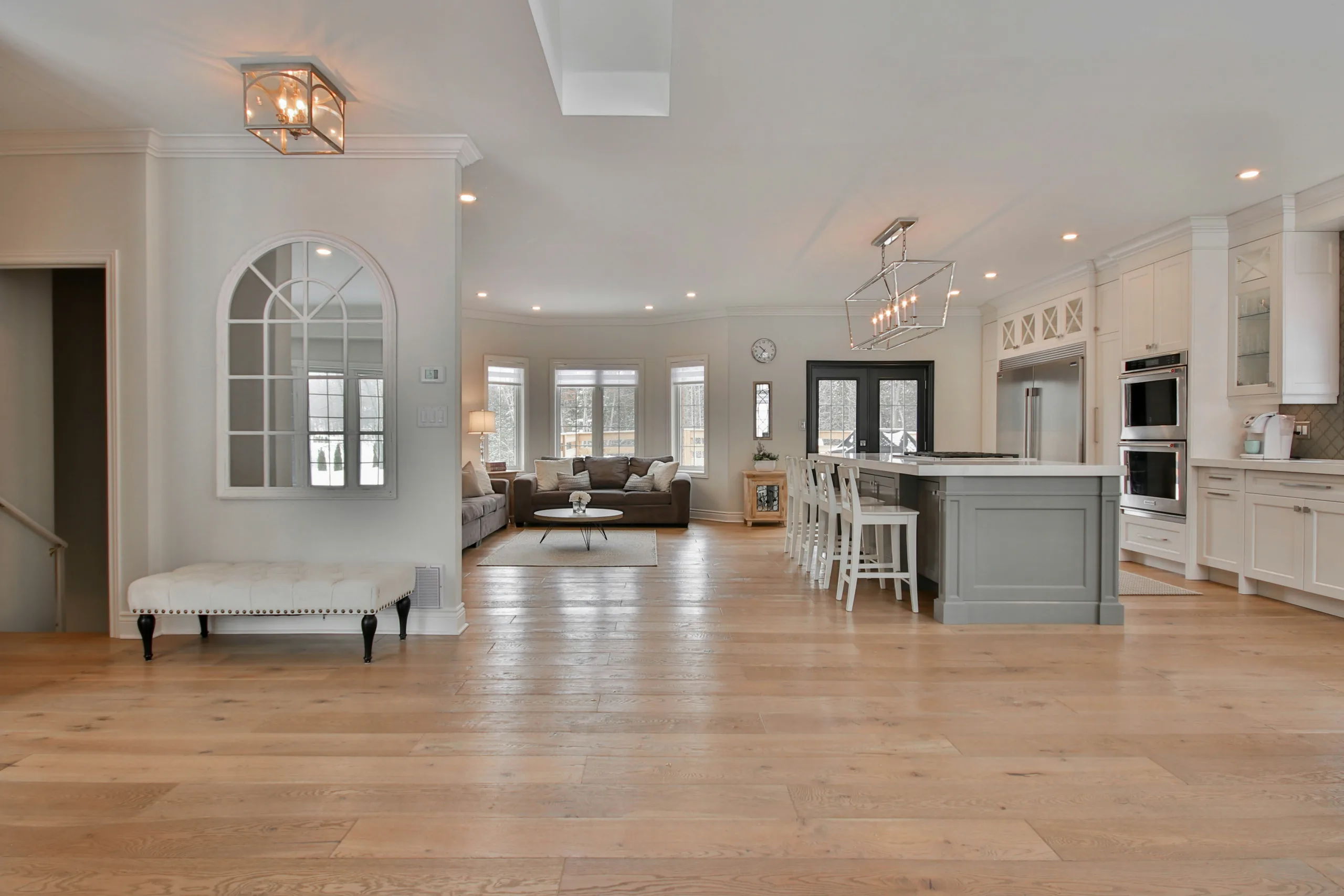
The strategic placement of marble and wood can help delineate different areas within an open-plan living space.
- A marble-tiled entrance foyer can transition smoothly into a wooden flooring in the living or dining area, creating a subtle shift in mood and purpose.
- In areas where wood is dominant, marble can be introduced as a sophisticated accent, such as a fireplace surround or a console table, providing a point of visual focus.
The Importance of Application and Craftsmanship
Even the most exquisite materials will fall short without thoughtful application and skilled craftsmanship. Luxury interiors are defined by the attention to detail and the quality of execution.
Precision in Installation
- Marble: Seams between marble slabs should be as invisible as possible. The cut and placement of veining in relation to each other can significantly impact the final aesthetic, requiring a skilled eye and precise handling.
- Wood: Joinery in wooden elements should be flawless. Whether it’s the tight fit of cabinetry drawers or the intricate patterns in a parquet floor, precision is paramount. The grain direction and how it flows across different pieces are also considerations for a harmonious look.
Bespoke and Customization
True luxury often involves bespoke elements tailored to the specific space and the owner’s preferences. This could range from custom-cut marble slabs that fit perfectly into unique architectural niches to hand-crafted wooden furniture designed to complement the room’s proportions.
Maintaining the Integrity of Materials
Understanding the care requirements for marble and wood is part of the luxury lifestyle. Regular sealing of marble to prevent staining, using appropriate cleaning products, and protecting wooden surfaces from excessive moisture or heat are all essential for preserving their beauty and longevity. This commitment to maintenance speaks to the investment made in these materials.
The language of luxury interiors is unspoken, conveyed through the tactile richness of a marble surface, the warm embrace of a wooden element, and the transformative power of light. When these three elements are brought together with intention and skill, they create spaces that are not just beautiful, but deeply resonant, speaking of enduring quality and a refined sensibility. It’s a dialogue of materials and light that defines spaces of true sophistication.