Luxury Real Estate and Interior Design: A Shared Content Strategy
May 31, 2026

Thinking about how luxury real estate and interior design can team up on content? The short answer is: they absolutely should, and it’s a goldmine for both. When these two industries collaborate on content, they create a much richer, more engaging experience for their audience – think stunning visuals, practical insights for high-net-worth individuals, and a double dose of authority. It’s about showing, not just telling, what truly defines luxury living.
Combining forces on content isn’t just a nice-to-have; it’s practically a necessity in today’s digital world. Both luxury real estate and high-end interior design cater to a very discerning clientele. These aren’t impulse buyers; they’re educated, research-savvy individuals making significant life investments. A shared content approach allows both industries to speak to this audience more effectively, covering more ground and offering a more complete picture of the luxury lifestyle they desire.
Amplified Reach and Credibility
Imagine a luxury real estate agency writing about the exquisite finishing touches of a bespoke home, while an interior designer talks about the potential and transformation of a high-end property. Suddenly, you’re not just getting a sales pitch; you’re getting expert insights from two trusted sources. This dual perspective naturally expands the reach of the content, as each industry likely has its own established audience, and cross-promotion becomes a natural byproduct. It also boosts credibility, as each party essentially endorses the other through the collaboration.
Holistic Storytelling
Buying a luxury home isn’t just about the bricks and mortar; it’s about a lifestyle, an experience, and often, a vision for the future. Similarly, exquisite interior design is about crafting an environment that reflects that vision. When content is shared, you can tell a more complete story. It’s not just “here’s a beautiful house”; it’s “here’s a beautiful house, and here’s how it can be transformed into your perfect sanctuary by Design Studio X.” This holistic storytelling is far more compelling.
Addressing the Full Client Journey
The journey of a luxury client, from initial interest to moving into their dream home, is complex. It involves property selection, renovation considerations, furniture sourcing, and often, ongoing maintenance. A shared content strategy can address touchpoints across this entire journey. Real estate professionals can introduce design concepts early on, and designers can offer practical advice for those looking at properties.
What Kind of Content Works Best as a Team?
When you’re combining the strengths of luxury real estate and interior design, you want to focus on content that highlights their natural synergy. Think aspirational, informative, and visually stunning.
Property Tours with Design Commentary
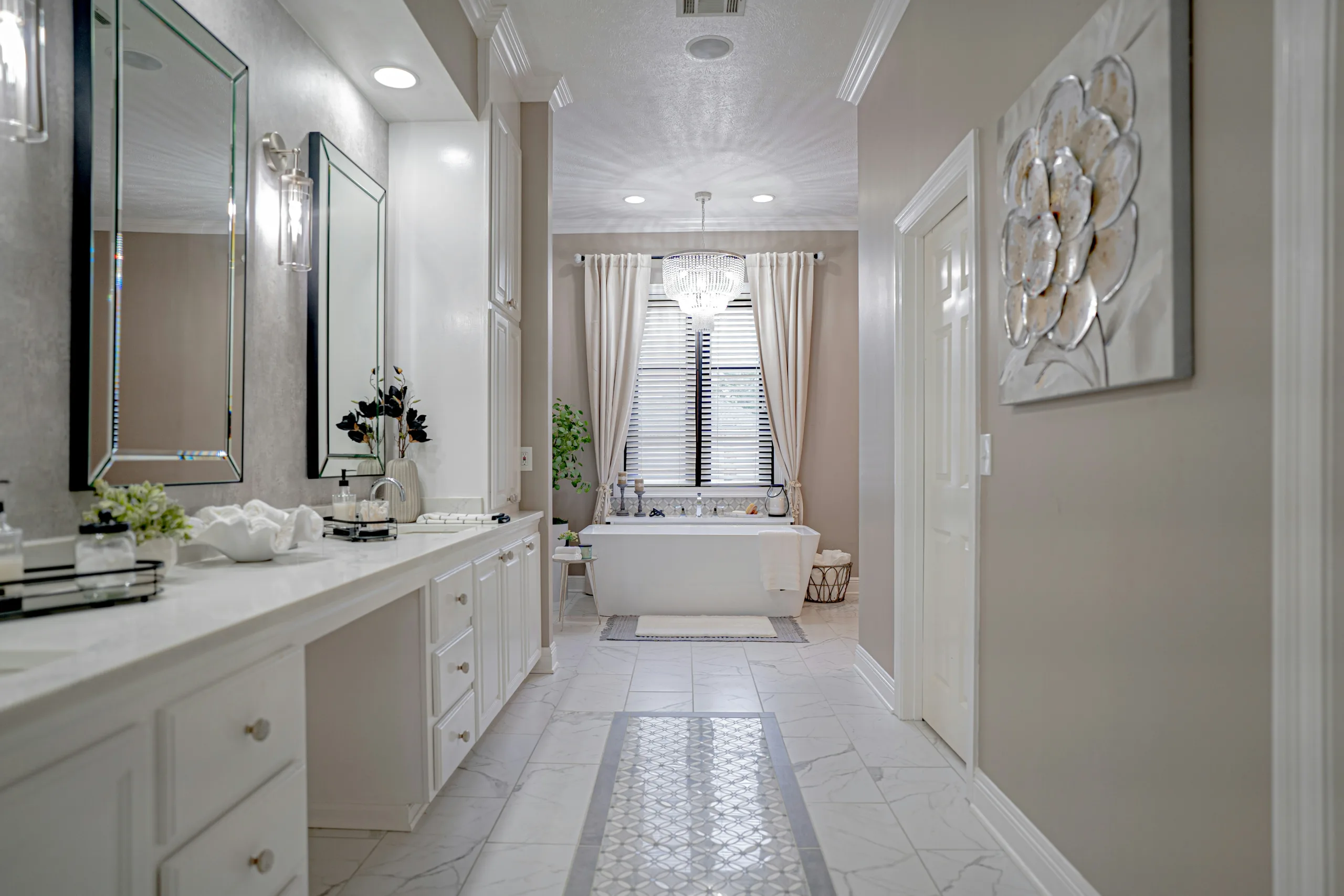
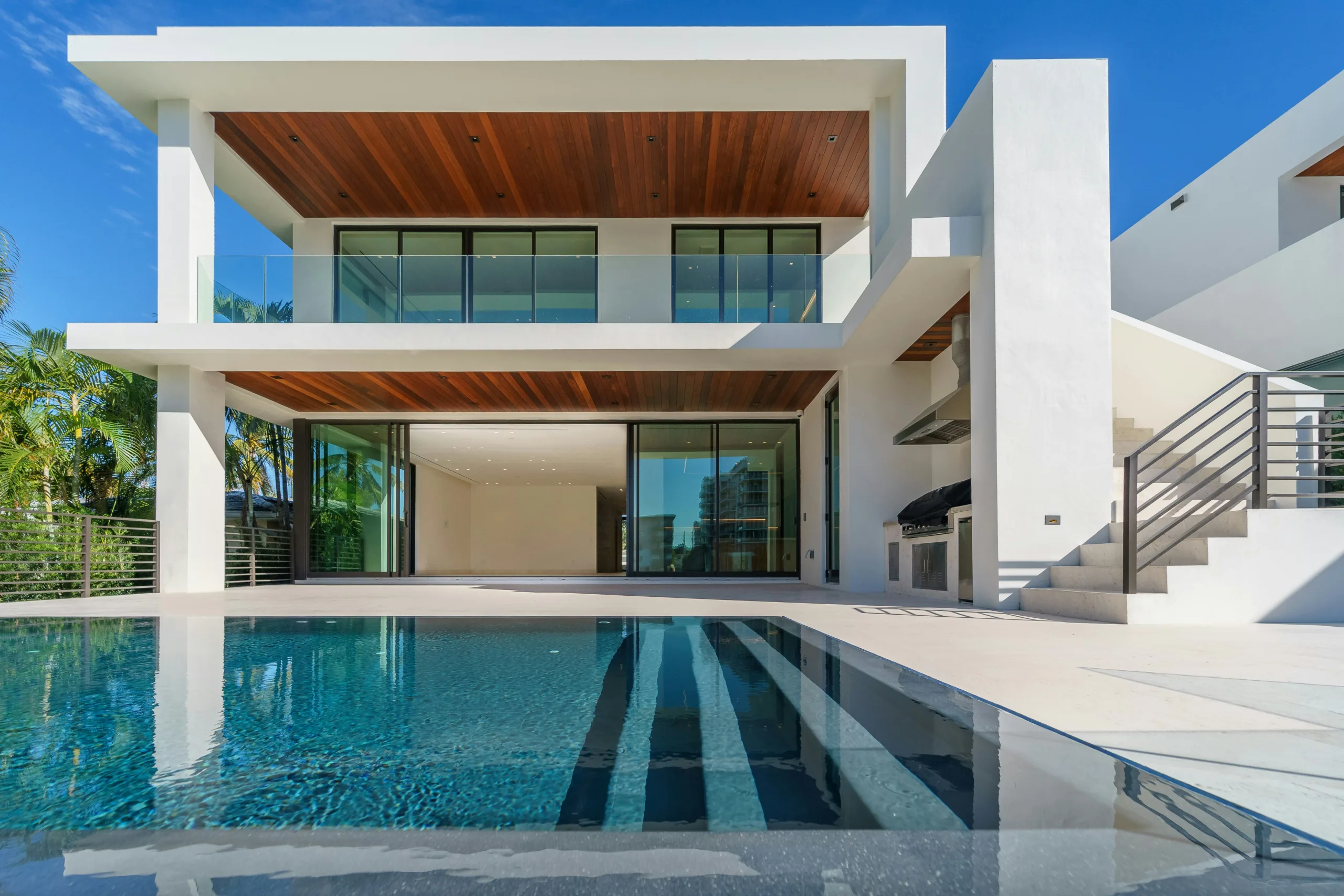
Instead of just a standard virtual tour of a luxury home, imagine one where an interior designer walks through, pointing out architectural details, discussing potential layouts, finishes, and how specific furniture pieces could elevate the space. This adds a layer of expertise and inspiration that a typical real estate agent might not provide.
Video Walkthroughs with Expert Commentary
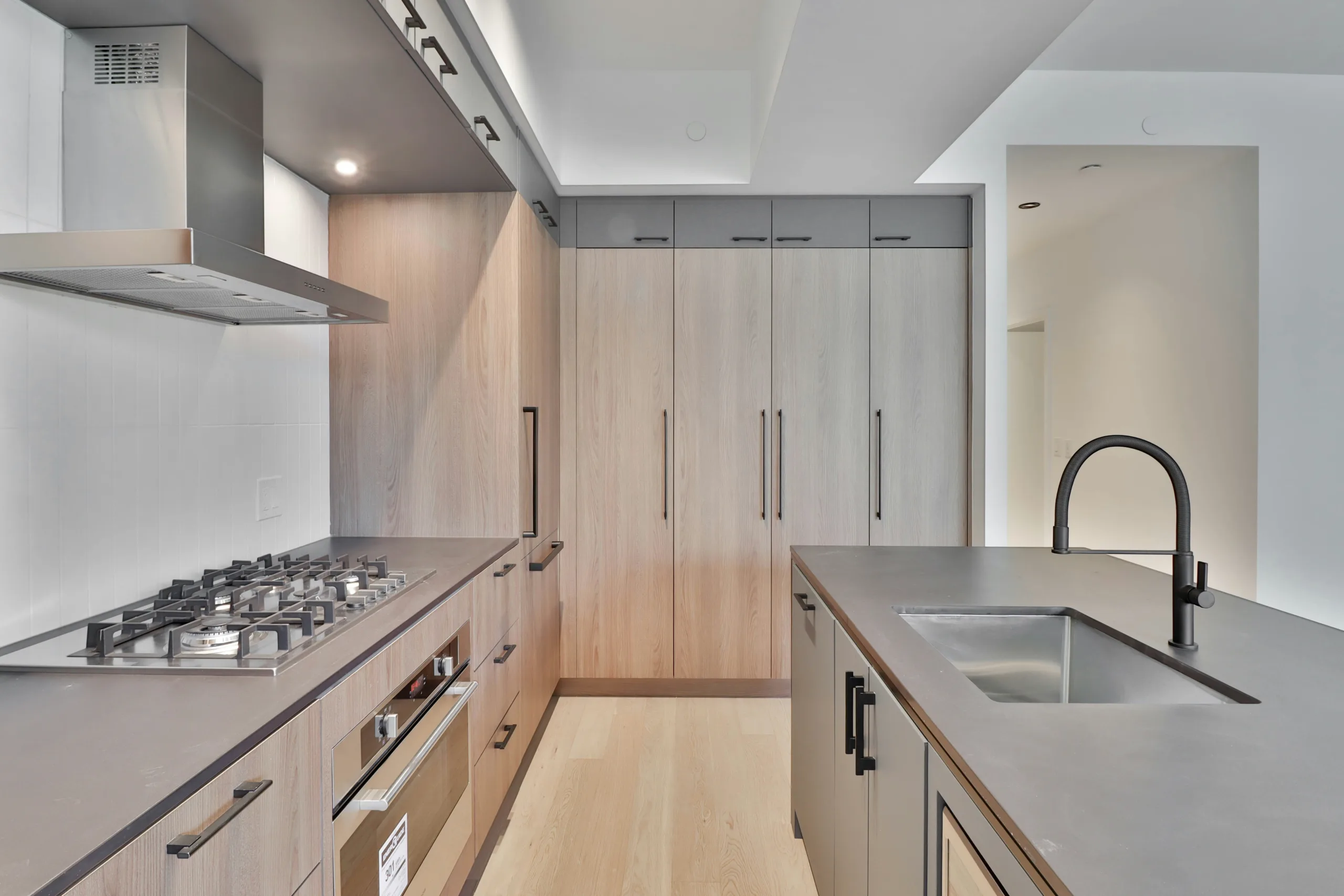
These aren’t just pretty videos; they’re guided tours. The real estate agent highlights the property’s features – the sprawling acres, the gourmet kitchen, the smart home technology. Then, the interior designer steps in, offering insights into how to maximize the natural light, integrate smart systems seamlessly into the decor, or choose finishes that enhance the home’s unique character. They might even discuss how a specific room’s existing design influences furniture placement or color palettes.
Before and After (Virtual Staging/Renovation Concepts)
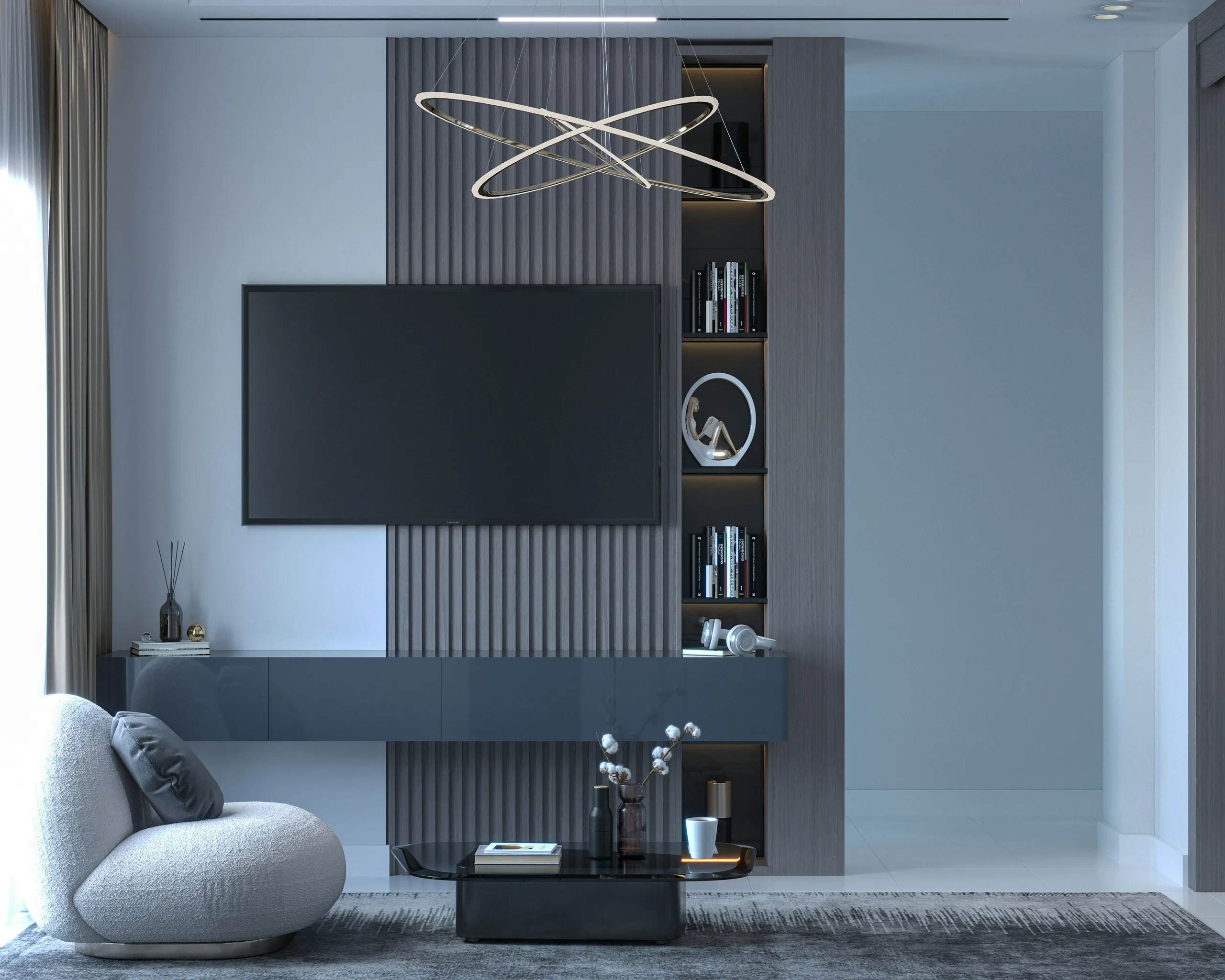
For properties that might need a little vision, “before and after” content is incredibly powerful. This could involve virtual staging that showcases a property’s potential with high-end furnishings and curated decor, or even conceptual renovation ideas presented by an interior designer. It helps potential buyers visualize themselves in the space and see its ultimate potential, rather than just its current state. You’re not just selling a house; you’re selling a dream.
Lifestyle-Focused Articles and Guides
Luxury isn’t just about property; it’s about a lifestyle. Content that taps into this broader concept resonates deeply with the target audience.
Guides to Curating a Luxury Home
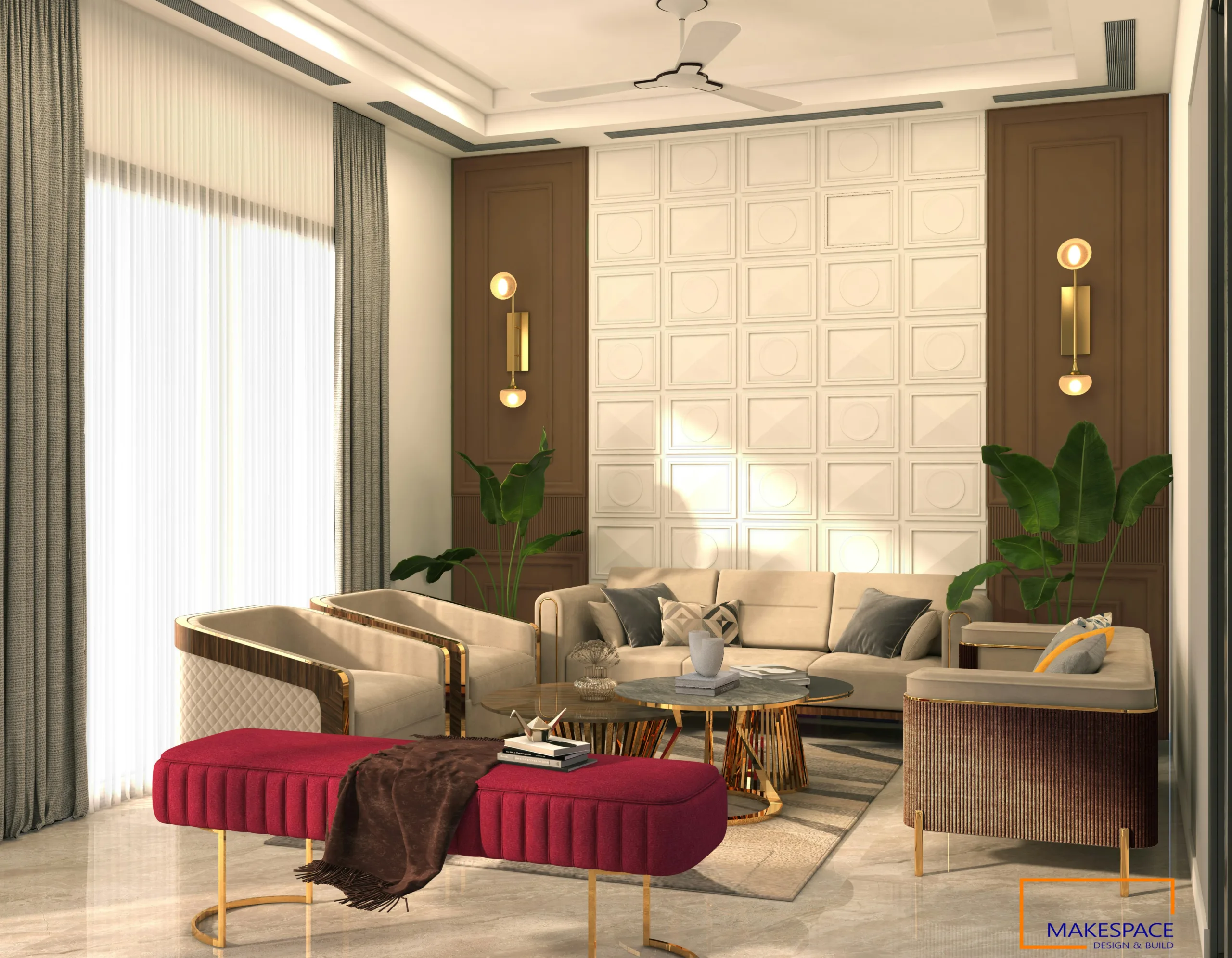
This type of content moves beyond just individual pieces of furniture. It’s about teaching the audience how to achieve a harmonious, high-end feel throughout their entire home. Interior designers can offer advice on everything from selecting timeless art pieces that complement the property’s architectural style to choosing sustainable and ethically sourced luxury materials. They could discuss the importance of layering textures, incorporating bespoke elements, or creating specific moods in different rooms (e.g., a serene master retreat versus an energetic entertainment space). Real estate involvement here could be discussing how certain home styles lend themselves to particular design approaches.
Neighborhood Spotlights with Design Influences
When someone buys a luxury home, they’re often buying into a particular neighborhood and its associated lifestyle. A shared content piece could explore a high-end neighborhood, not just from a real estate perspective (amenities, property values) but also from a design angle. For instance, how do the historic homes in a certain area inspire a specific interior design aesthetic? Or how does the local art scene influence decor choices? This combines the local expertise of a real estate agent with the stylistic insights of a designer.
Investing in Art and Collectibles for Your Home
High-net-worth individuals often view their homes as a place to showcase their passions and investments. Content that covers integrating art and collectibles into interior design is incredibly valuable. Designers can offer tips on lighting artwork, choosing pieces that complement the home’s existing style, or creating dedicated display areas. Real estate professionals can chime in on how valuable art collections might impact home insurance or security considerations, or how homes with built-in galleries are perceived in the market.
Behind-the-Scenes and Expert Interviews
People love to see the process and hear from the experts. This type of content builds trust and showcases the skill involved in both industries.
Interviews with Architects, Builders, and Designers on Specific Projects
Imagine a conversation between a luxury real estate agent, the architect who designed a featured property, and the interior designer who furnished it. This offers unique insights into the vision, challenges, and execution of a high-end project. It makes the property come alive with the stories of the people behind it.
The Process of Custom Home Building/Renovation
For clients considering a bespoke build or a significant renovation, understanding the process is key. A joint series could walk through the stages: from property acquisition with the real estate agent, to architectural planning, interior design conceptualization, contractor selection, and final execution. This educates the client and positions both parties as trusted guides through a complex journey.
Showcase of Luxury Materials and Craftsmanship
This content could highlight the unique materials used in high-end homes and design – think rare wood species, exotic stone, custom metalwork, or hand-painted wallpapers. An interior designer can discuss the aesthetic and functional benefits, while a real estate professional might talk about how these elements contribute to the property’s value and appeal to discerning buyers. Visiting workshops or studios where these materials are crafted adds an extra layer of authenticity.
Practical Steps to Get Started
So, you’re convinced. Now, how do you actually make this shared content strategy happen without it becoming a giant headache?
Identify Complementary Partners
This is crucial. You need partners whose brands align with yours in terms of quality, target audience, and professional ethos. A luxury real estate agency shouldn’t partner with an entry-level interior designer, and vice-versa. Look for individuals or firms with a strong reputation, excellent portfolios, and a shared vision for quality.
Due Diligence is Key
Before diving into a collaboration, do your homework. Look at their past work, client testimonials, and their own online presence. Does their aesthetic align with yours? Do they have a similar commitment to client service? Meeting in person (or virtually) to discuss philosophies and expectations is also essential. A mismatch in values or work ethic can quickly derail a partnership.
Define Roles and Responsibilities Clearly
Ambiguity kills collaboration. Before you even brainstorm content ideas, sit down and map out who is responsible for what. Who will handle content creation? Who will edit? Who will manage scheduling and publishing? Who is responsible for promoting the content, and on which channels? This clarity prevents misunderstandings and ensures a smoother workflow.
Brainstorm and Plan Together
Don’t just send ideas back and forth. Get together, virtually or in person, and brainstorm. What burning questions do your clients have? What trends are you seeing in the market? What unique properties or design projects are coming up that could be featured?
Develop a Content Calendar
Once you have a backlog of ideas, put them into a shared content calendar. This helps ensure a consistent flow of content and allows both parties to see what’s coming up and plan accordingly. Include deadlines, responsible parties, and proposed publication dates. A visual calendar helps keep everyone on the same page.
Set Clear Objectives for Each Piece
Before you start creating, ask yourselves: What do we want this specific piece of content to achieve? Is it to generate leads, build brand awareness, educate our audience, or establish thought leadership? Knowing the objective helps shape the content and allows you to measure its success later.
Cross-Promote Like Crazy
Creating amazing content is only half the battle. You need to make sure people see it. This is where the shared aspect of the strategy really shines.
Leverage Each Other’s Social Channels
When a piece of content goes live, both the real estate agency and the interior design firm should share it across all their relevant social media platforms. Use reciprocal tagging, mentions, and calls to action to drive traffic to the content on each other’s platforms. This immediately doubles your organic reach.
Link to Each Other’s Websites and Portfolios
Within the content itself, and especially in blog posts or “about” sections, make it a point to link directly to your partner’s website, relevant projects, or portfolio. This not only provides valuable context for the reader but also offers SEO benefits through valuable backlinks.
Co-Host Webinars or Workshops
Take the content offline (or live online) by co-hosting webinars or workshops. These could be on topics like “Designing Your Dream Home” or “The Art of Staging for Luxury Sales.” This interactive format allows for direct engagement with your audience and positions both parties as accessible experts.

Measuring Success and Adapting
A content strategy isn’t a “set it and forget it” kind of thing. You need to keep an eye on what’s working and be ready to tweak your approach.
Track Relevant Metrics
Just like any marketing effort, you need to measure the success of your shared content. Look at website traffic coming from shared posts, engagement rates on social media, lead generation specifically linked to collaborative content, and direct inquiries mentioning the joint effort. Don’t forget to track the positive sentiment or comments your content generates.
Gather Feedback
Don’t be afraid to ask your audience what they think. Use polls on social media, ask for comments on blog posts, or simply pay attention to what questions are frequently asked. This feedback is invaluable for refining your strategy.
Be Flexible and Evolve
The luxury market, like all markets, is always changing. New trends emerge, client preferences shift, and digital platforms evolve. Be prepared to adapt your content topics, formats, and distribution channels. Regular check-ins with your partner to review performance and discuss future ideas will keep the strategy fresh and effective.
By truly collaborating on content, luxury real estate and interior design industries can unlock a powerful new way to connect with their high-net-worth clientele. It’s about more than just marketing; it’s about offering a comprehensive, inspiring, and expert-driven view of luxury living that genuinely resonates.