Luxury Interior Design Trends for Modern Lifestyle Homes
May 31, 2026
So, you’re wondering about luxury interior design trends for modern lifestyle homes. The main takeaway right away is that it’s all about creating spaces that are both beautiful and genuinely functional, reflecting how we live today. Think less about flashy opulence and more about intelligent design, quality materials, and a sense of calm sophistication. It’s about tailoring your home to your life, not just following a passing fad.
The Evolving Definition of Luxury
Luxury isn’t just about expensive things anymore. It’s about bespoke experiences, effortless comfort, and spaces that support well-being. Modern luxury is understated, focused on quality and craftsmanship, and often has an element of sustainability woven in. It’s a feeling, a sense of peace and efficiency, rather than just overt displays of wealth.
Minimalism and Thoughtful Curation
This trend isn’t new, but it’s becoming more refined. It’s not about stark, empty rooms, but rather about carefully chosen pieces that serve a purpose and bring beauty.
Quality Over Quantity
Instead of filling a space with many average items, people are investing in fewer, high-quality pieces. A well-crafted sofa, a beautiful original artwork, or a unique antique can make a much bigger statement than a room full of mass-produced furniture. This approach also reduces clutter, which is a luxury in itself in our busy lives.
Intentional Spaces
Every item earns its place. This means analyzing how you use each room and selecting furniture and decor that genuinely enhance that function. For example, a home office might have built-in storage solutions that seamlessly integrate into the room’s aesthetic, keeping desks clear and minds focused.
Invisible Storage
To maintain a minimalist aesthetic, clever storage is key. Think integrated cabinets, hidden wall units, and furniture with built-in compartments. The goal is to keep everyday items out of sight but easily accessible, creating a serene and uncluttered environment.
Integrating Nature and Biophilic Design
Bringing the outside in isn’t just about having a few houseplants anymore. Biophilic design is about creating a deeper connection with nature, which has proven benefits for mental well-being and stress reduction.
Natural Materials Dominance
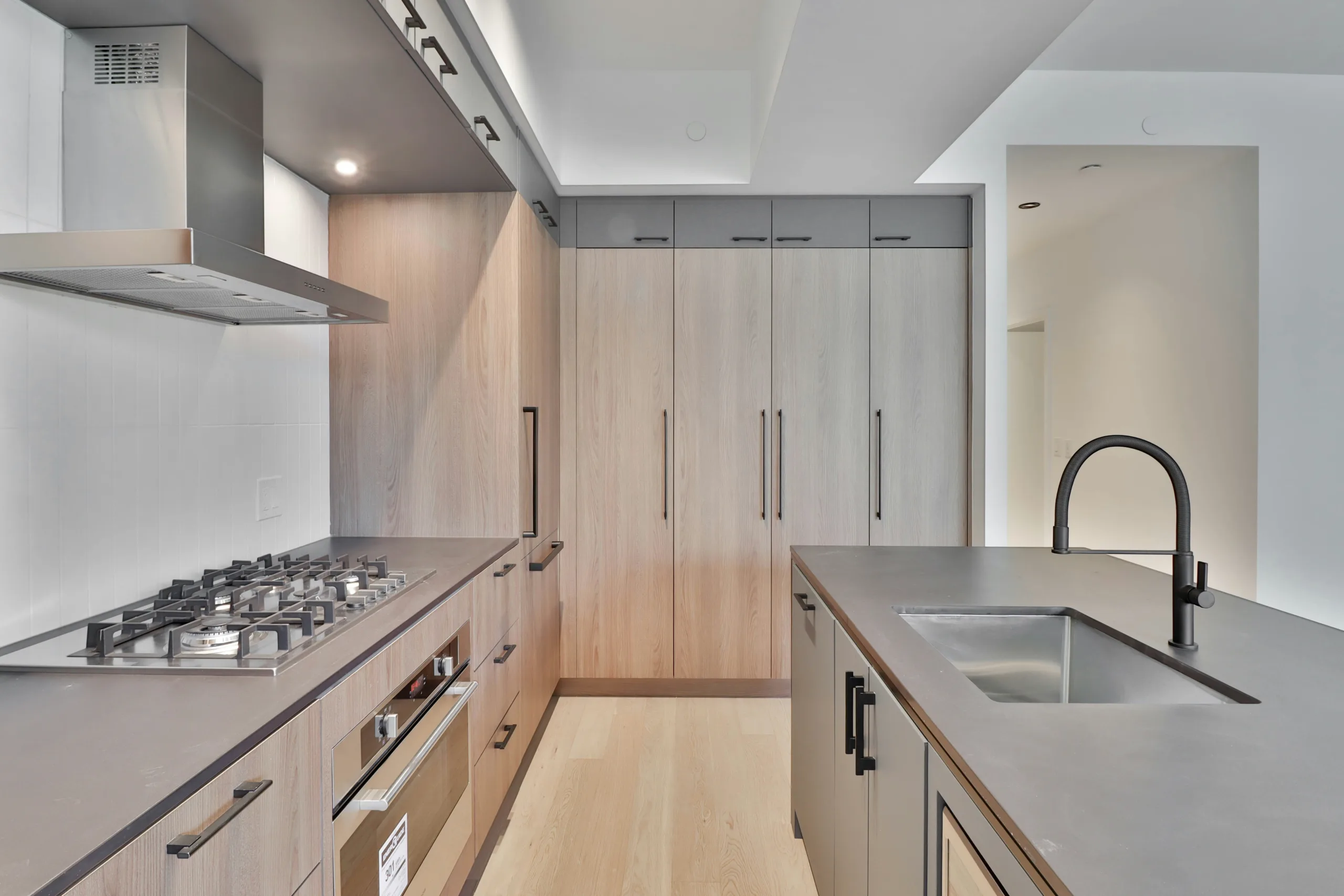
Expect to see a lot of wood, stone, rattan, and linen. These materials aren’t just sustainable; they also add texture, warmth, and an organic feel to a space. Think polished concrete floors, oak cabinetry, marble countertops, and linen drapes. The beauty lies in their imperfections and natural variations.
Abundant Greenery
Beyond a simple potted plant, this means incorporating living walls, indoor gardens, and larger, strategically placed trees and plants. The choice of plants also matters – large-leafed varieties like Fiddle Leaf Figs or Strelitzia add architectural interest.
Maximizing Natural Light
This is a non-negotiable for modern luxury. Large windows, skylights, and open-plan layouts are designed to let in as much natural light as possible. Where natural light is limited, clever lighting design with layers of ambient, task, and accent lighting can mimic its effects and create a welcoming glow.
Connection to Outdoor Spaces
Blurring the lines between indoor and outdoor living is a big one. Think large sliding glass doors that open up living areas to patios or balconies, creating an expanded living space. Outdoor furniture is becoming as sophisticated and comfortable as indoor pieces, designed for genuine relaxation and entertaining.
Smart Home Technology, Discreetly Integrated
Technology is no longer clunky. It’s seamless, intuitive, and often invisible, working in the background to enhance comfort and convenience.
Automation for Comfort
Imagine lighting that adjusts throughout the day, blinds that open and close with the sun, and climate control that learns your preferences. These systems are managed usually through voice commands or subtle control panels, all designed to make life easier without being overtly technological.
Integrated Entertainment
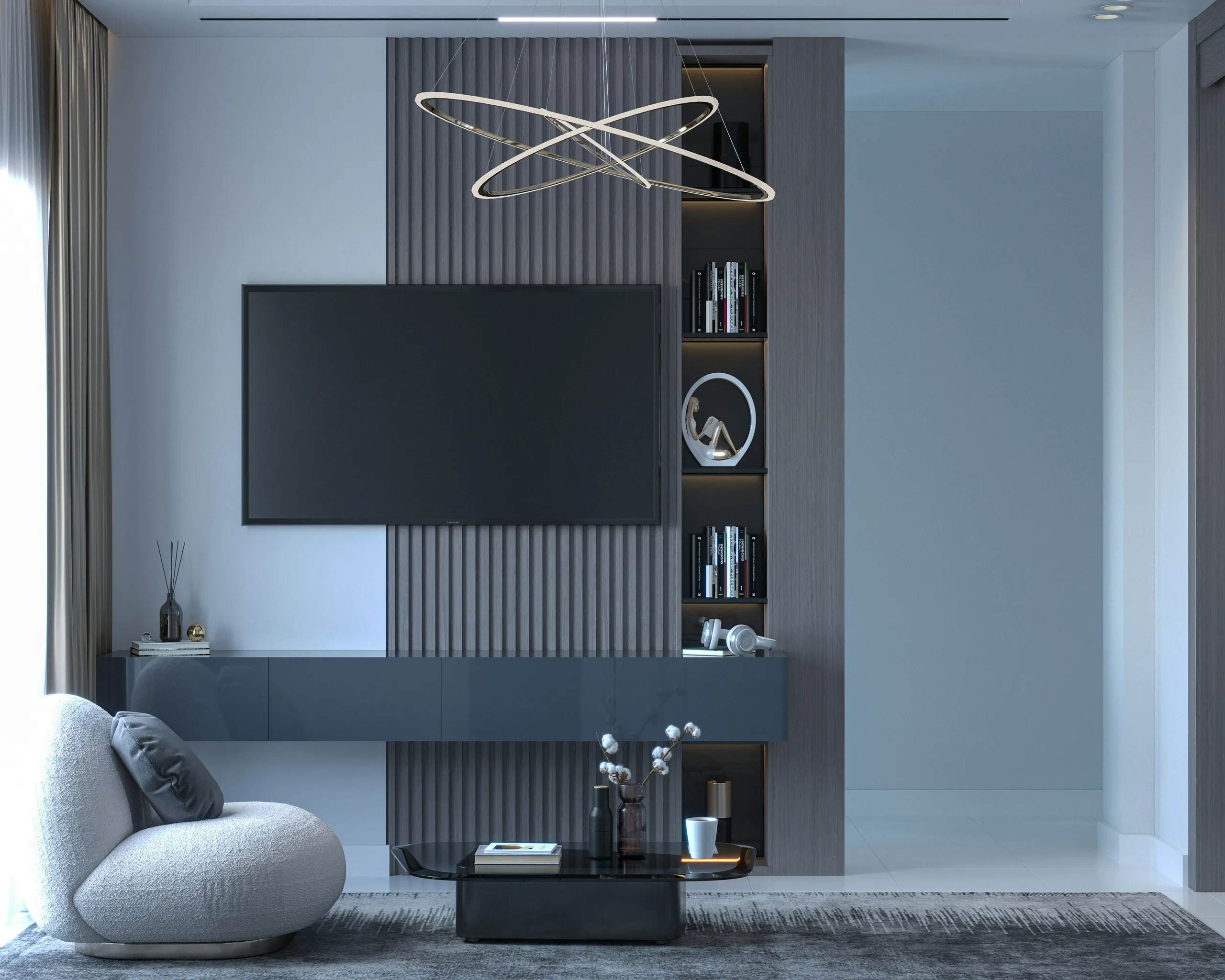
Televisions that emerge from hidden panels, speakers built into walls, and smart sound systems that provide music throughout the home – all without visible wires or bulky equipment. The focus is on the experience, not the gadgetry itself.
Security and Wellness Features
Beyond basic security, smart homes now offer features like air quality monitoring, advanced water filtration systems, and even smart mirrors that provide health insights. These additions contribute to a holistic sense of well-being within the home.
Voice Control and Intuitive Interfaces
The proliferation of smart assistants means that controlling your home is becoming as simple as speaking a command. Apps are designed to be user-friendly, offering customization without complexity. The key is that the technology serves you, not the other way around.
Bespoke Touches and Personalized Narratives
Modern luxury is deeply personal. It’s about creating a home that tells your story and functions perfectly for your lifestyle.
Custom Millwork and Built-ins
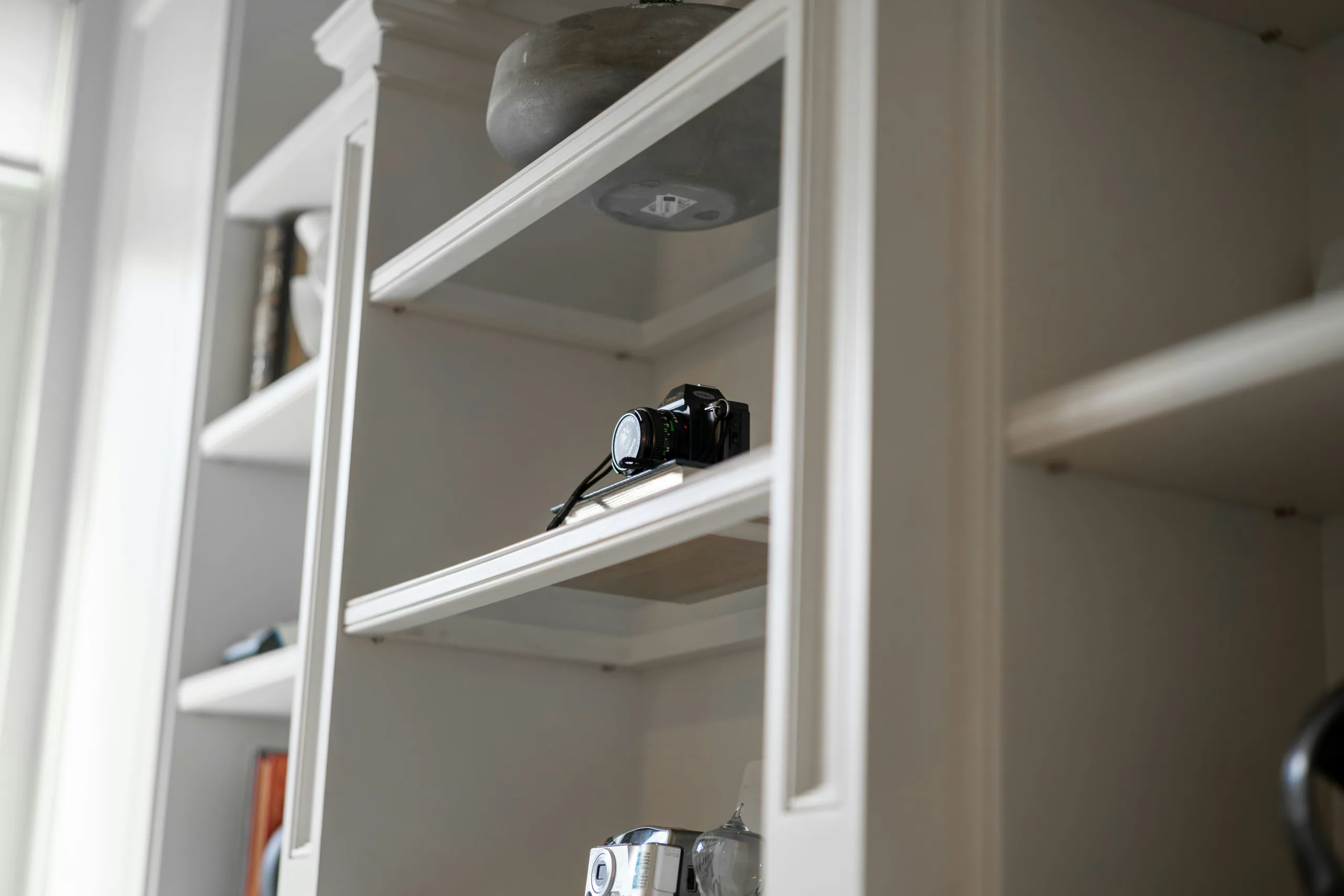
One-of-a-kind cabinetry, shelving, and furniture pieces designed specifically for your space. This isn’t just about aesthetics; it’s about optimizing every inch for storage and display, ensuring a perfect fit and seamless integration. For example, a custom-designed media unit or a built-in window seat with storage.
Curated Art and Collectibles
Instead of generic art, homeowners are investing in pieces that resonate with them, whether it’s original paintings, sculptures, or unique travel finds. These items are carefully placed to create focal points and inject personality into a space.
Unique Material Combinations
Mixing materials like warm wood with cool metal, rough stone with smooth glass, or soft fabrics with polished surfaces adds depth and interest. This thoughtful layering creates a tactile experience and a sense of sophisticated eclecticism.
Heirloom Pieces with Modern Interpretations
Integrating cherished family heirlooms or antique finds into a contemporary setting. This could mean reupholstering an old armchair in a modern fabric, or placing a vintage credenza alongside minimalist furniture. It’s about respecting the past while living in the present.
Wellness-Centric Design
The home is increasingly seen as a sanctuary, a place for rest, rejuvenation, and self-care. Design choices reflect this focus on physical and mental well-being.
Spa-Like Bathrooms
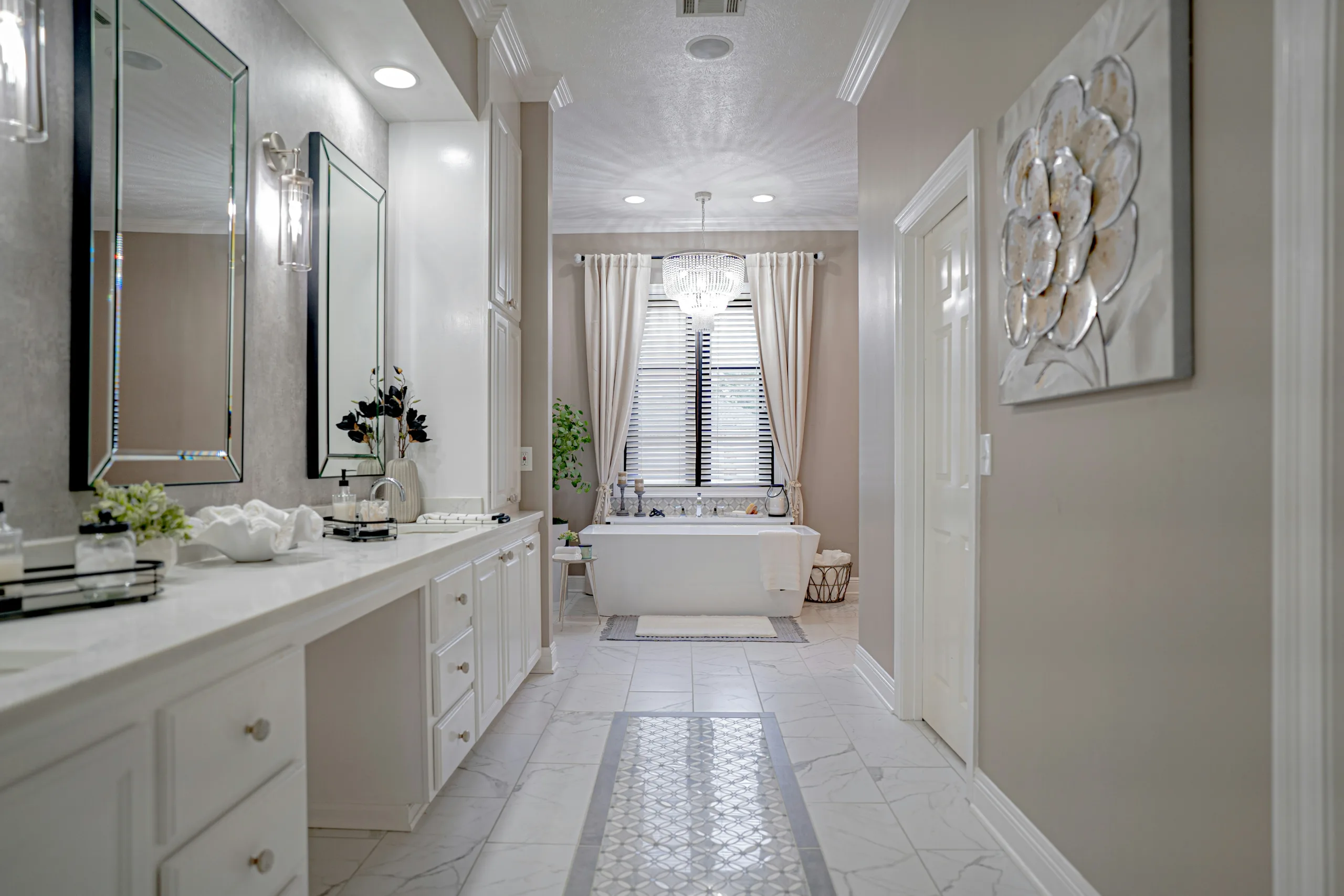
These are more than just functional spaces; they’re private retreats. Think large walk-in showers with multiple spray options, freestanding soaking tubs, heated floors, and ambient lighting. Natural stone, calming color palettes, and high-quality fixtures are standard.
Dedicated Wellness Zones
This might mean a home gym that feels like a boutique studio, a quiet meditation space, or even a specialized room for hobbies like yoga or painting. The idea is to create specific areas that support personal activities and relaxation.
Optimized Sleep Environments
Bedrooms are designed for ultimate rest. This includes soundproofing, blackout blinds, comfortable mattresses, and carefully chosen bedding. Color palettes tend to be serene and lighting is dimmable to encourage relaxation.
Air and Water Quality Focus
Beyond aesthetics, homeowners are investing in technologies that improve the actual quality of their living environment. High-efficiency air purification systems and advanced water filtration are becoming luxury standards, ensuring a healthier home for residents.
Color Palettes and Textures: Subtle Sophistication
Gone are the days of sterile white boxes or overtly bold, unnuanced color schemes. Modern luxury embraces a more sophisticated, nuanced approach to color and texture.
Earthy Neutrals and Muted Tones
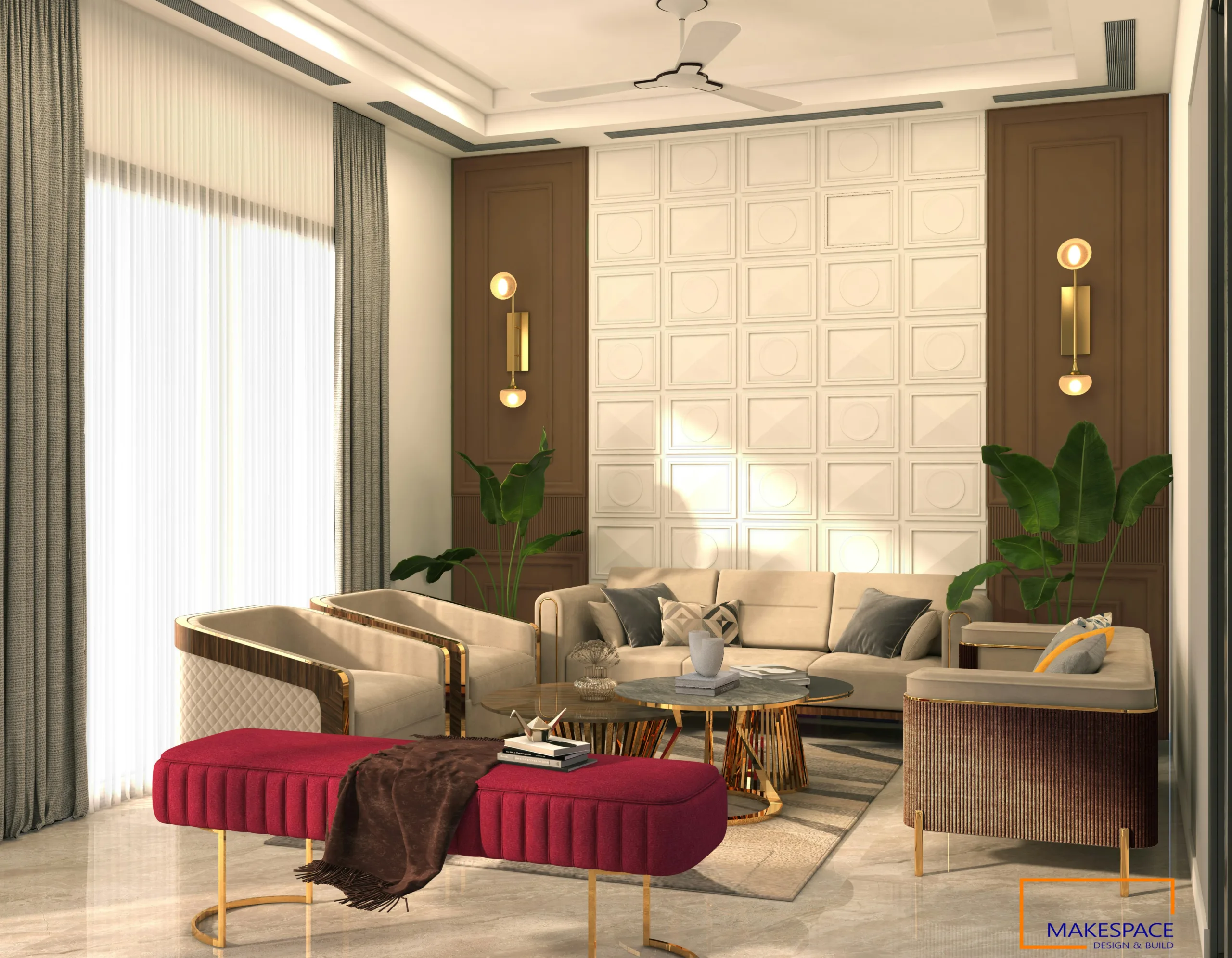
Think warm greys, soft beiges, muted greens, terracotta, and dusty blues. These colors create a calming and timeless backdrop, allowing furniture, art, and natural elements to stand out. They provide a sense of grounded tranquility.
Rich Textural Layers
Even with a neutral palette, texture adds immense depth. Consider boucle fabrics, ribbed wood, brushed metals, woven rugs, and raw concrete. These elements stimulate the senses and prevent spaces from feeling flat or sterile.
Strategic Pops of Color
While the overall palette is muted, a carefully chosen pop of deeper color can add vibrancy and personality. This might be an accent chair in a deep jewel tone, a vibrant piece of art, or a collection of decorative objects.
Darker, Moody Hues for Drama
In contrast to light neutrals, some spaces are embracing darker, moodier palettes. Think deep charcoals, rich navy blues, and forest greens, often used in studies, dining rooms, or bedrooms to create an enveloping, sophisticated atmosphere. These shades are balanced with warm lighting and tactile materials to prevent them from feeling cold.
Furniture and Layout: Comfort and Flow
Furniture choices and room layouts are dictated by functionality, comfort, and the ease of movement within the space.
Generously Sized, Comfortable Seating
Sofas and armchairs are designed for lounging and relaxation. Plush cushions, soft upholstery, and ergonomic considerations are paramount. Modular seating is also popular, offering flexibility to adapt to different social situations.
Open-Concept Refinements
While open-plan living remains popular, there’s a trend towards creating ‘zones’ within these larger spaces. This can be achieved through clever furniture arrangement, area rugs, subtle level changes, or even partial dividers that offer a sense of intimacy without completely closing off a space.
Multi-functional Furniture
For homes that need to adapt, multi-functional pieces are key. Ottomans with storage, coffee tables that convert into dining tables, or desks that fold away neatly are examples of how furniture can serve multiple purposes without compromising on style.
Emphasis on Flow and Circulation
Layouts are designed to encourage easy movement and create clear pathways. This prevents spaces from feeling cramped or disjointed and contributes to a sense of calm and order. The journey through the home is as important as the destinations themselves.
Sustainable and Ethical Considerations
Luxury increasingly intertwines with responsibility. Homeowners are keen to know the provenance of their furnishings and the environmental impact of their choices.
Sourcing Eco-Friendly Materials
From reclaimed wood and recycled glass to organic cotton and wool, materials are chosen for their sustainability credentials. There’s a growing interest in understanding the entire lifecycle of a product.
Supporting Artisans and Local Craftsmanship
Investing in handcrafted pieces not only supports small businesses and traditional skills but also brings unique, story-filled items into the home. These pieces often have a timeless quality that mass-produced items lack.
Longevity and Durability
The idea of ‘fast furniture’ is the antithesis of modern luxury. Investing in well-made pieces that are built to last reduces waste and offers enduring aesthetic appeal. It’s about purchasing items that can be cherished and even passed down.
Energy Efficiency and Resource Management
Beyond materials, the home itself is designed to be efficient. This includes smart thermostats, efficient insulation, water-saving fixtures, and sometimes even renewable energy sources like solar panels. It’s about consuming consciously.
Ultimately, modern luxury interior design isn’t about rigid rules or ostentatious displays. It’s about creating a highly personalized, comfortable, and intelligent environment that supports your lifestyle and well-being. It’s about thoughtful choices, quality craftsmanship, and a seamless integration of beauty and functionality.