Interior Design SEO Topics for Premium Clients
May 31, 2026

Let’s talk about making sure your interior design business gets noticed online, especially if you’re aiming for those higher-end clients. This isn’t about magic bullets or industry jargon; it’s about practical steps to help the right people find you when they’re looking for exceptional design services.
Understanding Premium Clients and Their Search Habits
When we talk about “premium clients” in interior design, we’re not just talking about people with big budgets (though that’s often part of it!). We’re talking about clients who value expertise, unique vision, and a seamless, high-quality experience. They’re likely busy, discerning, and know what they want – or at least, they know they want something extraordinary.
So, how do they look for interior designers? They’re not usually typing in broad queries like “cheap interior design.” Instead, their searches tend to be more specific, focusing on results and solutions, or even reflecting their lifestyle and aspirations.
Keywords That Resonate with High-End Clients
Forget the generic. Premium clients are searching for transformations, luxury, and specific styles or solutions to their problems. Your website’s content needs to speak their language.
Location-Based Precision
If your client base is primarily within a specific affluent area, nailing local SEO is crucial.
Neighborhood-Specific Terms
Think beyond just your city. Do you serve a particular exclusive neighborhood? Include those names. For example, “interior designer [affluent neighborhood name], [city name]” or “luxury home renovation [exclusive postcode].”
Local Landmark Integration
If your city has well-known luxury districts or landmarks, weave them in naturally. “Interior design near [famous luxury shopping street]” or “updating homes in the [prestigious park] estate.”
Service-Oriented Specificity
Clients often know the type of service they need, even if they can’t articulate the technical term.
High-End Renovation and Remodeling
Instead of “remodel my house,” try:
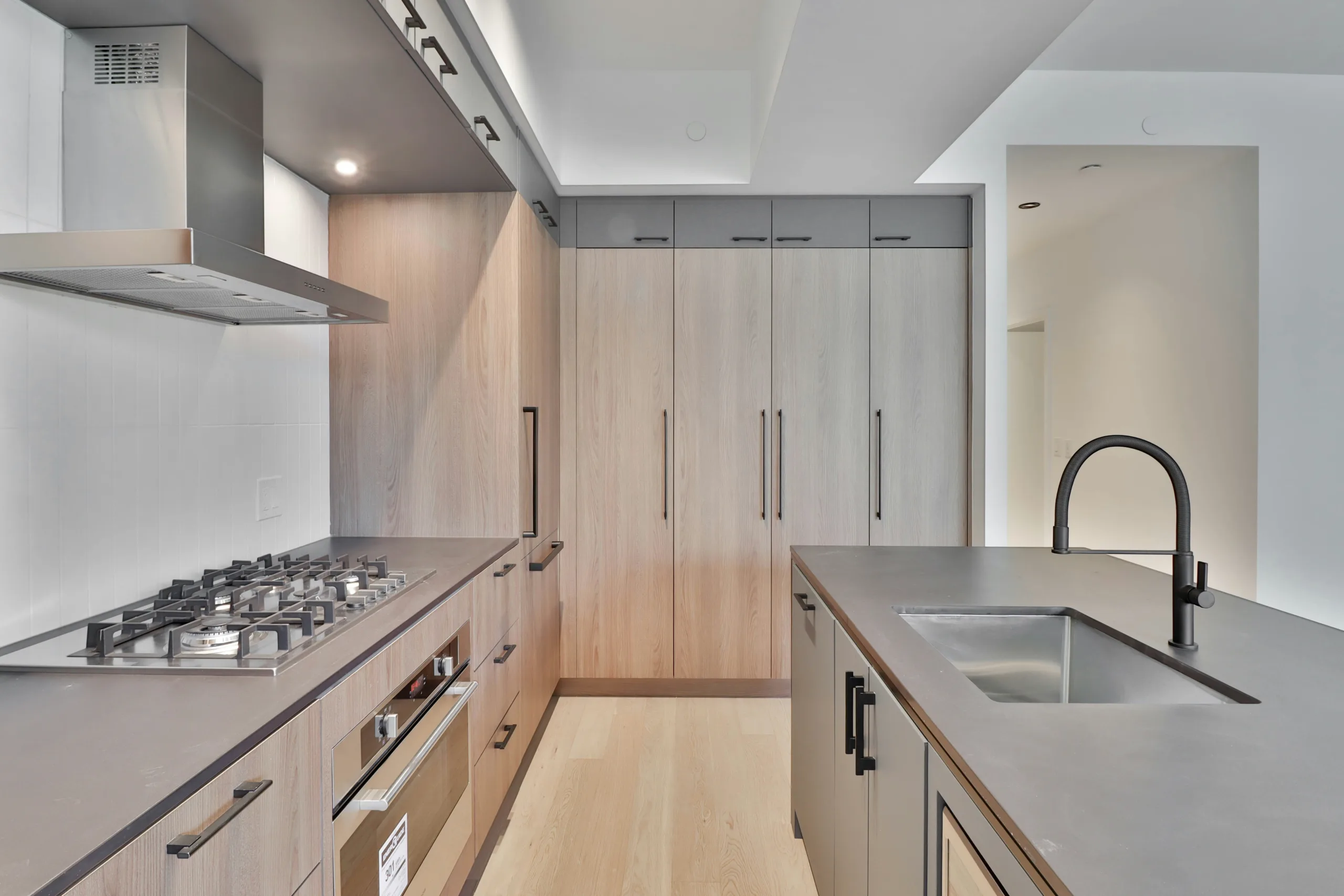
- “Luxury kitchen renovation [city name]”
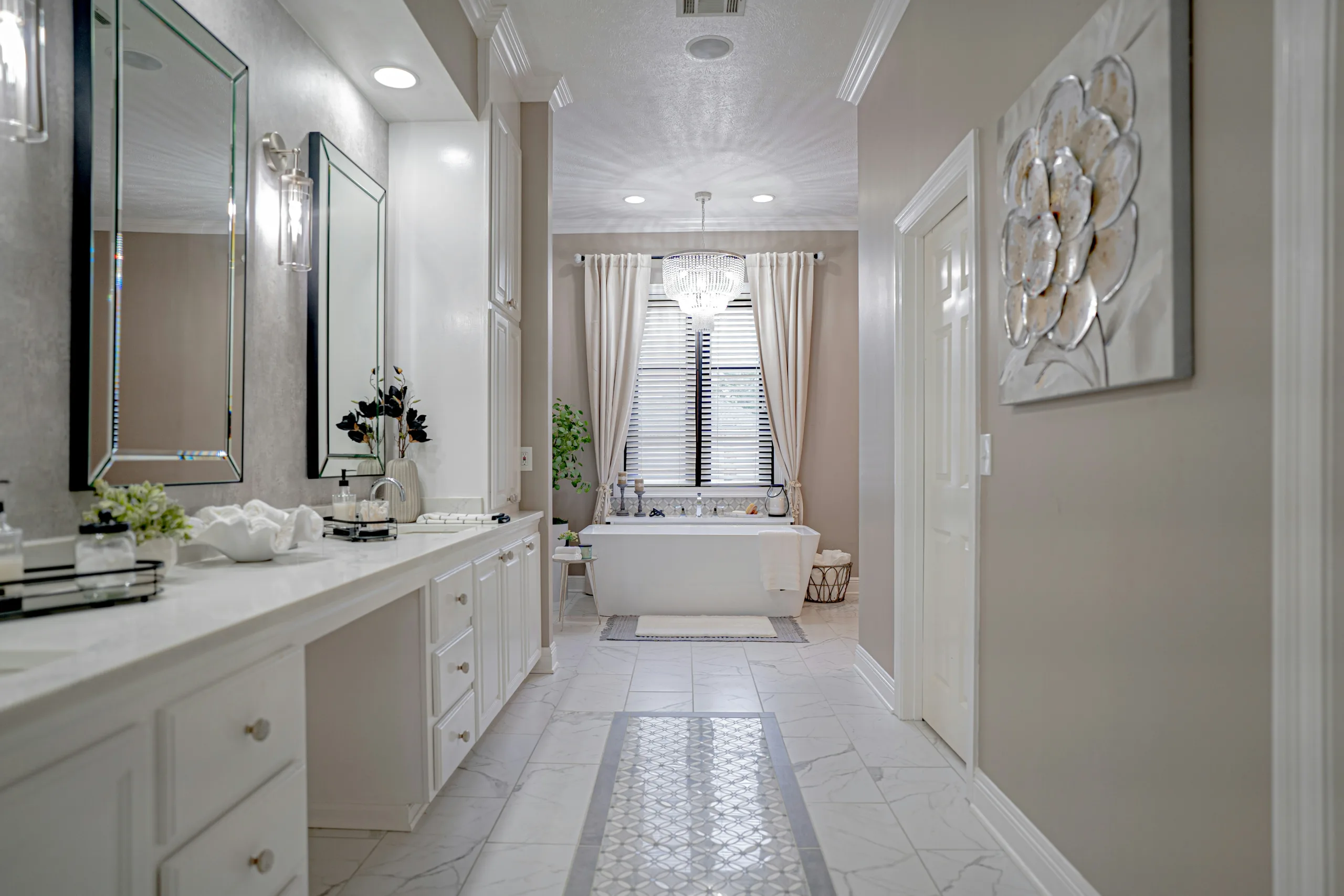
- “Master bathroom redesign for upscale homes”
- “High-end whole-home remodel services”
- “Architectural interior design updates for historic properties”
Bespoke and Custom Solutions
This is a big one for premium clients. They want things made for them.
- “Custom furniture design and consultation”
- “Bespoke interior design for modern residences”
- “Tailored home styling services”
- “Personalized interior design for busy professionals”
Style and Aesthetic Focus
Many high-end clients have a strong sense of their desired aesthetic.
Specific Interior Design Styles
If you specialize, make it clear.
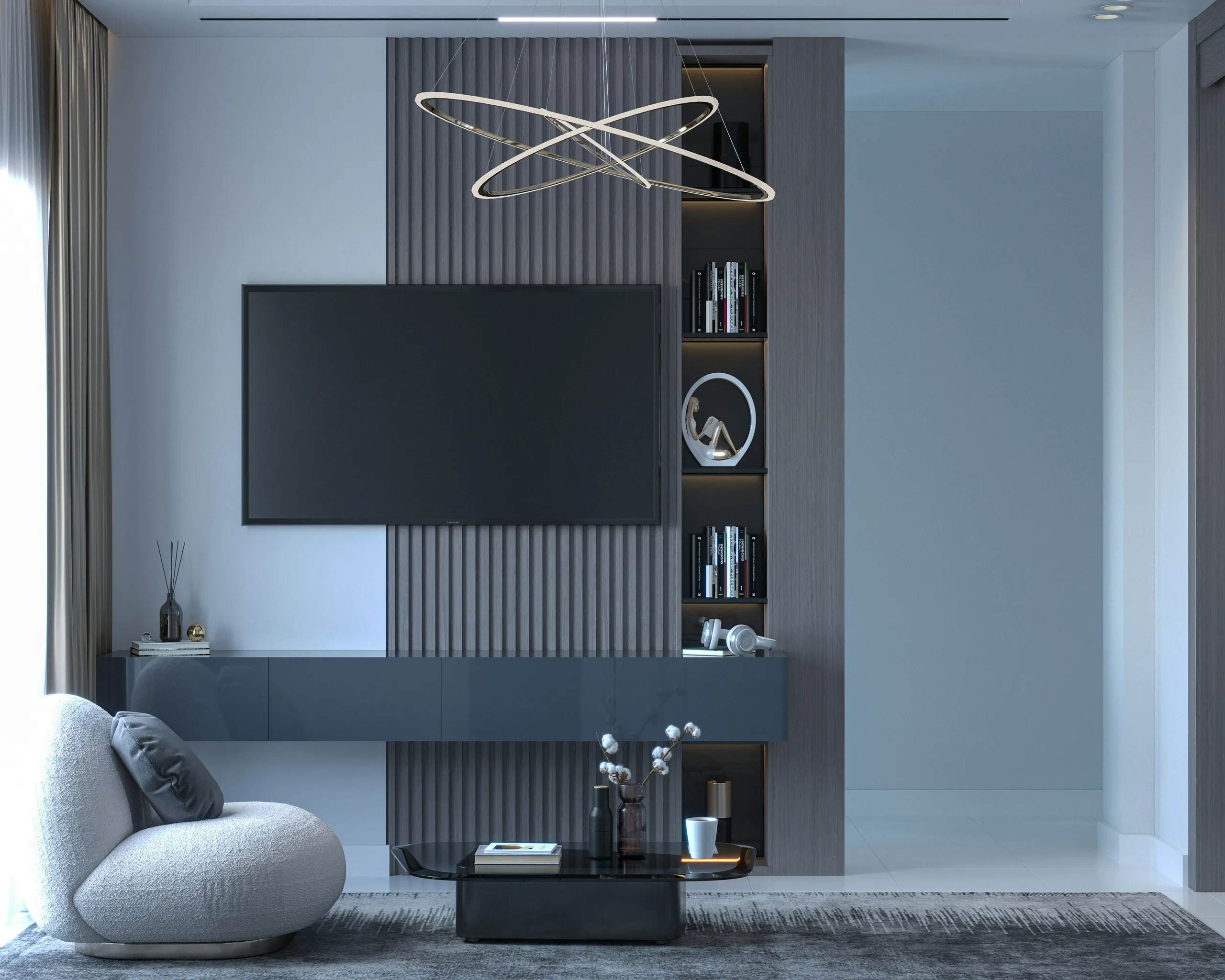
- “Modern minimalist interior design for luxury apartments”
- “Contemporary Scandinavian home interiors”
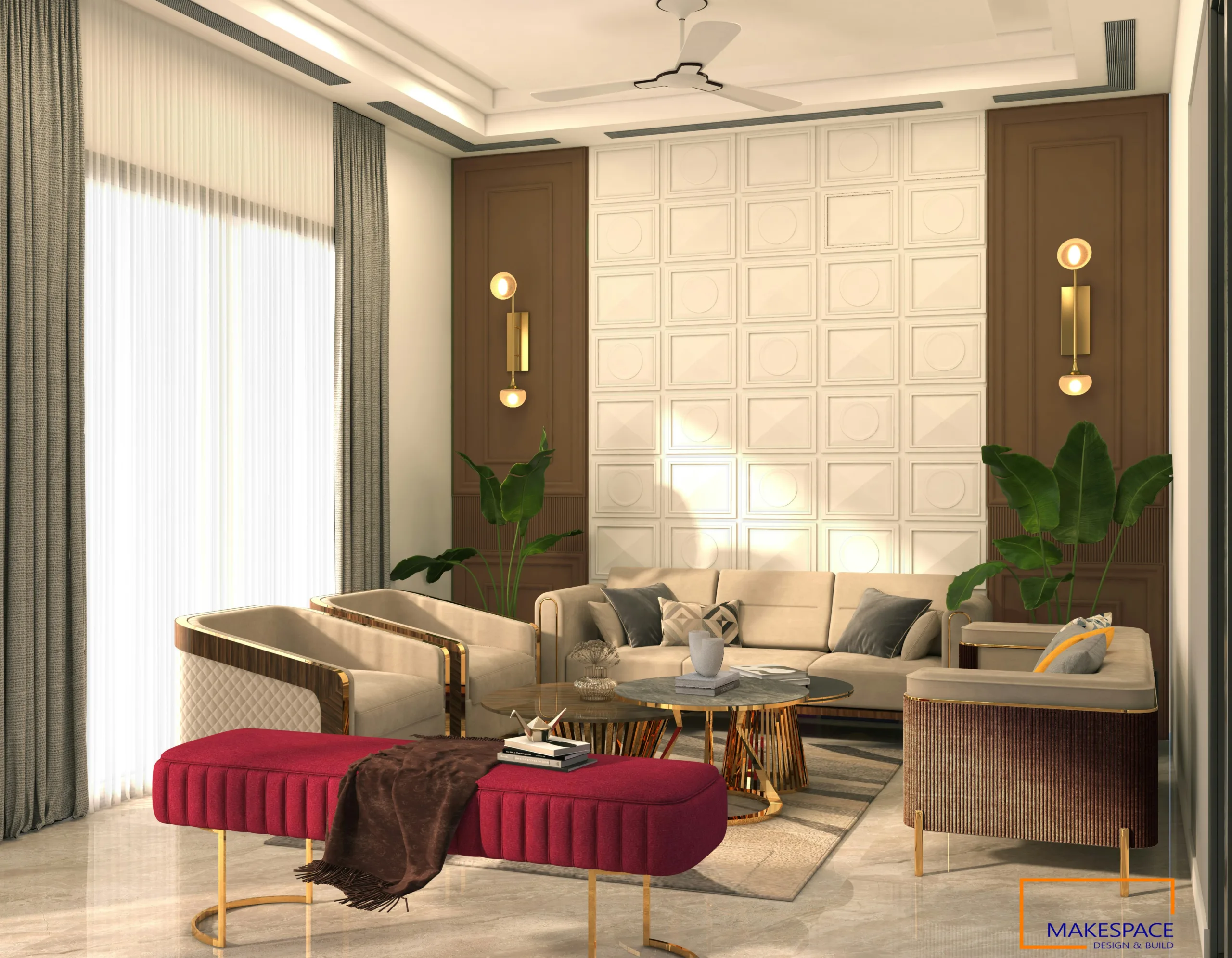
- “Classic sophisticated interior decorating”
- “Art Deco inspired home interiors”
- “Coastal chic villa design”
Mood and Feeling Keywords
Think about the emotional outcome they desire.
- “Creating serene living spaces”
- “Designing elegant entertaining areas”
- “Inspiring family-friendly luxury homes”
- “Calm and restorative bedroom design”
Problem/Solution Keywords
What are their pain points that your design solves?
- “Maximizing natural light in a modern home”
- “Creating functional yet beautiful home offices”
- “Designing for seamless indoor-outdoor living”
- “Solutions for small-space luxury living”
“Why Choose Us” Keywords (Subtly)
While not direct keywords, the content surrounding them should imply the answer to these implicit searches.
- “Best interior designers for discerning clients”
- “Award-winning interior design firm [city name]” (if applicable)
- “Interior design consultation process for luxury projects”
Content Strategy: Demonstrating Value and Expertise
Simply stuffing your website with keywords isn’t enough. You need to provide content that is genuinely valuable, showcases your unique approach, and builds trust with sophisticated clients.
In-Depth Case Studies and Project Spotlights
This is arguably the most powerful SEO tool for premium interior design. It’s where you show, not just tell.
Detailed Project Narratives
Go beyond “before and after” photos. Tell the story of each project.
- The Client’s Vision: What were their initial goals, challenges, and aspirations?
- Your Design Process: How did you translate their vision into a concrete plan? Highlight your unique methodologies.
- Problem-Solving: Detail specific design challenges encountered and how you ingeniously overcame them. This showcases your expertise.
- Material Selection: Explain why you chose particular high-quality materials, finishes, and furnishings. Discuss durability, aesthetics, and their contribution to the overall mood.
- The Transformation: Showcase stunning photography that captures the essence of the final space. Include panoramic shots, detail shots, and lifestyle imagery.
- Client Testimonials (integrated): Weave in quotes from satisfied clients that speak to the results and the experience.
Focus on Transformation and Lifestyle Impact
Clients aren’t just buying décor; they’re buying a better way of living.
- “How a [style] renovation enhanced this family’s everyday life”
- “Creating a tranquil sanctuary: A master suite redesign”
- “Designing for entertaining: An open-plan living space experience”
Technical and Material Focus
Premium clients appreciate attention to detail and quality.
- “The art of seamless cabinetry integration in luxury kitchens”
- “Understanding the nuances of natural stone selection for opulent bathrooms”
- “Sustainable luxury: Eco-conscious design choices for the modern home”
Expert Guides and Thought Leadership
Position yourself as an authority by sharing your knowledge.
Deep Dives into Design Principles
Instead of surface-level tips, offer insightful analysis.
- “The psychology of color in luxury interiors”
- “Balancing form and function in sophisticated spaces”
- “Mastering scale and proportion for grand residences”
Explaining Complex Design Concepts Simply
Break down intricate aspects of design into understandable terms.
- “Demystifying lighting layers: Creating ambiance and functionality”
- “The importance of custom millwork in creating timeless interiors”
- “Understanding the principles of biophilic design in residential spaces”
Trend Analysis (with a Sophisticated Lens)
Discuss emerging trends in a way that highlights lasting value, not just fleeting fads.
- “Enduring elegance: Timeless trends for luxury interiors”
- “The evolution of the home office: Designing for productivity and style”
- “Beyond the minimalist: Exploring the resurgence of maximalist luxury”
Services Pages: Clearly Defining Your Premium Offerings
Your service pages should reflect the premium nature of your work.
Detailed Service Descriptions
Go beyond a bulleted list. Explain the scope, benefits, and what a client can expect.
- Full-Service Interior Design: Outline the comprehensive journey from initial concept to final installation. Emphasize project management and client collaboration.
- Interior Architecture and Space Planning: Highlight expertise in optimizing layouts, structural changes, and flow for high-end properties.
- FF&E (Furniture, Fixtures, and Equipment) Specification: Detail your process for sourcing and selecting high-quality, often bespoke, items.
- Staging for Luxury Sales: If you offer this, explain how your staging enhances property value and appeal to discerning buyers.
Process Transparency
Premium clients appreciate knowing what to expect. Detail your typical project phases.
- Initial Consultation & Briefing
- Concept Development & Mood Boards
- Design Development & Technical Drawings
- Procurement & Installation
- Project Completion & Handover
Highlighting Your Unique Selling Proposition (USP)
What makes your firm stand out from other luxury design businesses?
- “Our signature approach to personalized client collaboration”
- “A curated selection of artisanal and sustainable materials”
- “Global sourcing capabilities for unique decorative elements”
Technical SEO for a Seamless User Experience
Premium clients expect a polished and professional online presence. This extends to the technical aspects of your website.
Website Speed and Mobile Responsiveness
If your site loads slowly or looks terrible on a phone, you’ll lose those discerning clients before they even see your work.
Optimizing Image Sizes
High-quality photos are a must, but unoptimized images can kill your load speed.
- Use appropriate file formats (JPEG for photos, PNG for graphics with transparency).
- Compress images without significant loss of visual quality.
- Implement lazy loading for images so they only load as users scroll down.
Mobile-First Design Principles
Ensure your website is perfectly navigable and visually appealing on all devices, especially smartphones.
- Test rigorously on various mobile devices.
- Prioritize readability and tap targets.
Site Structure and Navigation
Make it effortless for potential clients to find what they’re looking for.
Intuitive Menu Design
Use clear, concise labels for your navigation items.
- “Portfolio,” “Services,” “About Us,” “Contact,” “Blog” are standard and effective.
- Consider sub-menus for different project types or service areas if you have a broad offering.
Internal Linking Strategy
Connect relevant pages on your website to help users discover more content and improve SEO.
- Link from blog posts to relevant service pages or case studies.
- Link from case studies to specific product types or material discussions.
Schema Markup for Rich Snippets
This helps search engines understand your content better, leading to more informative search results.
Implementing Local Business Schema
Crucial for local SEO.
- Include your business name, address, phone number, opening hours, and website.
Using Service Schema
Clearly define the services you offer.
- Allows search engines to display richer snippets for your services.
Article or Blog Posting Schema
Helps Google recognize your content as valuable articles, potentially leading to their inclusion in rich results (like “People Also Ask”).
Building Authority and Trust: Off-Page SEO for Premium Interior Design
Your online reputation and the signals of trust you send to search engines are as important as what’s on your website.
High-Quality Backlinks from Reputable Sources
Backlinks are like votes of confidence from other websites. For premium clients, the source of that vote matters.
Local Media Features and Interviews
Getting featured in upscale local publications or lifestyle blogs can lend significant credibility.
- Pitch your projects or expertise to relevant online magazines and newspapers.
Collaborations with Architects and Luxury Builders
Partnerships often lead to cross-promotion and valuable backlinks.
- If you collaborate on a project, ask if they’ll link to your firm’s profile or portfolio.
Industry Awards and Recognition
If you’ve won awards, showcase them and ensure they’re linked back to your site.
- Submission to design competitions can be a good source of brand recognition and links.
Online Reviews and Reputation Management
Premium clients often check reviews, even if they don’t explicitly state it.
Encouraging Reviews on Key Platforms
Focus on platforms where high-caliber clients might look.
- Google My Business is essential.
- Consider Houzz, if your clientele uses it, and other curated design directories.
Responding Professionally to All Feedback
Show that you value client input, both positive and constructive.
- A thoughtful response to a minor issue can demonstrate excellent customer service.
Social Media Presence (Strategic, Not Overwhelming)
While not a direct ranking factor, social media plays a role in brand visibility and driving traffic.
Curated Visual Platforms
Instagram and Pinterest are your best friends for showcasing eye-catching design.
- Focus on high-quality imagery that aligns with your premium aesthetic.
- Use relevant hashtags that your target audience would search for.
Consistent Branding and Messaging
Ensure your social media profiles mirror the professionalism and style of your website.
- Engage with your audience by responding to comments and messages promptly.
Measuring Success and Adapting Your Strategy
SEO isn’t a set-it-and-forget-it endeavor. You need to track what’s working and refine your approach.
Key Performance Indicators (KPIs) to Monitor
Focus on metrics that directly reflect attracting the right clients.
Organic Traffic Growth
Are more people finding your site through unpaid search results?
- Pay attention to which keywords are driving this traffic.
Conversion Rates
Not all traffic is equal. Are visitors from your target demographic taking desired actions?
- Track form submissions, consultation requests, and phone calls originating from organic search.
Bounce Rate and Time on Page (for specific content)
Are users engaging with your content, or leaving quickly?
- A high bounce rate on a service page might indicate it’s not meeting user expectations.
- Longer time on page for case studies suggests they’re finding your project showcases compelling.
Keyword Rankings
Monitor your position for those high-value, premium-focused keywords.
Using Analytics to Inform Content Creation
Your website analytics are a treasure trove of information.
Identifying Top-Performing Content
What blog posts, case studies, or service pages are attracting the most attention and engagement?
- Create more content similar to your most successful pieces.
Understanding User Journeys
How are visitors navigating your site? Where are they dropping off?
- Use this information to improve site flow and address any friction points.
Pinpointing Content Gaps
Are there common questions or topics your target audience is searching for that you haven’t addressed?
- Use keyword research tools in conjunction with your analytics to find these opportunities.
Regularly Reviewing and Updating Your Strategy
The digital landscape is constantly evolving.
Staying Ahead of Algorithm Changes
While you can’t perfectly predict them, understanding general SEO best practices helps you adapt.
- Focus on user experience and creating high-quality, relevant content.
Refreshing Old Content
Don’t let your valuable content become stale.
- Update case studies with new photos or insights.
- Refresh older blog posts with new information or perspectives.
Experimenting with New (Relevant) Keywords
As you learn more about your audience, you might discover new keyword avenues.
- Don’t be afraid to test slightly different phrasing or related long-tail keywords.
By focusing on these specific, client-centric SEO strategies, you can ensure your interior design business connects with the premium clients you want to serve, showcasing your expertise and attracting projects that truly align with your vision.