Interior Design for Villas, Penthouses and Boutique Hotels
May 31, 2026

So, you’re curious about interior design for those really special spaces – think sprawling villas, chic penthouses, and intimate boutique hotels. What makes them tick, design-wise? It’s all about curating an experience, creating a distinct atmosphere that feels both luxurious and deeply personal, or thoughtfully branded and inviting. It’s not just about pretty furniture; it’s about storytelling through space, light, and texture, aiming to evoke a specific feeling or lifestyle.
One of the biggest differences between designing for a private residence like a villa or penthouse and a commercial space like a boutique hotel is the dual role of the interior designer. For a villa or penthouse, the focus is primarily on reflecting the owner’s personality and lifestyle. It’s about creating a sanctuary that speaks to their individual tastes, comfort, and functional needs.
For a boutique hotel, however, the designer is also crafting a brand identity and an identifiable guest experience. The atmosphere needs to be consistent with the hotel’s overall concept, whether it’s a sleek modern retreat, a cozy European escape, or a minimalist urban haven. This means the design has to appeal to a broader audience while still maintaining a unique character.
Defining the “Vibe”
Before a single sketch is drawn, the crucial first step is defining the desired “vibe.” For a villa, this might be a relaxed Mediterranean feel, an industrial-chic urban loft, or a serene Japanese-inspired sanctuary. It’s about capturing the essence of how the inhabitants want to feel when they’re in their space.
For a boutique hotel, the vibe is often tied to the property’s location, its history, or even the owner’s vision for their guests. Is it meant to be a romantic getaway? A business-friendly hub with a stylish edge? A place for artistic inspiration? This initial conceptualization is the bedrock upon which all subsequent design decisions are made.
Villa Vision: The Private Oasis
In a villa, the design process is highly collaborative, involving in-depth discussions with the homeowner. It’s about understanding their hobbies, their travel inspirations, their preferred color palettes, and how they intend to use each space. The goal is to create a home that feels like an extension of themselves, a place where they can truly unwind and recharge.
Penthouse Panache: Elevated Urban Living
Penthouses, often characterized by their prime locations and spectacular views, require a design that complements and enhances these assets. The emphasis is frequently on showcasing the vistas through expansive windows and open-plan living. Materials can lean towards the sophisticated and modern, with a focus on clean lines and a sense of spaciousness, even in more compact layouts.
Boutique Hotel Blueprint: The Guest Journey
For a boutique hotel, the design is about crafting a narrative for the guest’s stay. From the moment they step into the lobby, to their arrival in their room, and even their interactions with common areas, every touchpoint should tell a consistent story. The design needs to be both aesthetically pleasing and highly functional, catering to the practical needs of travelers while delivering a memorable experience.
Materiality and Texture: The Tactile Experience
The choice of materials and textures plays a profound role in shaping the atmosphere of any interior, but it’s particularly significant in these types of projects where luxury and distinctiveness are key.
villas: Embracing Craftsmanship and Natural Elements
Villas often benefit from materials that evoke warmth, authenticity, and a connection to nature. Think about the use of natural stone, reclaimed wood, and textured plaster finishes. These elements add depth and character, creating a sense of timeless elegance. The emphasis here is on quality and durability, with finishes that age gracefully and tell a story over time.
Stone and Marble: A Foundation of Enduring Beauty
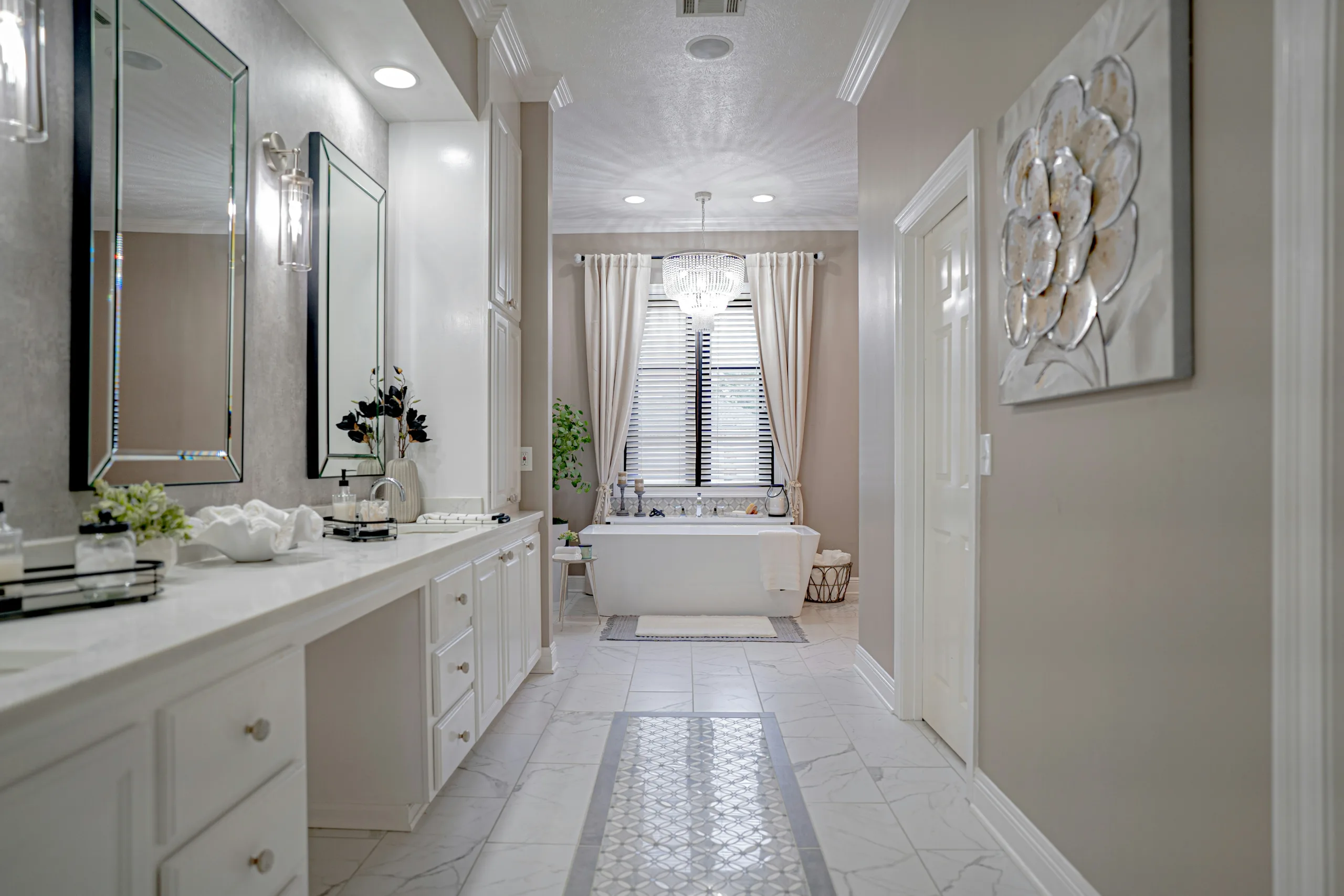
From elegant marble countertops to rustic stone floors, these natural materials bring a sense of grounded luxury. The variation in their patterns and veins ensures that each piece is unique, adding to the bespoke feel of a villa.
Wood Finishes: Warmth and Natural Appeal
The incorporation of wood, whether it’s for flooring, cabinetry, or decorative features, instantly introduces warmth and a sense of organic beauty. Different wood species offer different characters – from the rich, dark tones of walnut to the lighter, more airy feel of bleached oak.
Textured Wall Treatments: Adding Depth and Interest
Beyond paint, consider limewashes, Venetian plaster, or even textured wallpaper. These treatments add a tactile dimension to walls, catching light in interesting ways and contributing to a layered, sophisticated aesthetic.
Penthouses: Sleekness Meets Sophistication
Penthouses often lean towards materials that convey a modern, sophisticated, and sometimes minimalist aesthetic. High-gloss finishes, polished metals, and luxurious fabrics are common. The goal is to create a sleek and contemporary feel that complements the urban environment.
Polished Metals: A Touch of Glamour
Chrome, brushed brass, and blackened steel can add a refined edge. Used sparingly, these metals can elevate a space, reflecting light and adding a modern sparkle.
Lacquered Surfaces: Modern Polish
High-gloss lacquered cabinets or tables can create a striking visual impact, contributing to a sleek and contemporary look. They reflect light beautifully, making spaces feel brighter and more expansive.
Plush Textiles: Comfort and Luxury
While sleekness is key, comfort is also paramount. Introducing luxurious textiles like velvet, silk, or fine wool in upholstery and soft furnishings adds a layer of comfort and indulgence.
Boutique Hotels: Durability with a Distinctive Touch
In boutique hotels, material choices must balance aesthetics with practicality and durability. The materials need to withstand frequent use while still contributing to the desired brand experience.
High-Performance Fabrics: Style and Substance
Invest in fabrics that are not only beautiful but also resistant to wear and tear and easy to clean. This is crucial for high-traffic areas in hotels.
Durable Flooring Options: Balancing Form and Function
From engineered wood to high-quality tile or even durable commercial-grade carpeting, the flooring needs to be both attractive and able to withstand heavy foot traffic.
Feature Materials: Creating Memorable Moments
This could be a striking marble wall in the lobby, a unique mosaic in the bathrooms, or a custom-designed wall panel. These elements create focal points and reinforce the hotel’s unique identity.
Lighting Design: Shaping Mood and Functionality
Lighting is arguably one of the most powerful tools in an interior designer’s arsenal, especially when aiming to create specific moods and enhance the user experience.
Villas: Creating Intimate Ambiance
In villas, lighting is often designed to create a warm, inviting, and intimate atmosphere. Multiple layers of light are used – ambient, task, and accent – to allow for flexibility and mood setting. Dimmers are essential for this.
Ambient Lighting: Soft, All-Encompassing Glow
This is the general illumination that fills a space. Think recessed ceiling lights, subtle uplighting from floor lamps, or chandeliers that cast a soft, diffused glow.
Task Lighting: Focused Illumination for Activities
This is specific lighting needed for activities like reading, cooking, or working. Under-cabinet lighting in kitchens, desk lamps in studies, or reading lights beside beds fall into this category.
Accent Lighting: Highlighting Architectural Features and Art
Spotlights or adjustable lamps can be used to draw attention to artwork, architectural details, or decorative objects, adding visual interest and depth.
Penthouses: Dramatizing Views and Modernity
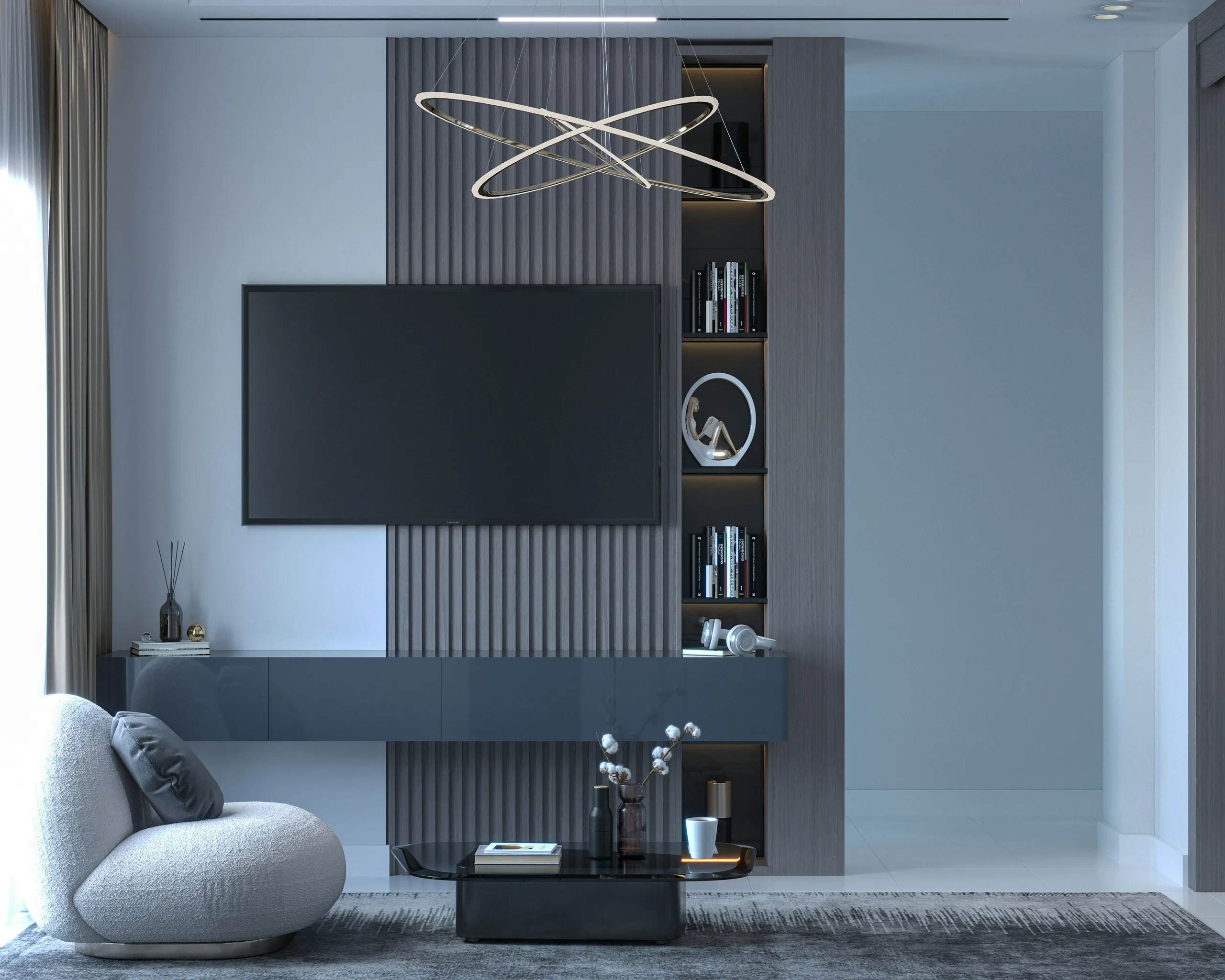
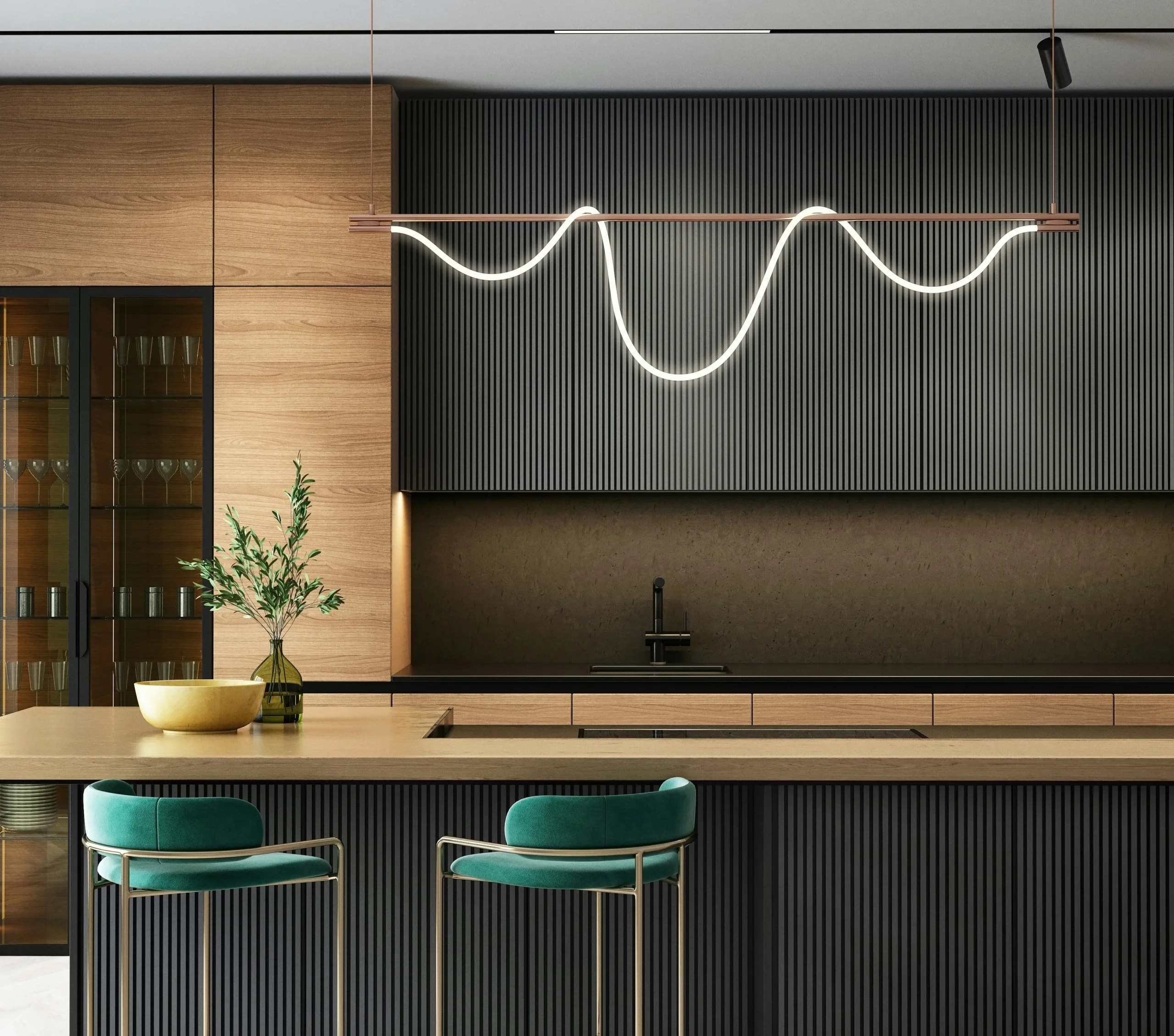
For penthouses, lighting can be used to dramatize the city views, create a sophisticated ambiance, and highlight the clean lines of modern design. Recessed linear lighting, statement pendant lights, and strategically placed spotlights are common.
Dramatic Illumination: Enhancing Architectural Lines
Long, lean lines of LED lighting can emphasize architectural features and create a sense of dynamism, mirroring the energy of the city outside.
Statement Fixtures: Sculptural Elements
Oversized pendant lights or sculptural floor lamps can become focal points in a penthouse living area, adding a touch of artistry and personality.
Integrated Lighting: Seamless Integration with Design
Concealed LED strips beneath cabinets, along stair treads, or within architectural niches can provide subtle illumination that enhances the overall design without being visually obtrusive.
Boutique Hotels: Brand Storytelling Through Light
In boutique hotels, lighting is integral to telling the hotel’s brand story and guiding the guest’s experience. Different lighting schemes can be employed for public areas, guest rooms, and even corridors, each contributing to the overall atmosphere.
Lobby Welcome: Creating an Immediate Impression
The lobby lighting sets the tone for the entire hotel. It should be welcoming, well-lit for navigation, but also possess an element of intrigue that encourages guests to explore further.
Guest Room Comfort: A Sanctuary of Light
Guest room lighting needs to be versatile, offering options for relaxation, work, and general illumination. Soft, diffused lighting is generally preferred for a comfortable stay.
Corridor Navigation: Subtle Guidance
Corridors should be well-lit enough for safe passage but needn’t be overly bright. Consider wall sconces or subtle floor lighting to create a sense of calm and direction.
Furniture Selection: Anchoring the Space and Defining Purpose
The furniture in villas, penthouses, and boutique hotels isn’t just functional; it’s a critical element in defining the character and purpose of each space.
Villas: Comfort, Elegance, and Personal Expression
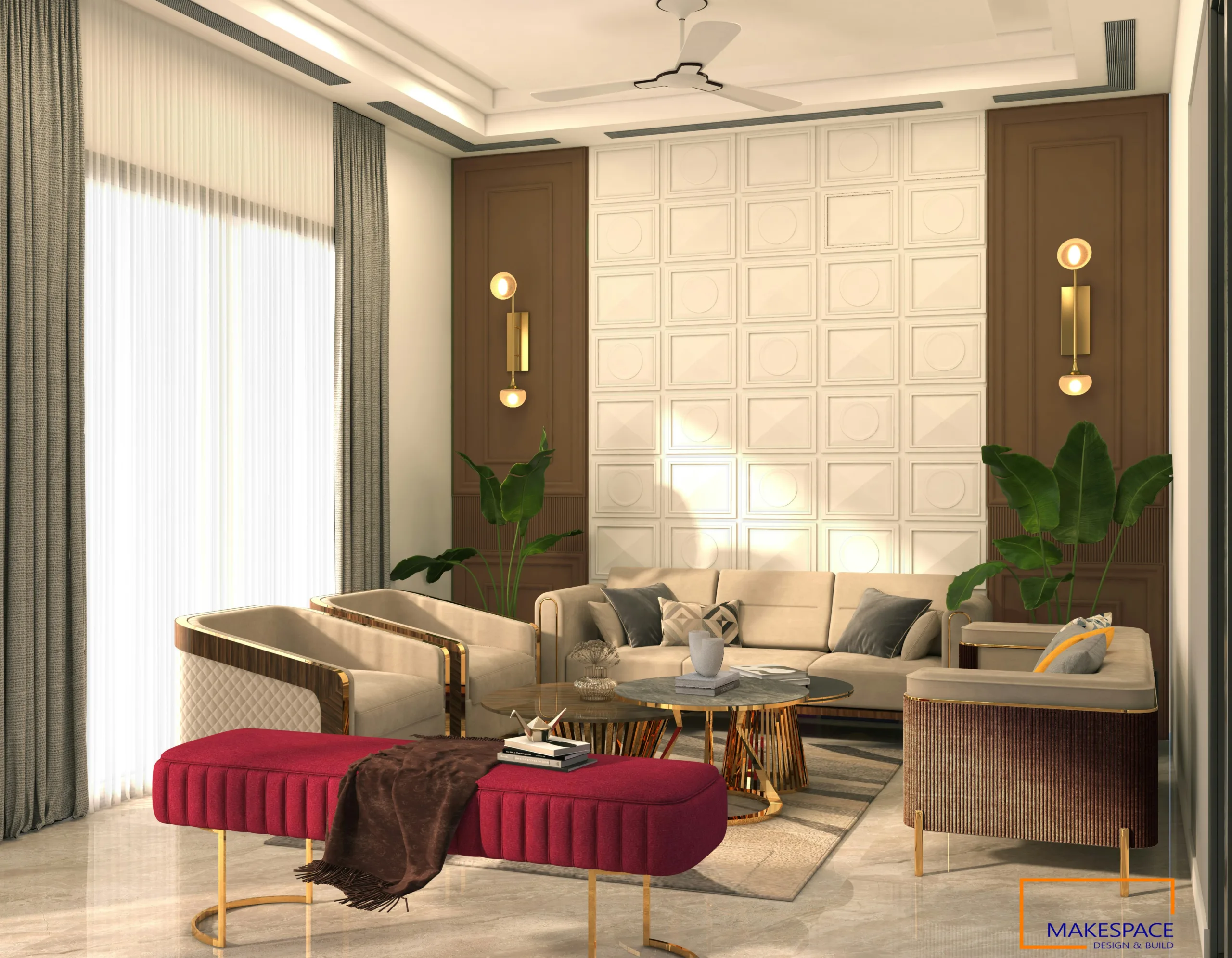
For villas, furniture is chosen for its comfort, aesthetic appeal, and ability to reflect the owner’s personal style. Pieces are often substantial and well-crafted, designed to be enjoyed for years to come.
Bespoke and Custom Pieces: Uniquely Yours
Many villa owners opt for custom-made furniture to perfectly fit their space and express their individual tastes. This allows for unparalleled control over the design and quality.
Comfortable Upholstery: Inviting Relaxation
Soft, plush upholstery on sofas, armchairs, and beds invites relaxation and long hours spent enjoying the home. Natural fabrics like linen, cotton, or wool are popular choices.
Statement Pieces: Adding Personality
A striking antique sideboard, a unique sculpture-like coffee table, or an oversized armchair can become a talking point and add a significant layer of personality to a room.
Penthouses: Streamlined Forms and Luxurious Materials
Penthouse furniture often features streamlined, modern designs. The focus is on clean lines, elegant silhouettes, and the use of premium materials.
Minimalist Silhouettes: Emphasizing Space
Furniture with clean, uncluttered forms helps to maintain an open and airy feel, especially important in spaces with breathtaking views.
High-Quality Finishes: A Touch of Refinement
Leather, performance fabrics, and polished woods are common choices for penthouse furniture, adding a sense of understated luxury.
Multi-functional Pieces: Maximizing Utility
In more compact penthouse layouts, furniture that serves multiple purposes, such as an ottoman with hidden storage or a sofa bed, can be incredibly practical.
Boutique Hotels: Durability, Comfort, and Brand Integration
In boutique hotels, furniture must be both stylish and extremely durable to withstand constant use. It also needs to align with the hotel’s brand and concept.
Durable and Easy-to-Maintain Upholstery: Practical Luxury
Fabrics that are stain-resistant and easy to clean are essential for hotel furniture. Performance velvets, treated leathers, and durable weaves are good options.
Ergonomics and Comfort: Prioritizing the Guest
Guest comfort is paramount. Chairs should be supportive, beds comfortable, and workspaces (if applicable) ergonomically designed.
Thematic Consistency: Reinforcing the Brand
Furniture choices should always reflect the hotel’s established theme and aesthetic, from the lobby seating to the bedside tables.
Art and Accessories: The Finishing Touches that Elevate the Experience
The right art and accessories can transform a well-designed space into a truly memorable one. They are the elements that add personality, intrigue, and a sense of completion.
Villas: Personal Collections and Curated Displays
In villas, art and accessories are often deeply personal, reflecting the owner’s travels, interests, and artistic sensibilities. It’s about creating a space that feels curated and loved.
Personal Artwork and Photography: Memories on Display
Family photos, artwork collected from travels, or pieces by local artists can add a deeply personal touch.
Curated Collections: Objects with Meaning
Displaying collections of objects – antique vases, interesting books, or handmade ceramics – adds layers of interest and tells a story about the inhabitants.
Greenery and Botanicals: Bringing Life Indoors
Plants and floral arrangements not only add color and vibrancy but also contribute to a sense of wellbeing and connection to nature.
Penthouses: Statement Art and Sculptural Elements
Penthouse decor often leans towards statement art pieces and sculptural elements that complement the modern aesthetic and the urban backdrop.
Large-Scale Art: Dominating the Walls
A bold abstract painting or a striking photographic print can become a focal point in a penthouse living area.
Sculptural Accessories: Adding Dimension
Abstract sculptures, interesting vases, or decorative bowls can add a tactile and visual dimension to surfaces.
Minimalist Decor: Allowing Views to Shine
Sometimes, less is more. Minimalist decor ensures that the spectacular city views are the undisputed heroes of the space.
Boutique Hotels: Brand Reinforcement and Experiential Touches
In boutique hotels, art and accessories are used strategically to reinforce the brand identity and create an engaging guest experience.
Local Art and Craftsmanship: Connecting with the Location
Showcasing local artists or artisans adds a unique flavor and connects guests to the destination.
Thematic Decor: Enhancing the Story
Accessories that align with the hotel’s theme – perhaps nautical elements for a coastal hotel or vintage pieces for a historic property – enhance the immersive experience.
Subtle Touches: Enhancing Comfort and Well-being
Small details like high-quality linens, well-chosen toiletries, or a thoughtfully placed reading lamp contribute to a sense of comfort and luxury.
Conclusion: The Synergy of Design Elements
Ultimately, designing for villas, penthouses, and boutique hotels is about creating more than just visually appealing spaces. It’s about crafting an experience. It’s about understanding the nuances of each context – the privacy of a villa, the ambition of a penthouse, the welcoming nature of a hotel – and weaving together elements of materiality, lighting, furniture, and decor to tell a compelling story. The success lies in the harmonious synergy of these elements, resulting in spaces that are not only beautiful but also deeply functional, emotionally resonant, and unforgettable.