How to Position a Design Studio for Affluent Clients
May 31, 2026

Thinking about how to land those high-end design projects? It’s less about shouting from the rooftops and more about a quiet, confident approach. To position your design studio for affluent clients, you need to be more than just good at design; you need to understand their world, speak their language, and offer them a level of service and value that goes beyond the ordinary. It’s about building trust, demonstrating an understanding of their unique needs, and delivering exceptional results that reflect their own standards of quality and exclusivity.
When we talk about “affluent clients,” we’re not just referring to people with deep pockets. These are individuals and families with specific expectations, values, and often, very busy lives. Their approach to decisions, including design projects, is usually informed by a blend of personal taste, investment value, and a desire for a seamless, discreet experience.
Beyond the Brief: Identifying Their True Motivations
Affluent clients often approach design projects with motivations that extend beyond purely aesthetic desires. They might be looking to:
- Enhance Personal Legacy: Creating spaces or brands that reflect their family’s history, values, or future aspirations can be a significant driver. This is about creating something that will endure and be passed down.
- Curate Unique Experiences: They often seek environments that offer a distinctive lifestyle or a curated, almost artistic, experience. This could be anything from a private art gallery at home to a hotel brand that embodies a specific mood and sensibility.
- Achieve a High Level of Functionality and Comfort: While aesthetics are crucial, for affluent clients, comfort, usability, and sophisticated functionality are paramount. This means integrating technology subtly, ensuring effortless operation of spaces, and prioritizing materials that offer both beauty and longevity.
- Seek Discretion and Privacy: Many high-net-worth individuals value their privacy. Your approach to communication, project management, and even the types of clients you openly showcase needs to reflect this understanding.
The Language of Value: What “Good Value” Means to Them
For affluent clients, “value” isn’t synonymous with “cheap.” It’s about the perceived return on investment, both tangible and intangible. This includes:
- Long-Term Quality and Durability: They understand that investing in high-quality materials and expert craftsmanship upfront saves money and hassle in the long run. They are willing to pay a premium for items that will last and require minimal maintenance.
- Expertise and Insight: They value the knowledge and vision you bring. This means not just executing their ideas, but offering educated recommendations, anticipating needs they might not have considered, and bringing a level of foresight to the project.
- Time Savings and Efficiency: Their time is incredibly valuable. A well-managed project that runs smoothly, with clear communication and minimal delays, is a significant part of the value proposition.
- Exclusivity and Uniqueness: They often seek designs that are not easily replicated. This could be through bespoke pieces, rare materials, or a design concept that is entirely original and tailored to their specific brief.
Crafting Your Studio’s Narrative: The Art of Subtle Sophistication
Your studio’s story, how you present yourselves, and the message you convey are critical. It’s not about boasting, but about projecting an image of competence, refinement, and deep understanding.
Elevating Your Branding: Beyond the Logo
Your visual identity needs to speak volumes without shouting. This means:
- Refined Aesthetics: Your website, business cards, and any printed materials should exude quality. Think about the paper stock, the typography, the color palette. Every element should communicate sophistication.
- Understated Elegance: Avoid flashy graphics or overly aggressive marketing language. The focus should be on sophistication, clarity, and professionalism.
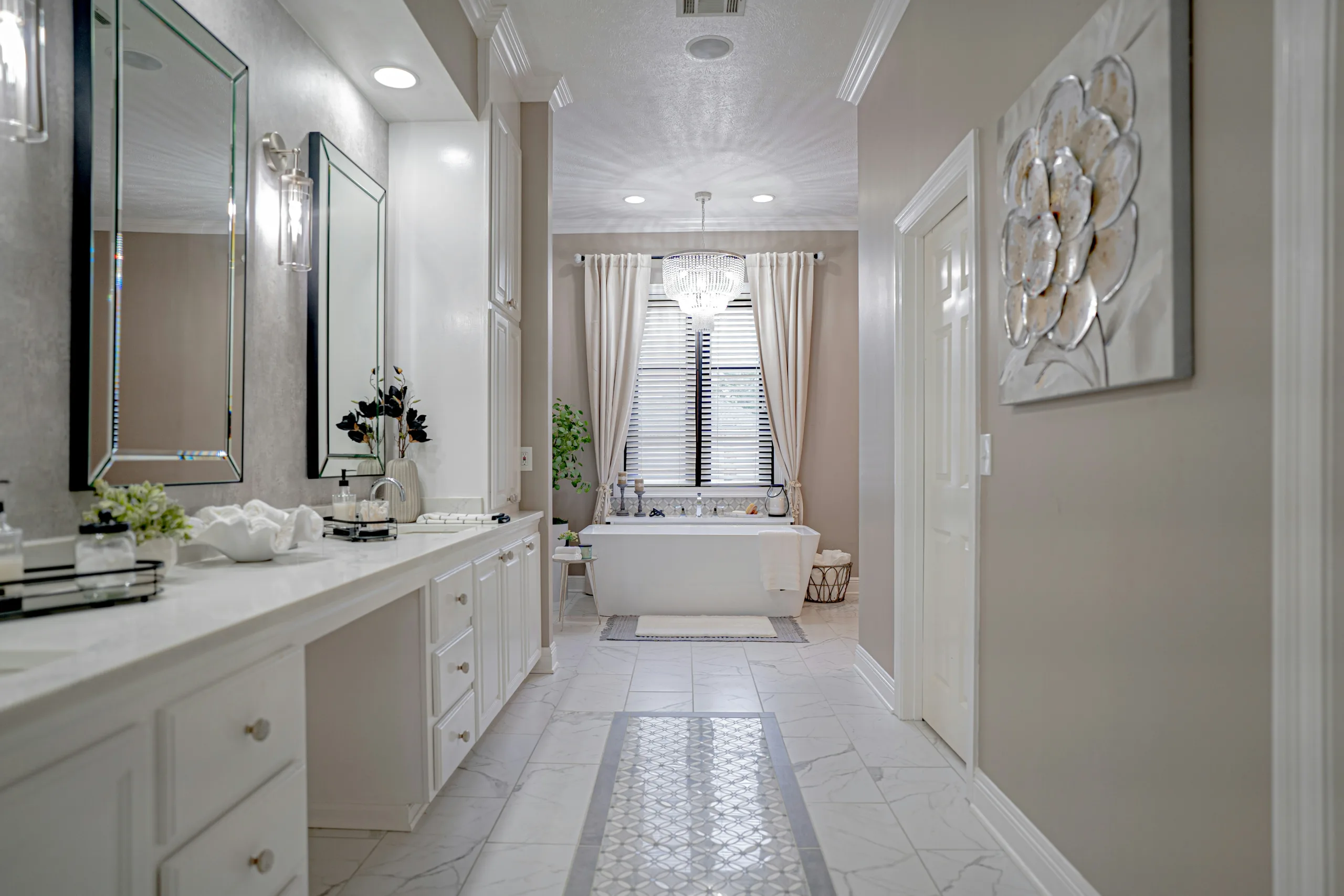
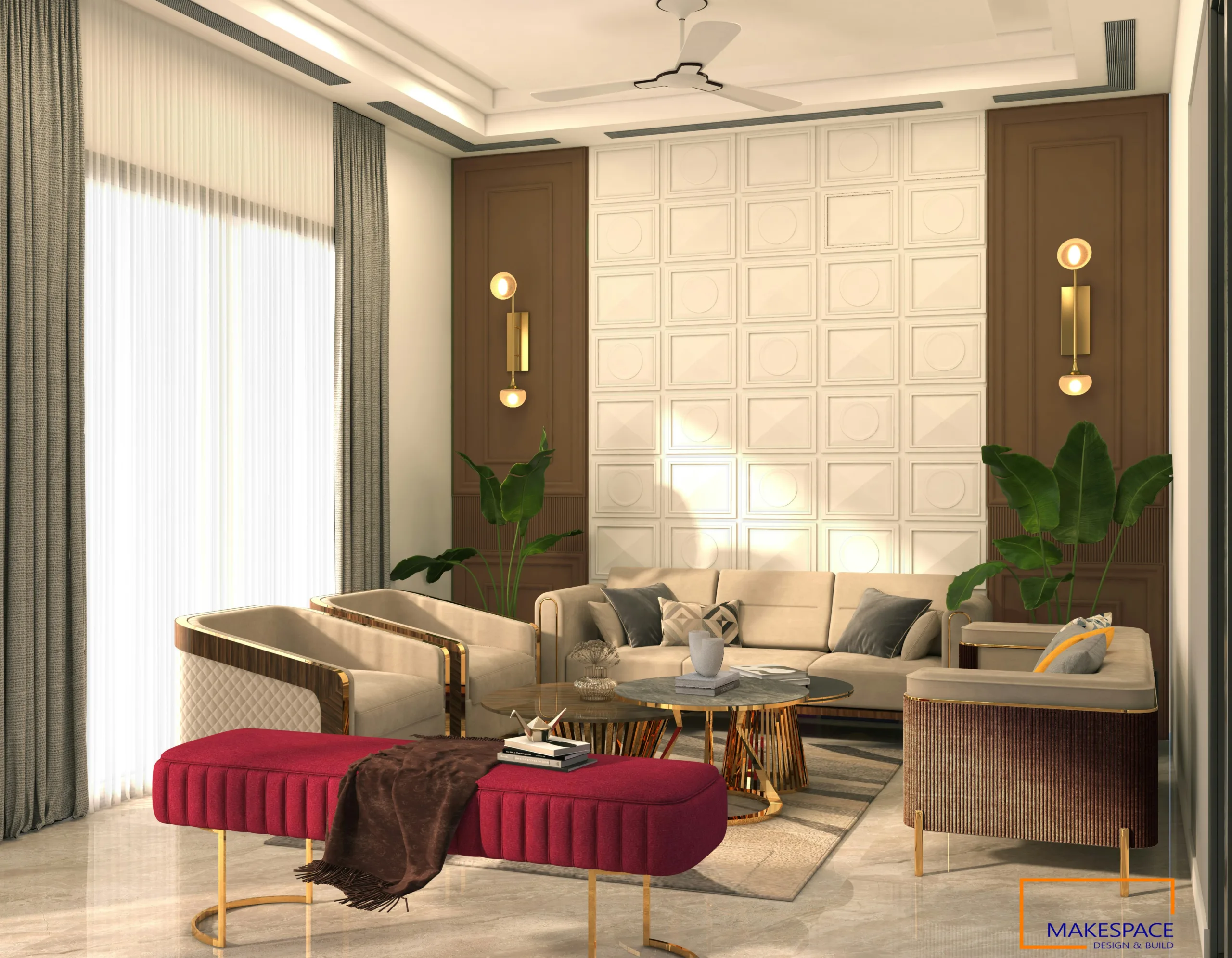
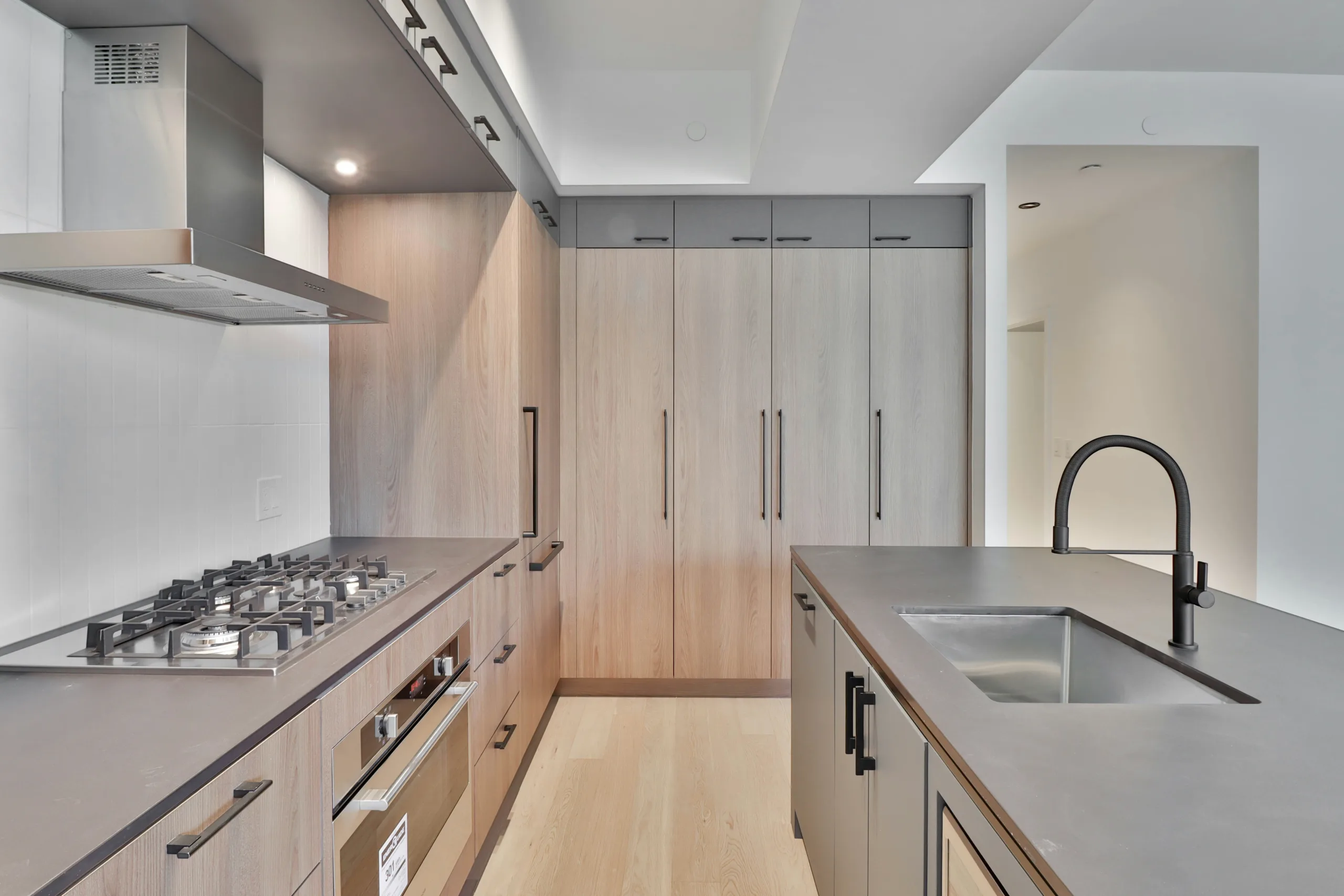
- Professional Photography: Invest in high-quality photography of your work. This is non-negotiable. Images should showcase not just the design, but the atmosphere, the materials, and the overall sense of quality. If you haven’t got a portfolio to show, consider speculative projects or collaborations to build this.
- A Clear Focus: Be clear about your niche. Are you specializing in luxury residential, high-end hospitality, exclusive retail, or a particular type of branding? A focused approach demonstrates expertise.
Your Website as a Curated Experience
Your website is often the first point of contact. It needs to be more than just an online brochure.
- Intuitive Navigation: Visitors, especially busy ones, need to find what they’re looking for quickly and easily.
- Show, Don’t Just Tell: Your portfolio should be front and center, with high-resolution images and concise, informative descriptions that highlight the design challenges and solutions.
- Testimonials that Resonate: If you have past clients willing to provide testimonials, ensure they speak to the aspects affluent clients value – discretion, quality, expertise, and excellent service.
- Content that Demonstrates Thought Leadership: Consider adding a blog or insights section. This is where you can share your perspective on trends, materials, or design philosophy. It establishes you as an knowledgeable authority, not just a service provider.
Building Credibility and Trust: The Cornerstones of High-End Business
Affluent clients are often more risk-averse when it comes to significant investments. They need to trust you implicitly before they commit.
The Power of a Stellar Portfolio
Your portfolio is your most powerful sales tool. It needs to be impeccable.
- Quality Over Quantity: It’s better to showcase a few exceptional projects in detail than a large number of mediocre ones.
- Showcase Your Range (Within Your Niche): If you serve affluent clients, your portfolio should reflect the quality and complexity of projects they commission. This might include intricate detailing, sophisticated material palettes, bespoke furniture design, or integrated smart home technology.
- Tell the Story Behind the Design: For each project, briefly explain the client’s brief, the problem you were solving, your design process, and the outcome. Highlight how you addressed their specific needs and exceeded expectations.
- Professional Presentation: Ensure all images are professionally shot, well-lit, and accurately represent the finished work.
Developing Strategic Partnerships
Collaborating with other professionals who already serve the affluent market can be incredibly beneficial.
- Architects and Interior Designers: If you offer specialized services (e.g., custom furniture, branding for exclusive developments, graphic design for high-end publications), partner with established firms in complementary fields.
- Real Estate Agents Specializing in Luxury Properties: These agents have direct access to potential clients. They can be valuable referral sources.
- High-End Builders and Contractors: Ensure your partners share your commitment to quality and professionalism. A seamless end-to-end experience is crucial for affluent clients.
- Bespoke Product Suppliers: If your work involves custom finishes, artwork, or furnishings, build strong relationships with high-quality suppliers.
Handling Referrals with Grace and Professionalism
Many affluent clients rely on recommendations from their trusted networks.
- Nurture Existing Relationships: Stay in touch with past clients and partners. Their continued satisfaction is your best marketing.
- Respond Promptly and Professionally: When a referral comes in, treat it with urgency and respect. A detailed, well-crafted proposal, even for an initial consultation, shows you value their interest.
- Maintain Confidentiality: Always respect the privacy of your clients. Never discuss their projects with other clients or in public forums without explicit permission.

The Client Experience: Service and Discretion as a Premium Offering
For affluent clients, the process of working with you is as important as the final outcome. They expect a polished, seamless, and discreet experience.
Communication That Respects Their Time
Effective communication is key. Affluent clients value clarity, conciseness, and reliability.
- Preferred Communication Channels: Understand how they prefer to communicate – email, phone calls, scheduled meetings, or secure messaging apps.
- Structured Updates: Provide regular, concise updates on project progress. Highlight key milestones and any decisions that need to be made. Avoid jargon and unnecessary details.
- Proactive Problem Solving: Anticipate potential issues and present solutions before they become major problems. This demonstrates foresight and competence.
- Clear and Transparent Invoicing: Present invoices that are easy to understand, detailing services rendered and costs incurred.
Delivering an Unparalleled Level of Service
This is where you can truly differentiate yourself.
- Personalized Attention: Make them feel like their project is your studio’s top priority. Dedicate sufficient resources and senior staff time to their engagement.
- Anticipating Needs: Go the extra mile by anticipating things they might need but haven’t asked for. This could be suggesting a specific type of security system integration for a residential project, or proposing a unique packaging solution for a luxury brand.
- Flexibility and Adaptability: While structure is important, be prepared to adapt to their evolving needs or preferences. This shows you’re client-centric.
- Post-Project Support: Offering ongoing support or a warranty for your work demonstrates long-term commitment and builds lasting relationships.
The Importance of Discretion and Privacy
This cannot be overstated. Affluent clients often have a strong need for privacy.
- Confidentiality Agreements: Be prepared to sign Non-Disclosure Agreements (NDAs) for sensitive projects.
- Limited Public Showcase: Don’t assume you can automatically publish their work. Always seek explicit permission before featuring a project in your portfolio, on your website, or on social media. If permission is granted, be prepared to follow their guidelines on what can be revealed.
- Discreet Operations: Ensure your team understands the importance of discretion in all interactions, whether onsite, in meetings, or in online communications.

Pricing and Proposals: Communicating Value Effectively
Affluent clients are discerning buyers. Your pricing and proposals need to reflect the quality and value you offer.
Crafting Robust and Transparent Proposals
Your proposal is a critical document. It needs to be professional, comprehensive, and persuasive.
- Executive Summary: Start with a clear overview of the project, your proposed solution, and the key benefits for the client.
- Detailed Scope of Work: Clearly outline all deliverables, services, and phases of the project. Be specific and leave no room for ambiguity.
- Methodology and Process: Explain your design process, how you will collaborate with them, and the milestones involved. This builds confidence in your approach.
- Timeline: Provide a realistic and well-structured project timeline.
- Investment Section: This is where you detail your fees. Consider different pricing models:
- Fixed Fee: Ideal for projects with a clearly defined scope.
- Hourly Rate: Transparent if your process involves significant unknowns or requires extensive flexibility. Be sure to provide an estimated range.
- Retainer: For ongoing design support or long-term brand development.
- Terms and Conditions: Clearly state your payment terms, cancellation policies, and intellectual property rights.
Justifying Your Fees: It’s About the ROI
Your fees should be commensurate with the value you deliver.
- Highlight Expertise and Experience: Emphasize the specialized knowledge, skills, and years of experience your studio brings to the table.
- Focus on the Benefits and Outcomes: Frame your fees in terms of the tangible and intangible benefits the client will receive. This could be increased brand recognition, enhanced property value, a more functional and enjoyable living space, or a distinctive competitive advantage.
- Quality of Materials and Craftsmanship: If your work involves sourcing premium materials or overseeing high-quality craftsmanship, this should be reflected in your pricing and explained in your proposal.
- The “Partnership” Aspect: Position yourselves as partners invested in the client’s success, rather than just service providers. This elevates the perceived value.
Payment Structures and Financial Considerations
Understand how affluent clients typically manage their finances and budget for projects.
- Milestone-Based Payments: This is a common and expected structure. Tie payments to the successful completion of specific project phases.
- Clear Invoicing Schedule: Provide a clear schedule of when invoices will be issued and what they will cover.
- Flexibility When Appropriate: While maintaining financial discipline, be open to discussing payment structures if there’s a strong reason and it doesn’t compromise your studio’s financial health.
- Understanding of “Investment”: Frame costs as an investment, not just an expense. Affluent clients often think in terms of return on investment and long-term value appreciation.
Marketing and Outreach: The Cultivation of a Discreet Network
For affluent clients, traditional outbound marketing often falls flat. The focus shifts to highly targeted, relationship-driven approaches.
Leveraging Your Network: The Power of Introductions
Word-of-mouth and trusted introductions are gold.
- Cultivate Relationships with Existing Clients: Keep them delighted with your work and service. Satisfied clients are your best advocates.
- Engage with Professionals in Complementary Fields: Regularly network with architects, luxury real estate agents, wealth managers, art consultants, and other professionals who serve the same demographic.
- Attend Exclusive Events (Strategically): If relevant to your niche, consider attending industry events, charity galas, or private club gatherings where your target clientele might be present. The goal isn’t to “sell,” but to build genuine connections.
Content Marketing with a Sophisticated Edge
Your content should attract and inform, not persuade aggressively.
- Thought Leadership Pieces: Publish articles, case studies, or whitepapers on topics that demonstrate your expertise and understanding of the luxury market. This could be about sustainable luxury design, the integration of technology in high-end homes, or branding for exclusive experiences.
- High-Quality Visuals: Invest in professional photography and videography that showcases the quality and refinement of your work.
- Targeted Online Presence: While a robust website is essential, consider a highly curated presence on platforms like LinkedIn, where you can share insights and connect with professionals. Avoid overly broad social media campaigns.
Case Studies That Speak Volumes
Your case studies are your proof. They need to be detailed and compelling.
- Focus on the Challenge and Solution: Clearly articulate the client’s problem and how your design expertise provided a unique and effective solution.
- Highlight the Impact: Quantify the benefits achieved, whether it’s increased property value, improved user experience, enhanced brand perception, or a significant aesthetic transformation.
- Emphasize Collaboration: Showcase how you worked collaboratively with the client and other stakeholders to achieve outstanding results.
- Visual Excellence: As mentioned before, stellar photography is paramount.
Positioning your design studio for affluent clients is a marathon, not a sprint. It requires a deep understanding of their world, a relentless commitment to quality and service, and a subtle, sophisticated approach to how you present yourselves and your work. It’s about building trust one project at a time, and letting your exceptional results and discreet professionalism speak for themselves.