How to Create Content Around Bespoke Furniture
May 31, 2026
So, you’re thinking about creating some content around bespoke furniture. That’s a great area to dive into! The question often comes up: how do you actually do that in a way that feels authentic and helpful, not just like a sales pitch? Well, it boils down to showcasing the unique story behind each piece and the incredible value it offers. Let’s break down how to make that happen.
Before you even think about writing a single word or snapping a photo, get a clear picture of who you want to reach. Bespoke furniture isn’t a mass-market item. People investing in custom pieces are looking for something specific, something that reflects their style and solves a particular need.
The Design Enthusiast
These are individuals who appreciate aesthetics, craftsmanship, and unique details.
- What they want: Inspiration, insights into design trends, understanding of different materials and finishes, and admiration for exceptional work.
- Content to create: High-quality photography showcasing intricate joinery, unique material combinations, and elegant silhouettes. Articles discussing the design process, the inspiration behind a particular piece, or how bespoke furniture can elevate a specific interior style.
The Problem Solver
This group has a specific need or challenge that off-the-shelf furniture just can’t meet.
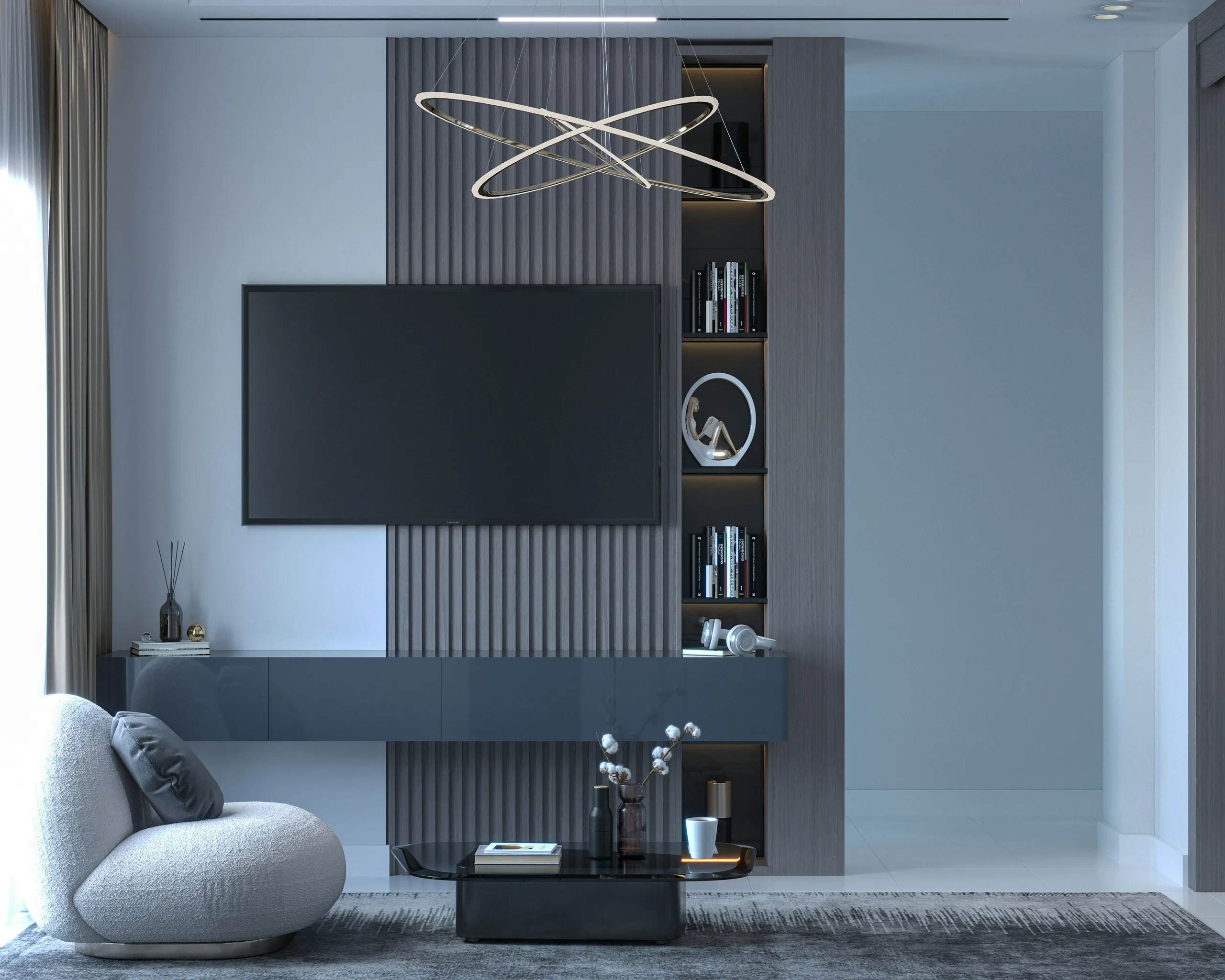
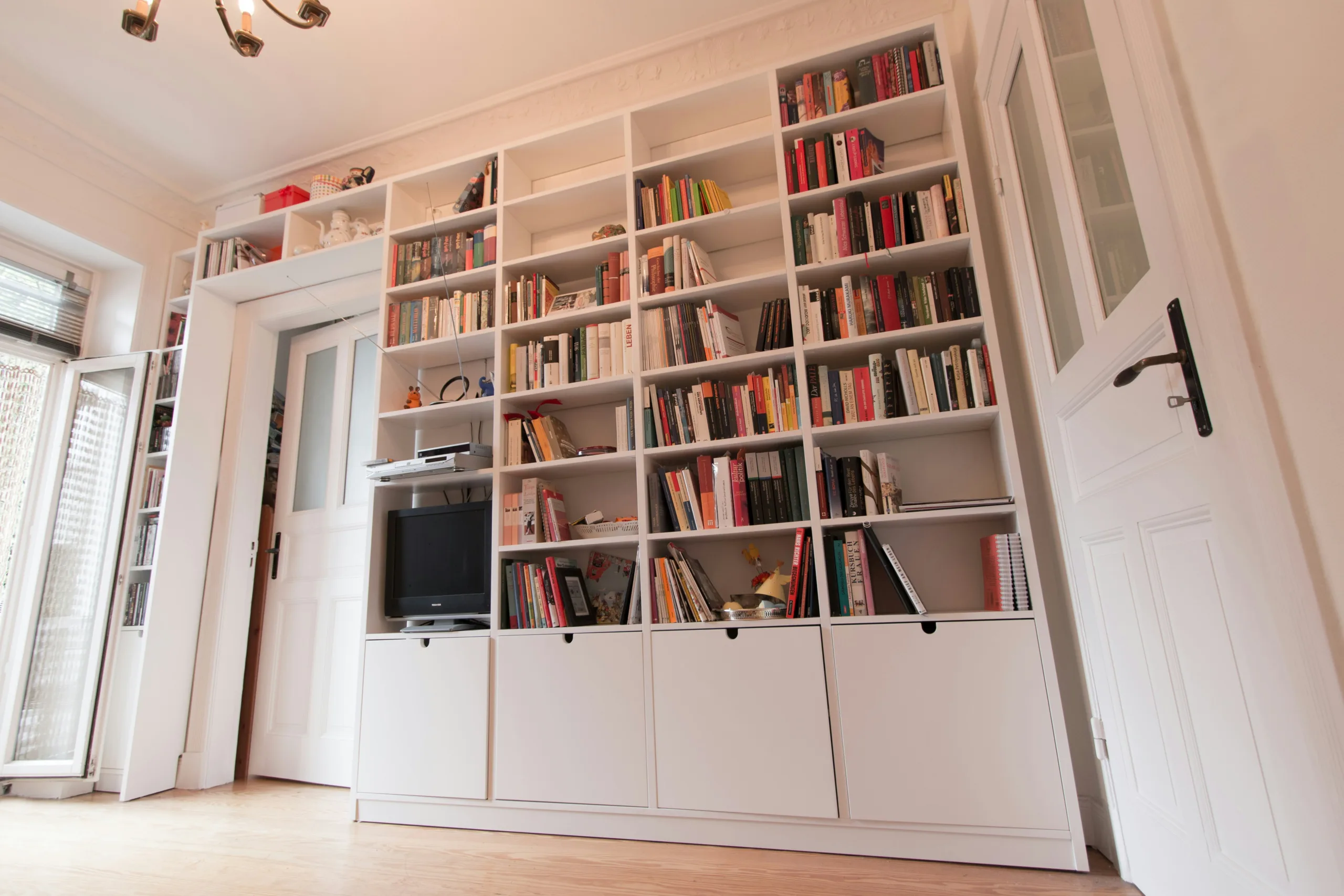
- What they want: Practical solutions, clever storage ideas, furniture that fits awkward spaces, or pieces designed for specific functional needs (e.g., a media unit to hide clutter, a dining table that extends for entertaining).
- Content to create: Case studies highlighting how a bespoke piece solved a real-world problem for a client. Before-and-after photos that dramatically illustrate the transformation. Guides on measuring for custom furniture or understanding the functional benefits of tailored designs.
The Investment Buyer
These clients see bespoke furniture not just as a purchase, but as a long-term investment in quality and personal expression.
- What they want: Assurance of quality, longevity of materials, understanding of craftsmanship, and the perceived value of owning something unique and durable.
- Content to create: Deep dives into the materials used – their origin, durability, and ethical sourcing. Explanations of traditional craftsmanship techniques. Stories about the lifespan of well-made furniture and how it can become an heirloom.
The ‘First-Timer’
Many people are curious about bespoke but intimidated by the process.
- What they want: Clear explanations of how it works, what to expect, the costs involved, and reassurance that it’s accessible.
- Content to create: “How-to” guides on commissioning a piece, FAQs about the bespoke process, and testimonials from those who were initially hesitant but now love their custom furniture.
Showcasing the Craftsmanship: More Than Just Pretty Pictures
Bespoke furniture is fundamentally about skill, dedication, and attention to detail. Your content should highlight this. It’s not just about the finished product; it’s about the journey of creation.
Behind-the-Scenes Glimpses
People are fascinated by how things are made.
- Workshop tours: Short videos or photo essays showing the tools, the environment, and the atmosphere of the workshop. This humanizes the process and builds trust.
- Material spotlight: Focus on the raw materials. Where do they come from? What makes them special? Highlighting the grain of wood, the texture of metal, or the drape of fabric can be incredibly engaging.
- Step-by-step process: Break down a specific construction technique. For example, demonstrating how a dovetail joint is made or how upholstery is applied with meticulous care. This educates and impresses.
The Maker’s Touch
The individuals behind the furniture are key.
- Meet the craftsperson: Feature interviews or profiles of the artisans. What’s their passion? What’s their background? This adds personality and expertise.
- Signature techniques: Are there any unique methods or styles that are specific to your workshop? Highlighting these sets you apart.
- Tool talk: Sometimes, the tools themselves tell a story. Discussing vintage hand planes or specialized machinery can resonate with people interested in the craft.
The Evolution of a Piece
Show the transformation from concept to reality.
- Sketch to reality: Start with initial drawings or CAD renderings and show how they evolve into a tangible object.
- Progressional updates: For larger commissions, share staged photos of the piece at different stages of construction. This builds anticipation and demonstrates ongoing progress.
- Problem-solving in action: If a specific design challenge arose during creation, show how it was overcome. This demonstrates adaptability and problem-solving skills.
Telling the Client’s Story: The ‘Why’ Behind the Piece
Every bespoke piece has a client behind it, with a unique vision and a reason for choosing custom. This is where you can connect emotionally.
The Commissioning Journey
Focus on the client’s experience during the design and creation process.
- Initial consultation: Describe the process of understanding the client’s needs, style, and desires. What questions were asked? How did you help them clarify their vision?
- Design collaboration: Show how ideas were translated into designs, perhaps with client feedback incorporated at various stages. This demonstrates partnership.
- The ‘aha!’ moment: Highlight the client’s reaction when they first saw their finished piece or a significant stage of its creation. Genuine excitement is contagious.
How the Furniture Fits Their Life
Show the bespoke piece in its intended environment, being used.
- Lifestyle integration: Photograph the furniture in the client’s home, demonstrating how it enhances their space and daily life. Is it a central piece for family gatherings? A functional element in a home office?
- Specific use cases: If the furniture was designed for a particular activity (e.g., a crafting table, a gaming station), show it in action. This makes the functionality tangible.
- Client testimonials (visual and written): Authentic feedback from happy clients is invaluable. Use quotes, short video testimonials, or even user-generated content if clients are willing to share.
The Long-Term Value
Emphasize that this isn’t just furniture; it’s an investment.
- Heirloom potential: Discuss how well-made bespoke pieces can be passed down through generations, becoming cherished family items.
- Durability and longevity: Explain the choice of materials and construction methods that ensure the piece will last for decades, outperforming mass-produced alternatives.
- Timeless design: Showcase how bespoke pieces, even when contemporary, often possess a timeless quality that transcends fleeting trends, ensuring they remain relevant and beautiful for years to come.


Education is Key: Empowering Your Audience
Many potential clients might be new to the world of bespoke furniture. Your content can demystify the process and highlight the benefits.
Demystifying the Bespoke Process
Break down the steps involved in ordering a custom piece.
- From idea to installation: Create a flowchart or a series of short posts explaining the typical timeline, from initial inquiry and design consultation to material selection, fabrication, finishing, and final delivery.
- What to expect financially: Be transparent about pricing. Explain the factors that influence cost, such as materials, complexity, and size. Provide a range or examples of typical project budgets.
- Choosing the right maker: Offer advice on what criteria clients should consider when selecting a bespoke furniture maker, such as craftsmanship, communication, and portfolio.
Material Matters
Educate your audience about the substances that make up the furniture.
- Wood types explained: Detail different species of wood, their characteristics (durability, grain patterns, color), and suitability for various furniture types.
- Metal, fabric, and finishes: Discuss options beyond wood. What are the pros and cons of different metals? What kind of upholstery is best for different styles and uses? Explain the impact of various finishes on durability and aesthetics.
- Sustainable sourcing: If you use ethically sourced or reclaimed materials, highlight this. It’s a significant value proposition for many conscious consumers.
Design Inspiration and Trends
Position yourself as someone knowledgeable about the broader design landscape.
- Trend analysis: Discuss current interior design trends and how bespoke furniture can either align with them or offer a timeless alternative.
- Style guides: Explain different furniture styles (e.g., Mid-Century Modern, Scandinavian, Industrial) and how bespoke pieces can be tailored to fit them.
- Mood boards and inspiration galleries: Curate and create visual content that sparks ideas for potential clients, showcasing a range of aesthetics and possibilities.
Practical Digital Strategies: Making Your Content Seen and Heard
Creating great content is only half the battle. You need to make sure people actually find it.
Search Engine Optimization (SEO) Basics
Help people find your content when they’re searching for solutions.
- Keyword research: Identify terms people use when looking for bespoke furniture (e.g., “custom dining table,” “handmade bookshelf,” “bespoke wardrobe London”).
- On-page optimization: Use these keywords naturally in your website copy, blog posts, and product descriptions.
- Image alt text: Describe your images clearly using relevant keywords. This helps search engines understand your content and improves accessibility.
Social Media Engagement
Connect with your audience where they are.
- Platform selection: Focus on visual platforms like Instagram and Pinterest, which are ideal for showcasing furniture. LinkedIn can be good for business-to-business connections or showcasing your expertise to design professionals.
- Consistent posting schedule: Regularly share updates, behind-the-scenes glimpses, finished projects, and educational content.
- Engage with followers: Respond to comments, answer questions, and participate in relevant conversations. Run polls or Q&As to encourage interaction.
- Hashtag strategy: Use a mix of broad and niche hashtags to reach a wider audience and connect with specific communities.
Building an Email List
A direct line of communication with interested prospects.
- Lead magnets: Offer valuable content in exchange for email addresses, such as a free guide to commissioning furniture, a style inspiration lookbook, or an exclusive workshop tour video.
- Nurturing campaigns: Send regular newsletters with project highlights, design tips, and behind-the-scenes stories.
- Segment your list: If possible, segment your audience based on their interests or stage in the buying journey to send more targeted content.
Collaborations and Partnerships
Expand your reach through mutual benefit.
- Interior designers: Partner with designers who can incorporate your bespoke pieces into their client projects and potentially feature your work.
- Architects and builders: Collaborate on projects where custom furniture is integral to the architectural design.
- Lifestyle bloggers/influencers: If your brand aligns, consider collaborations with influencers who have an audience interested in home decor, craftsmanship, or luxury items.
By focusing on these areas, you can build a content strategy that is informative, engaging, and ultimately successful in connecting with clients who appreciate the artistry and personal touch of bespoke furniture. Remember, it’s about sharing passion, process, and the enduring value of something made just for them.