How Art, Furniture and Lighting Shape High-End Atmosphere
May 31, 2026

When you step into a high-end space, whether it’s a luxury hotel lobby, a chic restaurant, or an exquisite home, you immediately feel it. That intangible sense of sophistication, comfort, and allure isn’t accidental. It’s meticulously crafted through the interplay of art, furniture, and lighting. These aren’t just decorative elements; they are the fundamental building blocks that establish the very atmosphere, influencing how you perceive the space, how you move within it, and even how you feel emotionally. Think of it as a carefully composed symphony where each instrument plays a vital role in creating the overall mood.
Furniture in high-end design goes far beyond mere utility. It’s about statement, comfort, and defining areas within a larger space. Each piece is chosen not just for its function, but for its form, material, and how it contributes to the overall aesthetic narrative.
Craftsmanship and Materials Speak Volumes
The tactile experience of furniture is paramount. In high-end settings, mass-produced items are often eschewed for pieces that showcase exceptional craftsmanship and premium materials.
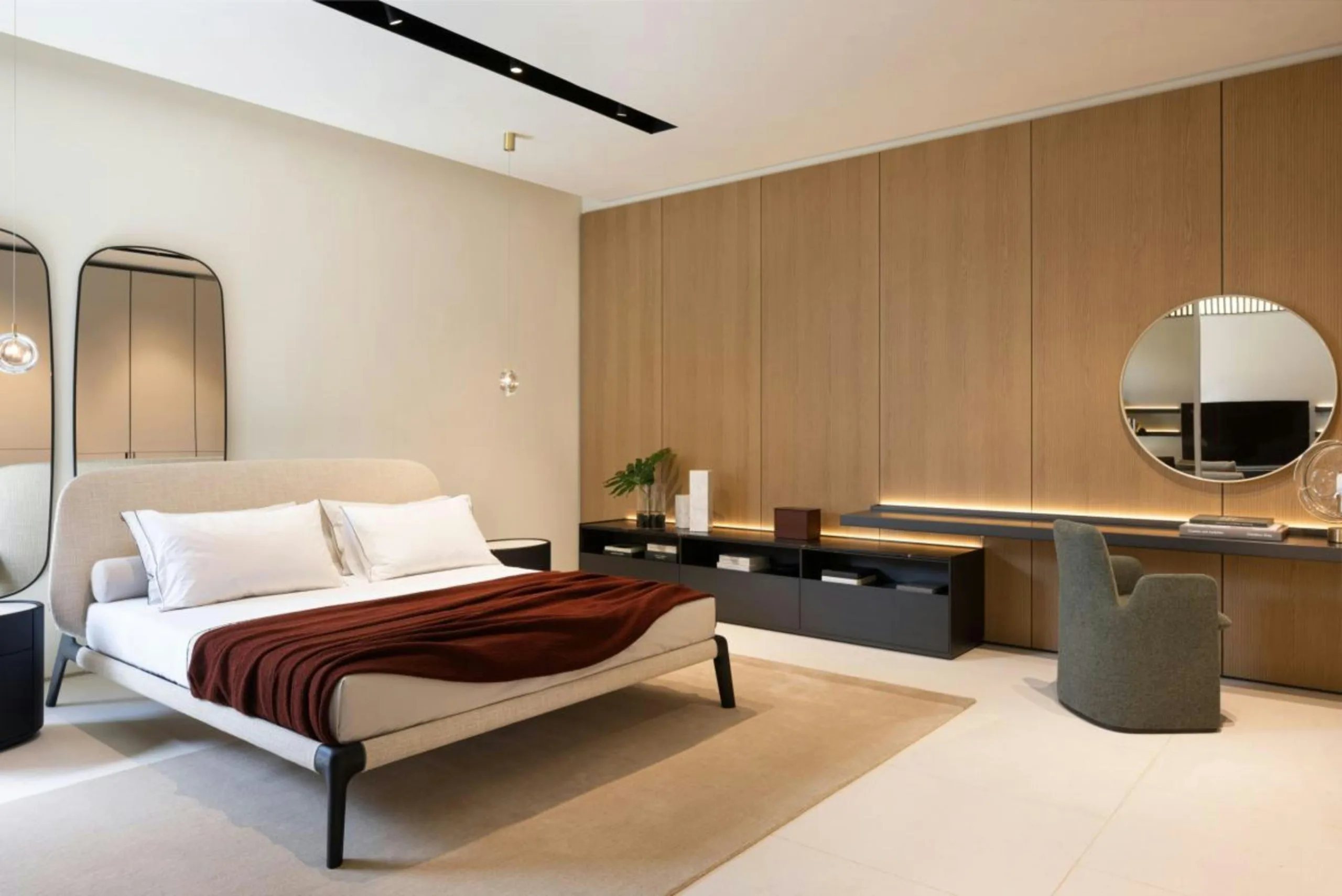
- Natural Woods and Exotic Veneers: Think of solid walnut, rich mahogany, or even sustainably sourced reclaimed wood with beautiful grain. These materials bring warmth, depth, and a sense of history. The way they are finished – hand-rubbed, oiled, or seamlessly joined – adds to their luxurious appeal. The deliberate choice of such woods signals quality and longevity, a stark contrast to cheaper, synthetic alternatives.
- Luxurious Upholstery: Velvets, silks, fine leathers, and bespoke woven fabrics aren’t just pretty; they offer a sensory experience. The softness of velvet, the cool touch of silk, or the supple feel of aged leather contributes significantly to comfort and opulence. The stitching, tufting, and tailoring on high-end upholstery are often impeccable, revealing a dedication to detail that elevates the piece.
- Metals and Stone Accents: Brass, bronze, polished chrome, marble, and granite are frequently incorporated as accents, table bases, or even entire surfaces. These materials add a touch of glamour, modernity, or classic elegance, depending on their finish and application. A polished brass leg on a console table or a substantial marble coffee table instantly communicates a higher tier of design.
Defining Zones and Flow
Thoughtfully arranged furniture dictates how people interact with a space, creating intimate conversation areas or grand gathering spots.
- Anchoring Large Spaces: In expansive rooms, large, statement furniture pieces like an oversized sectional, a grand dining table, or a pair of substantial armchairs can ground the space and prevent it from feeling cavernous or undefined. These pieces act as focal points, drawing the eye and naturally creating areas for different activities.
- Creating Intimacy: Strategic placement of smaller groupings, such as two comfortable chairs facing each other with a modest side table, encourages conversation and creates a more personal atmosphere within a larger setting. This is crucial for hospitality environments where guests seek both connection and privacy.
- Guiding Movement: The arrangement of furniture subtly directs foottraffic. Clear pathways are essential, ensuring ease of movement without feeling like you’re navigating an obstacle course. In high-end design, the flow feels intuitive and effortless. You’re never left wondering where to go or how to get there.
The Soul of the Space: Art as an Emotional Anchor
Art is perhaps the most personal and impactful element in shaping atmosphere. It tells a story, provokes thought, and infuses a space with personality and emotion. It’s not just decoration; it’s a conversation starter, a mood setter, and often, an investment.
Curating a Narrative
Art choices in high-end environments are rarely random. They are carefully curated to align with the overall design concept and the desired emotional resonance.
- Establishing a Theme: Whether it’s a collection of abstract expressionist paintings in a minimalist penthouse or antique botanical prints in a traditional study, art can reinforce or introduce a specific theme. This cohesion strengthens the perceived quality and intention behind the design.
- Evoking Emotion: A dramatic abstract piece can inject energy and vibrancy, while a calming landscape might promote serenity. Art has a unique ability to tap into our emotions, and in high-end design, this power is harnessed to great effect, crafting an emotional landscape as much as a physical one.
- Reflecting Personality (Residential): In residential settings, art is a powerful reflection of the homeowner’s tastes, travels, and passions. A carefully built art collection imbues a home with a unique character that off-the-shelf decor simply cannot achieve. It elevates the space from merely furnished to truly lived-in and distinguished.
Placement and Presentation
How art is displayed is almost as important as the piece itself. Thoughtful presentation elevates its impact.
- Strategic Focal Points: A significant artwork can become the central focal point of a room, drawing the eye and anchoring a design scheme. This might be a large painting above a fireplace, a sculpture in an entryway, or a gallery wall carefully arranged to tell a visual story.
- Lighting the Masterpiece: Dedicated art lighting, such as picture lights or specific spotlights, is crucial for showcasing artwork effectively. It brings out colours, textures, and details that might otherwise be lost, truly elevating the piece to its intended status. Properly lit art doesn’t just illuminate; it highlights and dramatizes.
- Scale and Proportion: The size and placement of art relative to the wall and surrounding furniture are critical. A tiny piece on a vast wall can look lost, while an oversized piece in a small nook can feel oppressive. High-end design excels at achieving balance, ensuring that art feels perfectly integrated into its environment, rather than an afterthought.
The Invisible Architect: Lighting as Mood Sculptor
Lighting is arguably the most powerful tool for shaping atmosphere, often working subtly in the background to create dramatic effects. It’s not just about visibility; it’s about warmth, drama, intimacy, and drawing attention to specific features.
Layering for Depth and Versatility
A single overhead light is the antithesis of high-end lighting design. The key is layering different types of light to achieve depth and adaptability.
- Ambient Lighting (General Illumination): This is the foundational layer, providing overall brightness without harshness. Recessed lighting, cove lighting, or well-placed floor lamps with diffusers are common approaches. The goal is to create a comfortable baseline of light that doesn’t cast harsh shadows or glare.
- Task Lighting (Functional Focus): Directly illuminating specific work areas – kitchen countertops, reading nooks, or desks – is essential. This often comes from under-cabinet lights, desk lamps, or directed spotlights, ensuring functionality without compromising the overall mood. It’s about providing light precisely where and when it’s needed.
- Accent Lighting (Highlighting Features): This is where much of the atmosphere is sculpted. Spotlights on artwork, uplights highlighting architectural details or plants, and wall washers creating dramatic effects all fall into this category. Accent lighting creates visual interest and draws the eye to curated elements.
- Decorative Lighting (Statement Pieces): Chandeliers, pendant lights, and decorative table lamps serve as both light sources and sculptural elements. They add visual interest, sparkle, and can reinforce the design aesthetic of the space. A stunning chandelier, for instance, is a jewel in the crown of a high-end room.
The Dynamics of Warmth and Colour Temperature
The colour of light, measured in Kelvin (K), profoundly influences mood. High-end design carefully selects colour temperatures to evoke desired feelings.
- Warm Tones (2700K-3000K): These yellows and oranges mimic incandescent bulbs and candlelight, fostering a sense of comfort, intimacy, and relaxation. They are ideal for living areas, bedrooms, and restaurants where a cozy, welcoming atmosphere is desired. This is the cornerstone of a high-end residential feel.
- Cooler Tones (3500K-4000K+): These bluer and whiter lights are more invigorating and can be suitable for task-oriented areas like kitchens or offices, or in commercial spaces where alertness is paramount. However, they are used sparingly in high-end spaces designed for relaxation, as they can feel sterile if not carefully balanced.
Dimming and Control
The ability to adjust lighting levels is non-negotiable in high-end environments. Dimmers allow for seamless transitions in mood and functionality.
- Setting the Scene: With dimmers, a bright, functional space can transform into an intimate, softly lit sanctuary with the flick of a switch. This adaptability is key for spaces that serve multiple purposes throughout the day.
- Energy Efficiency and Longevity: Beyond mood, dimming contributes to energy conservation and extends the lifespan of light bulbs, which are practical considerations in any high-quality design.
- Smart Lighting Systems: In contemporary high-end design, integrated smart lighting systems allow for pre-programmed scenes, remote control, and even automated adjustments based on time of day or occupancy. This effortless control further enhances the user experience and sophistication of the space.

The Symphony of Design: Integration and Cohesion
No single element works in isolation. The true magic of high-end atmosphere emerges when art, furniture, and lighting are harmoniously integrated, speaking a common design language.
A Unified Aesthetic
Every choice, from the patina of a bronze sculpture to the weave of an armchair fabric and the colour temperature of a recessed light, contributes to a single, overarching aesthetic.
- Consistency in Style: Whether the style is modern minimalist, classic opulent, or eclectic bohemian, consistency across these elements reinforces the chosen aesthetic. A modern sofa paired with a traditional chandelier might work if done exceptionally well, but generally, high-end spaces aim for a cohesive visual narrative.
- Complementary Textures and Finishes: The interplay of different textures – smooth marble, rough linen, shimmering silk, polished metal – adds richness without clutter. Lighting accentuates these textures, making them feel even more luxurious and tactile. The finishes – matte, gloss, brushed – also play off each other, creating visual depth.
The Power of Contrast and Balance
While cohesion is vital, strategic contrast adds visual interest and prevents a space from feeling monotonous.
- Art as a Counterpoint: A vibrant, contemporary piece of art against a subdued, neutral backdrop of furniture and wall colour can be incredibly impactful, becoming an instant focal point. The art provides the pop of colour or form that the more classic furniture might lack.
- Lighting to Create Drama: Using accent lighting to highlight a particular furniture piece or artwork creates drama and draws the eye, breaking up uniformity and creating visual hierarchy. A dark corner suddenly becomes an interesting vignette with a focused spotlight.
- Balancing Scale: A grand-scale artwork might be balanced by a simpler furniture arrangement, or a complex piece of furniture might be surrounded by more understated art and lighting. Achieving this balance requires a keen eye and understanding of spatial relationships.
Beyond Sight: The Multisensory Experience
High-end atmosphere isn’t just about what you see; it’s about how you feel when you’re in the space. Art, furniture, and lighting contribute significantly to this broader sensory experience.
Touch, Sound, and Scent
While primarily visual, these elements also engage other senses, completing the immersive experience.
- Tactile Comfort (Furniture): The feel of luxurious upholstery, the smoothness of a polished wood surface, or the cool substantiality of a marble countertop all contribute to a sense of quality and comfort. It’s about more than just looking good; it’s about feeling good.
- Acoustics and Ambiance: Soft furnishings, rugs, and even certain types of art can absorb sound, contributing to a quieter, more tranquil environment. In high-end design, unwanted echoes are often mitigated, allowing for hushed conversations rather than boisterous noise.
- Subtle Aromas: While not directly furniture or art, the intentional layering of subtle, sophisticated scents (e.g., diffusers with essential oils) in conjunction with the visual elements completes the sensory journey, creating a holistic and memorable atmosphere. This often ties into the branding of a high-end hotel or retail space.
In essence, building a high-end atmosphere is like assembling a three-dimensional poem. Each carefully chosen piece of furniture provides structure and comfort, the art offers visual poetry and emotional depth, and the lighting orchestrates the entire composition, revealing textures, emphasizing forms, and setting the perfect mood. When these elements truly harmonize, they don’t just decorate a space; they transform it into an experience that is both memorable and uniquely luxurious.