Elite Fashion Editors Influence Consumer Desires
May 31, 2026

Ever wonder why certain trends just appear seemingly out of nowhere and suddenly everyone’s sporting them? It’s not magic, and it’s definitely not random. At the heart of many of these shifts are the elite fashion editors. These aren’t just people who like clothes; they’re tastemakers, strategists, and powerful influences who directly and indirectly shape consumer desires. They work behind the scenes, but their impact is undeniably felt in your wardrobe.
This might sound a bit dramatic, but think about it. These individuals curate what we see, what we read about, and ultimately, what catches our eye and sparks that little voice saying, “I need that.” They have a significant role in translating runway creations into accessible ideas and then making those ideas seem utterly essential.
The Gatekeepers of Trend Forecasting
Fashion editors are often the first to see what designers are cooking up for future seasons. This isn’t just about attending runway shows; it’s about a deep immersion in creative processes, understanding cultural shifts, and spotting nascent ideas that have the potential to become mainstream. They are essentially the gatekeepers who decide which of these emerging trends will get the spotlight.
Early Access and Vetting
Before a collection even hits the runway or the store, editors are often privy to behind-the-scenes previews. This allows them to form opinions and identify garments or styling approaches that they believe will resonate with their readership. This early access is crucial; it gives them time to strategize how to present these ideas to the public. They’re not just reporting; they’re participating in the pre-production of trends. They’re looking for that spark, that new silhouette, that unexpected color combination that feels fresh and exciting.
The Art of Editorial Selection
Once they’ve seen the collections, comes the monumental task of selection. Editors don’t simply feature everything. They choose pieces that align with the magazine’s or publication’s overall aesthetic, but more importantly, they select items they believe will capture the public’s imagination. This involves a keen understanding of what’s commercially viable, what will photograph well, and what can be adapted for a wider audience. It’s a delicate balance between avant-garde inspiration and marketability.
Curating Visual Narratives: The Power of the Magazine Spread
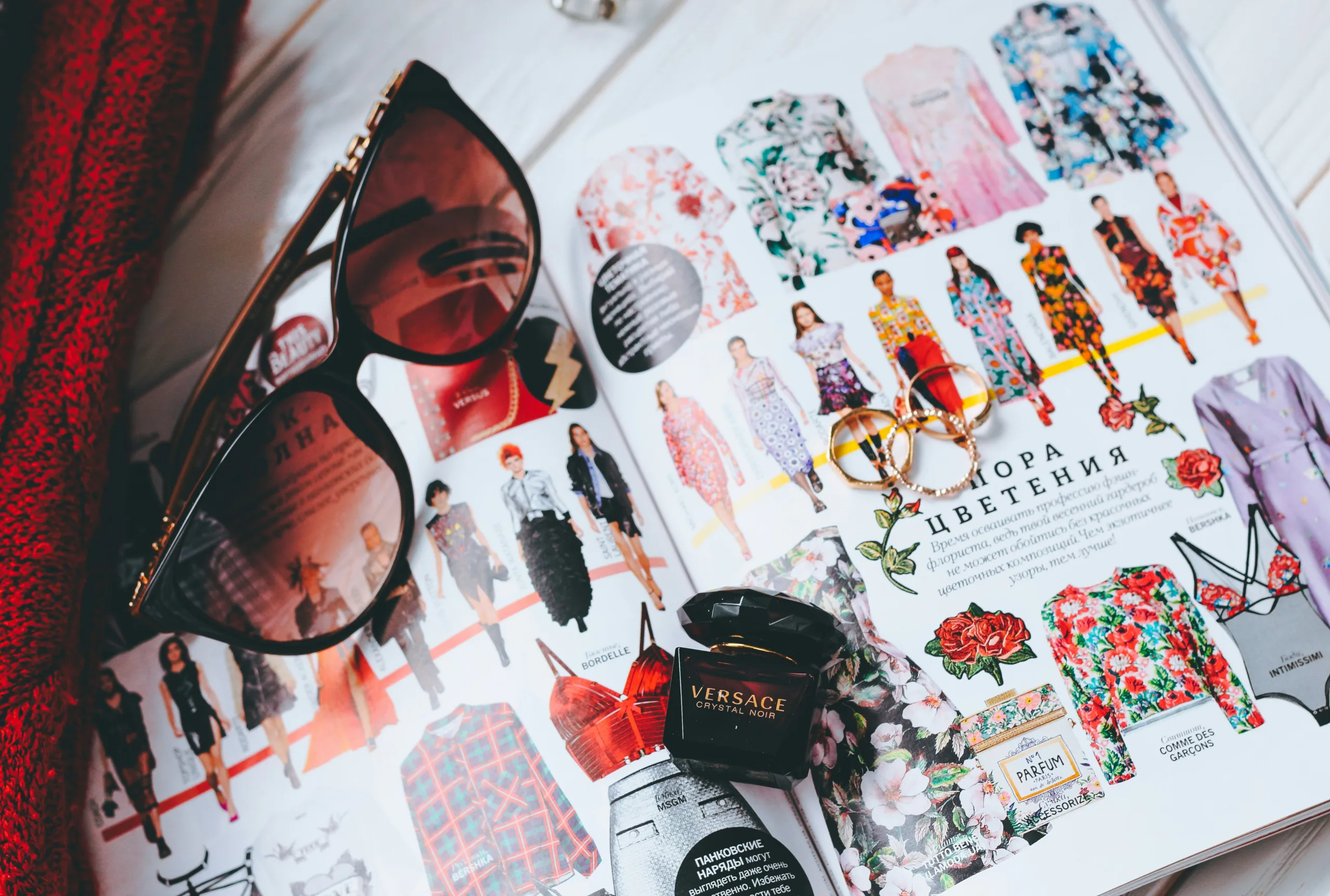
The glossy pages of fashion magazines, or the carefully crafted online features, are where the real magic happens in terms of influencing consumer desire. An editorial shoot isn’t just about showcasing a dress; it’s about creating a story, an aspiration.
The Stylist’s Vision and the Editor’s Approval
Fashion editors work hand-in-hand with stylists to create these visual narratives. A stylist might pull a specific collection or a concept, but it’s the editor who gives the final approval, ensuring it aligns with the publication’s message and its target audience. They discuss mood boards, color palettes, locations, and models, all with the goal of creating an image that is both aesthetically pleasing and aspirational.
Creating a Desirable Context
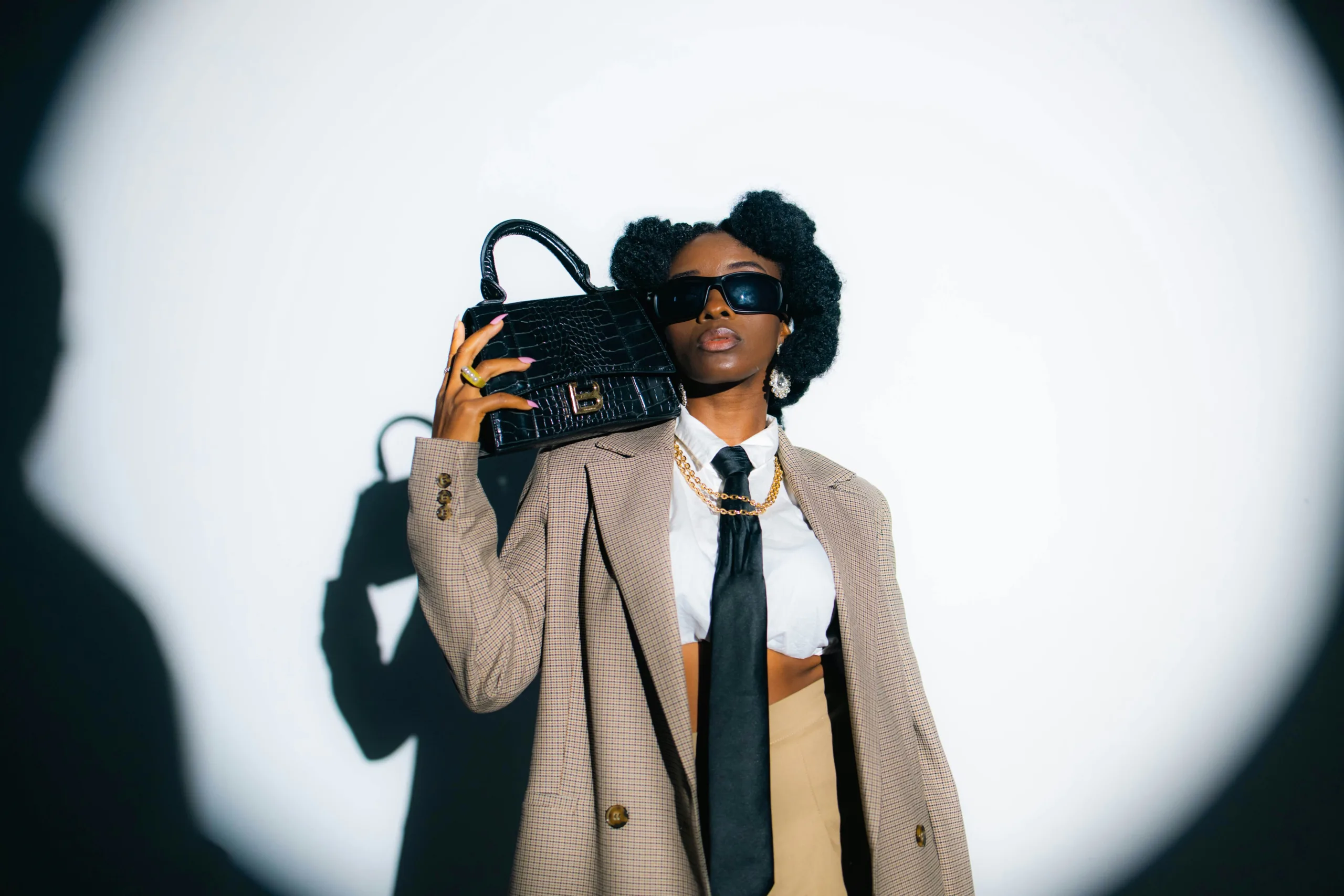
It’s not just about the clothes themselves, but the context in which they are presented. An editorially styled image can make even the most outlandish garment seem desirable by placing it in a setting that evokes a certain lifestyle, mood, or fantasy. Think of a bohemian-chic dress in a sun-drenched field, a sharp power suit in a minimalist urban loft, or an opulent evening gown in a grand ballroom. These backdrops are carefully chosen to associate the clothing with a desired way of life.
The “It” Factor: Generating Buzz and Exclusivity
When a particular item or look is featured prominently in multiple influential publications, it starts to generate a palpable buzz. This creates a sense of “it-ness,” making the item feel exclusive and highly sought-after. Editors understand this, and by strategically highlighting certain pieces, they can inadvertently (or sometimes quite intentionally) catapult them into must-have status. It’s about creating a halo effect where the desirability of the editorial image transfers to the product itself.
Translating Runway to Reality: Bridging the Gap
Runway fashion can often be avant-garde, theatrical, and not always practical for everyday wear. Fashion editors play a crucial role in translating these high-fashion concepts into something consumers can realistically adopt and desire.
Identifying Wearable Elements
Even within the most avant-garde shows, there are often elements – a particular silhouette, a fabric, a color, a styling detail – that can be translated into more accessible fashion. Editors are skilled at spotting these elements and bringing them to the forefront, showing how they can be incorporated into a modern wardrobe. They might feature a designer’s jacket, but then show how to wear it with jeans, or highlight a color seen on the runway and demonstrate it in a more everyday garment.
Practical Styling Advice and “How-To” Content
Beyond just showing the clothes, fashion editors provide practical styling advice. Think of articles like “How to Wear the Chunky Knit Trend” or “5 Ways to Style a Slip Dress.” This content demystifies trends, making them feel less intimidating and more achievable for the average consumer. By offering concrete examples and suggestions, they empower readers to experiment and integrate new ideas into their personal style.
The Influence of Fashion Weeks and Editorials
Fashion Weeks are intense periods of exposure. Editors are bombarded with new collections, and their subsequent coverage in magazines and online platforms is what disseminates these trends to a wider audience. The way they choose to photograph and write about these collections directly influences how consumers perceive them. A single, impactful editorial can spark a thousand shopping desires.
The Indirect Influence: Trendsetting Through Opinion and Analysis
It’s not always about direct recommendation. Fashion editors also wield influence through their commentary, analysis, and the general tone of their coverage. Their opinions, whether positive or negative, can shape how a trend is received.
Expert Opinion and Credibility
Fashion editors are often seen as industry experts. Their opinions carry weight because of their perceived knowledge, experience, and access. When an editor praises a particular designer, fabric, or styling technique, it lends it a level of credibility that can significantly boost its desirability. This endorsement bypasses overt advertising and feels more like genuine appreciation.
The Power of Critique and Nuance
Conversely, a critical or dismissive tone towards a particular trend can just as effectively dampen consumer interest. Editors aren’t just cheerleaders; they are also critics. Their ability to dissect trends, offer nuanced perspectives, and sometimes even poke fun at excesses, helps to shape the cultural conversation around fashion. This critical engagement can guide consumers away from fads and towards more enduring styles.
Shaping the Narrative of “What’s Next”
Fashion editors are constantly looking ahead, identifying macro-trends and cultural shifts that will influence fashion. Their speculative pieces, trend reports, and runway reviews often act as a form of prophecy, subtly guiding designers and the industry towards what’s next. This, in turn, shapes the desires of consumers who are eager to be on the forefront of fashion. They create a sense of anticipation for what’s to come, making consumers receptive to new ideas.
The Digital Shift and Evolving Influence
The rise of digital media has significantly changed how fashion editors operate and exert their influence. While traditional print still holds sway, online platforms offer new avenues for engagement and immediate impact.
Online Publications and Blogs
The proliferation of online fashion publications and influential blogs has democratized fashion commentary to some extent. However, the elite editors of major publications still hold significant power. Their digital content, from website features to social media posts, reaches a massive audience instantly. These platforms allow for more dynamic content, including videos and clickable links, directly connecting editorial inspiration to shopping opportunities.
Social Media as a Mega-Amplifier
Fashion editors are increasingly active on social media platforms like Instagram and TikTok. Their personal accounts, when curated with an editorial eye, can become powerful tools for influencing consumer desires. They can showcase behind-the-scenes glimpses, personal style, and direct recommendations. This direct line of communication fosters a more intimate connection with their audience, making their influence feel more personal and relatable.
The Speed of Digital Dissemination
The digital age means trends can explode and fade at lightning speed. Fashion editors are tasked with staying ahead of this curve, identifying and amplifying trends as they emerge. Their ability to quickly create and disseminate engaging content means a featured item can go from obscure to coveted in a matter of days, driven by their editorial choices online. This rapid dissemination means consumer desires can be ignited and fulfilled much faster than in the past.
The Nuance of Consumer Adoption
It’s important to remember that while fashion editors are powerful influencers, consumers aren’t passive recipients of trends. The adoption of trends is a complex interplay of editorial influence, cultural context, personal expression, and market availability.
Personal Style and Individual Interpretation
Ultimately, consumers interpret trends through the lens of their own personal style and preferences. An editor might highlight a particular trend, but individuals will choose to adopt, adapt, or ignore it based on what resonates with them. Fashion editors are skilled at planting seeds of desire, but it’s up to the individual to decide if and how those seeds will grow.
The Power of Peer Influence and Social Proof
While editorial influence is significant, the opinions and styles of peers, celebrities, and influencers also play a massive role. Fashion editors often tap into or amplify existing cultural currents, and their work is often validated or amplified by what is seen and worn in broader society. The desired item is often one that fits into a desirable social context, which is shaped by a multitude of voices.
The Role of Accessibility and Price Point
Even the most beautifully styled editorial can only go so far if the featured items are prohibitively expensive or unavailable. Fashion editors often consider the broader market implications of their selections, striving to feature items that are aspirational but also, in some form, attainable. This doesn’t mean they only feature mass-market brands, but rather that their influence can extend to making a designer aesthetic seem more approachable through styling and placement. The desire is often for the idea of the item, which can then be translated into more affordable versions.
In conclusion, the influence of elite fashion editors on consumer desires is profound and multifaceted. They are not just reporters of fashion; they are architects of aspiration, shaping what we see, what we covelace, and ultimately, what we choose to wear. Their strategic curation, visual storytelling, and expert commentary create a powerful feedback loop that drives trends and subtly guides our sartorial choices, making them indispensable figures in the fashion ecosystem.