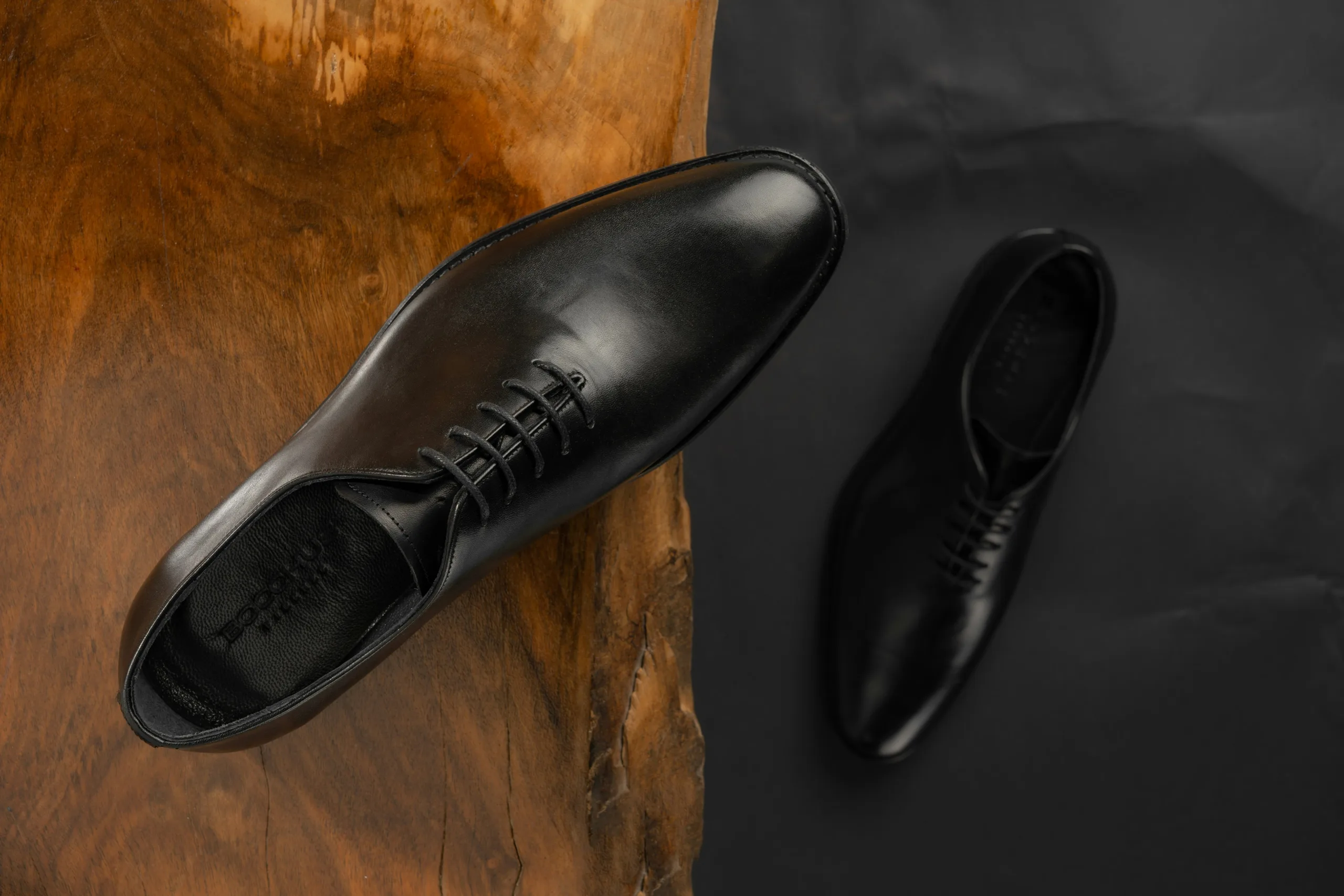
AI Luxury: Atelier Algorithm and Fashion Content
May 31, 2026

So, what’s “AI Luxury: Atelier Algorithm and Fashion Content” all about? Simply put, it’s about how artificial intelligence is genuinely changing the game in high-end fashion, from how clothes are designed to how we see and interact with fashion content. It’s not just a futuristic idea anymore; AI is right here, right now, reshaping the very fabric of luxury. We’re talking about sophisticated algorithms helping designers, personalized shopping experiences like never before, and even AI-generated models and campaigns that are blurring the lines between the real and the digital.
Gone are the days when AI was just for number crunching. In luxury fashion, AI is becoming an integral part of the creative process. Think of it less as a replacement for human ingenuity and more as a powerful, data-driven assistant that can unlock new possibilities.
From Inspiration to Iteration
Designing a luxury collection is a meticulous process, and AI is stepping in to offer a fresh perspective.
Trend Forecasting with Finesse
AI can analyze vast amounts of data – social media trends, sales figures, runway shows, economic indicators – to predict what’s going to be hot, long before humans can. This isn’t just about identifying general trends; it’s about pinpointing specific aesthetics, color palettes, and even material preferences that resonate with the target luxury consumer. This allows designers to be proactive, not reactive, ensuring their collections are not only beautiful but also timely and desirable.
Algorithmic Design Assistance
Imagine an AI sifting through decades of archival luxury designs, extracting common elements, successful silhouettes, and even forgotten techniques. It can then present designers with mood boards, pattern suggestions, or even 3D models that serve as a springboard for their own creativity. This isn’t about AI designing the entire garment, but rather offering a wealth of informed inspiration that expands the human designer’s creative horizon. It can help explore variations on a theme or identify gaps in the market that a human might overlook.
Sustainable Material Sourcing
Luxury brands are increasingly focused on sustainability. AI can help here too. It can analyze the environmental impact of various materials, suggest sustainable alternatives, and even trace supply chains to ensure ethical sourcing. This allows brands to make informed decisions that align with their sustainability goals, without compromising on the quality and luxury feel of their products. It’s about combining environmental responsibility with exceptional craftsmanship, and AI can help bridge that gap.
Personalized Panache: AI-Driven Customer Experiences
Luxury has always been about exclusivity and tailored service. AI is taking this to an entirely new level, offering personalized experiences that feel genuinely bespoke.
Hyper-Personalized Shopping Journeys
Forget generic email blasts. AI allows luxury brands to understand individual customer preferences in unprecedented detail.
Intelligent Product Recommendations
Based on past purchases, browsing history, social media activity, and even aggregated data from similar customers, AI can recommend specific items, outfits, or even entire collections that genuinely resonate. This isn’t just “you bought a scarf, here are more scarves.” It’s “we noticed your interest in minimalist aesthetics and ethical sourcing; here’s a limited-edition capsule collection that perfectly aligns with your values and past purchases.” This makes the shopping experience feel less like a transaction and more like a curated discovery.
Virtual Styling and Try-Ons
Augmented reality (AR) powered by AI allows customers to virtually “try on” garments or accessories using their smartphones or smart mirrors. This goes beyond just seeing if something fits; AI can analyze body shape and posture to show how a garment would truly drape and move, offering a more realistic preview. This enhances the online shopping experience, reduces returns, and provides a sense of confidence in purchase decisions, mimicking the in-store personal styling experience.
Predictive Customer Service
AI is not just for pre-purchase interactions; it’s also revolutionizing post-purchase care and ongoing customer relationships.
Proactive Outreach and Support
AI can analyze customer data to anticipate potential issues or celebrate milestones. For example, if a customer has purchased a delicate item, AI might prompt a personalized message offering care tips. Or, it could identify loyal customers due for an upgrade and offer exclusive previews or early access to new collections. This proactive approach fosters loyalty and strengthens the customer-brand bond.
Chatbots with Character
While traditional chatbots can feel robotic, AI-powered chatbots in luxury are designed to be more sophisticated. They can understand nuanced language, recognize emotional cues, and offer solutions that feel more personalized than a standard FAQ. They can handle routine inquiries efficiently, freeing up human staff for more complex, high-touch interactions, ensuring that every customer interaction, regardless of the channel, reflects the brand’s commitment to excellence.
The Digital Canvas: AI in Fashion Content Creation
The way luxury fashion is presented to the world is rapidly changing. AI is not just assisting humans; it’s actively generating compelling and often hyper-realistic content.
AI-Generated Models and Influencers
This is where things get truly interesting – and sometimes a little uncanny.
Hyper-Realistic Digital Avatars
Luxury brands are increasingly using AI to create incredibly lifelike digital models. These avatars can be styled in any creative way imaginable, placed in any digital environment, and even animated to mimic human movement and expressions. This offers unparalleled flexibility for campaigns, eliminates the logistical challenges of traditional photoshoots, and allows for exploration of aesthetics that might be impossible in the real world. Think of an entire runway show populated by AI models in a fantastical digital landscape.
Virtual Influencers with Authentic Personalities
Beyond static models, AI is creating virtual influencers – digital personalities with backstories, preferences, and even “opinions” that resonate with target audiences. These influencers can wear and promote luxury goods without the controversies or scheduling conflicts that can sometimes accompany human influencers. They offer a controlled environment for brand messaging while maintaining a relatable, aspirational presence. Their “lives” can be meticulously crafted to align perfectly with a brand’s image.
AI in Campaign Development
From conceptualization to execution, AI is streamlining and enhancing the creation of stunning luxury fashion campaigns.
Automated Content Generation
AI can generate a vast range of visual content – from ad banners to social media posts – tailored to different platforms and demographics. It can experiment with various layouts, text, and imagery to determine what performs best, allowing brands to optimize their campaigns in real-time. This ensures that every piece of content is perfectly aligned with the campaign’s goals and reaches the right audience effectively.
Personalizing Visual Storytelling
Imagine a campaign where the visuals presented to you are subtly different from those presented to someone else, based on AI’s understanding of your personal style and preferences. AI can adapt elements of a campaign – from the background setting to the specific styling of a garment – to make it more appealing to individual viewers, making the brand’s storytelling feel uniquely for them. This creates a deeply immersive and personalized connection with the brand narrative.


Atelier Algorithm: Bridging Physical and Digital Luxury
The “Atelier Algorithm” isn’t just about digital wizardry; it’s about using AI to enhance the real-world, tangible aspects of luxury, and create seamless transitions between the two.
Craftsmanship Enhanced by AI
Luxury is synonymous with craftsmanship. AI isn’t replacing artisans, but empowering them.
Precision Manufacturing and Quality Control
In the production of high-end garments and accessories, AI-powered systems can monitor manufacturing processes with extreme precision, identifying minute flaws that might be invisible to the human eye. This ensures unparalleled quality control, aligning with the “zero defect” expectation of luxury goods. It can also optimize cutting patterns to minimize waste, making production more sustainable.
Design Optimization for Production Efficiency
AI can analyze a designer’s vision and suggest modifications that retain the aesthetic integrity while making the garment more efficient to produce. This could involve optimizing seam placement, material usage, or even suggesting techniques that reduce hand-finishing time without compromising on the luxurious outcome. It’s about smart design that respects both artistry and practicality.
Immersive Digital Experiences in Physical Spaces
The luxury retail store is evolving, with AI playing a key role in creating engaging, tech-infused environments.
Smart Retail Environments
Imagine entering a luxury boutique where AI recognizes your preferences (with your permission, of course) and subtly customizes the lighting, music, or even the display of products based on your past interactions. Interactive mirrors can offer augmented reality try-ons or suggest complementary pieces. This creates a highly personalized and futuristic in-store experience that feels exclusive and tailored.
Bridging Online and Offline
AI can connect a customer’s online browsing history with their in-store visit. A sales associate, armed with AI-generated insights, can greet a customer with personalized recommendations, knowing their preferences before they even speak. This seamless integration ensures a consistent and elevated brand experience across all touchpoints, making the customer feel truly understood and valued. It eliminates the disjointed feeling often experienced when moving between digital and physical channels.
The Ethical Threads: Navigating AI in Luxury
As with any powerful technology, the application of AI in luxury fashion comes with its own set of responsibilities and considerations. It’s crucial to approach these ethical dimensions thoughtfully.
Data Privacy and Security in High-Net-Worth Contexts
Luxury consumers are often highly discerning about their privacy.
Protecting Personal Information
Collecting vast amounts of data to personalize experiences raises significant privacy concerns. Luxury brands must be transparent about what data they collect, how it’s used, and ensure robust security measures are in place to protect sensitive information. Trust is paramount in luxury, and any breach of privacy could be catastrophic. Clear consent mechanisms and easily accessible privacy policies are not just legal requirements but essential for maintaining customer confidence.
Anonymization and Aggregation
To balance personalization with privacy, brands can leverage AI to analyze anonymized and aggregated data. This allows them to identify broad trends and preferences without linking them to specific individuals. When individual data is used, it should always be with explicit consent and for clearly stated benefits to the customer, such as enhanced service or exclusive offers.
Algorithmic Bias and Representation
AI models are only as unbiased as the data they are trained on.
Ensuring Diverse Training Data
If AI is primarily trained on data representing a narrow demographic, its output will reflect that bias. In fashion, this could lead to AI-generated designs, models, or recommendations that lack diversity in terms of ethnicity, body type, age, and ability. Luxury brands have a responsibility to intentionally curate diverse training datasets to ensure their AI reflects and celebrates the richness of human experience. This means actively seeking out inclusive imagery and data points.
Mitigating Bias in Outcomes
Regular auditing of AI algorithms is essential to identify and correct any inherent biases that lead to inequitable or underrepresentative outcomes. This involves human oversight and careful monitoring to ensure that AI-driven content and recommendations are inclusive and do not perpetuate harmful stereotypes. It’s about conscious design of AI systems to promote fairness and broad appeal.
The Human Element: Maintaining Authenticity
In a world increasingly shaped by algorithms, preserving the human touch in luxury is vital.
Empowering Human Creatives
AI should be seen as an augmentation to human creativity, not a replacement. The unique vision, intuition, and emotional depth of human designers, artisans, and storytellers are irreplaceable. AI can handle repetitive tasks, analyze data, and generate possibilities, but the final, distinctive touch of luxury will always come from human artistry. It’s about allowing creatives to focus on higher-level conceptualization.
Transparency in AI Usage
Luxury brands should be clear with their customers when AI is being used in the creation of content or products. While the magic of luxury often involves a certain mystique, honesty about AI’s role can build trust and educate consumers. For example, if a campaign features AI-generated models, disclosing that fact can foster appreciation for the innovative approach rather than creating a sense of deception. It’s about celebrating innovation responsibly.
Ultimately, “AI Luxury: Atelier Algorithm and Fashion Content” isn’t about replacing the opulent heritage of high fashion with cold, hard code. Instead, it’s about a sophisticated dance between tradition and innovation. AI is offering powerful tools that enhance creativity, personalize experiences, and streamline processes, pushing the boundaries of what’s possible in the world of luxury. The atelier, with its hands-on craftsmanship and unique vision, is finding a new partner in the algorithm, and together, they are crafting the future of fashion.