How Interior Designers Can Use Project Stories for Visibility
May 31, 2026

So, you’re an interior designer and you’re wondering how to get more eyeballs on your amazing work? It’s a common challenge, right? You pour your heart and soul into creating beautiful, functional spaces, but sometimes it feels like no one’s really seeing it. The good news is, you’ve probably already got the secret weapon: your project stories.
Think about it. Every project you complete is a narrative. It’s a journey from a client’s initial ideas and pain points to a finished space that transforms their life. By embracing and sharing these stories, you can unlock a powerful way to boost your visibility, attract dream clients, and really showcase what makes your design approach unique. This isn’t about flashy ads or generic buzzwords; it’s about genuine connection and demonstrating your expertise through the compelling evidence of your past successes.
The Power of Storytelling in Design
Let’s be honest, a portfolio full of pretty pictures is good, but it can only take you so far. People connect with narratives. They want to understand the “why” behind the design, not just the “what.” When you share a project story, you’re not just showing off a finished room; you’re inviting potential clients into the experience. You’re showing them what’s possible when they work with you, and more importantly, you’re building trust and rapport.
Why Stories Resonate More Than Just Images
In today’s cluttered online world, people are bombarded with visual content. To truly stand out, you need to offer something more. A story provides context, emotion, and a relatable human element. It allows people to see themselves in the client’s shoes, to understand the problem that was solved, and to feel the positive impact of your design. This emotional connection is far more memorable and persuasive than a simple before-and-after shot. It’s the difference between someone glancing at a photo and someone truly engaging with your brand.
Connecting with Client Needs and Aspirations
Every client comes to you with a specific set of needs, desires, and sometimes even anxieties. A project story is the perfect vehicle to highlight how you understood those needs and translated them into a tangible, beautiful solution. You can talk about the initial consultation, the challenges we faced, and how we overcame them to achieve the client’s vision. This demonstrates empathy and problem-solving skills, two crucial qualities for any interior designer. It’s not just about making things look good; it’s about making them work for the people who live or work there.
Crafting Your Project Narratives: Beyond the Before & After
While the before-and-after is a staple, it’s just the starting point. A truly compelling project story goes deeper, digging into the process and the transformations. This is where you can really shine and differentiate yourself.
The “Problem” Phase: Identifying Client Pain Points
Every successful project begins with understanding the client’s challenges. Did they have a functional issue with their current layout? Were they struggling to create a specific ambiance? Were they overwhelmed by the design process? Share these initial hurdles. For instance, you could talk about a client who felt their living room was too cramped for entertaining, or a business owner who needed their office to reflect their brand’s innovation. Highlighting these initial pain points makes the subsequent transformation even more impactful. It shows potential clients that you listen and you understand the real-world problems they’re facing.
The “Solution” Phase: Your Design Process in Action
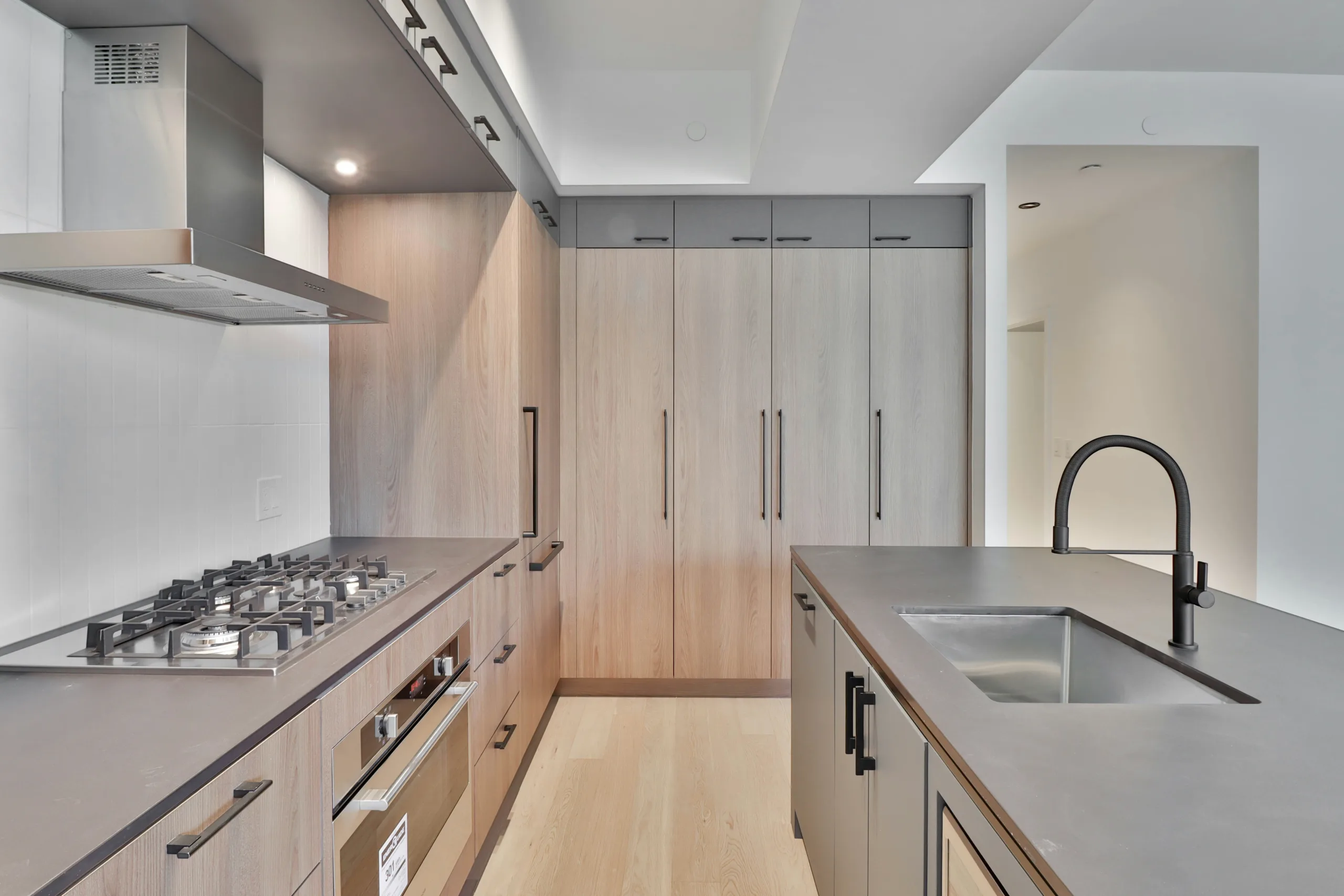
This is where you showcase your expertise. Detail your thought process, the design decisions you made, and why. Did you propose a clever space-saving solution? Did you select a specific color palette to evoke a certain mood? Did you incorporate custom furniture to maximize functionality? Explain the reasoning behind your choices. For example, if you designed a kitchen renovation, you could talk about how you analyzed the client’s cooking habits to create an optimal workflow triangle, or how you chose durable, low-maintenance materials to suit their busy lifestyle. Transparency in your process builds confidence.
The “Transformation” Phase: The Wow Factor
This is where the magic happens and your visuals really shine. But again, don’t just slap up the photos. Use the imagery to complement your narrative. Describe the feeling of the space. How has it improved the client’s life? What are they saying about it? This is where testimonials and client quotes are incredibly valuable. Instead of just saying, “The client loved the new kitchen,” quote them: ” ‘It’s completely changed how we live,’ Sarah told me. ‘We used to dread cooking, now it’s our favorite room in the house.’ “
Where to Share Your Project Stories for Maximum Impact
Once you’ve got these fantastic narratives, you need to get them in front of the right people. It’s not enough to have great content; it needs a strategic distribution plan. Think about where your ideal clients are likely to be looking for design inspiration and solutions.
Your Website: The Central Hub
Your website is your digital storefront. This is where potential clients will most likely land first. Create a dedicated “Projects” or “Portfolio” section, but instead of just galleries, make it story-driven.
Dedicated Project Pages
Each completed project should have its own dedicated page. This page is your opportunity to tell the full story. Include:
- An engaging introduction: Briefly set the scene and state the core objective of the project.
- Client’s brief/goals: What was the client hoping to achieve?
- The challenges faced: What were the initial problems or constraints?
- Your design approach/solutions: Detail your creative process, key design elements, and why you made certain choices.
- High-quality photography: Include a mix of wide shots, detail shots, and lifestyle images that capture the essence of the space.
- Client testimonials: Feature quotes or even short video testimonials if possible.
- The outcome/impact: How has the design improved the client’s life or business?
Blog Posts as Project Spotlights
Use your blog to dive even deeper into specific project aspects. You can write posts like:
- “How We Solved the Small-Space Dilemma in This City Apartment”
- “The Power of Color: Transforming a Family Home with a Bold Palette”
- “Designing for Productivity: A Home Office Makeover”
- “Beyond Aesthetics: Functional Kitchen Design for a Busy Family”
This allows you to target specific interests and keywords, improving your website’s SEO.
Social Media: Visual Storytelling at Its Finest
Social media platforms are inherently visual and offer fantastic opportunities to share snippets of your project stories and drive traffic back to your website.
Instagram: The Visual Powerhouse
- Carousels: Use Instagram carousels to tell a story one image at a time. Start with the problem, show the mood board or sketches, then reveal the completed space, and end with a client quote or a lifestyle shot.
- Reels: Create short, dynamic videos showcasing the transformation. Use before-and-after transitions, quick tours of the space, or even voiceovers explaining key design elements.
- Stories: Use Instagram Stories for behind-the-scenes glimpses during the project or to tease upcoming reveals. Polls and Q&A’s can also engage your audience.
- Consistent Hashtag Strategy: Use a mix of broad and niche hashtags (e.g., #interiordesign #houzz #dreamkitchen #modernlivingroom #[yourcity]designer).
Pinterest: The Inspiration Board
Pinterest is a search engine for inspiration. This is where people go to plan their own projects.
- High-Quality Pins: Pin your best project photos, ensuring they are vertical and visually appealing.
- Detailed Descriptions: Use descriptive keywords in your pin descriptions that prospective clients might search for (e.g., “Modern living room design with natural light,” “Small bathroom renovation ideas”).
- Link Back to Your Website: Always ensure your pins link directly to the relevant project page or blog post on your website.
- Create Themed Boards: Organize your projects into boards based on style, room type, or client challenges.
Email Marketing: Nurturing Your Audience
Your email list is a direct line to people who are already interested in your work.
Newsletter Features
Regularly feature a project story in your newsletter. Offer a concise summary and a compelling call to action to read the full story on your website. This keeps your subscribers engaged and reminds them of your capabilities.
Targeted Campaigns
If you have a list segmented by interests (e.g., clients looking for kitchen renovations), you can send targeted emails showcasing relevant projects.
Professional Networks and Directories
Leverage platforms designed for professionals and clients seeking services.
Houzz and Similar Platforms
These sites are built for showcasing portfolios and connecting clients with designers. Ensure your profile is complete, includes your best project stories, and encourages client reviews. Upload high-quality images and detailed descriptions.
While more professional, LinkedIn can still be a platform for showcasing your expertise. Share project highlights and link to your website. Engage in industry discussions and connect with potential collaborators or clients.
Measuring the Impact of Your Project Stories
It’s not enough to just put your stories out there; you need to know if they’re actually working. Tracking your efforts will help you refine your strategy and invest your time effectively.
Website Analytics: What’s Working?
- Page Views: Track which project pages are getting the most views.
- Time on Page: If people are spending a good amount of time on a project page, it indicates engagement.
- Bounce Rate: A high bounce rate on project pages might suggest the content isn’t holding attention or the visuals aren’t strong enough.
- Traffic Sources: See where visitors are coming from (e.g., social media, search engines, direct). This helps you understand which platforms are driving the most relevant traffic.
Social Media Metrics: Reach and Engagement
- Likes, Comments, Shares: These indicate how much your content is resonating.
- Reach and Impressions: How many people are seeing your content?
- Click-Through Rates (CTR): For posts with links to your website, CTR shows how effective they are at driving traffic.
- Follower Growth: Is your visibility translating into more interested followers?
Lead Generation and Conversions: The Ultimate Goal
Ultimately, visibility should lead to new business.
- Inquiries: Are you seeing an increase in contact form submissions or phone calls mentioning specific projects?
- Client Conversations: During initial consultations, ask clients how they found you and what drew them to your services. Do they mention your project stories?
- Conversion Rate: Track how many inquiries turn into paying clients. While this is influenced by many factors, strong project stories should contribute positively.
Maximizing ROI: Turning Stories into Business
Your project stories are more than just marketing material; they are invaluable assets that can directly contribute to your business growth. By understanding and implementing these strategies, you can transform your past successes into a powerful engine for future visibility and client acquisition. It’s about being strategic, consistent, and genuinely sharing the incredible work you do.
Long-Term Visibility and Brand Building
Consistent storytelling builds a strong brand identity over time. When potential clients repeatedly see well-documented, successful projects that align with their needs, they’ll start to see you as the go-to expert. This builds trust and makes them more likely to choose you when they are ready to invest in design services. It’s a marathon, not a sprint, and the cumulative effect of your shared stories will pay dividends for years to come.
Attracting the Right Clients
By showcasing the projects you’re most proud of and that align with your ideal client profile, you naturally attract more people who are looking for exactly what you offer. If you specialize in minimalist Scandinavian design, your project stories should heavily feature that aesthetic. This filtering effect saves you time and energy by attracting leads who are already a good fit, leading to more satisfying projects and happier clients.
Becoming a Thought Leader
When you consistently share your expertise, insights, and problem-solving skills through your project narratives, you begin to establish yourself as a thought leader in your field. This can lead to speaking opportunities, press features, and a stronger reputation within the design community, further amplifying your visibility.
In essence, your project stories are the most authentic and compelling testament to your talent as an interior designer. By actively crafting, sharing, and leveraging them, you can move beyond just being seen, to being genuinely discovered, understood, and sought after.