Outdoor Living as a Luxury Design Category
May 31, 2026

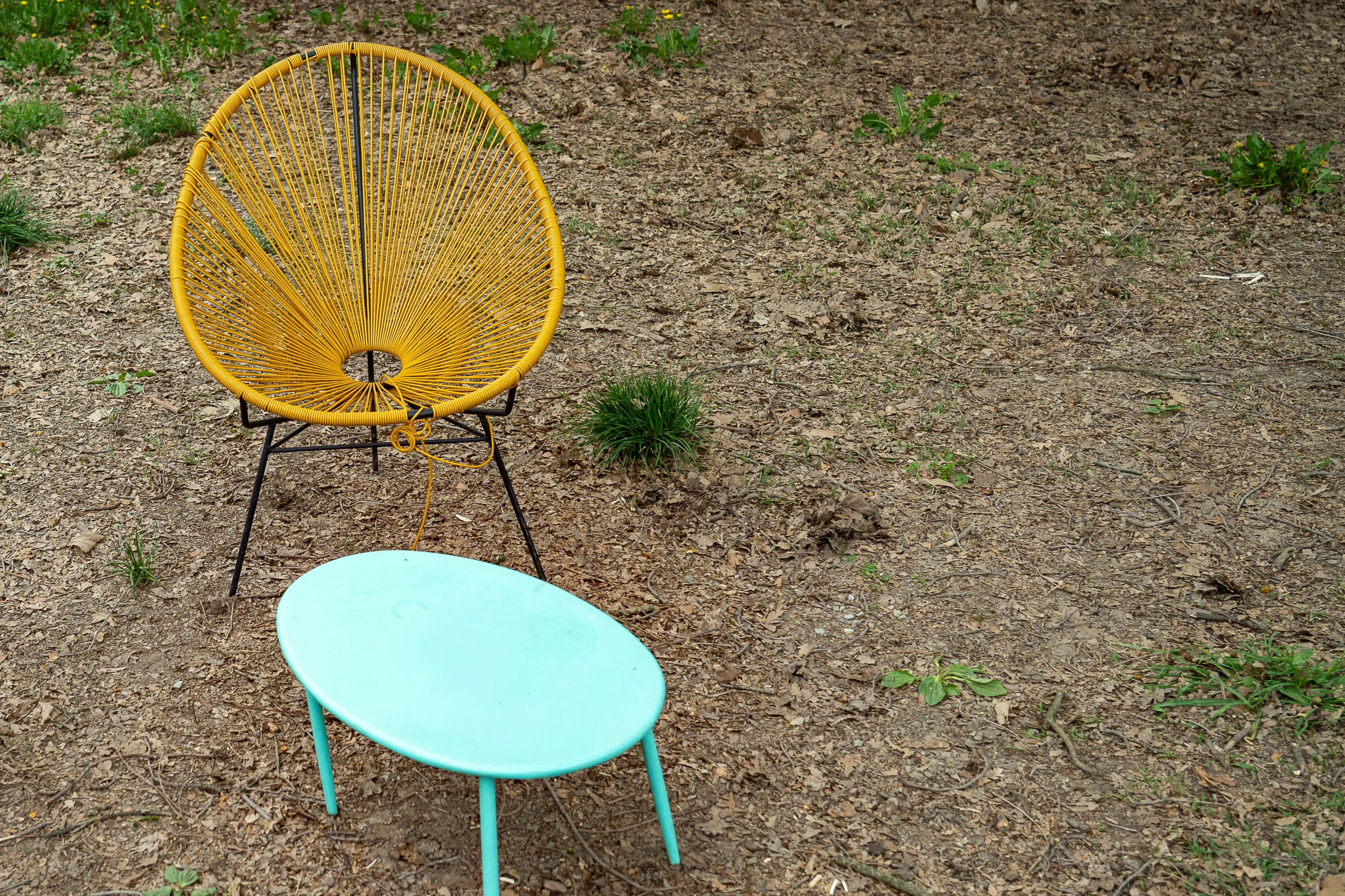
Outdoor living isn’t just about throwing a few plastic chairs on the patio anymore; it’s genuinely become a luxury design category in its own right. We’re talking about meticulously planned and executed spaces that seamlessly blend with nature while offering all the comforts and sophisticated aesthetics you’d expect from a high-end interior. Think of it less as a backyard and more as an extension of your home, albeit one without a roof. This shift reflects a growing desire for integrated living, where the lines between indoors and out blur, offering a heightened sense of connection to the environment without sacrificing convenience or style.
It wasn’t that long ago that “outdoor furniture” conjured images of flimsy, uncomfortable pieces pushed to the side of a garden. But a significant cultural shift has been brewing, driving this outdoor luxury revolution.
The Pandemic’s Push
The recent years starkly highlighted the value of our immediate surroundings. When travel and public spaces were restricted, people became deeply aware of their home’s potential, especially its outdoor areas. This wasn’t just about necessity; it was about reimagining these spaces as havens, places for solace, entertainment, and even work.
Wellness and Connection to Nature
There’s a growing understanding of the benefits of spending time outdoors – reduced stress, improved mood, and a general sense of well-being. Luxury homeowners are actively seeking ways to incorporate this into their daily lives, and a beautifully designed outdoor space facilitates this effortlessly. It’s about bringing the tranquility of a natural setting into your personal domain.
Technological Advancements
Improvements in materials and technology have played a huge role. We now have outdoor fabrics that are weatherproof yet soft to the touch, lighting systems that can be controlled with a smartphone, and kitchen appliances designed to withstand the elements. These innovations make truly luxurious outdoor living not only possible but also practical.
Defining Luxury in Outdoor Design
So, what exactly elevates an outdoor space from “nice patio” to “luxury outdoor living”? It’s a combination of meticulous planning, high-quality materials, customized features, and a holistic design approach.
Seamless Integration
The hallmark of luxury outdoor design is how well it integrates with the existing architecture and the surrounding landscape. It shouldn’t feel like an add-on but rather a natural extension of the home, both visually and functionally. This often involves matching materials, colors, and design themes from the interior to the exterior.
Bespoke Features
Generic doesn’t cut it in the luxury sphere. High-end outdoor spaces often feature custom-built elements tailored to the owner’s specific needs and aesthetic preferences. This could be anything from a unique water feature designed to complement a particular view to a built-in seating arrangement that perfectly fits a specific corner.
Premium Materials
Forget basic plastic or rust-prone metals. Luxury outdoor design utilizes durable, aesthetically pleasing, and often sustainably sourced materials.
Natural Stones
Think large format travertine pavers, intricate mosaic details, or sleek granite countertops for outdoor kitchens. These materials offer timeless elegance and exceptional durability.
High-End Woods
Teak, ipe, and cedar are popular choices for decking, furniture, and pergolas due to their natural resistance to weathering and their beautiful aging process.
Performance Fabrics
Outdoor cushions and upholstery are made from specialized fabrics that resist fading, mildew, and moisture, yet they feel soft and luxurious, mirroring indoor comfort.
Marine-Grade Metals
Fixtures, hardware, and structural elements often use marine-grade stainless steel or powder-coated aluminum for their corrosion resistance and sleek appearance.
Expert Craftsmanship
The execution is just as important as the design. Luxury outdoor spaces are built by skilled artisans and contractors who pay meticulous attention to detail, ensuring everything from the paving to the planting is completed to the highest standards.
Key Elements of a Luxury Outdoor Oasis
A truly luxurious outdoor space often incorporates several key zones, each designed for a specific purpose, much like different rooms within a home.
The Outdoor Kitchen and Dining Area
This is far beyond a simple grill. We’re talking fully equipped kitchens with high-end appliances designed for outdoor use.
Gourmet Grilling Stations
Built-in gas grills, smokers, pizza ovens, and even Argentine-style parrillas are common.
Refrigeration and Storage
Outdoor refrigerators, ice makers, and pantry space ensure everything you need for entertaining is within reach, without repeated trips inside.
Dedicated Dining Spaces
Large, comfortable dining tables and chairs, often under a pergola or covered patio, provide an elegant setting for al fresco meals.
Bar or Beverage Centers
Integrated bar areas with sinks, wine coolers, and dispensing taps elevate the entertaining experience.
Comfortable Social and Lounging Zones
Just like a living room, these areas are designed for relaxation and conversation.
Plush Seating
Deep-seated sofas, armchairs, and lounge chairs with high-quality, weather-resistant cushions create an inviting atmosphere.
Fire Features
Fire pits and outdoor fireplaces serve as central gathering points, providing warmth, ambiance, and a focal point.
Outdoor Rugs and Textiles
Beyond just cushions, outdoor rugs define spaces and add texture and warmth underfoot, mimicking interior décor.
Integrated Sound and Lighting
Professionally installed sound systems and thoughtful lighting schemes (path lighting, accent lighting, task lighting) set the mood and extend usability into the evening.
Water Features and Swimming Pools
These elements add visual appeal, soothing sounds, and opportunities for recreation.
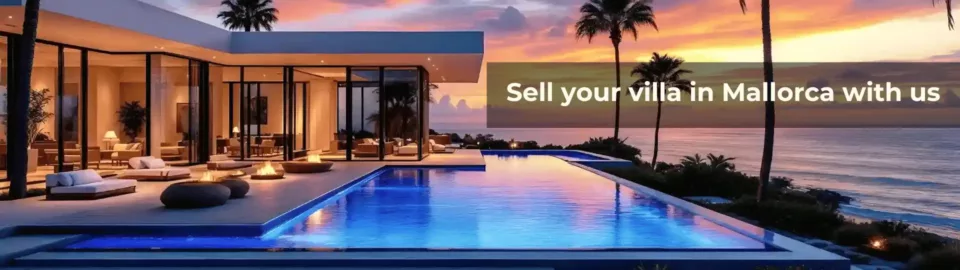
Infinity Edge Pools
These create a stunning visual effect, blending the pool’s edge with the horizon or a significant view.
Spas and Hot Tubs
Integrated or standalone, these offer hydrotherapy and relaxation.
Decorative Water Features
Fountains, waterfalls, and reflecting pools add a sense of movement, tranquility, and often serve as a focal point.


The Role of Technology in Outdoor Luxury
Technology isn’t just for inside the home anymore; it’s fundamentally transforming how we interact with our outdoor spaces. This isn’t about flashy gadgets, but rather seamless integration that enhances comfort, convenience, and safety.
Smart Home Integration
Many luxury outdoor setups are now controlled via central smart home systems.
Automated Lighting
Schedule lighting scenes, dim lights for ambiance, or turn them on/off remotely. This includes everything from path lights to decorative uplighting.
Climate Control
Smart ceiling fans, misting systems, and even outdoor heaters can be controlled with a tap, ensuring comfort regardless of the weather.
Entertainment Systems
Outdoor TVs, hidden projectors, and distributed audio systems can be managed from a central app, making outdoor movie nights or game days effortless.
Advanced Security and Monitoring
Luxury doesn’t just mean comfort; it also means peace of mind.
Integrated Surveillance
Discreetly placed cameras provide security monitoring of the outdoor areas, often integrated with the broader home security system.
Automated Gates and Access Control
Remote-controlled gates, smart locks on outdoor storage, and perimeter sensors add layers of security and convenience.
Sustainable Technologies
Luxury can also mean responsible. Technology helps here too.
Smart Irrigation Systems
These use hyper-local weather data to water plants efficiently, reducing water waste.
Solar Power Integration
Solar panels can power outdoor lighting or contribute to the home’s overall energy needs, aligning with eco-conscious luxury.
Designing with the Environment in Mind
Luxury outdoor design isn’t just about opulence; it’s increasingly about creating spaces that are in harmony with nature, using sustainable practices and thoughtful landscaping.
Native and Drought-Tolerant Landscaping
Choosing plants indigenous to the region ensures they thrive with minimal intervention, reducing water usage and supporting local ecosystems.
Low-Maintenance Planting
Beyond native species, selecting plants that require less pruning, fertilizing, and pest control contributes to a sustainable and less labor-intensive outdoor space.
Permeable Surfaces
Instead of vast expanses of impermeable concrete, luxury designs often incorporate permeable pavers or gravel paths.
Water Runoff Management
These surfaces help manage rainwater runoff, reducing strain on drainage systems and replenishing groundwater.
Sustainable Sourcing
The origin of materials is becoming a key consideration for luxury clients.
Recycled and Reclaimed Materials
Using reclaimed wood for pergolas or recycled glass for decorative elements adds character and reduces environmental impact.
Locally Sourced Materials
Minimizing transportation distances for materials reduces carbon footprint and supports local economies.
Biophilic Design Principles
This approach focuses on connecting occupants with nature, promoting well-being through direct and indirect elements.
Natural Light and Airflow
Optimizing the design to maximize natural light and facilitate fresh air circulation.
Incorporating Natural Elements
Using natural stone, wood, and water features, as well as views of greenery, to create a tranquil and restorative environment.
Outdoor living, in its luxury form, is a testament to our evolving relationship with our homes and the natural world. It’s about crafting experiences, not just spaces, where comfort, beauty, and function converge under the open sky. It’s a significant investment, but one that richly enhances lifestyle, health, and a profound connection to nature’s embrace.