The Psychology of Space in Luxury Homes
May 31, 2026

Ever wonder why some homes just feel right, especially those in the luxury bracket? It’s not just about the expensive finishes or the grand scale. A huge part of it comes down to the psychology of space – how the layout, light, and flow of a home subtly influence our thoughts, feelings, and behaviors. In luxury properties, this isn’t just an afterthought; it’s a meticulously crafted experience designed to evoke specific emotions and reinforce a desired lifestyle. It’s about creating an environment that doesn’t just house you, but supports and elevates your sense of well-being and status.
From the moment you approach a luxury home, the design starts working its magic. It’s not just about getting from A to B; it’s about a gradual unveiling, a carefully orchestrated sequence of spaces that build anticipation and establish a sense of arrival.
The Grand Approach
Think about it: a long, tree-lined driveway, a beautifully landscaped courtyard, or even a meticulously designed pathway. These aren’t just practical routes; they’re spatial narratives. They create a psychological buffer from the outside world, signaling a transition into a private realm. This deliberate journey implies exclusivity and importance, setting the stage for what’s to come.
The Threshold Effect
The entrance itself, whether it’s a monumental doorway or a subtle, recessed entry, acts as a psychological threshold. It’s the point where you consciously leave one environment and enter another. In luxury homes, this transition is often emphasized with striking architectural features, high ceilings, or immediate views that draw you further in. This “threshold effect” can heighten emotional responses, making the act of entering feel significant and exciting.
Vestibules and Foyers
Beyond the door, a well-defined vestibule or grand foyer isn’t just a place to kick off your shoes. It’s a decompression zone, a pause before the main event. These spaces often boast impressive scale, art installations, or curated views, allowing for a moment of contemplation and admiration. They serve as a mental palate cleanser, preparing you to fully engage with the subsequent living areas.
The Power of Scale and Proportion
Luxury homes often flaunt generous proportions, and for good reason. It’s not just about having more square footage; it’s about how that space feels and how it interacts with the human psyche.
High Ceilings and Openness
The immediate impact of high ceilings is profound. They evoke a sense of grandeur, freedom, and even intellectual expansiveness. Studies have shown that people in rooms with higher ceilings tend to think more broadly and creatively. In luxury settings, this contributes to a feeling of being unconstrained, elevated, and having ample room to breathe and simply be. It’s a subconscious message that there’s no limit to what can be achieved or experienced within these walls.
Horizontal vs. Vertical Expansion
While high ceilings provide vertical awe, the horizontal expanse of luxury homes is equally important. Large, open-plan living areas, sprawling master suites, and extensive outdoor spaces all contribute to a feeling of abundance and ease. This horizontal flow can reduce feelings of claustrophobia and increase a sense of control and freedom. However, careful zoning within these open spaces is crucial to prevent them from feeling cavernous or impersonal.
Human-Centric Proportions
Despite the grandeur, truly well-designed luxury spaces maintain human-centric proportions within specific zones. A vast living room might still have a cozy seating arrangement. A sprawling bedroom may feature an intimate reading nook. This interplay of grand scale and personal comfort is critical. The aim is to create environments that are impressive but not intimidating, opulent yet inviting. It’s about feeling significant within the space, not dwarfed by it.
The Flow and Functionality of Movement
How one moves through a luxury home is a critical, albeit often unconscious, aspect of its psychological impact. The layout isn’t just about practical routes; it’s about guiding experience and promoting certain states of mind.
Intentional Pathways
Imagine a direct utilitarian corridor versus a gently curving hallway revealing glimpses of art or a garden. Luxury homes often employ intentional pathways that are designed to be visually appealing and psychologically engaging. These paths might offer framed views, lead to unexpected discoveries, or even introduce a moment of natural light. This thoughtful choreography of movement helps to create a sense of exploration and delight.
Private vs. Public Zoning
A clear delineation between public entertaining spaces and private retreats is paramount in luxury design. This spatial separation allows for different psychological states. Public areas (living rooms, formal dining) are designed to impress and facilitate social interaction, often with grander scales and bolder design elements. Private areas (bedrooms, studies, spas) are crafted for introspection, relaxation, and personal well-being, often with softer textures, subdued lighting, and a higher degree of personalization. This zoning supports varied activities without one infringing on the other.
Seamless Transitions
The quality of transitions between spaces is a subtle but powerful psychological factor. Abrupt changes in flooring, ceiling height, or lighting can feel jarring. In luxury design, transitions are often seamless and deliberate. This might involve a consistent material palette flowing from one room to the next, carefully positioned doorways that frame views, or subtle changes in ceiling height that signal a new functional zone. Smooth transitions foster a sense of harmony and reduce cognitive load, allowing the occupant to move effortlessly and feel at peace within the environment.


The Role of Light and View
Light and views are not mere amenities; they are fundamental psychological elements that profoundly influence mood, cognition, and overall well-being. In luxury homes, their integration is an art form.
Natural Light as a Mood Enhancer
Abundant natural light is a cornerstone of luxury design. It regulates our circadian rhythms, boosts mood, and reduces feelings of confinement. Large windows, skylights, and glass walls are used not just to let light in, but to flood spaces with it, making them feel airy, expansive, and connected to the outdoors. The quality of this light, whether it’s soft northern light for a study or dramatic western light for an evening lounge, is carefully considered.
Strategic Framing of Views
A luxury home isn’t just about having a view; it’s about how that view is presented. Windows are often strategically placed and proportioned to frame specific vistas – be it a city skyline, an ocean panorama, or a private garden. These “framed views” act like living art, transforming the outdoors into an integral part of the interior design. They create a constant connection to the exterior environment, offering a sense of perspective and reducing psychological isolation.
The Psychology of Reflection
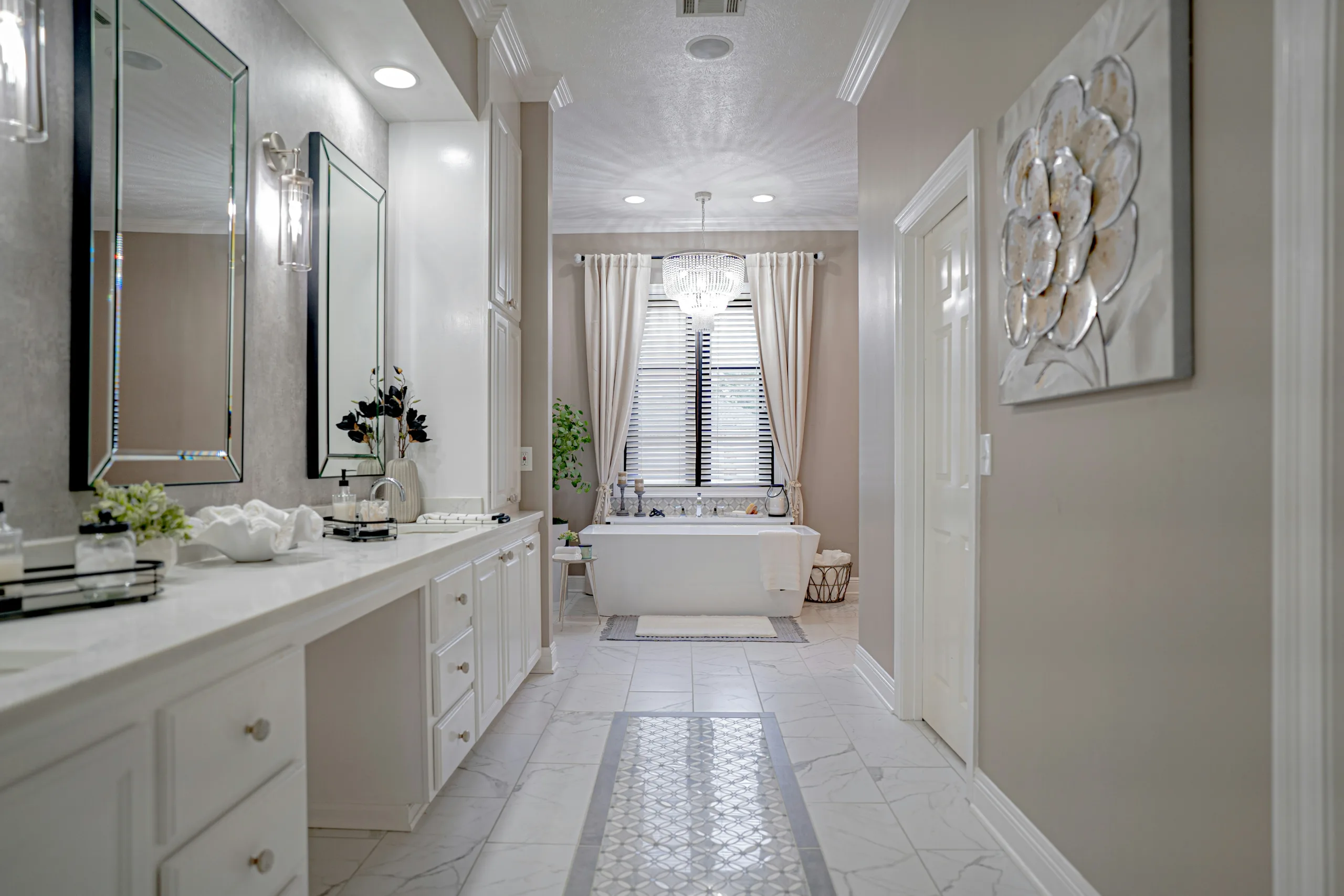
While direct light is essential, the thoughtful use of reflections also plays a role. Mirrored surfaces, polished floors, and even strategically placed water features can bounce light around a room, enhancing brightness and creating a sense of depth and movement. In luxury bathrooms or dressing rooms, large mirrors not only serve a utilitarian purpose but also psychologically expand the space and offer opportunities for self-reflection and personal affirmation.
Artificial Lighting for Atmosphere
Beyond natural light, sophisticated artificial lighting schemes are crucial for setting the mood and highlighting features. Layers of lighting – ambient, task, and accent – are used to create warmth, drama, and functionality. Dimmable fixtures allow for control over the psychological atmosphere, shifting from bright and invigorating to soft and intimate with the flick of a switch. This control empowers the occupant to tailor their environment to their desired emotional state.
The Sensory Experience and Emotional Resonance
Beyond the visual, a truly luxurious space engages all the senses, creating a rich emotional tapestry that deepens the connection to the home.
Tactile Textures and Materials
The choice of materials in a luxury home isn’t just about aesthetics; it’s about touch. Rich hardwoods, soft velvets, cool marble, and finely woven rugs invite physical interaction. These tactile experiences contribute to a sense of comfort, quality, and indulgence. The brain registers these textures, reinforcing the feeling of being in a high-end, carefully curated environment. It’s an unconscious reassurance of craftsmanship and permanence.
Acoustic Comfort
Noise pollution is a significant stressor. In luxury homes, acoustic design is often meticulously planned to create zones of quiet reflection and vibrant activity. Sound-absorbing materials, thoughtful insulation, and dedicated acoustic treatments ensure that unwanted external noise is minimized, and internal sounds are controlled. This acoustic comfort creates a serene environment conducive to relaxation, concentration, and undisturbed conversation, contributing significantly to mental well-being.
Scent and Air Quality
Though often overlooked, scent has a powerful psychological impact. Luxury homes often employ subtle ambient fragrances, high-quality HVAC systems with advanced filtration, and natural ventilation to ensure fresh, clean air. A clean, pleasant scent can evoke feelings of calm, cleanliness, and sophistication, while poor air quality can lead to feelings of stuffiness and even anxiety. It’s about creating an atmosphere that literally feels good to breathe.
Personal Narrative and Identity
Ultimately, the psychology of space in luxury homes culminates in the creation of environments that resonate deeply with the owner’s personal narrative and identity. These homes are designed to be more than just domiciles; they are reflections of success, taste, and a desired lifestyle. From bespoke built-ins to art collections and personalized sanctuaries, every element is chosen to speak to the individual, fostering a profound sense of belonging, pride, and self-expression. The space becomes an extension of the self, a silent affirmation of who they are and what they value. It’s this deep emotional connection that truly elevates a luxury house into a cherished home.