The Editorial Value of Before-and-After Interior Projects
May 31, 2026

Sometimes, a space just needs a refresh. And when you’re talking about interior design projects, showcasing the transformation from “before” to “after” isn’t just about pretty pictures. It’s a storytelling tool that has real editorial value, offering insights, inspiration, and practical takeaways for readers. So, what exactly makes these before-and-after stories so compelling for publications and their audiences?
At its core, the editorial value of before-and-after interior projects lies in their ability to demonstrate tangible change, provide relatable challenges, and offer actionable solutions. They tap into a universal desire for improvement and aspiration, making complex design concepts accessible and motivating. This is why they’re a staple in magazines, blogs, and social media feeds.
The most obvious appeal of before-and-afters is their visual impact. Seeing a dated or dysfunctional room evolve into something beautiful and functional is inherently satisfying. But this visual transformation goes beyond aesthetics; it’s about demonstrating the impact of thoughtful design.
Proof of Concept: Showing Design in Action
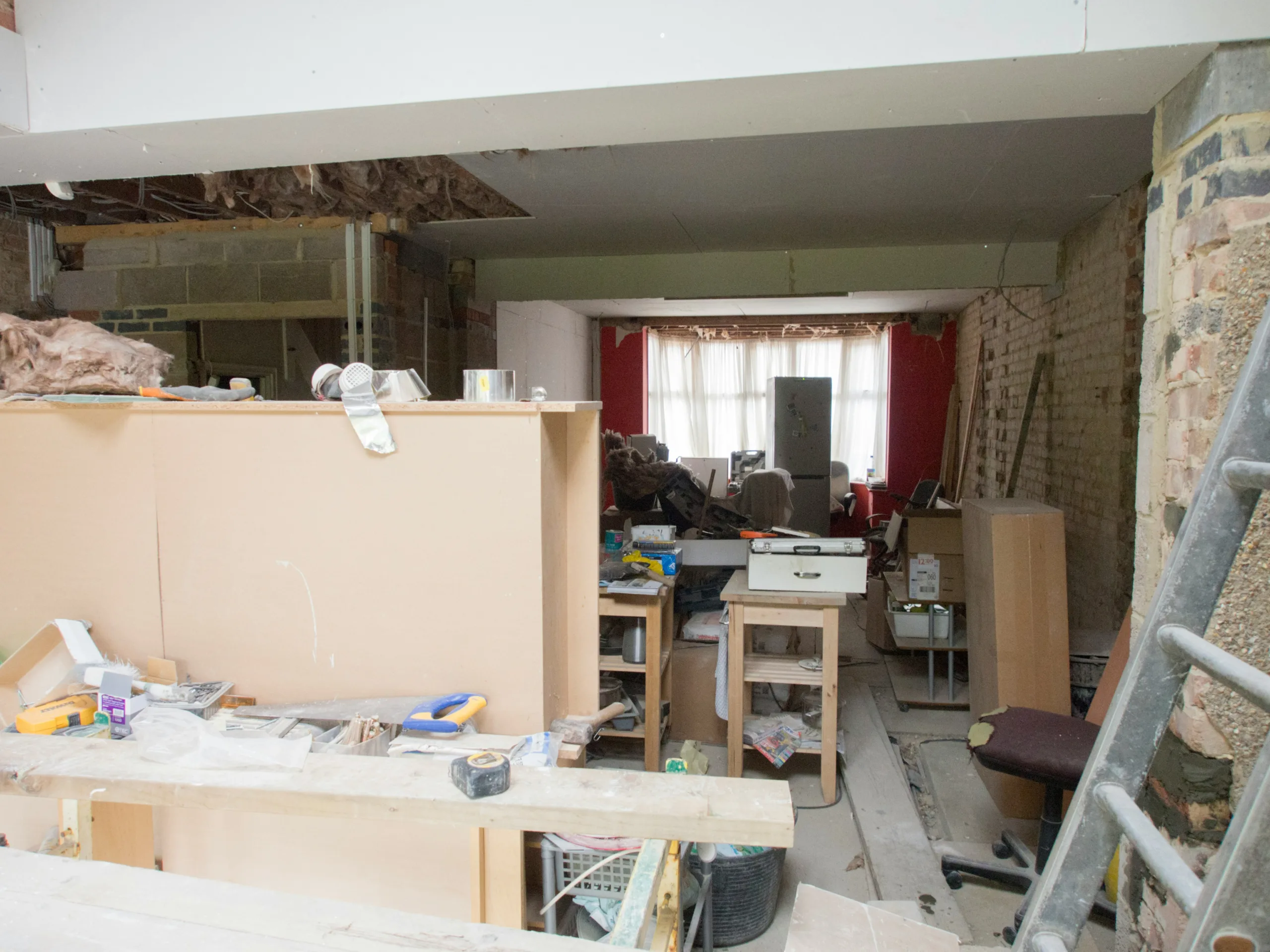
Before-and-afters are the ultimate proof of concept for design principles. They show readers (and potential clients) that a particular style, material, or layout change can genuinely improve a space. It’s one thing to read about how open-plan living can make a home feel larger, but it’s quite another to see a cramped, compartmentalized kitchen and dining area become a spacious, flowing hub.
- Demonstrating Specific Styles: Whether it’s a modern minimalist makeover or a cozy Scandinavian-inspired renovation, the visual contrast clearly defines and celebrates the chosen aesthetic. Readers can then assess if that style resonates with their own preferences.
- Highlighting Material Benefits: Think about a before-and-after showcasing new flooring. The “before” might show worn-out carpet, while the “after” reveals sleek, durable hardwood. This instantly communicates the practical and visual advantages of the new material.
- Illustrating Layout Improvements: A cluttered, inefficient layout becomes a well-organized, ergonomic space. This is particularly impactful for kitchens, bathrooms, or home offices where functionality is paramount.
Emotional Resonance: Sparking Aspiration and Connection
Beyond the practical, these transformations tap into our emotional connection with our living spaces. Everyone can relate to feeling a bit ‘meh’ about a room that’s lost its spark or never quite worked. The “after” offers a vision of what’s possible, inspiring hope and a desire for similar improvements.
- Relating to Common Problems: Readers often see their own challenges reflected in the “before” photos. A dark, cramped living room or a dated, impractical bathroom feels familiar. This shared experience creates an immediate connection.
- Inspiring Future Projects: Seeing a successful transformation can be the catalyst for someone to finally tackle their own long-overdue renovation. It demystifies the process and makes it seem achievable.
- Evoking a Sense of Well-being: A well-designed space that functions seamlessly contributes to a feeling of peace and happiness. The “after” photos often convey this improved sense of well-being, which is a powerful draw for an audience seeking a better lifestyle.
The Narrative Power: Telling a Story of Progress
Every good before-and-after project tells a story. It’s a journey from a problem to a solution, a narrative of effort, strategy, and ultimately, success. This inherent storytelling quality is crucial for editorial engagement.
Problem/Solution Framework: A Clear and Engaging Structure
The most effective before-and-after stories follow a clear problem/solution framework. This makes the content digestible and highly informative, guiding the reader through the design process.
- Identifying the “Before” Issues: What were the core problems addressed? Was it poor lighting, inefficient flow, outdated aesthetics, or a lack of storage? Clearly outlining these challenges sets the stage for the presented solutions.
- Detailing the “How”: This is where the practical value shines. What specific strategies were employed to overcome the initial problems? This could involve architectural changes, furniture selection, color palettes, or lighting design.
- Celebrating the “After” Outcomes: The conclusion of the story highlights the successful resolution of the initial problems. This isn’t just about showcasing the final look, but about demonstrating how the design choices directly addressed the “before” challenges.
Client and Designer Collaboration: A Human Element
Behind every successful project are the people involved. Highlighting the collaboration between clients and designers adds a human element that resonates with readers.
- Client Needs and Vision: Understanding the client’s lifestyle, preferences, and goals is fundamental. The narrative can explain how these client needs directly informed the design decisions.
- Designer’s Expertise and Creativity: The designer’s role in translating those needs into a tangible outcome is crucial. Showcasing their problem-solving skills and creative vision adds depth to the story.
- Overcoming Hurdles Together: Renovations rarely go perfectly. The story can touch upon any unexpected challenges encountered and how the client and designer worked together to find solutions, making the narrative more authentic and relatable.
Practical Value: Learning from Experience
Beyond the visual appeal and narrative, before-and-after projects offer immense practical value. They serve as educational tools, providing readers with actionable insights they can apply to their own homes.
Budgeting and Cost Considerations: Real-World Insights
Renovations often come with budget questions. Before-and-after features that include cost breakdowns or discuss budgeting strategies are incredibly valuable.
- Transparent Cost Information: When publications can provide an approximate budget for the renovation, it gives readers a realistic benchmark. This helps them understand the investment required for similar transformations.
- Splurge vs. Save Strategies: Many projects involve making smart choices about where to invest more and where to save. Highlighting these decisions (e.g., splurging on custom cabinetry but saving on lighting fixtures found on sale) offers practical advice.
- DIY vs. Professional Involvement: Discussions about which elements were DIY and which required professional contractors can inform readers about their own potential involvement and cost savings.
Material and Product Focus: Informing Consumer Choices
The “after” photos are a showcase for materials and products. Editorial content can leverage this to inform readers about specific choices and their benefits.
- Material Performance: Beyond aesthetics, how do materials perform in real-world use? Discussing the durability of a countertop, the ease of cleaning a fabric, or the warmth of a particular wood can guide consumer decisions.
- Brand and Retailer Information: When appropriate, identifying the brands or retailers of key pieces allows readers to source similar items. This makes the inspiration tangible and actionable.
- Sustainability and Longevity: Increasingly, consumers are interested in sustainable materials and long-lasting products. Before-and-afters can highlight these choices and explain their environmental and economic benefits.


Addressing Specific Room Transformations: Focused Value
Different rooms present unique challenges and offer distinct opportunities for before-and-after storytelling. Focusing on specific areas allows for deeper dives into relevant design principles and practicalities.
Kitchen Renovations: The Heart of the Home
Kitchens are often the most significant and impactful renovation. Their transformation stories are always popular.
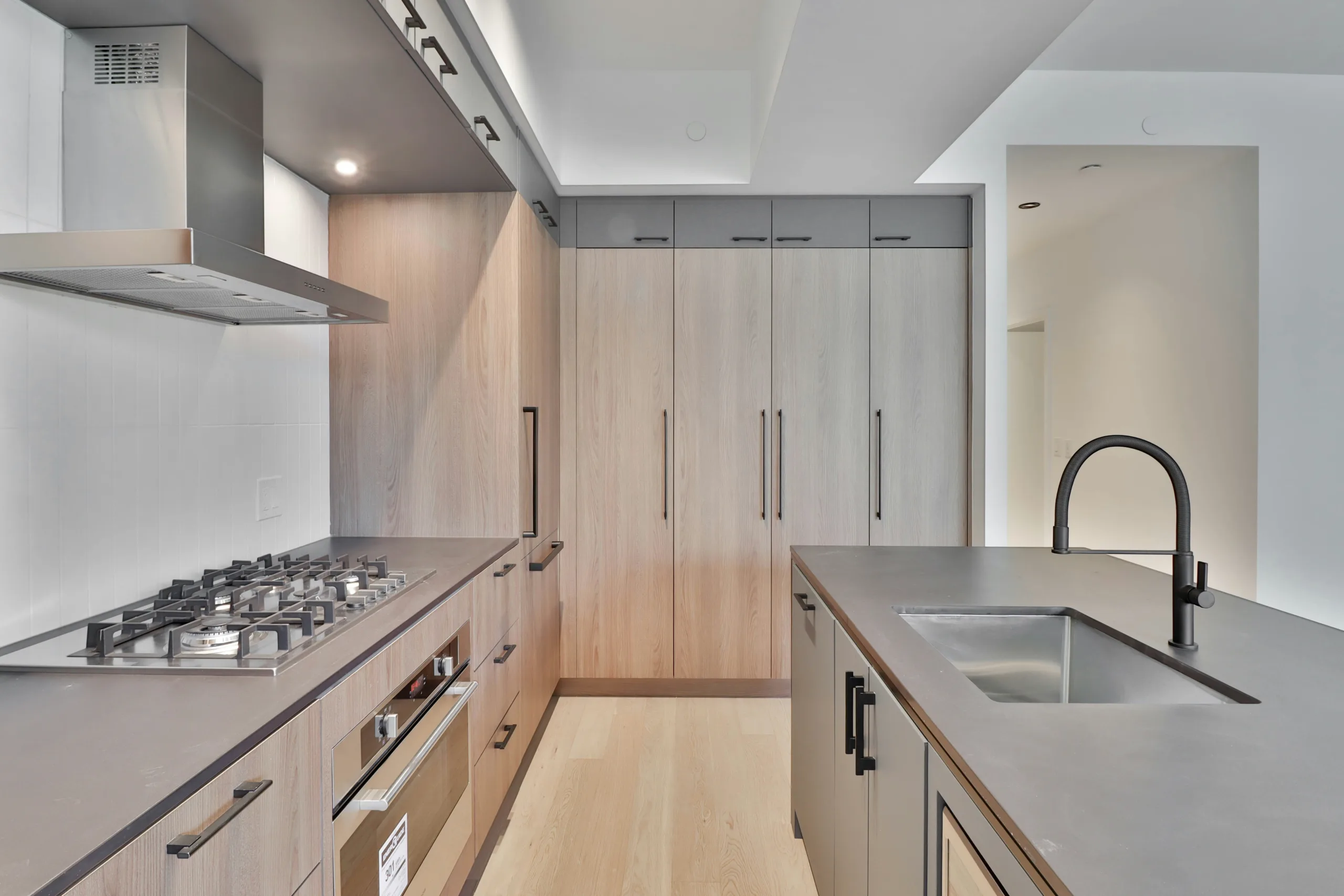
- Optimizing Workflow: The “before” often shows an inefficient layout. The “after” demonstrates how changing the counter space, appliance placement, or island can create a much more functional cooking and gathering zone.
- Storage Solutions: Kitchens are notorious for needing storage. Before-and-afters that highlight clever cabinetry, pantry systems, or integrated storage solutions offer direct inspiration.
- Material Durability and Aesthetics: From countertops to backsplashes, the materials chosen for a kitchen need to be both beautiful and robust. Showcasing successful material choices provides valuable guidance.
Bathroom Makeovers: From Utilitarian to Sanctuary
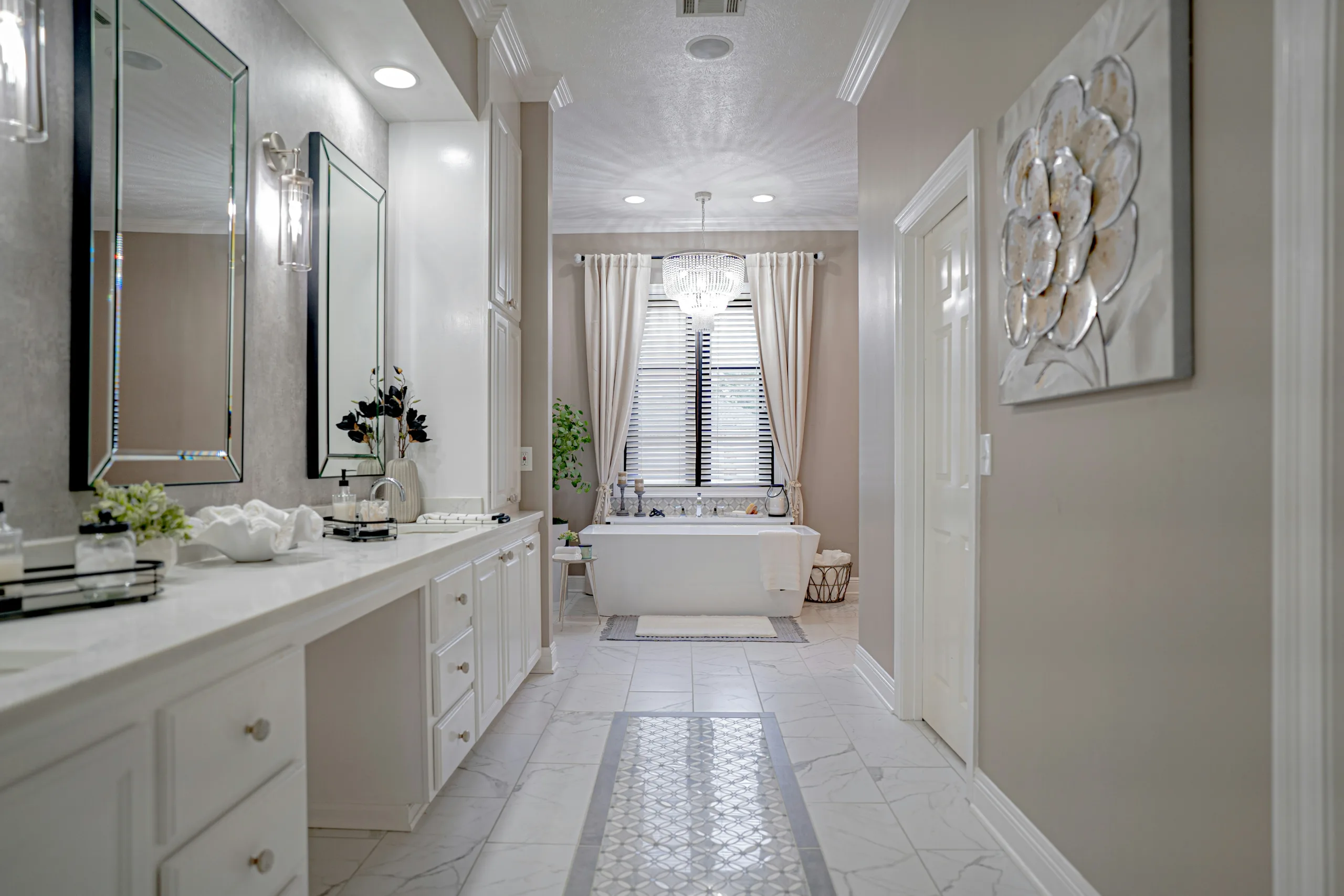
Bathrooms can go from cramped and dated to spa-like retreats.
- Maximizing Small Spaces: Many bathrooms are surprisingly small. Before-and-afters that illustrate how to make these spaces feel larger and more functional (e.g., through clever vanity choices, strategic tile placement, or effective lighting) are highly valuable.
- Creating a Relaxing Atmosphere: The shift from a purely utilitarian space to one that promotes relaxation and self-care is a compelling narrative. This often involves changes in color, lighting, and material texture.
- Waterproofing and Fixture Functionality: While not always overtly glamorous, the practical aspects of waterproofing and choosing reliable fixtures are crucial. Stories that touch on these elements demonstrate a thorough approach.
Living Spaces: Enhancing Comfort and Style
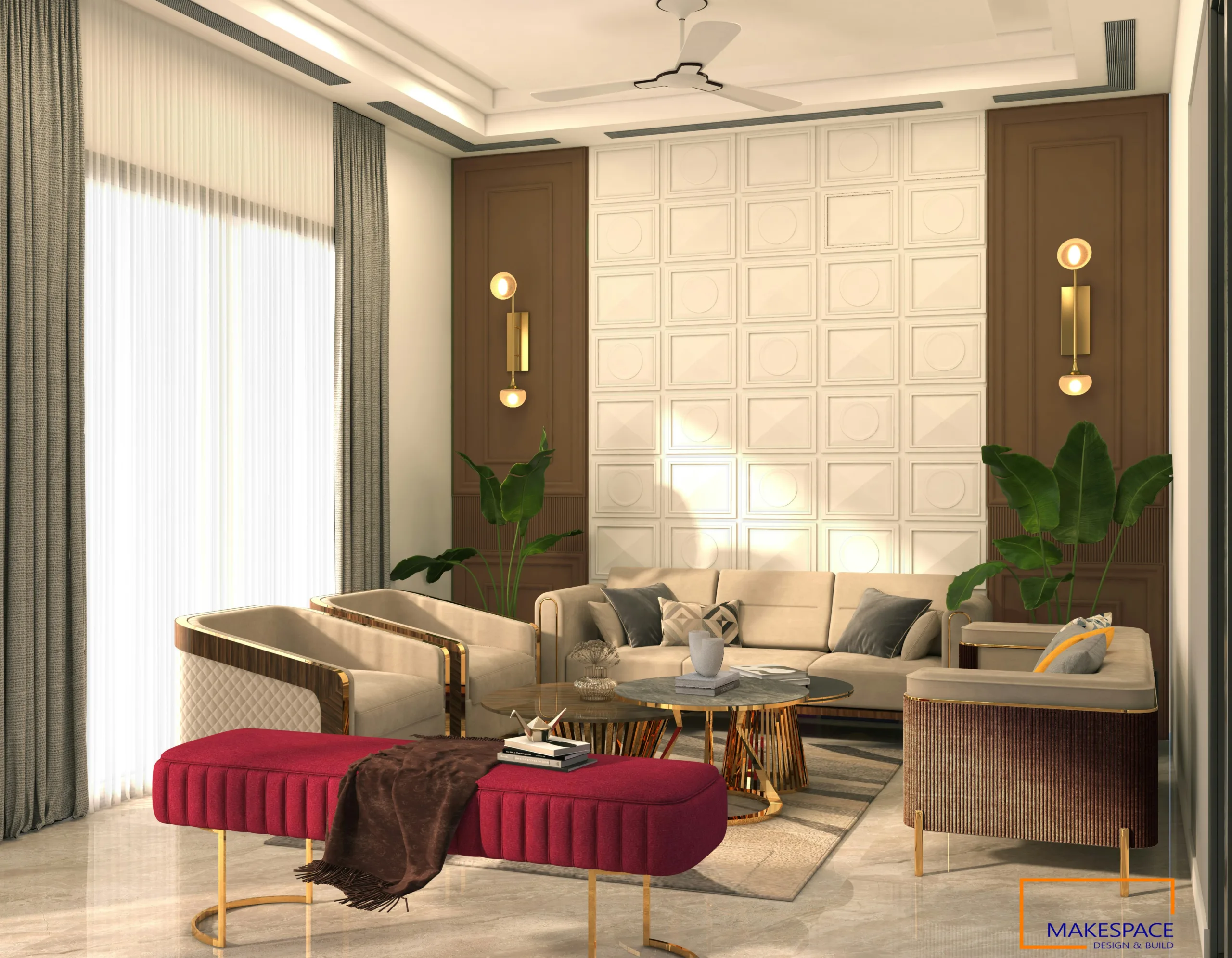
Living rooms and family rooms are where daily life happens. Their transformations are about improving both function and atmosphere.
- Creating Zones Within a Room: Open-plan living can sometimes lead to a lack of defined areas. Before-and-afters can show how furniture arrangement, rugs, or even subtle architectural changes can create distinct zones for relaxing, entertaining, or working.
- Lighting Strategies for Ambiance: The right lighting can completely change the mood of a living space. Showcasing how layered lighting (ambient, task, accent) was used can be incredibly instructive.
- Balancing Comfort and Aesthetics: The “before” might be comfortable but dull, or stylish but uncomfortable. The “after” often demonstrates a successful blend of both, offering a model for readers.
Bedroom Retreats: Prioritizing Rest and Rejuvenation
Bedrooms are personal sanctuaries, and their transformations often focus on creating a sense of calm and personality.
- Improving Sleep Environment: Beyond aesthetics, how does the design impact sleep? This could involve attention to blackout curtains, soundproofing, or the calming effect of color choices.
- Personal Expression Through Decor: Bedrooms are prime spaces for individual style. Before-and-afters that showcase unique decor choices, curated collections, or personalized touches can be very inspiring.
- Maximizing Storage and Minimizing Clutter: A clutter-free bedroom is more conducive to rest. Stories that highlight effective storage solutions (e.g., built-in wardrobes, clever bedside tables) are highly practical.
The Editorial Advantage: Why Editors Love Them
From an editorial perspective, before-and-after projects are a gift. They offer a clear, compelling, and easily digestible package that fulfills multiple reader needs.
Meeting Reader Expectations: A Core Attraction
Readers of interior design publications often expect to see transformation. It’s a fundamental part of the genre.
- The “Wow” Factor: The immediate visual impact is a primary draw. Editors know that a strong before-and-after spread will capture attention and keep readers engaged.
- Inspiration and Aspiration: These stories provide a tangible vision for readers to aspire to. They fuel the desire to improve one’s own living situation.
- Learning and Empowerment: By seeing how problems were solved, readers feel empowered to tackle their own home improvement challenges.
Storytelling Potential: Creating Engaging Content
The narrative structure of before-and-afters lends itself to compelling storytelling, making the content more than just a series of pretty pictures.
- Relatable Journeys: Readers connect with the journey of a space’s transformation. They understand the challenges and celebrate the successes.
- Highlighting Expertise: The project showcases the skill and creativity of designers, architects, and tradespeople, adding credibility and interest.
- Timely and Relevant: Home improvement is a constant interest. Before-and-after projects provide evergreen content that remains relevant to a wide audience.
Versatility Across Platforms: Adaptable Content
Before-and-after projects are incredibly versatile and can be adapted for a wide range of editorial platforms.
- Print Magazines: The classic format of a multi-page spread showcasing the visuals and accompanying text is a perfect fit.
- Online Articles and Blogs: These can easily be translated into web pages with embedded galleries, videos, and interactive elements.
- Social Media: Short, punchy before-and-after reels, carousels, and stories are extremely popular and shareable on platforms like Instagram and Pinterest.
- Video Content: The visual transformation is ideal for video, allowing for dynamic storytelling and closer looks at details.
In conclusion, the editorial value of before-and-after interior projects is multi-faceted. They offer clear visual proof of design principles, tap into emotional aspirations, tell compelling stories of progress, provide practical, actionable insights, and address specific reader needs related to various rooms. For editors and readers alike, these transformations are a powerful and enduring way to engage with the world of interior design.