Smart Homes and the Future of Premium Living
May 31, 2026

Smart homes are definitely shaping the future of premium living, and it’s less about blinking lights and more about a seamless, intuitive experience that enhances comfort, security, and efficiency. Think of it as your home anticipating your needs and responding with effortless grace, all while quietly saving you time and energy.
When we talk about “premium” in the context of smart homes, we’re not just adding a few gadgets. It’s about a thoughtful integration of technology that serves a higher purpose – elevating your lifestyle. This involves systems that are not only advanced but also incredibly user-friendly, reliable, and discreet. The goal is to make your life easier and better, not more complicated.
Beyond Basic Automation: True Intelligence
The leap from basic automation (lights turning on at sunset) to true smart living lies in the system’s ability to learn and adapt. This means your home understands your routines, preferences, and even your moods. It’s like having a very capable, invisible assistant who knows exactly what you need, when you need it.
Predictive Comfort
Imagine waking up to the perfect temperature, your blinds gently opening to let in natural light, and your favorite music playing softly. This isn’t science fiction; it’s predictive comfort. Your smart home learns your sleep schedule and adjusts the environment proactively for optimal comfort and rest.
Personalized Climate Control
This goes beyond a simple thermostat. Advanced systems can learn how different rooms are used throughout the day and adjust heating and cooling accordingly. If a room is empty, it conserves energy. If you’re using it, it ensures optimal comfort. This also extends to humidity control for health and preserving furnishings.
Dynamic Lighting Scenarios
Lighting is a powerful mood setter. Premium smart homes create dynamic lighting “scenes” for different activities – a bright, energizing setting for your morning routine, a warm, inviting ambiance for dinner, or a calming, low-light environment for unwinding. These scenes can be triggered by time of day, occupancy, or even voice commands.
Layered Security: Peace of Mind, Elevated
For premium living, security isn’t just about deterring trespassers; it’s about providing a comprehensive sense of safety and control, both inside and outside your home. This means highly advanced systems that are responsive and offer granular control.
Integrated Surveillance and Access Control
Think smart locks that offer multiple access methods – keypads, fingerprint scanners, even facial recognition – and can grant temporary access to guests or service providers. Add to this high-definition cameras with intelligent motion detection that differentiate between pets, people, and vehicles, sending alerts only when truly necessary.
Remote Monitoring and Alerts
You can check on your home from anywhere in the world. Receive instant notifications on your smartphone if a door is opened unexpectedly, a window is tampered with, or even if a smoke or CO detector is triggered. This connectivity provides unparalleled peace of mind.
Smart Doorbells and Intercom Systems
These aren’t just for seeing who’s at the door. They allow you to have conversations with visitors remotely, receive package deliveries securely, and can even integrate with your internal intercom system to alert you and allow communication throughout the house.
The Seamless Integration Experience
The hallmark of premium smart living is how effortlessly these technologies work together. It’s not a collection of isolated apps and devices, but a cohesive ecosystem where everything communicates and collaborates.
Unified Control Interfaces
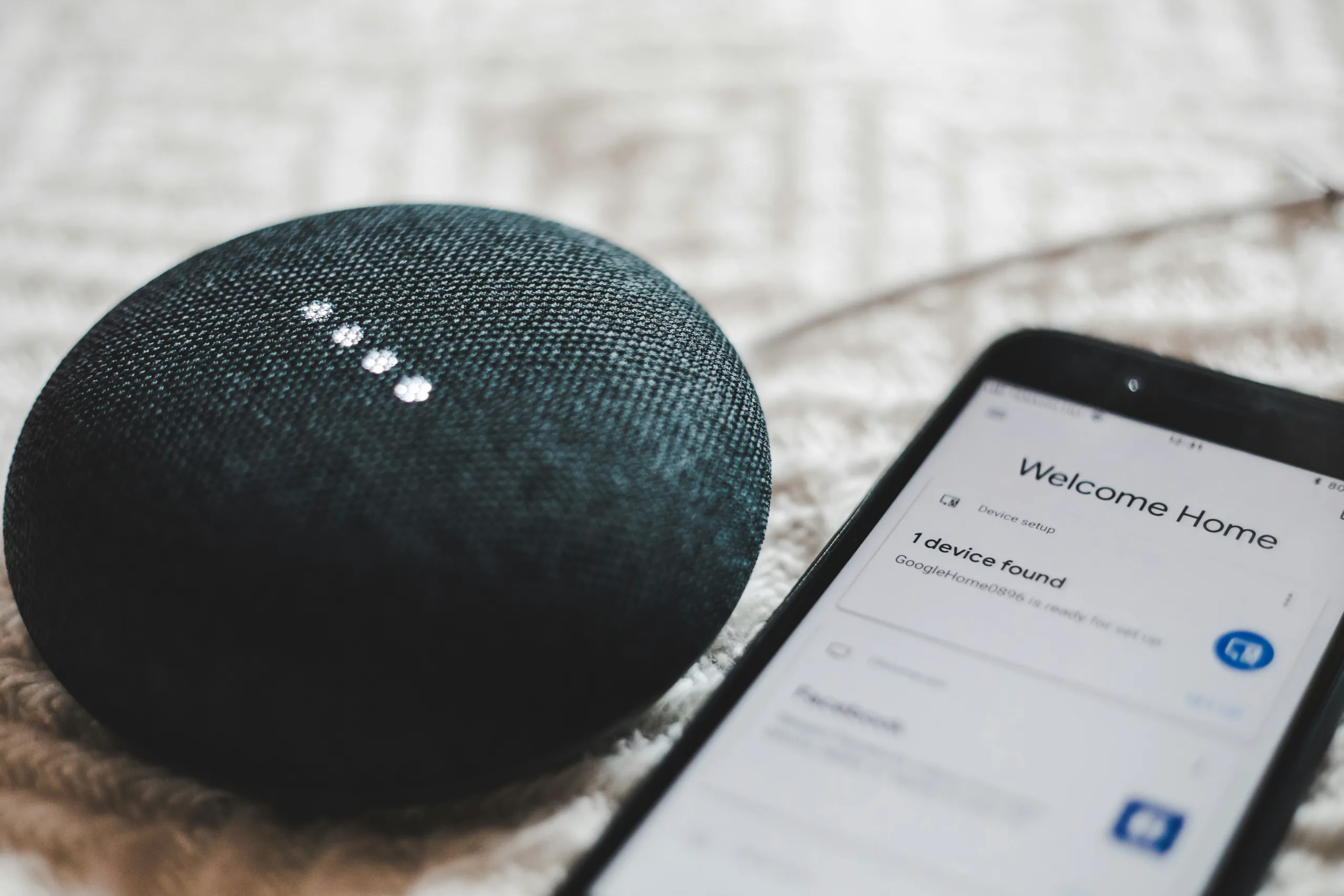
Forget juggling multiple apps. Premium smart homes offer a single, intuitive interface – whether it’s a dedicated touch panel, a sophisticated mobile app, or advanced voice control – that manages all your connected devices. This simplifies operation and ensures that everyone in the household can easily interact with the system.
Voice Control Sophistication
Voice assistants have become incredibly capable. In a premium smart home, they understand more complex commands and can initiate multi-step actions. “Good morning” could trigger everything from opening blinds to starting the coffee maker and announcing your schedule.
Context-Aware Commands
The system learns to understand context. If you say “turn off the lights” when you’re in the living room, it knows to turn off only the living room lights, not the entire house. This level of understanding makes interactions feel natural and efficient.
Multi-Lingual and Multi-User Support
Advanced systems can cater to different languages and recognize individual users, personalizing their experience based on their preferences and access levels.
Automation Workflows and Scenarios
This is where the “smart” truly shines. You can create customized scenarios that automate sequences of actions based on triggers.
“Away” Mode Automation
Leaving home becomes a breeze. A single command or a geofencing trigger can arm your security system, turn off unnecessary lights and appliances, adjust the thermostat to an energy-saving setting, and ensure all doors and windows are locked.
“Welcome Home” Routines
As you approach your home, it can sense your arrival (via geofencing or car detection) and automatically unlock the door, turn on entry lights, adjust the thermostat to your preferred temperature, and even start playing your favorite music or news briefing.
Energy Management Workflows
Smart homes can intelligently manage energy consumption. They can learn your usage patterns, take advantage of off-peak electricity rates, and automatically dim or turn off lights and appliances when not in use, leading to significant savings.
Enhancing Health and Well-being
Beyond convenience and security, smart home technology is increasingly being used to actively improve the health and well-being of its occupants.
Air Quality Monitoring and Regulation
The air you breathe indoors can significantly impact your health. Premium smart homes often integrate sophisticated air quality sensors that monitor levels of pollutants, allergens, and CO2.
Automated Ventilation and Filtration
When air quality dips, the system can automatically activate ventilation systems, air purifiers, or even outdoor air intake to ensure you’re always breathing clean, fresh air. This is particularly beneficial for allergy sufferers.
Humidity Control for Health
Maintaining optimal humidity levels (typically between 40-60%) can help prevent dry skin, respiratory issues, and the growth of mold and dust mites. Smart systems integrate with humidifiers and dehumidifiers to maintain these levels consistently.
Sleep Optimization and Wellness
The quality of your sleep is crucial for overall health. Smart home technology can play a significant role in creating an environment conducive to restful sleep.
Circadian Rhythm Lighting
This advanced lighting technology adjusts the color temperature and intensity of lights throughout the day to mimic natural sunlight. This helps regulate your body’s natural sleep-wake cycle (circadian rhythm), promoting better sleep and improved mood.
Sleep Tracking Integration
Some systems can integrate with wearable sleep trackers, analyzing your sleep patterns and adjusting the bedroom environment accordingly. For example, if it detects restlessness, it might subtly increase ventilation or adjust the temperature to improve comfort.


The Future of Entertainment and Connectivity
Premium smart homes are also redefining how we experience entertainment and stay connected.
Immersive Audiovisual Experiences
Imagine seamless integration of your entertainment systems. High-fidelity audio and visual experiences can be effortlessly controlled, creating a truly immersive environment.
Multi-Room Audio and Video Distribution
Enjoy your music or movies in any room of the house, and switch between rooms seamlessly. The system can manage different audio and video streams for different family members simultaneously.
Dynamic Home Theater Settings
With a single command, your living room or dedicated home theater can transform. Lights dim, curtains close, the projector or screen turns on, and the surround sound system activates, all set for a cinematic experience.
Enhanced Connectivity and Collaboration
The smart home is becoming a hub for seamless digital interaction, both within the household and with the outside world.
Seamless Device Interoperability
As technology advances, the ability for different devices and platforms to communicate and work together becomes paramount. Standardized protocols and robust integration platforms ensure your devices of different brands play nicely.
Integrated Communication Hubs
The smart home can act as a central communication hub, managing video calls, internal intercom systems, and even parcel delivery notifications, all through a unified interface.
Sustainability and Efficiency at the Forefront
While luxury and convenience are key, a truly premium smart home also prioritizes environmental responsibility and long-term cost savings.
Intelligent Energy Management Systems
The core of smart home efficiency lies in intelligent energy management. This goes beyond simple timers.
Real-Time Energy Monitoring
Gain insights into your household’s energy consumption in real-time. Identify energy-hungry appliances and understand how your daily habits impact your energy usage.
Load Balancing and Demand Response
Smart systems can intelligently manage energy loads, shifting usage to off-peak hours or responding to utility company demand-response signals to reduce strain on the grid and potentially save you money.
Optimizing HVAC Performance
Your heating, ventilation, and air conditioning (HVAC) system is a major energy consumer. Smart home technology can optimize its performance significantly.
Predictive Maintenance for HVAC
By monitoring system performance and collecting data, smart systems can predict potential issues before they arise, allowing for proactive maintenance and preventing costly breakdowns. This also ensures your HVAC system runs at peak efficiency.
Integration with Renewable Energy Sources
As homes increasingly incorporate solar panels or battery storage, smart home systems can intelligently manage the storage and use of renewable energy, maximizing self-consumption and minimizing reliance on the grid.
Water Conservation Technologies
Water is a precious resource, and smart homes are employing technology to reduce consumption without sacrificing convenience.
Smart Irrigation Systems
These systems use weather data, soil moisture sensors, and plant-specific needs to water your lawn and garden only when necessary, preventing overwatering and conserving significant amounts of water.
Leak Detection and Prevention
Integrated sensors can detect water leaks in pipes and appliances, sending immediate alerts to your smartphone and automatically shutting off water supply to prevent extensive damage and water waste.
The future of premium living isn’t just about opulence; it’s about intelligent, integrated environments that enhance our lives in tangible ways. From effortless comfort and robust security to improved well-being and sustainable living, smart homes are no longer a novelty but a fundamental component of modern luxury. The key is the seamless orchestration of technology, creating a living experience that is both sophisticated and intuitively human.