How to Write About Diamonds Without Sounding Generic
May 31, 2026

You’re trying to talk about diamonds, and the last thing you want is for it to sound like a jewelry store commercial. We all want to make our words shine, not just the stones. So, how do you write about diamonds in a way that feels genuine, interesting, and actually informative, without resorting to the same old worn-out phrases? It’s all about shifting your focus from the cliché to the concrete, from the abstract to the actual. Forget “forever” and “sparkle” for a moment. Let’s dive into how to make your diamond prose more distinct.
When we talk about diamonds, we often jump straight to their visual appeal – the sparkle, the fire, the brilliance. While these are undeniably part of the diamond’s allure, focusing solely on them leads to generic descriptions. To write about diamonds without sounding like a brochure, you need to dig a little deeper and understand what makes a diamond, well, a diamond, beyond the superficial shine.
The Science of Sparkle: Refraction and Reflection
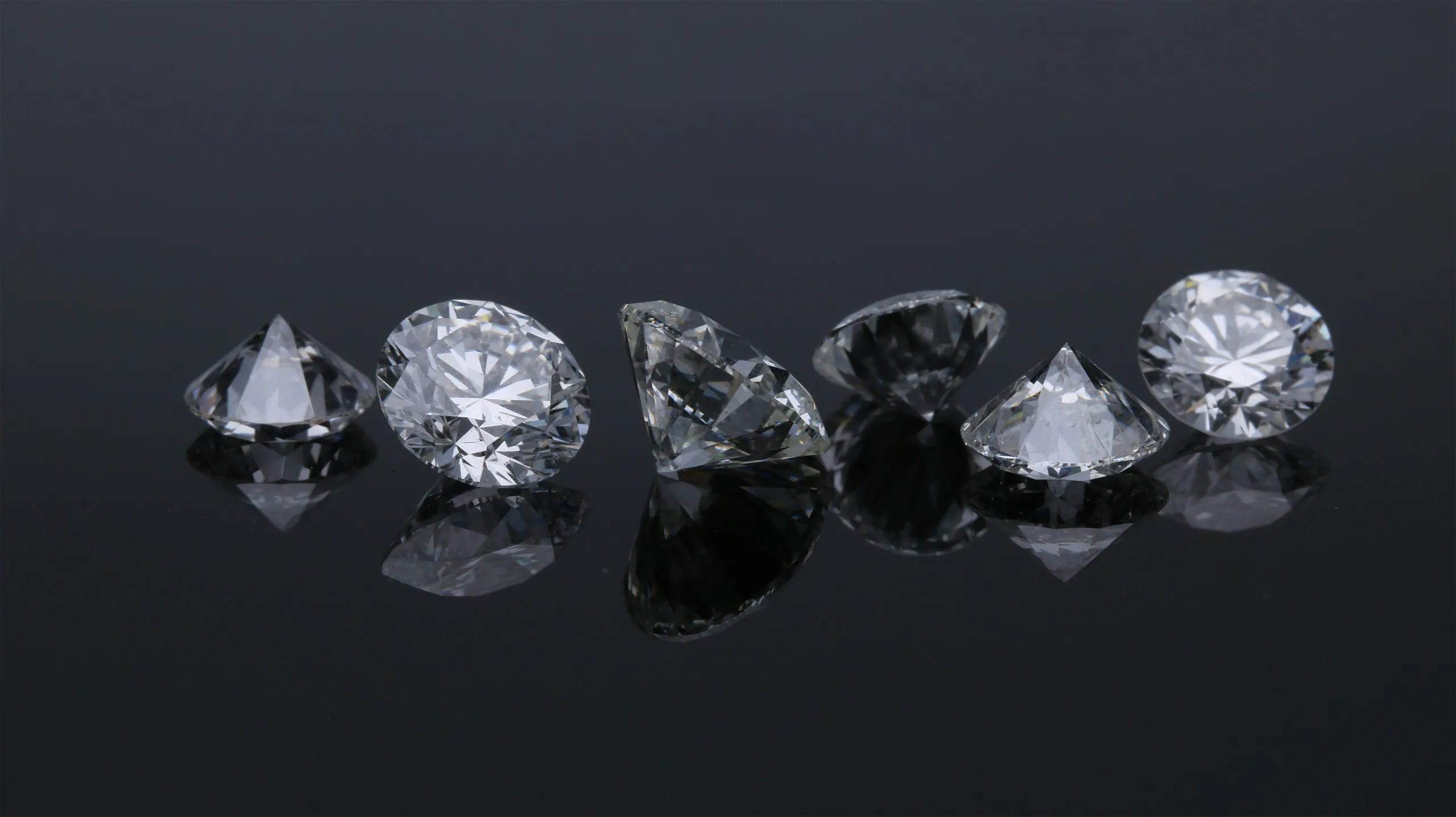
The reason diamonds sparkle isn’t magic; it’s physics. Understanding this can give you a more precise and engaging way to describe it. A diamond’s high refractive index means it bends light more than most other gemstones. This bending is crucial. When light enters a diamond, it gets bounced around internally before exiting. This internal reflection is what creates the dazzling display.
Facets and Their Role
The way a diamond is cut, with its precise angles and number of facets, directly impacts how light interacts with it. A well-cut diamond maximizes this internal reflection, directing light back to the viewer’s eye. This isn’t just about “more sparkle”; it’s about controlled light performance.
What “Brilliance,” “Fire,” and “Scintillation” Actually Mean
These are terms you hear all the time, but what do they represent scientifically?
- Brilliance: This refers to the white light that a diamond reflects. It’s the overall brightness.
- Fire: This is the dispersion of white light into spectral colors – the rainbow flashes you see.
- Scintillation: This is the play of light and shadow as the diamond moves, creating the twinkling or sparkling effect.
Instead of just saying “it sparkles beautifully,” you could describe how “the carefully angled facets capture and refract light, scattering it into a dazzling display of white brilliance and flashes of spectral fire with every subtle shift.” It’s more descriptive and rooted in the actual optical properties.
The Diamond’s Journey: From Earth to Finger
Diamonds don’t just appear polished and perfect. They have a history. Understanding their origin and the processes they undergo can add a rich layer to your writing. This journey is where the real story lies, far more than any manufactured sentiment.
Extraction: Where Diamonds Begin
Diamonds are formed deep within the Earth under immense heat and pressure. They are brought to the surface through volcanic activity in rare geological formations called kimberlite pipes. This raw, natural origin is a potent contrast to their final, refined state.
Mining Methods: A Glimpse into Responsibility
From open-pit mines to underground operations, the extraction of diamonds is a complex industrial process. Briefly touching on the methods can illustrate the scale and effort involved, moving away from the idea of diamonds being simply “found.”
The Cut: Transforming Raw Material
The rough diamond is far from the gemstone you recognize. A skilled cutter envisions the final, faceted stone within the rough crystal. This process of transforming a rough, irregular shape into a precisely angled gem is an art form in itself. It requires incredible precision, expertise, and a deep understanding of the crystal’s internal structure.
Moving Past “Forever”: Crafting Meaningful Narratives
The word “forever” is perhaps the most overused descriptor when it comes to diamonds. While the sentiment of permanence is understandable, relying solely on this trope makes your writing indistinguishable from countless others. The real meaning of a diamond often comes from the personal stories and unique contexts it represents.
The Diamond as a Symbol of Enduring Commitment (Beyond Marriage)
While engagement rings are a primary association, diamonds can symbolize commitment in many forms. Think about:
- Generational Heirlooms: A diamond passed down through a family carries the weight of past lives, memories, and shared experiences. It’s not just a rock; it’s a tangible link to history.
- Personal Milestones: A diamond might mark a significant personal achievement, a career milestone, or a triumph over adversity. It’s a reward for hard work and resilience.
- Friendship and Bonds: For some, a diamond can represent a deep, unbreakable friendship, a testament to loyalty and steadfastness that endures through time and distance.
When discussing these, focus on the why. What does this specific diamond mean to the person or people involved? What specific memories or qualities does it embody?
Storytelling Through Size and Shape
Instead of just stating a carat weight, consider what that signifies within a personal narrative. A smaller, exquisitely cut diamond might hold more sentimental value than a larger, less remarkable one. Similarly, the shape can evoke personality.
The Round Brilliant: The Classic Choice
While ubiquitous, its popularity stems from its optimization of brilliance. Describe its appeal in terms of its ability to capture and throw light, making it a perennial favorite for good reason, rather than just saying “it’s the most popular.”
Fancy Shapes: Expressing Individuality
Shapes like the princess, emerald, oval, or pear cut offer distinct aesthetics.
- Princess Cut: Often chosen for its modern, geometric lines and ability to look larger than its carat weight.
- Emerald Cut: Known for its elegance and sophisticated, stepped facets that highlight clarity rather than extreme sparkle. Its rectangular shape can be seen as architectural and timeless.
- Oval Cut: Offers the brilliance of a round cut but with a flattering elongation, often appearing larger.
- Pear Shape: A distinctive teardrop, combining the brilliance of a round with the elegance of marquise, offering a unique flair.
When you describe these shapes, connect them to characteristics. “The clean, architectural lines of the emerald cut lent a sophisticated, understated elegance to her hand,” or “The playful sparkle of the pear shape echoed her effervescent personality.”
The Unseen: Inclusions and Imperfections
While perfection is often strived for in diamond marketing, inclusions are a natural part of a diamond’s identity. Instead of dismissing them, consider how they can be incorporated into a narrative.
Unique Fingerprints of Nature
Inclusions are like a diamond’s birthmarks, unique to each stone. They are internal characteristics that form during the diamond’s creation. These can be tiny crystals, feathers, or clouds.
How Inclusions Affect Value and Appearance
While significant inclusions can detract from brilliance and value, minor ones are often invisible to the naked eye and do not diminish the stone’s beauty. Sometimes, their presence can be a point of distinction, a reminder of the diamond’s natural, imperfect origin. Instead of saying “flawless,” consider describing a diamond’s clarity in terms of what is visible to the untrained eye. “Once set, the tiny, wispy inclusion near the girdle was entirely invisible, allowing the stone’s pure brilliance to take center stage.”
Detailing the Diamond’s Story: Beyond the “Four Cs”
The “Four Cs” – Cut, Color, Clarity, and Carat Weight – are fundamental, but they can easily lead to dry, technical descriptions. The trick is to translate these technical aspects into engaging observations.
Cut: More Than Just “Good” or “Excellent”
The cut is arguably the most important “C” for visual appeal. It’s not just about the grading report; it’s about how the angles and proportions make the diamond perform.
Understanding Proportions
The depth and width of a diamond, and how its facets are angled, determine how light is reflected and refracted. Instead of just stating a “VG” (Very Good) cut grade, describe the effect. “The precisely engineered proportions of the cut allowed light to flow through the stone, creating an almost liquid brilliance that responded to even the slightest movement.”
The Importance of Polish and Symmetry
These lesser-known aspects of the cut grade also influence how light travels. High polish gives facets a smooth surface to reflect light cleanly, while symmetry ensures facets align correctly for optimal light performance.
Color: Subtle Nuances in a Spectrum
Diamonds are graded from D (colorless) to Z (light yellow or brown). While D-F are considered the “colorless” range, there’s beauty in the subtle variations.
The Beauty of Near-Colorless
Diamonds in the G-J range are often indistinguishable from truly colorless diamonds to the naked eye, especially when set in yellow gold. They can offer a fantastic balance of appearance and value. Instead of just saying “near-colorless,” describe the effect of the color, or lack thereof. “The stone possessed a subtle warmth, a whisper of color that played beautifully against the rose gold setting,” or “Its near-total absence of color made it appear as pure, distilled light.”
Fancy Colored Diamonds: A World of Their Own
These are diamonds that exhibit a distinct body color beyond the Z grade. Reds, blues, pinks, yellows, and greens are incredibly rare and command high prices.
Describing Color Saturation and Tone
For fancy colors, the intensity and purity of the color are key. Is it a pale lemon, a vivid canary yellow, or a deep, royal blue? The description needs to capture this intensity. “The sapphire-blue hue was so profound it seemed to absorb the room’s light, radiating a deep, captivating energy.”
Clarity: From Pristine to Characterful
Clarity refers to the presence of internal inclusions and external blemishes. While VVS (Very, Very Slightly Included) and IF (Internally Flawless) are the top tiers, diamonds with minor inclusions can still be breathtaking.
Invisible to the Naked Eye
Many diamonds graded with minor inclusions (like VS or even some SI grades) are perfectly suitable for jewelry because the inclusions aren’t visible without magnification. Focus on what is visible. “Even under magnification, the stone’s clarity was remarkable, with only the faintest internal feather visible at the very edge of one facet, a mere whisper of its natural formation.”
The Story Within: Inclusions as Personal Markers
As mentioned before, instead of shying away from inclusions, embrace them as unique characteristics. “The tiny crystal trapped within the diamond’s heart wasn’t a flaw, but a testament to the immense geological forces that birthed it, a private history held within its depths.”
Carat Weight: More Than Just a Number
Carat weight is a measure of mass, not size. Two diamonds with the same carat weight can look very different depending on their cut and shape.
The Visual Illusion
A well-cut diamond can appear larger than a poorly cut one of the same carat weight. Shape also plays a role; an oval diamond often looks larger than a round diamond of the same carat weight.
Breaking Down the “Carat Mindset”
Instead of solely focusing on a large carat number, discuss its presence. Is it substantial? Is it a delicate accent? How does it fit into the overall piece and its wearer’s style? “The two-carat stone sat with confident presence, each facet precisely calibrated to maximize its visual impact without overwhelming the delicate design.”


Using Sensory Language to Evoke Emotion
Diamonds are often associated with strong emotions. To evoke these feelings in your writing, move beyond logical explanations and tap into sensory details.
Visual Metaphors: Beyond “Sparkle”
Think about what the light from a diamond reminds you of.
- Water: “It shimmered like trapped moonlight on a still lake.”
- Stars: “Its brilliance echoed the distant glimmer of the constellations.”
- Fire: “Flashes of crimson and gold danced within its depths, like captured embers.”
Be specific. Is it the gentle glint of a campfire or the fierce flash of lightning?
Tactile Descriptions: The Feel of the Stone (and its Absence)
While you can’t literally touch a diamond through writing, you can allude to its physical properties.
- Coolness: “The smooth surface felt cool and substantial against the skin.”
- Hardness (metaphorically): “A steadfast presence, as solid and enduring as the diamond itself.”
Think about the weight and presence it lends to a piece of jewelry.
Auditory Allusions: The Sound of Brilliance (Imagined)
This is more abstract, but can be effective.
- Silence: “It possessed a silent brilliance, speaking volumes without a sound.”
- Chimes: “Each facet seemed to catch the light and sing a tiny, silent song of pure color.”
These are less about literal sound and more about the feeling of pristine clarity or vibrant energy.
Researching and Referencing Specifics for Authenticity
Generic writing often stems from a lack of specific knowledge. To write authentically about diamonds, a little research goes a long way, lending credibility and depth to your words.
Understanding Different Diamond Treatments
Be aware that some diamonds undergo treatments to improve their appearance. Knowing about these (like fracture filling or HPHT – High Pressure High Temperature treatment) allows you to either acknowledge them or subtly highlight a natural diamond’s inherent beauty.
Treatments vs. Enhancements
It’s important to distinguish. Treatments aim to improve clarity or color, while enhancements might involve laser drilling to remove inclusions. Being informed allows you to speak with authority.
The History and Mythology of Diamonds
Diamonds have fascinated humans for centuries. Exploring their historical significance in different cultures can provide rich material.
- Ancient Beliefs: In ancient India, diamonds were believed to protect against evil and ward off poison.
- Royal Associations: Diamonds have been symbols of power and prestige for European royalty for centuries.
Instead of saying “diamonds are precious,” talk about why they were considered precious in a specific historical context.
Expert Opinions and Industry Insights
If you’re writing professionally or in-depth, referencing gemological institutes like the GIA (Gemological Institute of America) or expert opinions can add gravitas. However, for a conversational tone, you might phrase it as: “Gemologists often point out that…” or “According to the standards set by leading gemological labs…”
Personal Anecdotes and Observational Details
If you have personal experience with diamonds – perhaps admiring a family heirloom or witnessing a unique stone – drawing on those direct experiences can lend an unparalleled authenticity. Even if it’s an observation: “I once saw a diamond that seemed to hold the entire spectrum of the sunset within it.”
By focusing on the scientific underpinnings, the personal narratives, the tangible qualities, and the rich history of diamonds, you can move beyond generic descriptions and craft prose that is as captivating and unique as the gemstones themselves. It’s about seeing the diamond not just as a sparkly object, but as a story waiting to be told.