Heritage, Craftsmanship and the Language of Fine Jewelry
May 31, 2026

Fine jewelry isn’t just about shiny things; it’s a vibrant conversation connecting us to the past, celebrating skilled hands, and speaking a language that’s been around for centuries.
When we talk about heritage in fine jewelry, we’re not just talking about old pieces. We’re talking about the lineage, the stories, and the techniques that have been passed down through generations, shaping what we consider beautiful and valuable today. It’s like an heirloom – it has more than just monetary worth; it carries history.
Generations of Skill: The Artisan’s Legacy
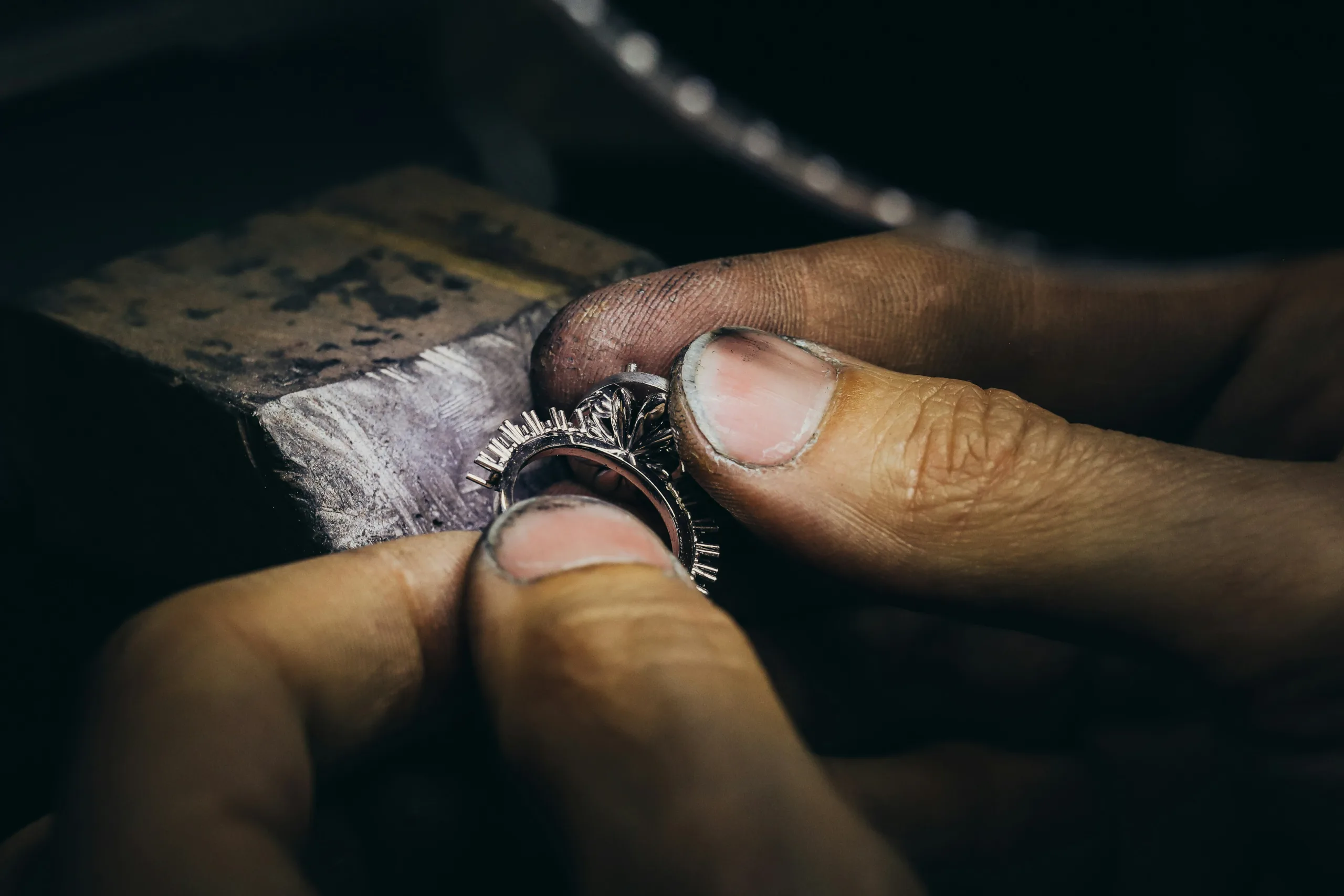
Think about a master silversmith or a diamond setter who has been practicing their craft for fifty years. Their hands have learned a language of metal and stone that only comes with immense experience. This isn’t something you can learn from a YouTube tutorial; it’s a deep-seated understanding honed over a lifetime.
The Art of the Setting: From Cabochon to Pave
Even something as seemingly simple as setting a stone has a rich history. You have ancient techniques where stones were often held in place by bezels or prongs, a method that’s still very much alive and well today, especially for precious gems. Then you have the evolution towards more intricate settings, like pave, where tiny diamonds are meticulously set side-by-side to create a shimmering carpet of light. Each setting style has a history and a reason for being, often dictated by the stone itself and the aesthetic goals of the era.
Metalworking Mastery: The Golden Age of Engraving
Engraving, for instance, has been a decorative art for millennia. From the intricate floral patterns found on antique lockets to the bold geometric designs of the Art Deco period, engraving is a testament to the steady hand and artistic eye of the craftsperson. Different cultures and time periods favored different engraving styles, each telling a story of their aesthetic sensibilities. Delicate scrollwork might speak of Victorian romance, while crisp linearity could point to the precise artistry of Georgian pieces.
Design Through the Ages: Styles That Endure
Jewelry hasn’t always looked the way it does now. Each historical period had its signature styles, influenced by everything from political events to technological advancements. Understanding these styles helps us appreciate the evolution of taste and artistry.
Victorian Glamour: Romance and Mourning
The Victorian era is particularly fascinating for its distinct jewelry styles. On one hand, you have the opulent pieces worn by Queen Victoria herself – heavy gold, intricate motifs, and precious gemstones signifying wealth and status. On the other hand, a significant part of Victorian jewelry was dedicated to mourning. Pieces made fromjet, vulcanite, or woven human hair were common, a poignant reflection of societal attitudes towards death and remembrance. This duality within a single era is a powerful example of how heritage manifests in design.
Art Nouveau’s Organic Flow: Nature’s Embrace
Then came Art Nouveau, a rebellion against the more rigid styles preceding it. This movement saw jewelry inspired by nature – flowing lines, swirling forms, and depictions of insects, flowers, and mythical creatures. Think of delicate enamel work depicting dragonflies or rings shaped like entwined vines. This focus on organic beauty was a significant departure and has influenced jewelry design ever since, with contemporary pieces often drawing inspiration from this freer, more naturalistic approach.
Art Deco’s Bold Geometry: The Roaring Twenties
The Roaring Twenties brought Art Deco, a style characterized by bold geometric shapes, symmetry, and a fascination with new technologies and materials. Think of crisp angles, stepped designs, and the striking contrast of diamonds with colored gemstones like sapphires, emeralds, and rubies. This era’s jewelry often reflected a sense of modernism and opulence, and its clean, striking lines remain incredibly popular and influential today.
Craftsmanship: The Soul of the Gem
Craftsmanship is the tangible manifestation of skill and dedication in jewelry making. It’s what elevates a piece from being merely an accessory to a work of art. It’s about the precision, the patience, and the deep knowledge of materials.
The Metalsmith’s Touch: Beyond Simple Casting
When a jeweler works with precious metals like gold, platinum, or silver, it’s far more than just melting and pouring. It involves a series of meticulous processes, each demanding expertise.
Repoussé and Chasing: Bringing Metal to Life
Two ancient techniques that exemplify this artistry are repoussé and chasing. Repoussé involves hammering the metal from the reverse side to create a raised or embossed design on the front. Chasing is done from the front, using fine punches and hammers to refine the design, add texture, and create depth. These techniques transform a flat sheet of metal into a sculpted, three-dimensional form, a testament to the sheer skill and artistic vision required.
Filigree and Granulation: Delicate Artistry
Filigree, the art of twisting thin threads of metal into intricate patterns, and granulation, the application of tiny metal beads to create decorative surfaces, are other examples of historical metalworking skills. These are incredibly delicate processes, often requiring specialized tools and an exceptional level of dexterity. Their resurgence in contemporary jewelry is a direct nod to their enduring beauty and the incredible skill they represent.
The Gem Setter’s Precision: More Than Just Plating
Setting gemstones is arguably one of the most critical aspects of fine jewelry. A poorly set stone can diminish the beauty of even the finest gem and can lead to its loss. Skilled setters possess an intimate understanding of each stone’s properties and how to secure it without damaging its delicate structure.
Bezels and Prongs: The Classic Hold
The bezel setting, where a metal collar encircles the entire gemstone, is one of the oldest and most secure. It offers excellent protection and can be used to emphasize the stone’s color. Prong settings, on the other hand, use metal claws to hold the stone, allowing more light to pass through and therefore maximizing its sparkle. The number and style of prongs can vary, each lending a different character to the piece.
Flush and Gypsy Settings: Subtle Integration
Less common but equally skilled are flush and gypsy settings. In a gypsy setting, the gemstone is partially recessed into the metal, with the metal gently hammered over its edge. This creates a smooth, low-profile look, ideal for rings worn daily. A flush setting, even more subtle, involves the gemstone being entirely level with the surface of the metal, often surrounded by a small, polished rim. Achieving this seamless integration requires immense precision, ensuring the stone is flush without compromising its security.
The Language of Jewels: What Stones and Metals Say
Fine jewelry isn’t silent; it communicates. The choice of gemstones, the type of metal, and even the way they are combined all contribute to a rich, often unspoken, language.
Color, Clarity, Cut: The Gemstone’s Narrative
Each gemstone carries its own symbolic meaning, often deeply rooted in cultural history and lore. But beyond symbolism, the intrinsic qualities of a gem – its color, clarity, and cut – also speak volumes.
The Power of Hue: Ruby’s Passion, Sapphire’s Wisdom
Think about the deep, passionate red of a ruby. Historically associated with love, courage, and vitality, its color alone evokes strong emotions. Contrast this with the serene, deep blue of a sapphire, often linked to wisdom, truth, and royalty. Emeralds, with their vibrant green, speak of nature, renewal, and fertility. These color associations are ancient and remain potent, influencing our emotional response to jewelry.
The Brilliance of Clarity: Imperfections as Character
Clarity refers to the presence or absence of internal inclusions and external blemishes. While perfectly flawless stones (internally and externally) are rare and highly prized, minor inclusions can often be seen as adding character and uniqueness to a gem. A skilled artisan might even intentionally design a piece to highlight a unique inclusion, turning what might be considered a flaw into a distinctive feature. It’s about appreciating the natural imperfections that make each stone an individual.
The Art of the Cut: Enhancing Light and Sparkle
The cut of a gemstone is crucial to its beauty. It’s not just about shaping the stone; it’s about optimizing its ability to reflect and refract light. A well-cut diamond, for example, will exhibit fire (flashes of color) and brilliance (white light reflection). Different cuts – from the classic round brilliant to the elegant emerald cut or the romantic pear shape – were developed over time, each designed to showcase a stone’s particular attributes and suit the prevailing aesthetic.
Metal Allegories: Gold’s Warmth, Platinum’s Purity
The metals used in jewelry are equally communicative. Gold, with its warm, enduring hue, has symbolized wealth, purity, and divinity for millennia. Its malleability has allowed for incredible artistry throughout history.
Platinum’s Resilience: The Modern Heirloom
Platinum, a rarer and denser metal, has gained prominence for its incredible strength and durability. Its silvery-white color is considered a symbol of purity and permanence. Because it is so resilient, pieces made from platinum often have a more delicate appearance while still being incredibly strong, making them ideal for intricate designs and for those seeking a metal that can withstand the rigmas of daily wear without losing its luster.
Alloyed Meanings: The Nuance of Karats
The karat system for gold tells us about its purity. 24-karat gold is pure gold, extremely soft and rarely used in jewelry on its own. Lower karats, like 18-karat (75% gold) or 14-karat (58.3% gold), are alloyed with other metals like copper, silver, or zinc to increase durability and alter color. This allows for variations like rose gold (with copper) or white gold (often plated with rhodium). Each alloy has a slightly different feel and appearance, adding subtle layers to the metal’s narrative.

The Personal Connection: Your Story in Jewels
Ultimately, the most powerful aspect of heritage and craftsmanship in fine jewelry is how it connects to our personal stories. A piece isn’t just an object; it becomes a vessel for memories, emotions, and identity.
Heirlooms and Their Echoes: A Link to Generations
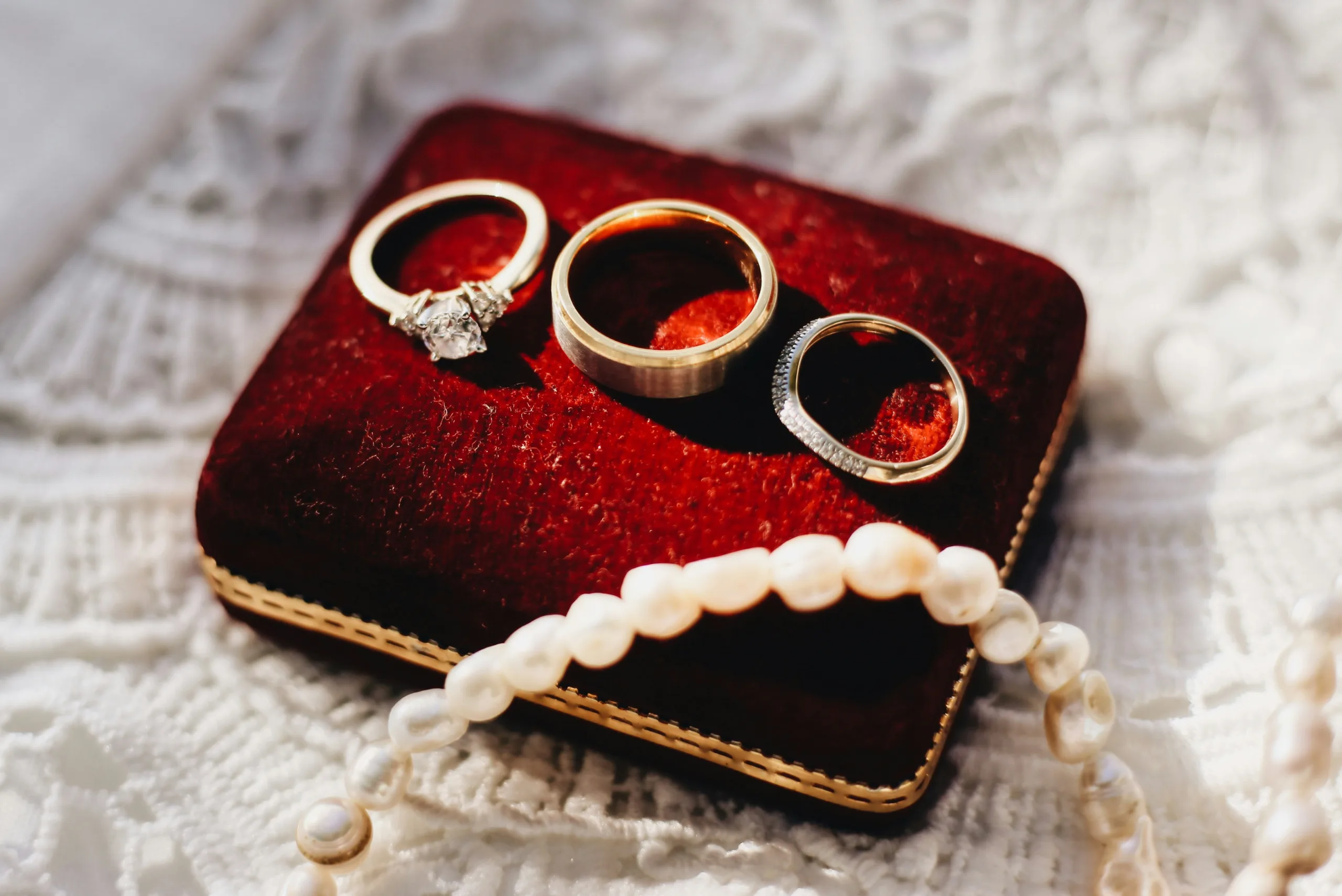
When you wear a piece of jewelry that has been in your family for generations, you are not just wearing metal and stones. You are wearing the echoes of your ancestors. Imagine wearing your grandmother’s engagement ring – each subtle scratch and wear mark tells a story of her life, her love, and her experiences. This connection to the past provides a sense of continuity and belonging.
Inherited Symbolism: Passing Down Meaning
Beyond the tangible, heirlooms often carry inherited symbolism. A brooch gifted by a mother might represent her encouragement and strength. A ring passed down from a father could signify his values and principles. This inherited meaning adds a profound layer to the piece, making it far more than just an adornment.
Newly Crafted Legacies: Creating Your Own Narrative
It’s not just about inherited pieces. Commissioning a bespoke piece of fine jewelry is about consciously creating your own legacy. Working with a skilled artisan to design something unique to you – perhaps incorporating stones that hold personal significance or a design that reflects your passions – is a way of embedding your story into a tangible creation.
The Bespoke Journey: Collaboration and Creation
The process of creating a custom piece is a collaborative one. It involves discussing your vision with a designer or jeweler, exploring materials, and finalizing a design. This journey of creation is inherently personal, and the resulting piece becomes a unique reflection of your individuality and values.
The Modern Heirloom: A Future Tale
These newly created pieces, crafted with skill and intention, are destined to become the heirlooms of the future. They will carry your stories, your memories, and your legacy forward to generations yet to come, continuing the timeless conversation of fine jewelry.
The Enduring Allure: Why It Still Matters
In a world of fast fashion and disposable goods, the enduring appeal of fine jewelry rooted in heritage and craftsmanship is a testament to its intrinsic value. It’s about more than just aesthetics; it’s about connection, preservation, and a timeless appreciation for beauty and skill.
Tangible History: Holding the Past
Fine jewelry offers a tangible link to history. When you hold an antique brooch or a mid-century necklace, you are holding a piece of the past in your hands. It’s a way to connect with the individuals who wore it, the times in which it was made, and the skills that brought it into existence. This physicality is a powerful antidote to the fleeting nature of digital information.
The Anti-Disposable Revolution: Investing in Forever
The appeal of fine jewelry lies in its permanence. Unlike trends that come and go, well-made jewelry crafted with quality materials and timeless designs can last for generations. This makes it an investment, not just financially, but in terms of enduring beauty and personal meaning. It’s part of a movement towards valuing quality and longevity over disposability.
The Silent Conversation: Understanding the Nuances
Learning about the heritage and craftsmanship behind fine jewelry enhances our appreciation for it. It allows us to understand the nuances, the stories whispered by the metals and stones, and the dedication of the hands that shaped them. This deeper understanding transforms a beautiful object into a profound experience, a silent conversation across time.
This ongoing dialogue, passed down through the ages and embodied in every facet and every polished surface, is what makes fine jewelry so captivating and enduringly relevant. It’s a language that continues to be spoken, understood, and cherished by those who appreciate its depth and artistry.