Luxury Watches as Identity Signals and Investment Pieces
May 31, 2026

So, can a luxury watch really be an identity signal and an investment? In short, yes, it absolutely can. But it’s not as simple as picking any shiny watch off the shelf. It’s about understanding the nuances of how these timepieces communicate who you are and, just as importantly, how they hold, or even grow, their value over time. It’s a fascinating intersection of personal expression and savvy financial sense.
Let’s be honest, in an age where your phone tells you the time to the nanosecond, a watch on your wrist is about a lot more than just practicality. It’s a subtle yet powerful declaration of style, taste, and even aspiration.
A Nod to Heritage and Craftsmanship
A luxury watch often represents centuries of watchmaking tradition. Think about the intricate movements, the hand-finishing, the painstaking attention to detail. When you wear a piece like that, you’re not just wearing a time-telling device; you’re wearing a miniature piece of art and engineering history.
- Appreciating the Art: Many watch brands have incredibly rich histories. Wearing a Patek Philippe, for instance, isn’t just about the brand; it’s about connecting with a legacy of innovation and meticulous design that stretches back to the 19th century. This shows an appreciation for things that last, for craftsmanship that goes beyond mass production.
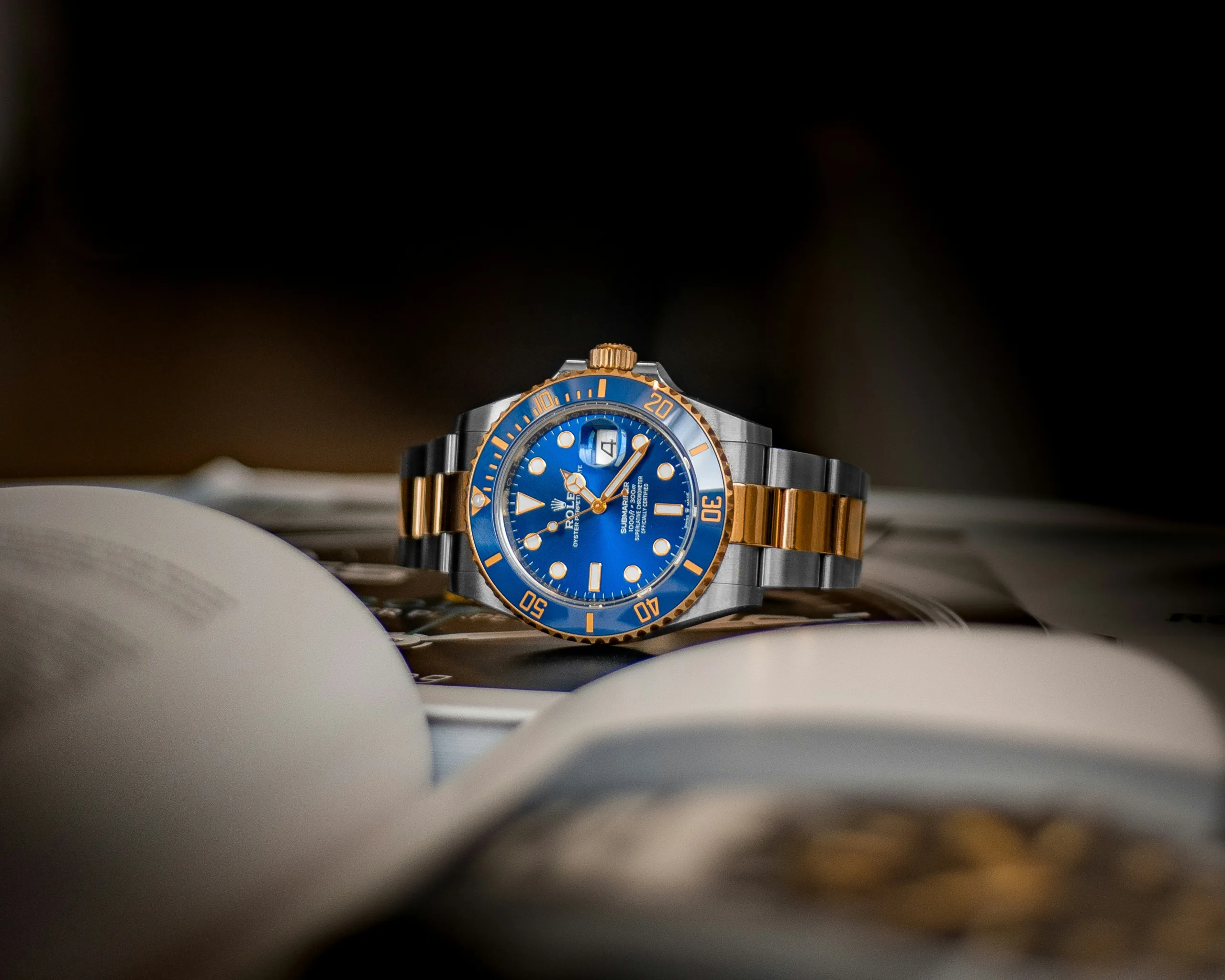
- Storytelling on the Wrist: Each brand, and often each individual model, has a story. Whether it’s the Omega Speedmaster’s journey to the moon or the Rolex Submariner’s pioneering dive capabilities, these stories become part of your own narrative when you choose to wear them. It subtly communicates an interest in adventure, exploration, or historical milestones.
Communicating Personal Values and Style
Your choice of watch speaks volumes about your personal philosophy and aesthetic. Are you drawn to understated elegance or bold declarations? Do you prioritize rugged utility or sophisticated refinement?
- Understated Sophistication: A classic Cartier Tank or a Jaeger-LeCoultre Reverso suggests a person who values timeless design and discreet luxury. It’s not about shouting for attention, but about exuding an effortless sense of style and confidence. This can signal a preference for quality over ostentation.
- Adventurous Spirit: A robust dive watch like a Rolex Submariner or a Tudor Black Bay might indicate an adventurous streak, a love for the outdoors, or an appreciation for tools built for purpose. It can project an image of someone ready for anything, practical yet stylish.
- Technical Fascination: Someone wearing a highly complicated watch, like a perpetual calendar or a tourbillon, might be signaling a deep appreciation for mechanical engineering and horological innovation. It’s a subtle nod to intellectual curiosity and an interest in complex systems.
A Symbol of Achievement or Aspiration
For many, a luxury watch marks a significant milestone – a graduation, a promotion, a personal achievement. It can serve as a tangible reminder of hard-won success.
- Rewarding Milestones: Buying a significant watch can be a deeply personal tradition, a way to commemorate important life events. It’s a self-gift that symbolizes reaching a particular goal or overcoming a challenge.
- Projecting Professionalism: In certain professional circles, a well-chosen watch can subtly enhance one’s image. It can communicate reliability, attention to detail, and a certain level of success. It’s not about showing off, but about presenting a polished and confident persona in the workplace.
The Investment Angle: Is it Really a Good Idea?
This is where things get a bit more complex. While some luxury watches can indeed be excellent investments, it’s far from a guaranteed home run. It requires research, understanding market dynamics, and a bit of luck.
Not All Luxury Watches Are Created Equal
This is the golden rule. Just because a watch is expensive doesn’t mean it will appreciate in value. Many watches, even from renowned brands, depreciate significantly the moment they leave the authorized dealer.
- Primary Market vs. Secondary Market: Most new watches bought at retail will immediately lose value. The “investment” pieces are usually those that retain or increase value on the secondary market. This is where collectors and enthusiasts trade pre-owned watches.
- Exclusivity and Demand: Watches that appreciate typically have a combination of high demand and limited supply. This could be due to small production numbers, highly sought-after reference numbers, or models that have been discontinued and are now rarer.
What Makes a Watch a “Good Investment”?
There are several key factors to consider if you’re looking for a watch that holds its value, or even increases it.
- Brand Reputation and Scarcity: Brands like Rolex, Patek Philippe, and Audemars Piguet consistently top the list for investment potential. Their strong brand equity, controlled production, and consistent demand contribute significantly. Specific models, like the Rolex Daytona or Patek Philippe Nautilus, are particularly strong due to their iconic status and limited availability.
- Condition and Provenance: Like any collectible, condition is paramount. A watch in excellent, original condition with its full set (box, papers, original warranty card) will always fetch a higher price. Provenance – the history of ownership – can also add significant value, especially if it was owned by a notable figure.
- Rarity and Discontinuation: Limited editions, watches that were only produced for a short period, or “neo-vintage” pieces (watches from the 1980s-2000s that are gaining collector interest now) can see significant appreciation, especially once they are no longer in production. The hype around discontinued models often drives up prices.
- Material and Complications (Sometimes): While gold or platinum watches are more expensive upfront, steel sports watches often see better retention and appreciation due to higher demand and tool-watch utility. Highly complicated watches can be good investments, but only if they are from a highly respected independent watchmaker or a major brand’s top-tier complications. Simpler complications from less prestigious brands might not fare as well.
Understanding Market Fluctuations
The secondary watch market is dynamic and influenced by trends, economic conditions, and even social media. What’s hot today might cool off tomorrow, and vice-versa.
- Hype Cycles: Certain models or brands can experience periods of intense hype, driving prices sky-high. Think of the astronomical prices for certain Patek Philippe and Audemars Piguet steel sports watches in recent years. While they’ve certainly come down from their peak, they still command a premium.
- Economic Impact: During economic downturns, luxury goods markets can soften, and prices may stagnate or even decline. Conversely, booming economies often correlate with increased luxury spending and higher demand.
- Changing Tastes: Collector tastes evolve. What was considered passé a decade ago (e.g., smaller watch sizes for men) might be back in vogue, impacting market values.
Navigating the Purchase: Smart Choices for Both Goals
If you’re aiming for a watch that serves both as an identity signal and a potential investment, a thoughtful approach is key. Don’t just follow the crowd; consider what resonates with you personally and what makes financial sense.
Research, Research, Research
Before you even think about putting down money, spend a significant amount of time learning.
- Understand the Brands: Dive deep into the history, key models, and brand philosophies of different watchmakers. What are they known for? What quality standards do they uphold?
- Familiarize Yourself with References: Each watch model has a specific reference number (e.g., Rolex 126610LN for the Submariner Date). Knowing these helps you identify exact models, understand variations, and track market values more accurately.
- Learn About Movements: While you don’t need to be a watchmaker, understanding the basics of mechanical movements (automatic vs. manual, in-house vs. outsourced) can help you appreciate the engineering and make informed choices.
Buy What You Love (and Can Afford)
This might sound like a platitude, but it’s genuinely important. You’re going to wear this watch, hopefully for years. If it doesn’t speak to you, it defeats the purpose of an “identity signal.”
- Personal Connection First: While investment potential is great, don’t buy a watch solely because some article says it might go up in value if you don’t actually like wearing it. The joy of ownership is paramount.
- Set a Budget: Luxury watches span a vast price range. Be realistic about what you’re willing and able to spend, and stick to it. Don’t overextend yourself for a watch, even if it’s a “good investment.”
Considering the Pre-Owned Market
For many aspiring collectors and investors, the pre-owned market is where the real value lies.
- Better Value Proposition: Many watches, even from top brands, can be found at significant discounts on the secondary market compared to their retail price. This means less immediate depreciation and potentially a better starting point for appreciation.
- Access to Discontinued Models: The pre-owned market is the only place to find many highly sought-after discontinued models, which often have strong investment potential.
- Reputable Dealers are Key: Always buy from established, reputable secondary market dealers who offer authentication, warranties, and transparency about the watch’s condition and history. Scammers are unfortunately common in this space.

Living with Your Luxury Watch: Enjoyment and Maintenance
A luxury watch isn’t just a static display piece; it’s meant to be worn and enjoyed. But to maintain its value, both monetary and sentimental, proper care is crucial.
Wearing Your Watch Responsibly
While luxury watches are built to last, they’re not indestructible. Treat them with respect.
- Be Mindful of Activities: While many sports watches are robust, don’t expose your dress watch to extreme conditions. If your watch isn’t rated for deep diving, don’t take it diving. If it’s a delicate vintage piece, avoid strenuous activities where it could be knocked or damaged.
- Avoid Magnetic Fields: Strong magnetic fields (from speakers, certain machinery) can affect the accuracy of mechanical watches. Be aware of your surroundings.
Regular Servicing and Care
Just like a car, a mechanical watch needs regular maintenance to keep it running accurately and reliably.
- Follow Manufacturer Recommendations: Most brands recommend a service interval of 3-7 years. This is not just a suggestion; it’s vital for the longevity of the movement. During a service, the watch is disassembled, cleaned, lubricated, and often regulated.
- Use Authorized Service Centers: For high-value watches, always use the brand’s authorized service centers or highly reputable independent watchmakers who specialize in the brand. Unauthorized work can devalue a watch and often voids warranties.
- Keep All Original Parts: If parts are replaced during a service, always ask for the original parts back, especially if they are major components like the dial, hands, or bezel. Originality is a huge factor in collector value.
Protecting Your Investment
Ensuring your watch is secured and insured is just common sense.
- Adequate Insurance: Get a separate rider on your home insurance policy for your luxury watch. Standard home insurance limits for jewelry can be very low and won’t cover a valuable timepiece. Document your watch with photos and appraisals.
- Secure Storage: When not wearing it, store your watch in a safe, whether at home or in a bank. A watch box or winder can keep it safe from scratches and dust.
In conclusion, luxury watches absolutely serve as powerful identity signals, communicating personal values, achievements, and aesthetic preferences without saying a word. Simultaneously, a select few can indeed act as strong investment pieces, retaining and even appreciating in value over time. The key is to approach both aspects with genuine interest, thorough research, and a practical understanding of the market. Choose wisely, care for it well, and your luxury watch can be a source of profound personal enjoyment and, potentially, a smart financial asset.