Collector Cars, Limited Editions and Digital Scarcity
May 31, 2026

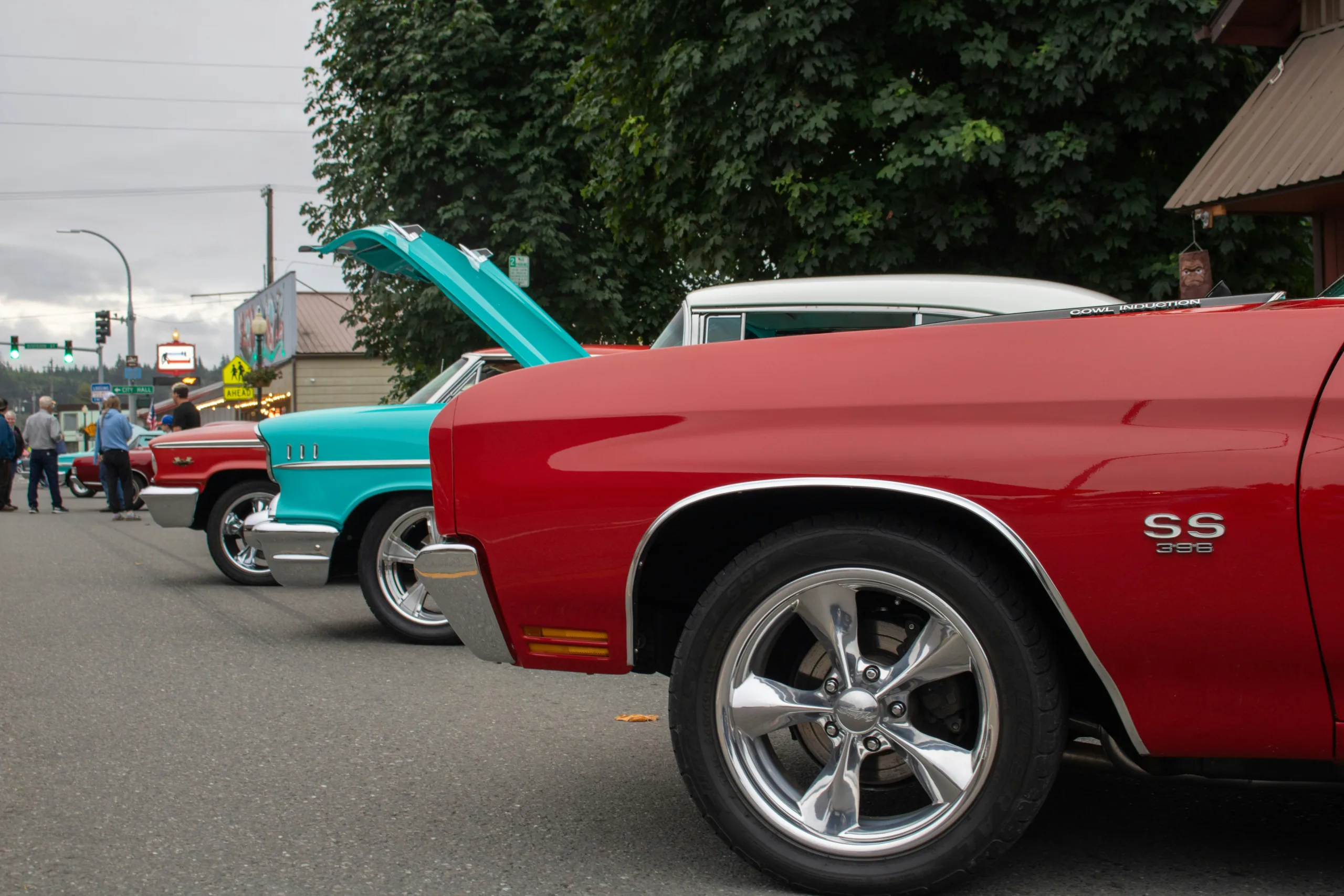
Collector cars, limited editions, and the concept of digital scarcity – they all tie together in a fascinating way when you think about what makes something valuable and desirable. Basically, if you can’t easily get your hands on it, and there’s a reason why, people tend to want it more. Whether it’s a rare classic car that only a handful of people own, a special edition sneaker with a tiny production run, or a digital collectible that’s genuinely limited, scarcity is a key ingredient in creating demand and, often, value. It’s not just about owning something cool; it’s about owning something that distinguishes you, something that feels a bit exclusive.
We humans are wired for it, aren’t we? That feeling of getting something that not everyone else has. It’s a primal instinct, a bit like finding a rare berry on a hike or discovering a hidden gem. This desire is amplified when it comes to things we collect, whether it’s physical items or digital ones.
Why Scarcity Drives Desire
Think about it: if every car model rolled off the assembly line in unlimited quantities, would anyone really obsess over finding a specific, vintage model? Probably not. The sheer rarity of certain classic cars, the fact that so few were ever made or have survived, automatically elevates their status. It becomes a quest, a challenge, and ultimately, a point of pride for the owner. The same logic applies to limited edition toys, designer clothing, or even concert tickets for a band that’s only playing one show. The limited nature creates a sense of urgency and competition. You have to act fast, be lucky, or be part of an in-group to get it.
Limited Editions: The Bridge Between Mass Production and Exclusivity
Limited editions are clever. They take something familiar, something that might even be mass-produced, and slap a “special” label on it with a finite number. This could be a slightly different color, a unique feature, or a collaboration with an artist. Suddenly, the familiar becomes desirable because it’s not going to be around forever, and only a select few will have it. It taps into that FOMO (fear of missing out) really effectively.
The Psychology of Ownership and Exclusivity
Owning something rare or limited often comes with a sense of personal achievement. It signifies that you were “in the know,” you acted decisively, or you had the resources to acquire it. This psychological boost can far outweigh the practical utility of the item. It’s about belonging to a group, a community of fellow collectors who appreciate the same niche. This sense of shared passion and understanding is a powerful motivator.
Classic Cars: The Original Digital Scarcity?
When we talk about collector cars, we’re often talking about items that are already a form of “digital scarcity” in the modern sense, long before NFTs existed. The value is tied to their provenance, their condition, and critically, their limited numbers due to age and attrition.
The Natural Scarcity of Vintage Automobiles
Classic cars are inherently scarce. They were built in a different era, with different production volumes. Many were used, abused, or simply rusted away. This natural attrition means that well-preserved examples are increasingly rare. A 1960s sports car isn’t just a car; it’s a piece of history, a mechanical sculpture, and a tangible connection to a bygone era. The fewer there are, the more sought after they become.
Provenance and Condition: The Digital Record Pre-NFT
Before blockchain, the “digital record” of a classic car was its detailed history – its ownership, its racing record, any modifications, and its restoration over the years. This provenance paperwork, often meticulously kept and authenticated, functions much like a digital certificate of authenticity and ownership. It proves the car’s identity and its legitimacy, adding significant value. A car with a documented history of being owned by a famous personality or having achieved a notable racing status becomes exponentially more valuable – a scarcity of history.
The Investment Angle: More Than Just a Hobby
For many, collecting classic cars is also an investment. While not always a guaranteed path to riches, well-maintained and desirable classic cars have historically appreciated in value. This appreciation is directly linked to their scarcity and growing demand from new generations of collectors. It’s a tangible asset that can be enjoyed and hopefully yield a return.
Limited Editions in the Modern World: From Sneakers to Watches
The concept of limited editions has exploded beyond cars. It’s a marketing strategy that’s been honed to perfection across various industries, leveraging scarcity to create buzz and drive sales.
The Hype Machine: How Limited Editions Create Demand
Brands across the board have mastered the art of the limited edition. Think about sneakers. A regular pair of running shoes is plentiful. A limited edition collaboration with a popular artist, released in a run of 500 pairs worldwide? That’s a different ballgame. The announcement alone generates immense online buzz. Suddenly, everyone wants them, not necessarily for their performance, but for their exclusivity. This hype drives people to queue, to enter raffles, and to pay significant markups on the secondary market.
Collaborations: Merging Brands, Merging Desirability
Limited edition collaborations are a powerful way to tap into multiple fan bases. When a streetwear brand teams up with a luxury watchmaker, or a video game company partners with a snack food giant, they’re not just creating a new product. They’re creating an event. The combined appeal of both entities, coupled with the promise of limited availability, creates a potent cocktail of desire. The consumer wants a piece of both worlds, a symbol of their affinity for both brands.
The Rise of the “Grail” Item: Collector Culture
In many collector communities – from sneakers and watches to vinyl records and action figures – there’s often a “grail” item. This is the ultimate, most sought-after piece, usually characterized by extreme rarity, iconic design, or historical significance. The pursuit of these grail items is a defining characteristic of collector culture, fueled entirely by the principles of scarcity and exclusivity.

Digital Scarcity: The Blockchain and Beyond
This is where things get really interesting, especially with the advent of technologies like blockchain. Digital scarcity refers to making digital assets unique and verifiable, mirroring the scarcity of physical items.
Understanding True Digital Scarcity
Before blockchain, digital files could be copied infinitely. A JPEG of a famous painting could be downloaded by everyone, losing its unique value. Blockchain technology, through Non-Fungible Tokens (NFTs), allows for the creation of unique digital assets. Each NFT represents a specific digital item (an image, a video, an audio file, etc.) and its ownership is recorded on a public, immutable ledger. This verification of ownership and uniqueness is what creates digital scarcity.
NFTs: A New Frontier for Collectors
NFTs have opened up a whole new world for digital collectibles. Just as people collect physical art or rare stamps, they can now collect digital art, unique in-game items, virtual real estate, and more. The value of these NFTs is often driven by the same factors as physical collectibles: artistic merit, historical significance (e.g., early viral internet moments), celebrity endorsement, and, crucially, algorithmic and verifiable scarcity.
The Impact on Digital Art and Collectibles Markets
NFTs have democratized digital art ownership to some extent, allowing artists to monetize their digital creations directly. It has also led to the creation of entirely new markets for digital collectibles, where previously the only form of ownership was possessing a copy. This creates a distinction between “owning” a digital asset (via an NFT) and simply having access to a copy of it.
Digital Scarcity vs. Perceived Scarcity
It’s important to distinguish between true digital scarcity, enabled by technology like blockchain, and perceived scarcity, which is often a marketing tactic. A website might say a digital sticker is “limited edition,” but without a verifiable digital scarcity mechanism, it can still be easily copied. True digital scarcity creates a verifiable uniqueness that underpins value in the digital realm.

The Interplay: How Physical and Digital Scarcity Influence Each Other
The lines between physical and digital scarcity are blurring. What happens in one realm can inspire or impact the other.
Cross-Pollination of Collector Habits
As people become more accustomed to collecting digital assets, their desire for physical scarcity might even be amplified, or vice-versa. Someone might own a rare digital piece of art and then seek out a physical manifestation of a similar artistic style. Or, someone who collects vintage cars might be intrigued by the possibility of owning a digital twin of their prized possession.
The Future of Collectibles: Hybrid Models
We’re likely to see more hybrid collectibles in the future. Imagine buying a limited edition physical watch and receiving an accompanying NFT that represents ownership and unlocks exclusive digital content or experiences. This bridges the gap, offering the tangibility of a physical item with the verifiable ownership and potential utility of a digital one.
The Durability of Value: Intrinsic vs. Extrinsic Scarcity
The “durability” of value in collector items often comes down to a mix of intrinsic qualities (beauty, craftsmanship, historical importance) and extrinsic factors like scarcity. While technology can create verifiable scarcity for digital items, the long-term value will still depend on the underlying appeal of the asset itself. A digital image purely created because it’s a limited NFT will likely have less enduring value than a piece of digital art with genuine artistic merit.
The Role of Community and Utility in Digital Scarcity
Unlike many physical collectibles that might have limited utility beyond display or a hobby, digital assets with scarcity can offer ongoing utility. This could be access to exclusive online communities, in-game advantages, or even governance rights within a decentralized project. This utility can further cement the value of a scarce digital item, making its ownership more meaningful and sustainable.
Navigating the Value Landscape: What to Look For
Whether you’re eyeing a classic Ferrari or a unique digital artwork, understanding what drives value in scarce items is key.
Beyond the “Limited” Label: Authenticity and Provenance
For any collectible, physical or digital, authenticity and provenance are paramount. Who made it? What’s its history? For physical items, this means verifiable documentation, original parts, and expert appraisals. For digital items, it’s the smart contract’s record, the creator’s reputation, and the chain of ownership. A limited edition item with a weak or fabricated history is ultimately worthless.
The Importance of Intrinsic Qualities
Scarcity is a powerful driver, but it’s not the only one. The intrinsic qualities of the item itself – its design, its craftsmanship, its artistic merit, its historical significance, its functionality – all play a crucial role. A well-made, historically significant, or artistically compelling item will hold value longer and more robustly, even if it were theoretically less scarce.
Understanding Market Trends and Community
Collector markets are often driven by trends and the strength of the community around a particular item or category. For cars, this might be a resurgence of interest in a specific era or marque. For digital collectibles, it could be the popularity of a particular artist or project. Engaging with collector communities, understanding their passion, and staying informed about market shifts is vital for anyone looking to invest in scarce items.
The Difference Between a Fad and a Lasting Collectible
Some “limited edition” items are purely fads, generating hype for a short period and then fading into obscurity. True collector items, however, often have a timeless appeal that outlasts fleeting trends. This appeal is frequently rooted in a combination of quality, historical context, and genuine rarity. The “digital scarcity” of an item can mimic this, but the underlying interest in the digital asset itself is what will determine its long-term relevance.