The Psychology of Supercar Ownership
May 31, 2026

So, what’s going on in the heads of folks who drop serious cash on supercars? It’s a mix of things, really, going beyond just needing a fast car. It taps into some pretty deep psychological drivers, from the need for status and achievement to the simple thrill of pushing engineering to its limits.
Let’s be honest, nobody needs a car that can hit 200 mph to pop to the shops. The decision to own a supercar is almost never purely practical. It’s driven by a more complex set of desires and motivations that often have less to do with the car itself and more to do with the driver’s internal world.
Status and Social Signaling
This is probably the most obvious one. In many circles, a supercar is the ultimate symbol of success. It’s a very visible way to communicate to the world – and to oneself – that you’ve “made it.”
The “Look at Me” Factor
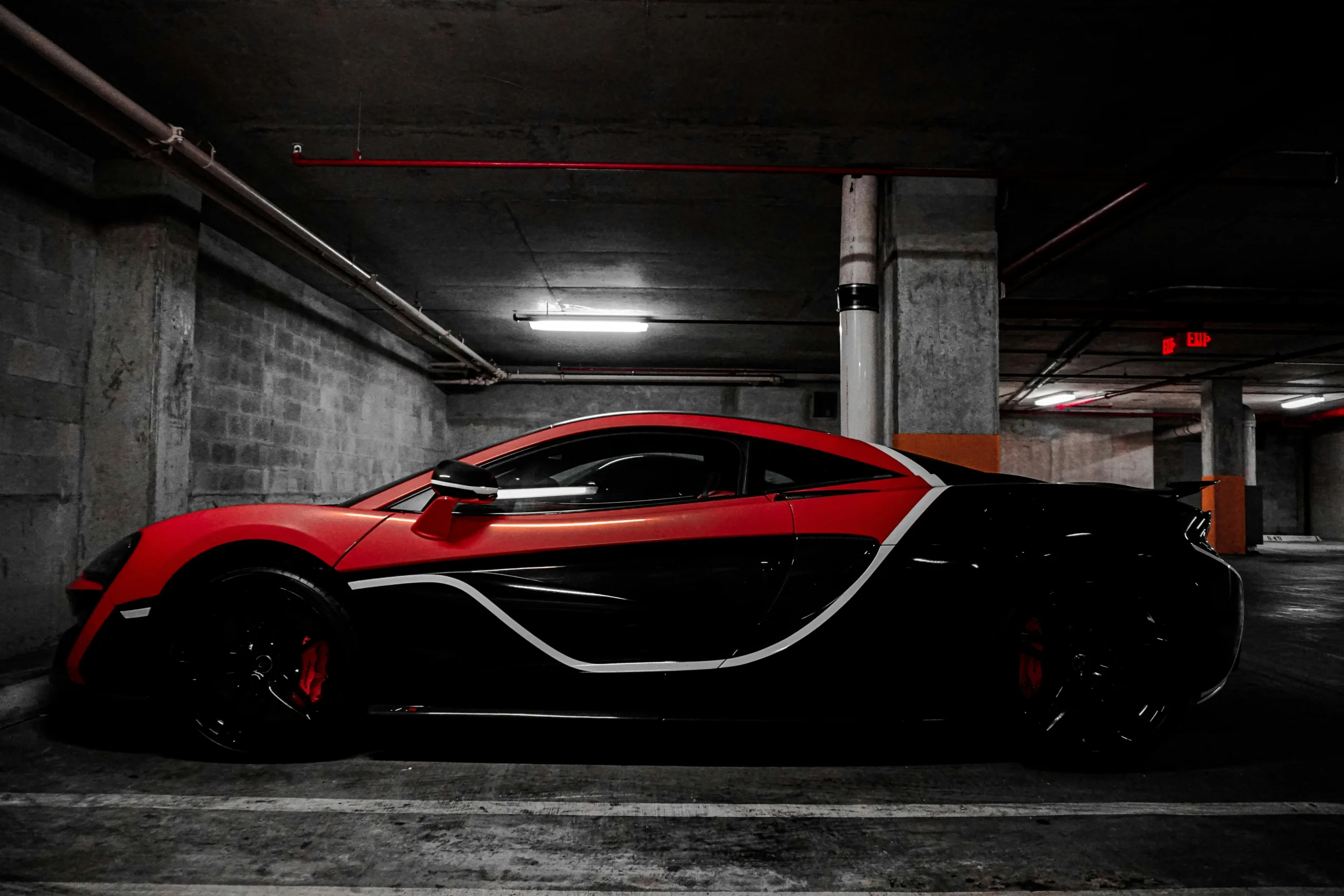
It’s undeniable that supercars attract attention. The sleek lines, the roaring engines, the price tag – they all combine to create a powerful visual statement. For some, this attention is a crucial part of the appeal. It’s a form of validation, a public acknowledgment of their achievements and hard work. Think of it as wearing a Rolex, but on wheels.
Perceived Competence and Affluence
Owning a supercar can project an image of not just wealth, but also competence. It suggests that the owner is capable, successful, and has the means to indulge in the finer things. This can influence how others perceive them in both personal and professional settings.
The “Inner Circle” Effect
Within certain communities, supercar ownership can be a badge of honor. It can facilitate entry into exclusive clubs, attract like-minded individuals, and foster a sense of belonging among those who share this passion and financial capability.
The Thrill of Performance and Engineering
Beyond the social aspects, there’s a very real and tangible element of pure enjoyment derived from the engineering and performance of these machines.
Pushing the Boundaries
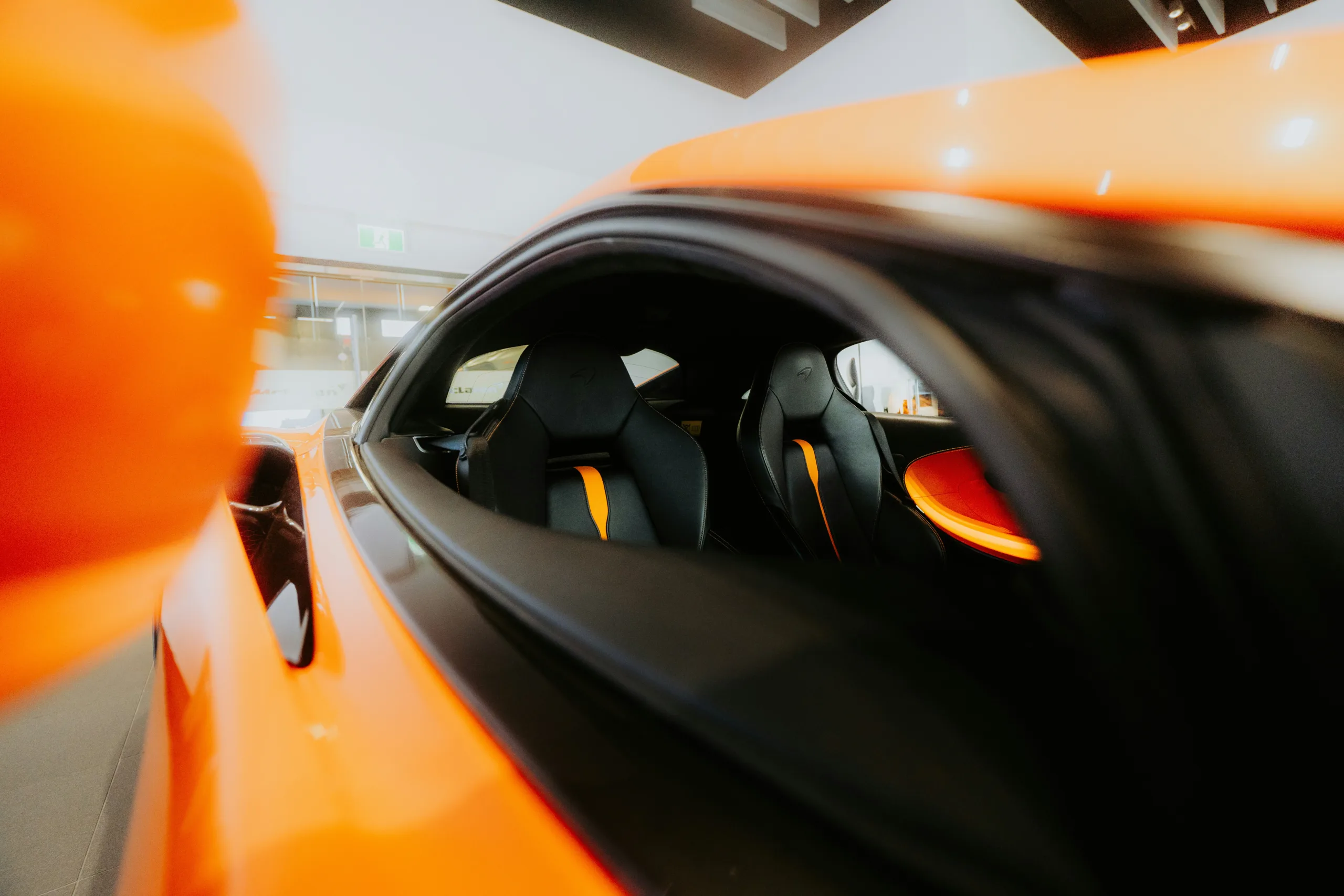
Supercars represent the pinnacle of automotive engineering. They are built with cutting-edge technology, meticulous craftsmanship, and an obsessive focus on performance. For enthusiasts, owning one is like owning a piece of functional art that also happens to be incredibly fast.
The Sensation of Speed
The physical experience of driving a supercar is unlike anything else. The acceleration can be visceral, the handling precise, and the sounds intoxicating. It’s a multi-sensory experience that provides an adrenaline rush and a sense of being fully alive.
Appreciation for Craftsmanship
Many supercar owners are not just interested in speed, but also in the design, the materials, and the sheer ingenuity that goes into creating such a machine. They appreciate the dedication to perfection that these manufacturers exhibit.
Self-Expression and Identity
For many, a supercar is an extension of their personality, a way to express who they are or who they aspire to be.
The “Fantasy Fulfillment” Angle
Since childhood, many people have dreamt of driving a Ferrari or a Lamborghini. Owning one is the realization of a long-held fantasy. It’s about fulfilling a deep-seated desire for something extraordinary that transcends the ordinary.
A Reflection of Personal Values
The choice of a specific supercar can also reflect the owner’s values. Do they gravitate towards the aggressive, bold aesthetics of a Lamborghini, or the more refined, performance-focused elegance of a McLaren? This choice can say a lot about their personality and what they find appealing.
The Feeling of Freedom
Driving a powerful car can evoke a profound sense of freedom. It’s the ability to escape the mundane, to chart your own course, and to experience the world at a pace that feels exhilarating. This sense of liberation is a powerful psychological draw.
The Psychology of Desire and Acquisition
The desire for a supercar isn’t just a fleeting thought; it often involves a prolonged process of aspiration, planning, and eventually, acquisition.
The Aspiration Phase
This is where the dream takes root. It might start with posters on bedroom walls, racing games, or seeing them on the street.
Early Influences and Role Models
Childhood exposure to cars, whether through family, friends, or media, can plant the seeds of desire. Seeing parents or admired figures drive impressive vehicles can create a lasting impression.
Media and Pop Culture’s Role
Movies, magazines, and online content constantly showcase supercars as symbols of aspirational lifestyles. This consistent exposure reinforces the idea that these cars are desirable and attainable for those who achieve a certain level of success.
The “Bucket List” Mentality
For many, a supercar sits firmly on their life’s bucket list. It represents a significant personal achievement and a reward for years of hard work and dedication. The act of ticking it off the list is immensely satisfying.
The Acquisition Journey
Once the aspiration solidifies, the journey to acquisition begins, which itself can be a psychologically rewarding process.
The “Earned Reward” Psychology
The significant financial investment required for a supercar means it’s rarely an impulse buy. The process of earning the money, saving, and making the purchase reinforces the feeling that it’s a genuinely earned reward, increasing its perceived value and the owner’s satisfaction.
Overcoming Obstacles and Challenges
The path to affording a supercar often involves overcoming personal and financial challenges. Successfully navigating these obstacles and finally achieving the goal provides a powerful sense of accomplishment and self-efficacy.
The Ritual of Purchase
The dealership experience, the customization options, the delivery day – these are all elements of a ritual that further solidifies the emotional connection to the car. It’s a significant life event that is often marked with celebration and pride.
Post-Acquisition: The Enduring Appeal
The thrill doesn’t stop with the purchase. The psychological benefits often continue long after the keys are in hand.
Maintaining the Dream
Regular maintenance, detailing, and the occasional drive keep the supercar as a tangible representation of achievement and desire. It’s a constant, physical reminder of their success.
The Social Currency
The car becomes a conversation starter, a way to connect with others, and a source of ongoing social interaction, reinforcing its value beyond its functional purpose.
The Darker Side: Potential Pitfalls and Perceptions
While there are many positive psychological drivers, owning a supercar isn’t always a purely blissful experience. There are potential downsides and societal perceptions that can impact the owner.
Financial Strain and Responsibility
The cost of a supercar extends far beyond the sticker price. This can create significant psychological pressure.
Running Costs and Depreciation
Think fuel, insurance, maintenance, repairs, and the inevitable depreciation. These ongoing expenses can be a constant source of anxiety for some owners, turning the dream into a financial burden.
The “White Elephant” Syndrome
There’s a risk that the car becomes too precious to use, or too expensive to maintain, leading to it sitting idle. This can lead to feelings of guilt or disappointment, negating the intended enjoyment.
Societal Judgment and Misconceptions
Supercar owners often face judgment and stereotypes from those who don’t understand their motivations.
“Flashy” or “Arrogant” Stereotypes
The public perception can sometimes be negative, with owners being labeled as ostentatious or arrogant. This can lead to feelings of defensiveness or a desire to distance oneself from the car in certain social situations.
The “Midlife Crisis” Label
This is a common, though often inaccurate, stereotype. While a supercar might be purchased during a midlife period, it doesn’t automatically equate to a crisis. The motivation is more often rooted in achievement and aspiration.
Envy and Resentment
The visible display of wealth can unfortunately elicit envy or resentment from others, which can create social friction for the owner.
The Thrill Can Be Fleeting
Like any novelty, the initial excitement of a supercar can wear off.
The “Novelty Wears Off” Phenomenon
After the initial awe and pleasure, the daily reality of owning a supercar might set in. The performance might feel less dramatic, and the attention might become tiresome. This can lead to a search for new thrills or a questioning of the purchase.
The Pressure to “Perform”
There can be an internal or external pressure to drive the car fast or to always be seen enjoying it, which can turn a pleasure into an obligation.


The Nuances of “Supercar” Culture
The psychology isn’t uniform; it varies depending on the specific car, the owner’s background, and their involvement in the broader supercar community.
Differentiating Types of Supercars and Their Owners
Not all supercars are created equal, and neither are their owners’ motivations.
The Hypercar Elite
Owners of hypercars (even more extreme than supercars) often have a different psychological profile. Their motivations might lean heavily towards the collector’s mindset, technological fascination, and extreme exclusivity. The price point alone filters who can even consider these.
The “Driver’s Car” Enthusiast
Some owners prioritize the driving dynamics and pure performance over outright luxury or status symbols. They might be drawn to brands known for their track-focused engineering and raw driving experience.
The Design-Conscious Owner
For certain individuals, the aesthetic appeal and design language of a supercar are paramount. They see it as a rolling sculpture, valuing its beauty and craftsmanship as much as its speed.
The Role of the “Car Community”
Belonging to a community of like-minded individuals can significantly shape the experience.
Shared Passion and Knowledge Exchange
Car clubs and online forums provide a platform for owners to connect, share their passion, discuss technical details, and organize events. This sense of camaraderie can amplify the enjoyment.
The Validation of Shared Experience
Being part of a community where others understand and appreciate the unique aspects of supercar ownership provides a strong sense of validation. It confirms that their passion is shared and respected.
The Peer Influence on Consumption and Use
Within these communities, there can be subtle peer influence on what cars are desirable, how they are used, and how they are maintained, further shaping the psychological landscape of ownership.
The Impact of Personal History and Background
An individual’s life experiences and upbringing play a significant role in their motivations for acquiring and owning a supercar.
Childhood Dreams and Aspirations
As mentioned earlier, early exposure and long-held dreams are powerful motivators. Someone who grew up fantasizing about a specific marque might have a different psychological attachment than someone who sees it purely as a financial investment.
Personal Milestones and Accomplishments
A supercar can be purchased to commemorate a major life achievement, such as launching a successful business, reaching a career peak, or celebrating a significant birthday. This imbues the car with a deep personal meaning.
Risk Tolerance and Thrill-Seeking Tendencies
Individuals with a higher tolerance for risk and a greater propensity for thrill-seeking are naturally more drawn to the high-octane experience that supercars offer. This is a fundamental personality trait that influences their automotive preferences.
The Enduring Allure: Why Supercars Remain Desired
Despite the costs and complexities, the allure of supercars persists. It’s a testament to the deep-seated psychological needs they tap into.
The Fusion of Art, Engineering, and Emotion
Supercars represent a unique convergence of human ingenuity and desire. They are not just machines; they are carefully crafted objects that evoke strong emotions.
The Pinnacle of Human Achievement
These cars are a display of what humanity can achieve when it pushes the boundaries of technology, design, and performance. Owning one can feel like being a part of that elite group at the forefront of innovation.
Tangible Symbols of Aspiration
They serve as constant, physical reminders of dreams, hard work, and the potential for extraordinary experiences. This makes them more than just modes of transportation; they are potent symbols of what’s possible.
The Irresistible Call of the Extraordinary
In a world that often feels mundane, supercars offer an escape into the realm of the extraordinary. They provide an opportunity to experience life at a different tempo, to engage with the world in a more thrilling and memorable way.
The Evolving Landscape of Supercar Ownership
The market and the motivations of buyers are not static. Trends and technological advancements continue to shape the psychology of this niche.
The Rise of Electric Supercars
The shift towards electric powertrains introduces new psychological dimensions. For some, it’s about embracing a more sustainable future without sacrificing performance. For others, the instant torque and silent acceleration offer a different kind of thrilling, futuristic experience.
The Influence of Collectibility and Investment
Increasingly, supercars are viewed not just as vehicles but as potential investments. The psychology here shifts towards rarity, provenance, and the anticipation of future value appreciation, appealing to a more strategic acquisitive mindset.
Personalization and Bespoke Experiences
Manufacturers are increasingly offering extensive personalization options. This taps into the desire for individuality and the need for a car that is truly unique, reflecting the owner’s personality and preferences in meticulous detail.
In essence, owning a supercar is a profoundly personal journey. It’s a complex interplay of external validation, internal gratification, a deep appreciation for engineering marvels, and the powerful human drive to experience the exceptional. It’s a decision that speaks volumes about the owner’s aspirations, their place in the world, and their personal definition of success and fulfillment.