Electric Supercars and the Future of High-Performance Luxury
May 31, 2026
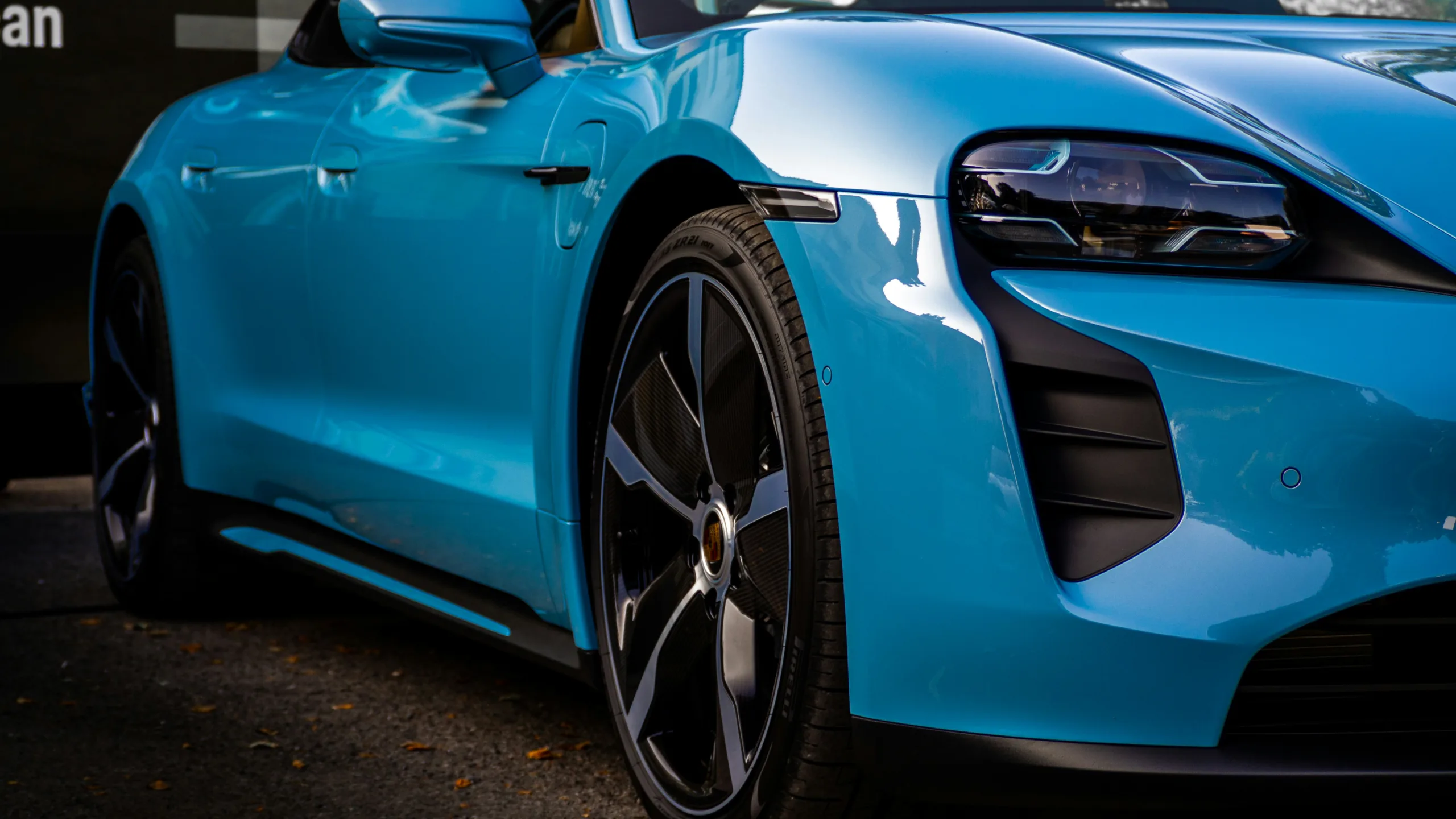
The question of whether electric supercars are truly the future of high-performance luxury is a big one, and the answer is shaping up to be a resounding yes, with a few important caveats. We’re not just talking about cars that look like supercars and happen to be electric; we’re seeing a fundamental shift in how speed, luxury, and cutting-edge technology are being redefined. This isn’t just a trend; it’s a transformation.
For a while, electric cars were painted with a broad brush – eco-friendly commuters, perhaps, but not exactly the stuff of petrolhead dreams. That perception is rapidly dissolving. Electric powertrains, once deemed too anemic for serious performance, are now proving their dominance. The instant, colossal torque delivered by electric motors is something internal combustion engines, even the most potent ones, simply cannot replicate. This isn’t just about acceleration figures; it’s about a raw, visceral sensation of being pressed into your seat with an unwavering force that feels utterly futuristic.
Torque is King: The Instantaneous Thrill
Forget the rev ranges and gear shifts of traditional performance cars. Electric supercars deliver their peak torque from a standstill. This means zero to sixty in the blink of an eye, and frankly, it’s a feeling that has to be experienced to be believed. The seamless delivery of power is addictive, and it completely changes the dynamic of driving. It’s less about the mechanics and more about the sheer, unadulterated push.
Beyond Straight Lines: Handling the Revolution
One of the early concerns about electric vehicles, particularly heavier ones due to battery packs, revolved around agility. However, engineers have become remarkably adept at managing weight distribution. The low center of gravity provided by placing batteries in the floor of the car actually enhances handling. This, combined with advanced torque-vectoring systems that can precisely control power to individual wheels, allows electric supercars to corner with a planted, precise feel that often rivals or exceeds their gasoline counterparts.
Redefining Luxury: Not Just Supple Leather Anymore
Luxury in the supercar realm has always been about more than just plush interiors. It’s about exclusivity, craftsmanship, and the overall experience. Electric supercars are evolving this definition. While opulent materials and meticulous finishing are still paramount, the added layer of technological sophistication is becoming a core component of the luxury offering.
The Seamless Interface: Tech as an Extension of Self
The cabin of an electric supercar is increasingly a hub of advanced technology. Large, high-resolution touchscreens are common, offering intuitive control over everything from vehicle performance settings to climate and infotainment. But it’s not just about screens. Haptic feedback, augmented reality displays, and sophisticated driver-assistance systems are becoming integrated in ways that feel less like add-ons and more like integral parts of the driving experience. The technology isn’t there to distract; it’s designed to enhance awareness and control.
Bespoke and Sustainable: A New Kind of Craftsmanship
Many luxury brands are recognizing that their high-net-worth clientele are increasingly conscious of environmental impact. This is leading to a focus on sustainable materials and ethical sourcing within the crafting of these vehicles. Think recycled carbon fiber, bio-based leathers, and innovative composite materials that offer both luxury and a lower ecological footprint. This blend of cutting-edge technology and responsible manufacturing is creating a new benchmark for what constitutes automotive luxury.
The Sound of Silence (and the Roar of Innovation)
The iconic exhaust note of a supercar has long been a defining characteristic. The introduction of electric powertrains presented a significant challenge to this sensory experience. However, manufacturers are approaching this in a variety of fascinating ways.
The Artificial Overture: Engineering the Soundscape
Silence isn’t always golden in the supercar world. Many manufacturers are actively creating artificial sound profiles for their electric supercars. These can range from subtle hums that indicate acceleration to more aggressive, synthesized roars designed to mimic or even enhance the visceral feeling of speed. The goal is to provide an auditory cue that complements the performance, without resorting to the noise pollution of traditional engines.
The Future of Audio: Immersive Sound Systems
Beyond the exterior sound, the interior audio experience is also being redefined. Premium sound systems are, of course, standard, but the integration of active noise cancellation and spatial audio technologies is creating an immersive listening environment that can further elevate the luxury aspect of the cabin. Imagine your favorite music or podcasts filling the space with concert-hall clarity, even at high speeds.

Performance and Practicality: A Balancing Act
While “practicality” might seem like an odd word to associate with supercars, it’s a conversation that electric powertrains are forcing. The limitations of range and charging infrastructure are still factors, but they are rapidly improving.
Range Anxiety: The Myth and the Reality
Range anxiety, the fear of running out of battery power, was once a major hurdle for EVs. However, battery technology is advancing at an incredible pace. Many new electric supercars are offering ranges that are more than sufficient for spirited weekend drives and even cross-country trips, especially when coupled with the expanding fast-charging network.
Charging Up: The Evolving Ecosystem
The charging infrastructure is no longer the desolate landscape it once was. Fast chargers are becoming more widespread, and the time it takes to replenish a battery is decreasing significantly. For supercar owners, charging at home overnight is typically the norm, meaning they can wake up to a full “tank” every morning. The public charging network is still a work in progress, but dedicated charging stations are appearing at luxury hotels, dealerships, and service centers.

The Driving Experience: A New Paradigm of Engagement
The way we interact with and experience a performance car is undergoing a profound transformation with the advent of electric supercars. It’s a shift from the mechanical to the digital, from the analog to the intuitive.
The Connected Cocoon: Your Digital Co-Pilot
Modern electric supercars are essentially rolling computers. The integration of advanced driver-assistance systems (ADAS) is now so sophisticated that they can act as a genuine co-pilot, enhancing safety and reducing driver fatigue. Adaptive cruise control that can handle traffic jams, lane-keeping assist that makes highway driving effortless, and sophisticated parking aids are becoming commonplace.
Performance on Demand: Tailoring Your Thrill
The beauty of electric powertrains lies in their programmability. Drivers can often select from various driving modes that alter throttle response, suspension settings, and even the synthesized sound. This allows for a highly personalized driving experience, whether you crave razor-sharp track performance or a more relaxed, luxurious cruise. The car can adapt to your mood and the road conditions in ways that were previously unimaginable.
The Future of Motorsport: Electrified Ambitions
The impact of electric powertrains is also being felt on the racetrack. Formula E has proven the viability and excitement of electric racing, and other motorsport series are beginning to embrace electrification. This innovation trickles down to road cars, setting new benchmarks for performance and efficiency. As electric powertrains become more dominant in motorsport, their development for road-going supercars will only accelerate.
The Road Ahead: Evolution, Not Extinction
It’s easy to get caught up in the hype, but it’s important to recognize that the transition to electric supercars is an evolution. Internal combustion engines, with their rich heritage and distinct character, will likely not disappear overnight. However, the trajectory is clear. Electric supercars are not just a niche product; they are increasingly setting the standard for what high-performance luxury means in the 21st century. They offer a potent blend of exhilaration, cutting-edge technology, and a glimpse into a more sustainable, yet equally thrilling, automotive future. The roar of the future might be electric, but the adrenaline rush it provides will be just as potent, if not more so.