The Cultural Significance of Luxury Designer Bags
May 31, 2026

We often see luxury designer bags as status symbols or simply beautiful accessories. But their meaning goes much deeper than that. These aren’t just practical items to carry your stuff in; they’re intertwined with culture, history, and social dynamics in fascinating ways.
A luxury designer bag is rarely just about its utility. It’s a complex object, loaded with cultural significance that touches on everything from social commentary to personal identity. Think of them as tiny, portable pieces of art and history that tell us a lot about the world we live in.
Status and Aspiration
For many, owning a luxury bag is a clear indicator of success. It’s a tangible representation of achievement, whether personal or professional.
Signifiers of Wealth
Historically, extravagant clothing and accessories were reserved for the elite. This tradition continues with luxury bags. The high price tag inherently limits ownership, making them an exclusive club. When you see someone with a Birkin, for example, it immediately signals a certain level of affluence. It’s not just about spending money; it’s about having enough disposable income and connections to acquire such an item.
Dreams and Goals
Beyond just showing off current wealth, these bags often represent aspirations. For someone working towards a big goal, a luxury bag can be a motivational tool, a future reward they are striving for. It embodies a desired lifestyle, a step up in social standing, or a personal milestone. This emotional connection makes them powerful symbols of ambition.
Craftsmanship and Heritage
Behind every iconic luxury bag is a story of meticulous artistry, passed down through generations. This dedication to quality is a major part of their cultural weight.
The Art of Handcrafting
Unlike mass-produced items, many luxury bags are still largely handmade. This involves skilled artisans who spend countless hours on a single piece. The attention to detail – from the stitching to the hardware – is extraordinary. This isn’t just about making something pretty; it’s about preserving traditional techniques and investing human skill into every stitch.
Legacies of Iconic Brands
Brands like Hermès, Chanel, and Louis Vuitton have been around for over a century. Their bags carry the weight of this history. Each design often has a rich backstory, linked to a specific moment in fashion or a particular personality. This heritage makes the bags more than just an item; they are a piece of living history, imbued with the stories and philosophies of their creators.
The Bag as a Cultural Barometer
Luxury bags often reflect and influence broader cultural trends, acting as subtle indicators of societal shifts and values.
Fashion Cycles and Cultural Movements
From flapper styles to power dressing, bags have always played a supporting role in defining eras. They adapt to and sometimes even drive new fashion trends.
Reflecting Societal Norms
Consider the shift from smaller, more decorative bags in earlier centuries to larger, more practical bags as women entered the workforce. The Birkin bag, initially created for Jane Birkin to hold all her belongings, perfectly suited a more active, independent woman. These design evolutions aren’t random; they reflect changes in how we live and what we value.
Influencing Mainstream Trends
What starts on the high-fashion runways often trickles down to the high street. The shapes, colors, and materials seen in luxury collections inevitably influence what’s available to a wider audience. A popular silhouette from a luxury brand can become “the look” of a season, proving their power to shape general aesthetics.
Pop Culture and Media
The media plays a huge role in cementing the cultural status of luxury bags, turning them into household names and aspirational objects.
Celebrity Endorsements and Sightings
When a celebrity is spotted with a particular bag, its value and desirability often skyrocket. This isn’t always a paid endorsement; sometimes it’s just the visible association with someone influential. These public appearances create a strong link between the bag and the “glamorous life,” making it even more tempting to pursue.
Films, TV, and Literature
Think about Carrie Bradshaw’s Fendi Baguette in Sex and the City or the plotline around a Birkin in Gossip Girl. When bags become integral to narratives, they cease to be mere props. They become characters in their own right, reflecting personality, status, and plot points. This integration into storytelling elevates their cultural footprint significantly.
Beyond the Price Tag: Personal Identity and Expression
While status is a big part of it, luxury bags are also deeply personal objects that allow individuals to express who they are.
A Statement of Self
Choosing a particular bag isn’t just about fashion; it’s about curating an image and communicating something about yourself to the world.
Expressing Personal Style
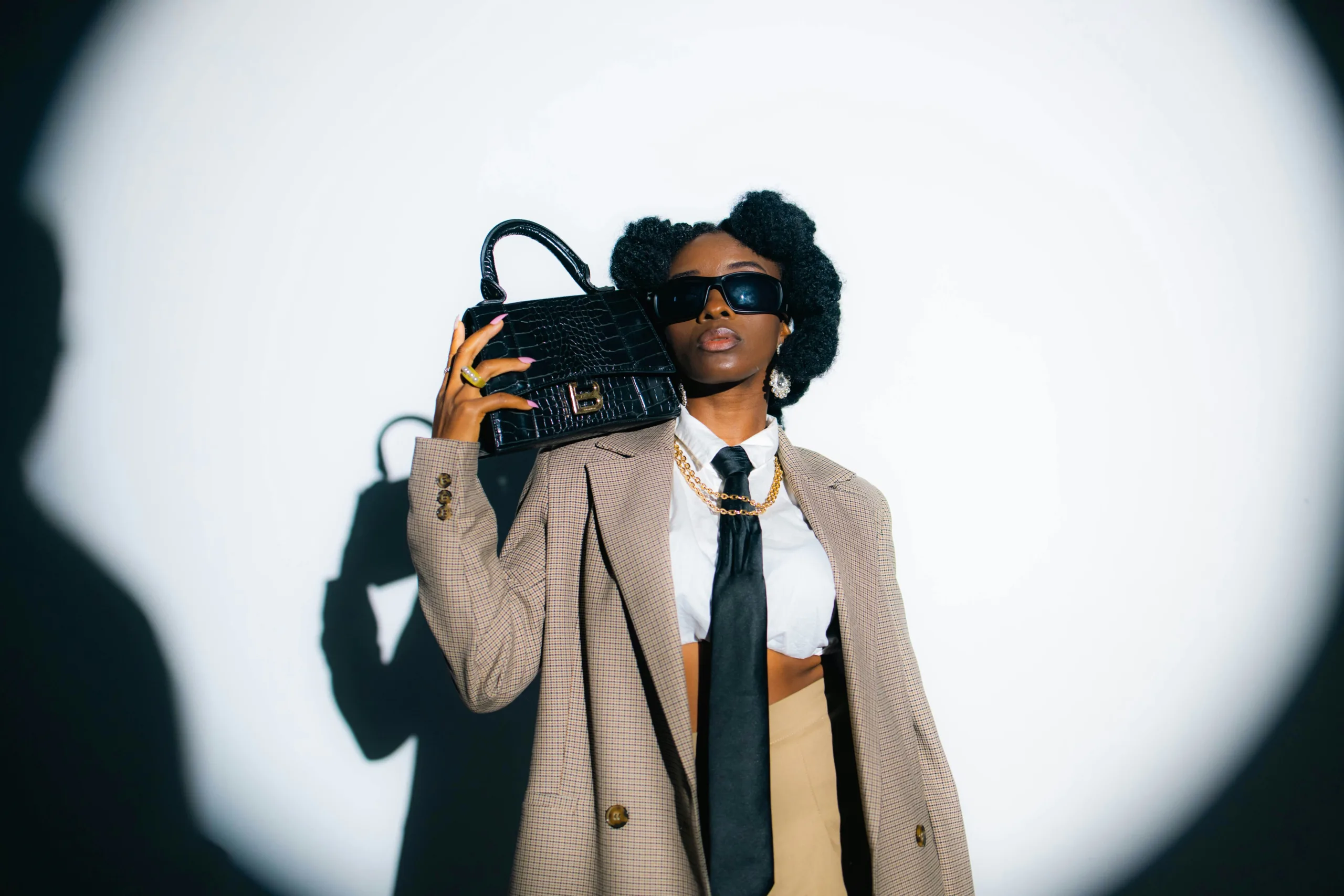
Even within the realm of luxury, there’s a vast spectrum of styles. A minimalist might gravitate towards a clean, unadorned Bottega Veneta Pouch, while someone with a bolder aesthetic might opt for a colorful Gucci Dionysus. The bag you choose is a conscious decision about how you want to present yourself.
Conforming or Deviating
Sometimes, a luxury bag is chosen to fit in with a certain social group or circle – a way to signal belonging. Other times, it’s used to intentionally stand out, to make a subversive statement, or to showcase a unique taste that deviates from the mainstream. It’s a tool for navigating social landscapes.
Emotional Connections and Memories
For many, a luxury bag isn’t just an item; it’s interwoven with significant life experiences.
Gifts and Milestones
Receiving a luxury bag as a gift for a graduation, promotion, or anniversary imbues it with sentimental value. It becomes a tangible reminder of a special moment or achievement, making it far more precious than its monetary worth.
Personal Narratives
Over time, these bags can accumulate stories. The scuff from that amazing trip, the slight wear from daily use during a significant life chapter – these imperfections add character and become part of your personal narrative. The bag becomes a silent witness to your life, carrying memories along with your essentials.


The Darker Side: Critiques and Contradictions
While celebrating their cultural significance, it’s also important to acknowledge the critiques and ethical considerations surrounding luxury designer bags.
Exclusivity and Inequality
The very nature of luxury often means it perpetuates a sense of “us vs. them,” highlighting economic disparities.
Class Divides
The high cost of luxury bags undeniably creates a barrier, making them inaccessible to the vast majority of the population. This exclusivity, while driving desirability, also reinforces class distinctions and can lead to feelings of inadequacy for those who cannot afford them. It’s a visible marker of economic inequality.
The “It Bag” Phenomenon
The constant churn of “It Bags” – the must-have item of a season – can create a consumerist frenzy. This encourages constant consumption and the idea that one must always keep up, fostering a culture of planned obsolescence even for items meant to be timeless.
Ethical Concerns and Sustainability
The pursuit of luxury can sometimes come at an environmental or social cost, raising important questions for conscious consumers.
Supply Chain Transparency
While many luxury brands tout their craftsmanship, the entire supply chain isn’t always fully transparent. There have been concerns in the past about labor practices, working conditions, and the sourcing of materials like exotic leathers. Consumers are increasingly demanding to know the origins of their purchases.
Environmental Impact
The production of leather, even high-quality leather, has an environmental footprint. The chemicals used in tanning, the water consumption, and the carbon emissions all contribute to ecological concerns. While some brands are making strides towards more sustainable practices, it remains a critical issue within the industry. The emphasis on newness also creates waste, even if the individual items are durable.
The Future of Luxury Bags: Evolving Significance
As society changes, so too does the role and meaning of luxury bags. Their cultural significance is not static.
Shifting Values
New generations are bringing new perspectives to how they view and interact with luxury.
Conscious Consumption
There’s a growing movement towards thoughtful purchasing, even in luxury. Consumers are asking more questions about sustainability, ethical production, and the longevity of items. This means brands need to adapt, not just rely on heritage and prestige, but also on responsible practices.
Second-Hand and Vintage Markets
The rise of luxury resale platforms has revolutionized access to designer bags. This makes luxury more attainable, extends the life cycle of products, and feeds into a more sustainable consumption model. It also means the cultural significance now includes the notion of circular fashion and the value of pre-loved items. Owning a vintage piece can be just as, if not more, prestigious than a brand new one.
The Digital Age and Virtual Luxury
The internet and virtual worlds are opening up entirely new dimensions for luxury.
Digital Collectibles
NFTs and virtual designer bags are emerging, allowing for ownership in the metaverse. While not physical, these digital items carry their own form of status and cultural weight within virtual communities. They represent a new frontier for aspiration and self-expression.
Influencer Culture
Social media influencers continue to shape trends and desirability. Their curated feeds showcase luxury bags in new contexts, often blending high fashion with everyday life, making it feel both aspirational and relatable, despite the price tags. This online presence further embeds luxury bags into our daily cultural landscape.
In conclusion, luxury designer bags are far from superficial objects. They are complex cultural artifacts, reflecting our notions of status, identity, craftsmanship, and societal change. From their historical roots in artisanal production to their modern-day presence in digital realms, they continue to be potent symbols, telling us a rich story about who we are and what we value.