The Ultimate Authority on Luxury Fashion Collections
May 31, 2026

So, what’s the real deal with the ultimate authority on luxury fashion collections? It’s not a single person or a dusty old book. Think of it more like a constantly evolving ecosystem, a blend of historical significance, runway innovation, the discerning eye of critics, the power of influencers, and the buying decisions of well-heeled shoppers. It’s a living, breathing entity that dictates trends, defines desirability, and ultimately shapes what we consider “luxury” in fashion.
When we talk about luxury fashion, it’s impossible to ignore the brands that have built their empires over decades, even centuries. These heritage houses are not just businesses; they are cultural institutions. Their history, their craftsmanship, and their consistent ability to reinvent themselves while staying true to their core DNA are what grant them a foundational level of authority.
The DNA of Dominance: Craftsmanship and Legacy
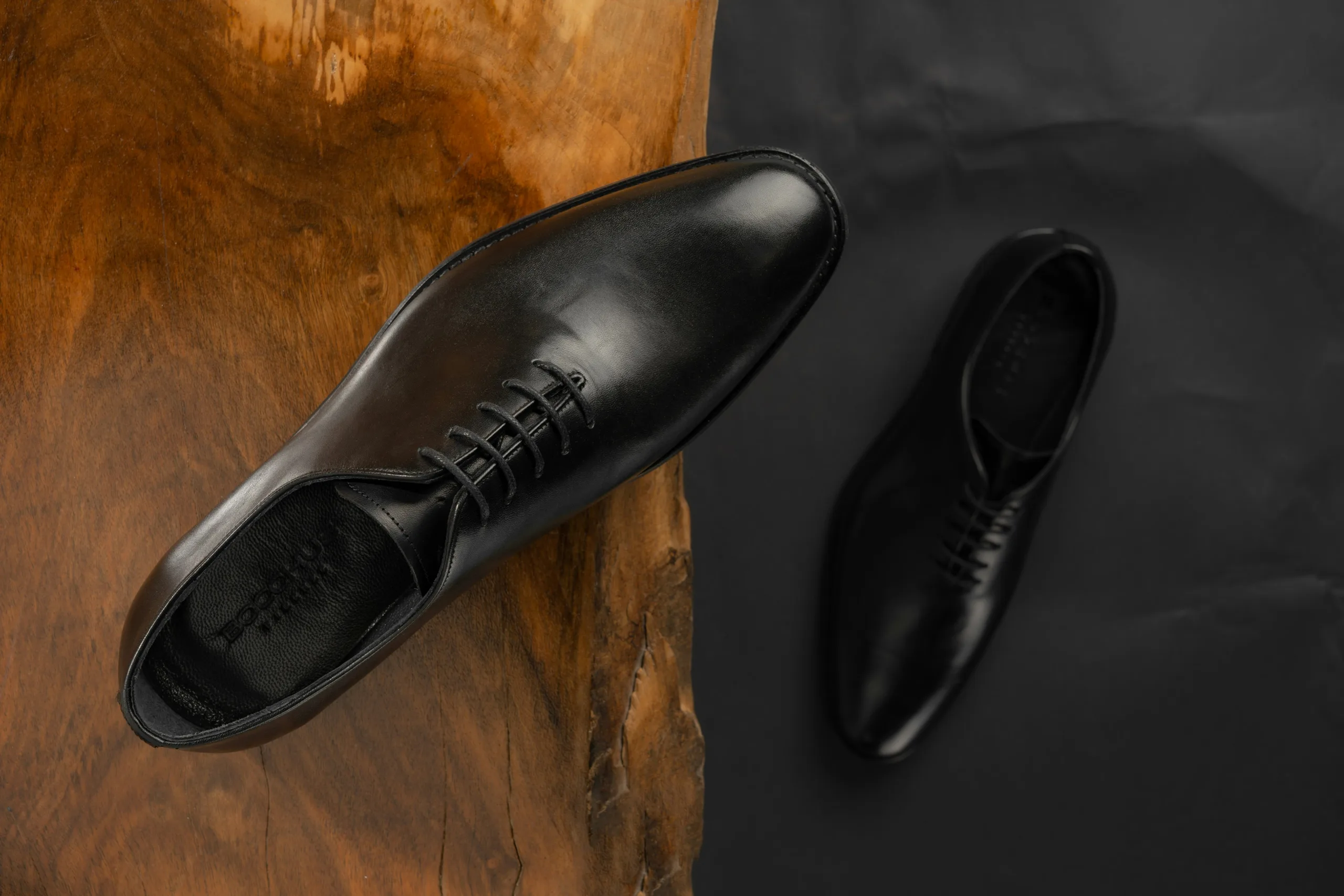
At the heart of these enduring brands lies an unwavering commitment to exceptional craftsmanship. Whether it’s the meticulous hand-stitching of a Chanel jacket, the precise leatherwork of Hermès, or the intricate embroidery of Dior, the quality is palpable. This dedication to artisanal skill isn’t just about making things look good; it’s about creating pieces that are built to last, imbued with a story and a sense of timeless value.
- Generational Expertise: Think about the generations of artisans who have honed their skills within these houses. This accumulated knowledge is a form of cultural capital that no newcomer can easily replicate.
- Material Mastery: The selection of the finest materials – silks, leathers, precious metals, and gemstones – is not accidental. It’s a deliberate choice that communicates quality and exclusivity.
- Iconic Silhouettes: Many heritage brands have signature silhouettes or designs that have become instantly recognizable. These icons are a testament to their enduring aesthetic vision and their ability to set trends that span generations.
The Evolution of Excellence: Staying Relevant
The true test of authority for these houses isn’t just their past glories; it’s their ability to adapt. Fashion is a forward-looking industry, and even the most traditional brands must embrace change to remain relevant. This involves understanding contemporary culture, embracing new technologies, and, crucially, appointing creative directors who can offer a fresh perspective.
- The Creative Director’s Crucible: The appointment of a new creative director is often a pivotal moment for a heritage brand. Their vision can either revitalize a house or lead it astray. The industry watches these appointments with bated breath, as they often signal shifts in aesthetic direction and future trends.
- Adapting to the Modern World: This includes everything from incorporating sustainable practices into their supply chains to creating digital experiences that engage a new generation of consumers.
- Maintaining a Balancing Act: The challenge for these brands is to innovate without alienating their loyal customer base or diluting the brand’s established identity. It’s a delicate dance between tradition and modernity.
The Cutting Edge: Runway as the Bellwether
The fashion runway is the primary arena where new ideas are born and where the future of luxury fashion is most visibly showcased. While the heritage houses set a baseline of authority, it’s the designers who push boundaries and introduce the truly novel that often capture the industry’s attention.
The Designers Driving Innovation
These are the individuals and teams who are not afraid to experiment. They challenge conventional aesthetics, play with proportions, and utilize materials in unexpected ways. Their collections are not just about clothes; they are statements, art pieces, and reflections of the current cultural zeitgeist.
- Visionary Architects of Style: Think of designers known for their avant-garde approach, their intellectual rigor, or their ability to sculpt fabric into something entirely new. They are the trendsetters, the ones whose ideas filter down through the industry.
- Thematic Storytelling: Many designers use their collections to tell stories, explore social issues, or comment on the world around them. This narrative depth adds another layer of authority to their work.
- The Power of Surprise: A truly memorable collection often contains an element of surprise – an unexpected silhouette, a daring color combination, or a novel use of material. This is what keeps the fashion world on its toes.
The Semiotics of the Show: Decoding the Collections
Fashion shows are more than just pretty models walking down a catwalk. They are meticulously staged events designed to convey a specific message and evoke a particular feeling. Understanding the nuances of these presentations is key to deciphering their authority.
- The Mood and Atmosphere: The choice of music, the lighting, the set design, and even the models’ walk all contribute to the overall mood. Is it serious, playful, ethereal, or gritty? This sets the tone for how the collection is perceived.
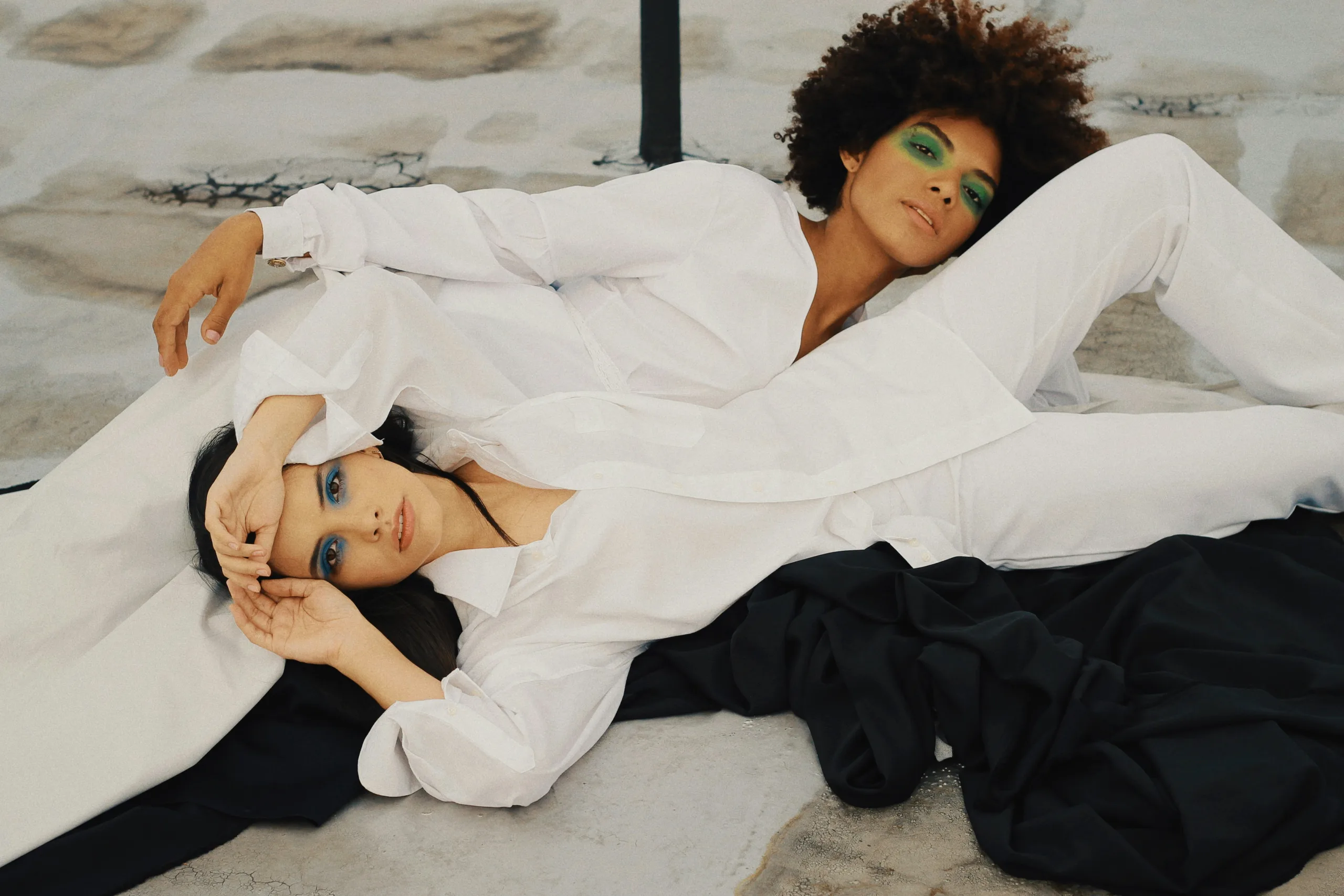
- The Stylist’s Hand: The stylist plays a crucial role in how a collection is presented. Their choices in layering, accessorizing, and hair and makeup can dramatically alter the interpretation of the garments.
- The Political and Social Undercurrents: Increasingly, fashion shows are becoming platforms for social and political commentary. Designers are using their collections to address issues of identity, inclusivity, and activism.
The Critics and Curators: The Voice of Informed Opinion
While designers create, and brands endure, it’s the critics and curators who shape the narrative around their collections. They act as interpreters, contextualizing the work within a broader historical and cultural landscape. Their informed opinions can elevate a collection from good to groundbreaking.
The Discerning Eye: Fashion Journalism and Analysis
Seasoned fashion journalists and critics possess a deep understanding of fashion history, textile innovation, and the business of luxury. They are tasked with analyzing collections, identifying emerging trends, and providing balanced perspectives.
- Historical Context: A critic can place a new collection within the lineage of a designer or a brand, highlighting influences and innovations. This depth of understanding is invaluable.
- Technical Acumen: A good critic can discuss the quality of fabrics, the precision of tailoring, and the ingenuity of construction in a way that resonates with both industry insiders and more informed consumers.
- Identifying Merit: They are the first line of defense against fleeting fads, helping to distinguish enduring style from ephemeral trends. Their endorsements can significantly influence brand perception.
The Museum of Modern Fashion: Curatorial Significance
Museums and curated exhibitions play a vital role in solidifying a designer’s or a brand’s place in fashion history. When a collection is deemed worthy of display in a prestigious institution, it elevates its status from mere apparel to artistic achievement.
- Preserving Fashion’s Milestones: Museums like the Metropolitan Museum of Art’s Costume Institute or London’s Victoria and Albert Museum are custodians of fashion history. Their exhibitions often highlight pivotal moments and influential designers.
- Articulating Artistic Vision: Curators have the ability to frame a designer’s work as art, exploring its conceptual underpinnings and its cultural impact.
- Longevity and Legacy: Inclusion in a museum exhibition grants a collection a form of immortality, ensuring its relevance and study for future generations.

The Influencer Effect: Shaping Desire and Accessibility
In the digital age, the authority of fashion collections is increasingly shaped by a new breed of tastemakers: fashion influencers. These individuals, with their vast online followings, have a direct line to consumers and possess a unique ability to translate runway trends into aspirational, yet often relatable, styles.
The Digital Discourse: Social Media as a Trend Incubator
Platforms like Instagram, TikTok, and YouTube have become powerful tools for disseminating fashion trends. Influencers, through their curated content, can amplify the reach of luxury brands and dictate what becomes desirable.
- Visual Storytelling: Influencers excel at presenting luxury fashion in lifestyle contexts, making it appear attainable and integrated into a desirable life.
- Personalized Endorsement: Unlike traditional advertising, influencer endorsements often feel more authentic and personal, fostering trust with their audience.
- Democratizing Access (to an Extent): While luxury remains exclusive, influencers can make the idea of luxury more accessible through aspirational content and styling tips.
Beyond the Hype: Authenticity and Influence
The true authority of an influencer lies in their authenticity and the genuine connection they have with their audience. Simply having a large following isn’t enough; it’s about the trust and engagement they have cultivated.
- Niche Expertise: Some influencers specialize in specific areas of fashion, offering a depth of knowledge that commands respect.
- Relatability Factor: The most influential often strike a balance between aspirational and relatable, showing how luxury can be integrated into real-life wardrobes.
- Driving Consumer Behavior: Brands often measure the success of influencer campaigns by the direct impact on sales and brand awareness, highlighting their tangible influence.
The Consumer’s Verdict: Demand as the Ultimate Judge
Ultimately, fashion collections, no matter how critically lauded or historically significant, must resonate with the consumer to hold true authority. The purchasing decisions of the global elite are a powerful indicator of what is truly valuable and desirable in the luxury market.
The Power of Purchase: What Becomes Iconic
When a collection sells out, garners significant media attention for its desirability, and creates a buzz that translates into tangible sales, its authority is cemented. This is the ultimate validation.
- Market Demand as a Measure: High demand for specific pieces or entire collections is a clear sign that a designer or brand has hit the mark.
- Investment Pieces: Luxury fashion is often seen as an investment. When consumers are willing to spend significant sums on pieces that they believe will retain their value, it signifies strong authority.
- Resale Value: The performance of luxury items in the resale market is another key indicator of enduring desirability and authority.
Loyalty and Brand Affinity: The Long Game
Beyond individual collections, the sustained loyalty of a customer base to a particular brand is a testament to its consistent authority. This loyalty is built on trust, quality, and an emotional connection.
- Repeat Customers: Brands with a high proportion of repeat customers demonstrate that they are consistently meeting and exceeding expectations.
- Brand Ambassadors: When consumers become vocal advocates for a brand, sharing their experiences and encouraging others to purchase, it’s a powerful form of organic authority.
- Cultural Resonance: The brands that become ingrained in the cultural consciousness, appearing in films, art, and popular discourse, have achieved a level of authority that transcends mere product.
In conclusion, the ultimate authority on luxury fashion collections isn’t a singular entity. It’s a dynamic interplay between the rich history of heritage houses, the innovative spirit of designers, the insightful analysis of critics, the amplified voice of influencers, and the undeniable power of consumer demand. It’s a complex, ever-shifting landscape where tradition meets innovation, and where the pursuit of beauty, craftsmanship, and cultural relevance constantly redefines what it means to be at the apex of luxury.