Opulent Elegance: Luxury Fashion Photography
May 31, 2026
Let’s talk about luxury fashion photography – what exactly is it? It’s more than just snapping a pretty picture. It’s about creating a visual narrative that evokes desire, aspiration, and a sense of timeless sophistication. Think of those ads you see that make you pause, not just because the clothes are stunning, but because they transport you to another world. That’s opulent elegance in action. It’s the art of translating the tactile luxury of high fashion into a compelling and unforgettable image.
Opulent elegance in luxury fashion photography is all about crafting an aura. It’s not merely showcasing a product; it’s about selling an experience, a lifestyle, a dream. This isn’t about making something look expensive for the sake of it; it’s about conveying quality, exclusivity, and a certain rarefied appeal that resonates with a discerning audience.
Beyond the Fabric: Conveying Value
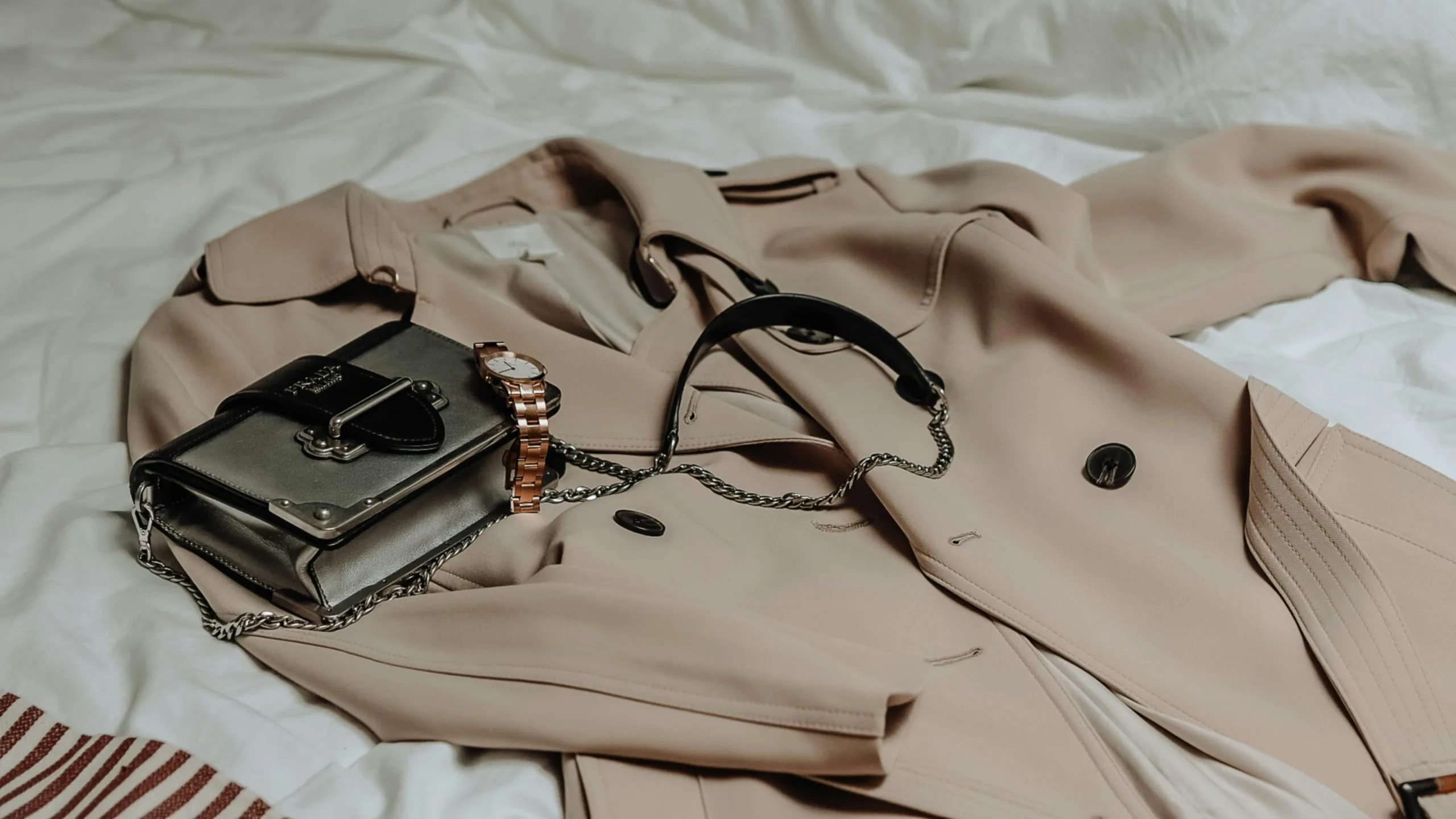
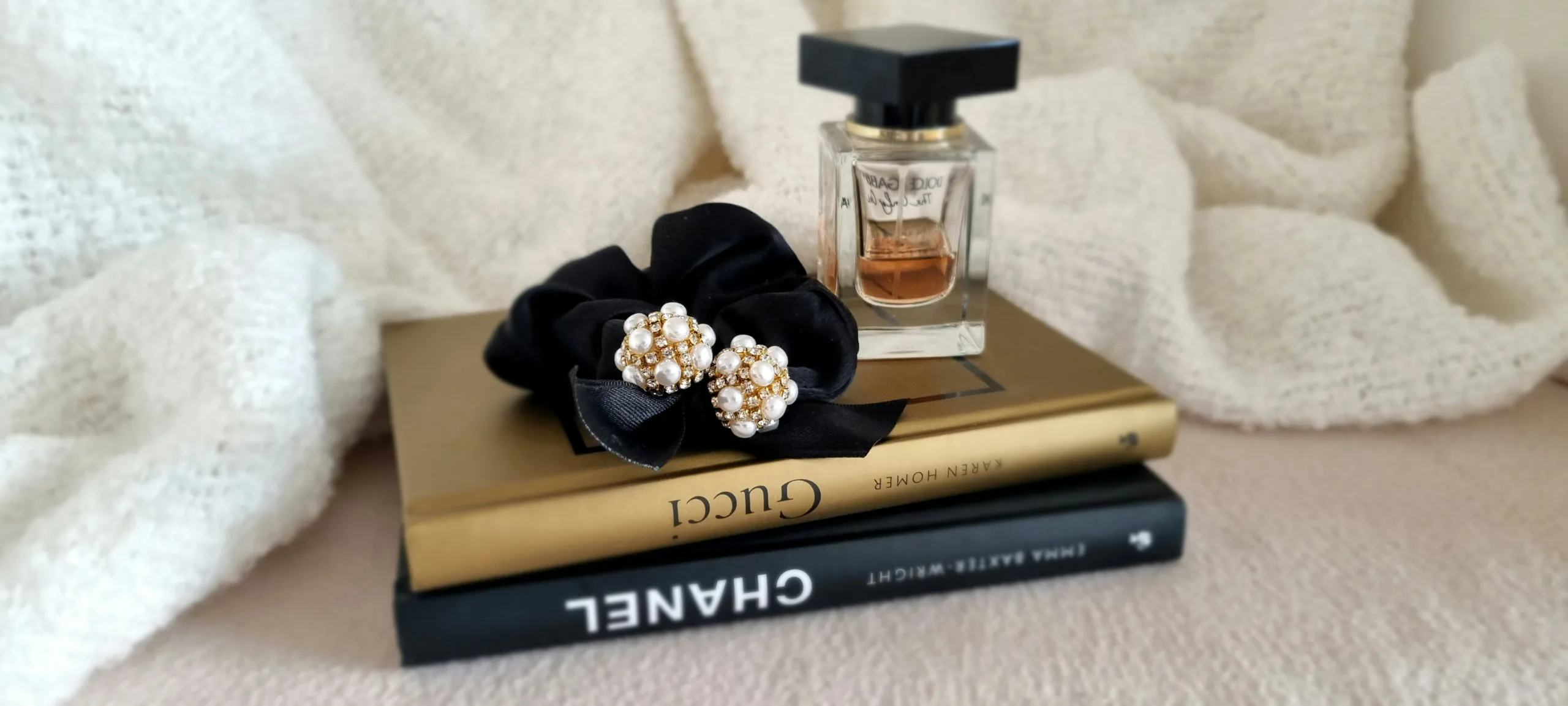
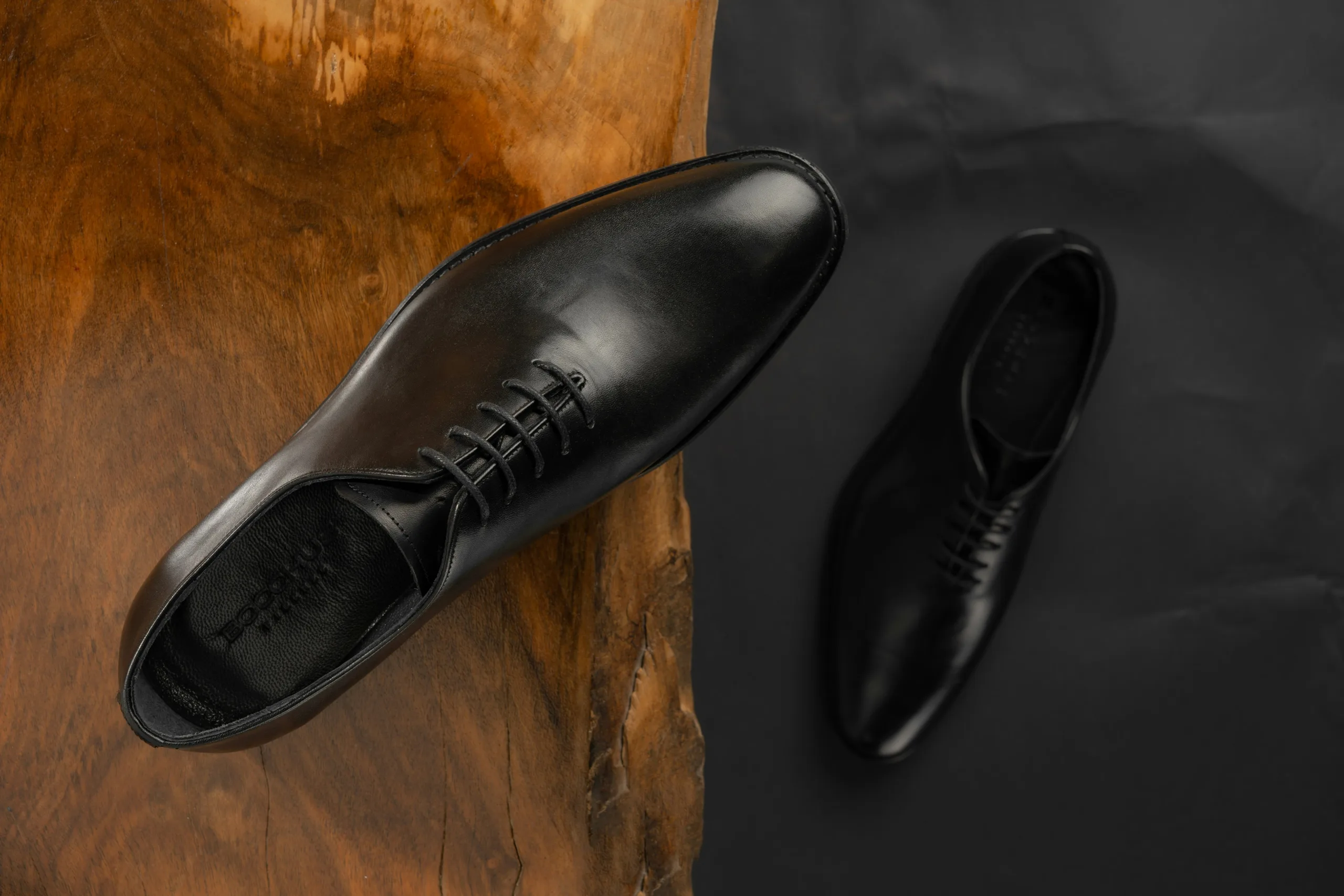
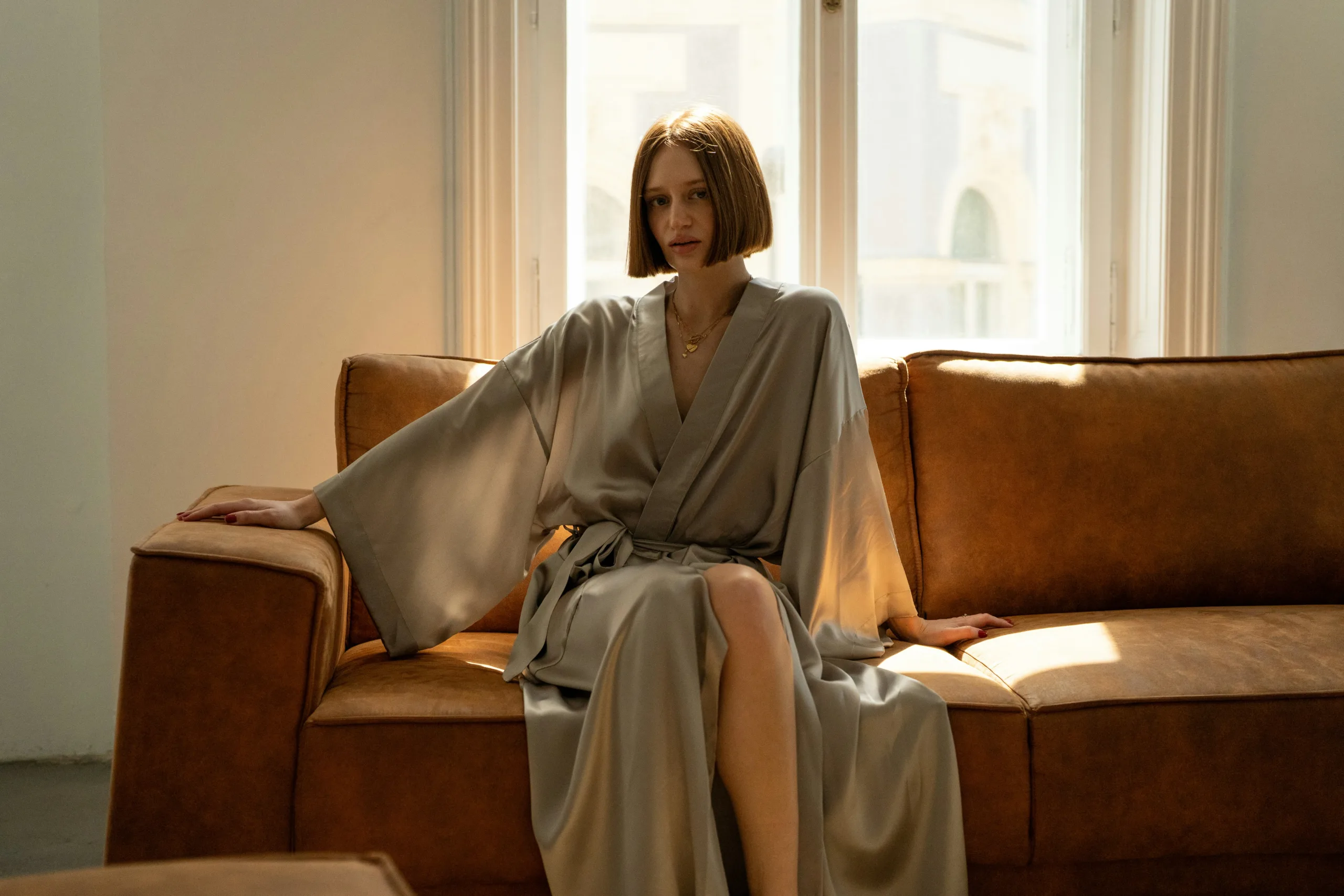
The core of opulent elegance lies in communicating not just the beauty of the garment but the inherent value embedded within it. This goes beyond the thread count or the stitching. It’s about the heritage of the brand, the artistry of the craftsmanship, the rarity of the materials, and the emotional connection a piece of luxury fashion can foster. Photographers have to translate these abstract qualities into something tangible and visually arresting. They need to capture the way fabric drapes, the subtle sheen of silk, the rich texture of leather, and the precision of a perfectly tailored seam. These details, when meticulously captured, speak volumes about the garment’s superior quality.
The Power of Aspiration
Luxury fashion photography is fundamentally aspirational. It taps into our desires for beauty, status, and a life well-lived. The imagery aims to make the viewer want to be in that world, to own that piece, to inhabit that persona. This is achieved through meticulous styling, carefully chosen locations, and a deliberate casting of models who embody the brand’s desired aesthetic. The photographs create a fantasy, a space where perfection is attainable, even if just in our imaginations. It’s about selling a feeling as much as a physical item.
Timelessness vs. Trend
While fashion is inherently tied to trends, opulent elegance in photography often leans towards a more timeless aesthetic. The aim is to create images that will still feel relevant and desirable years down the line, long after fleeting fads have faded. This means focusing on classic silhouettes, enduring beauty, and a sophisticated mood that transcends seasonal changes. The photographs should feel like art pieces, exuding a lasting appeal.
Crafting the Vision: The Photographer’s Role
The photographer is the linchpin in bringing opulent elegance to life. They are not just documenting; they are interpreting, curating, and creating a specific mood. Their choices in lighting, composition, and post-production are crucial in shaping the viewer’s perception.
The Art of Light and Shadow
Lighting is arguably the most powerful tool in a luxury fashion photographer’s arsenal. For opulent elegance, it’s rarely about harsh, direct light. Instead, think soft, diffused light that sculpts, highlights, and creates a sense of depth and dimension. This could mean working with natural light at the golden hour, using large softboxes, or employing intricate multi-light setups to mimic sophisticated interior lighting. The play of light and shadow can dramatically enhance the texture of fabrics, add a subtle glow to skin, and create a mood that feels both intimate and grand. Shadows can conceal as much as they reveal, adding an air of mystery and intrigue, which is often a hallmark of luxury.
Composition as Storytelling
Every element within the frame is carefully considered. Composition isn’t just about placing the subject in the center. It involves using leading lines, negative space, rule of thirds, and other photographic principles to guide the viewer’s eye and tell a compelling story. A vast, empty landscape can emphasize the isolation and exclusivity of a garment. A tightly cropped shot might focus on the intricate details of embroidery or a statement accessory. The background is never an afterthought; it’s an integral part of the narrative, chosen to complement or contrast with the fashion, further enhancing the overall message.
The Nuances of Color Palette
The color palette of a luxury fashion photograph is meticulously curated. It’s not just about vibrant hues; it’s about creating a specific mood and evoking certain emotions. Rich, saturated tones can convey boldness and drama, while muted, desaturated palettes can suggest understated sophistication and timelessness. The interplay of colors between the clothing, the model, and the environment is crucial. Sometimes, a completely monochromatic image can powerfully highlight texture and form, giving a sense of purity and focus.
Setting the Scene: Location and Environment
The environment in which a luxury fashion campaign is shot is as critical as the clothes themselves. It’s part of the storytelling, contributing to the overall atmosphere of opulence and exclusivity.
Architectural Grandeur
Think of the iconic luxury fashion campaigns shot against the backdrop of historic palaces, grand estates, or contemporary architectural marvels. These locations aren’t chosen randomly. They resonate with a sense of history, prestige, and artistic achievement. The scale and grandeur of the architecture can dwarf the human form, emphasizing the power and impact of the fashion, or it can seamlessly integrate with the designer’s vision, creating a harmonious symphony of visual elements. The juxtaposition of modern fashion against an ancient backdrop can be particularly striking, highlighting the timeless nature of both.
Evocative Natural Landscapes
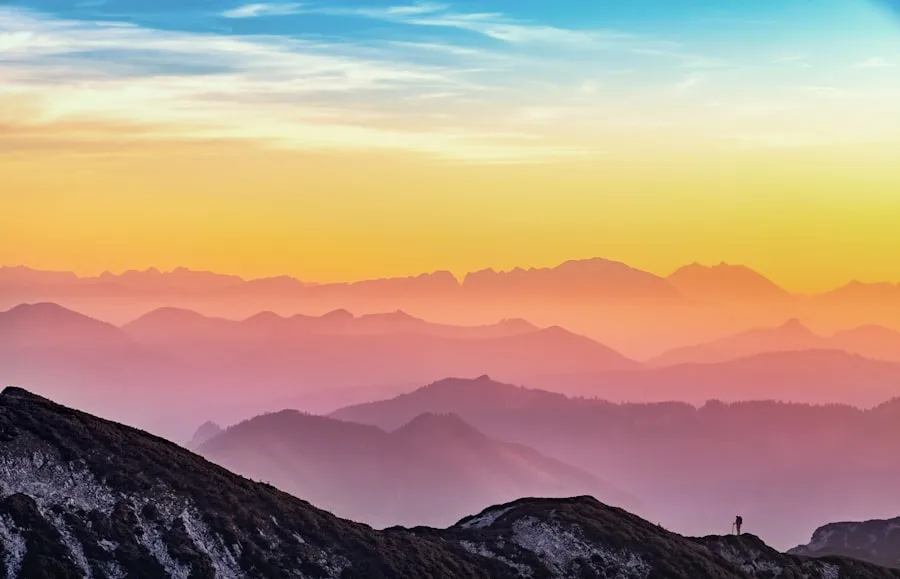
On the other hand, some of the most striking luxury photography utilizes breathtaking natural landscapes. Imagine a solitary figure amidst a dramatic desert vista, a windswept coastline, or a serene, snow-capped mountain range. These settings convey a sense of freedom, adventure, and an untamed, raw beauty that can be profoundly luxurious in its own way. The vastness of nature can make the statement piece of fashion feel even more significant, a singular element of human creation against the epic canvas of the earth.
The Intimacy of Interior Spaces
Not all opulent elegance requires vast landscapes. The intimate luxury of exquisitely decorated interiors can also be incredibly powerful. Think of tastefully appointed hotel suites, private art galleries, or sophisticated atelier spaces. These environments speak of comfort, refinement, and a curated lifestyle. The details within these spaces – antique furniture, fine art, ambient lighting – all contribute to a sense of lived-in luxury, making the fashion feel like a natural extension of this sophisticated world.

The Human Element: Models and Their Role
The model in a luxury fashion photograph is more than just a hanger for the clothes. They are the vessel through which the brand’s narrative is communicated. Their persona, their posture, and their expression all play a vital role.
The Persona of Perfection
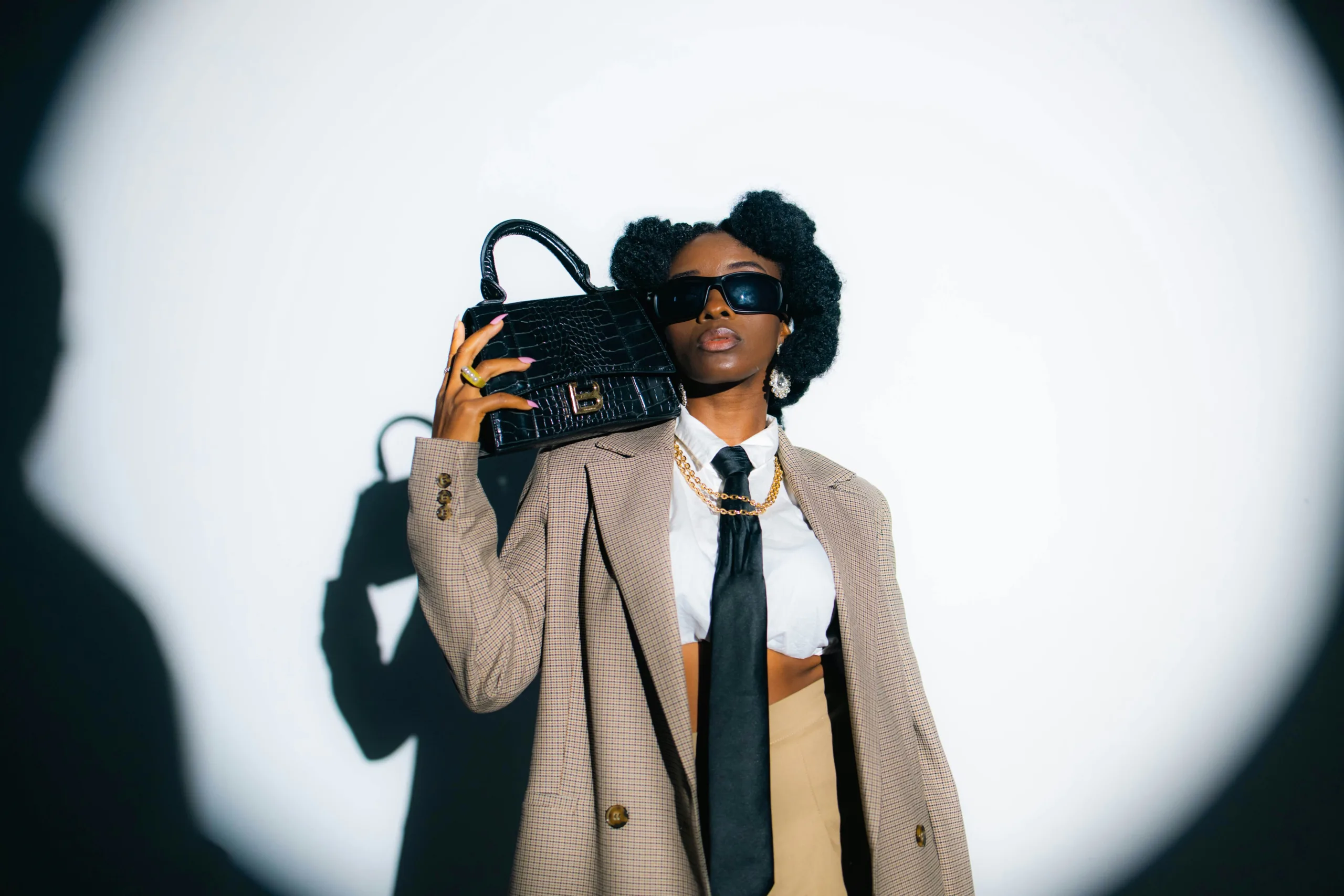
Luxury models are often chosen for their ability to embody a certain aspirational ideal. This doesn’t necessarily mean conventional beauty, although that is often a factor. It’s about possessing a unique presence, an aristocratic bearing, or an air of quiet confidence. Their gaze can be direct and commanding, or distant and contemplative, each conveying a different facet of the brand’s story. They must be able to convey emotion subtly, allowing the viewer to project their own desires onto them.
Gestures and Poses: The Language of Luxury
Even the subtlest gesture can convey a world of meaning. A perfectly arched eyebrow, the elegant way a hand rests on a hip, or the fluid movement of a garment are all carefully orchestrated. Poses are rarely casual. They are deliberate, designed to showcase the cut and drape of the clothing, highlight key design features, and convey a sense of grace and poise. The model’s body becomes an extension of the fashion, a living sculpture that brings the designer’s vision to life.
The Power of Expression
The model’s expression is a crucial element in conveying the mood and tone of the photograph. A serene smile can suggest contentment and effortless chic. A more serious, introspective look can evoke a sense of mystery or intellectual depth. The photographer and model work together to achieve an expression that aligns with the brand’s identity and the overall narrative of the campaign. It’s about conveying an emotion without being overly demonstrative, a subtlety that is often a hallmark of true luxury.
Post-Production: The Final Polish
The work doesn’t end when the shutter clicks. Post-production plays a vital role in refining the image and ensuring it meets the exacting standards of luxury fashion photography.
Retouching with Restraint
While retouching is an essential part of the process, in opulent elegance, it’s applied with extreme subtlety. The goal isn’t to create an artificial, airbrushed doll, but to enhance the inherent beauty of the subject and the garment. This might involve removing minor blemishes, smoothing out unintended creases in fabric, or subtly balancing skin tones. The aim is to elevate the existing perfection, not to create it from scratch. Over-retouching can quickly detract from the authenticity and tactile quality that luxury consumers crave.
Color Grading for Mood
Color grading is another powerful tool in post-production. It’s about fine-tuning the colors to achieve a specific mood and aesthetic. This could involve enhancing richness and saturation to make colors pop, or desaturating them for a more muted, sophisticated feel. The overall color balance of the image – from the warm tones of skin to the cool hues of a backdrop – is carefully adjusted to create a cohesive and impactful visual experience that aligns with the brand’s identity.
Maintaining Authenticity
Despite the technical enhancements, the ultimate goal of post-production in opulent elegance is to maintain a sense of authenticity. The viewer should still feel that they are looking at something real, something that can be experienced. The textures of the fabrics, the nuances of light and shadow, and the natural beauty of the model should all be preserved and amplified, rather than being masked by excessive digital manipulation. The illusion of perfection is built upon a foundation of reality, meticulously enhanced.
In conclusion, opulent elegance in luxury fashion photography is a multifaceted art form. It’s about understanding the essence of luxury, meticulously crafting a visual narrative, and employing every tool at the photographer’s disposal to evoke desire, aspiration, and a lasting sense of sophistication. It’s a delicate dance between the tangible product and the intangible dream, a testament to the power of imagery to transcend the everyday and transport us to a world of elevated artistry and refined beauty.