The Evolution of High-End Casual Luxury Streetwear
May 31, 2026
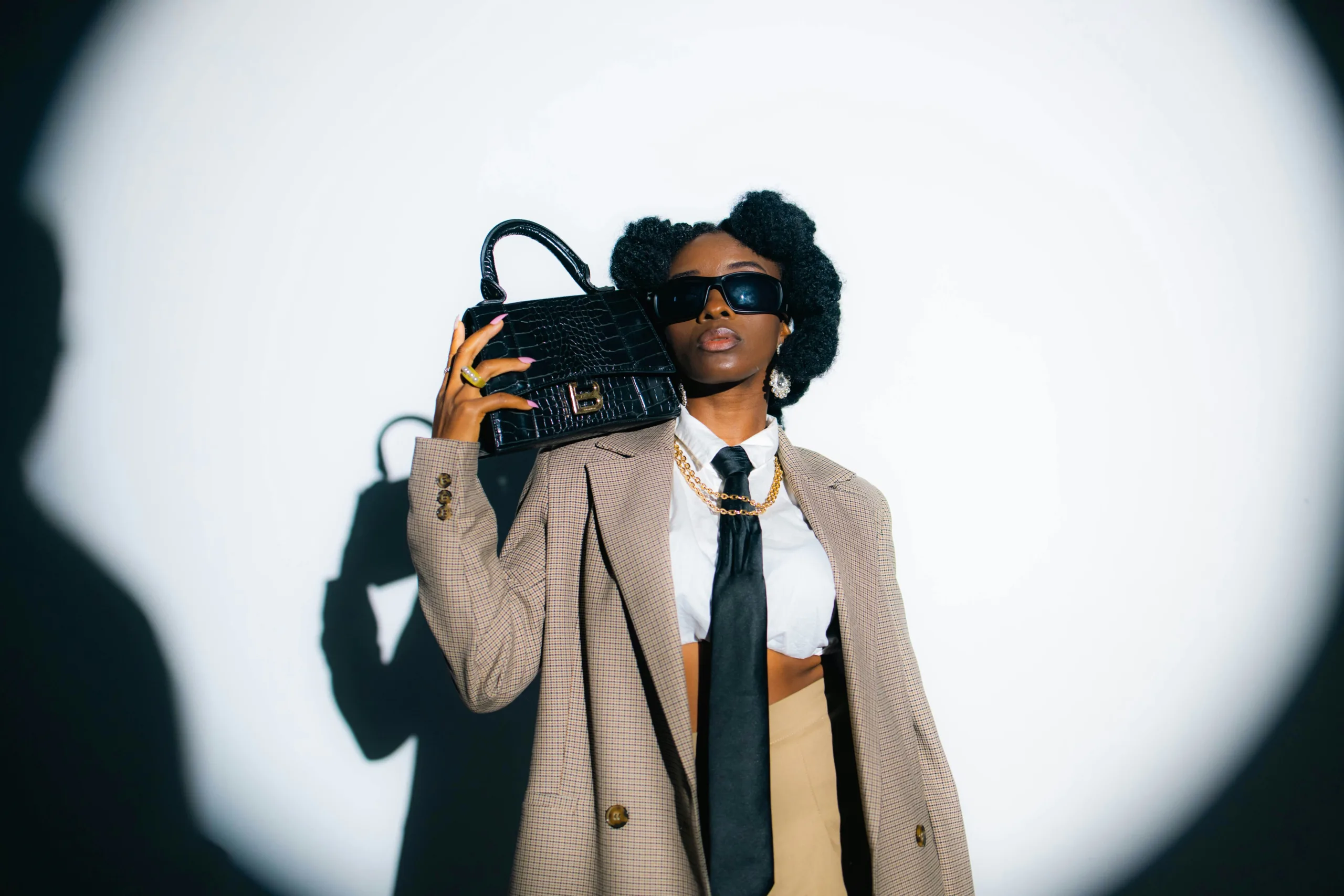
So, what exactly is high-end casual luxury streetwear? Simply put, it’s the sophisticated fusion of comfort and exclusivity, a blend of relaxed street style with luxurious materials and meticulous craftsmanship. It’s not about brand-snobbery or flashing logos; it’s about discerning quality, innovative design, and a certain understated coolness that comes from effortless style and knowing what you’re wearing is a cut above. Think elevated hoodies made from cashmere, tailored tracksuits, and sneakers that are more art than footwear.
Streetwear wasn’t always synonymous with luxury. Its origins are firmly rooted in counter-culture movements, born from the skate, surf, and hip-hop scenes of the late 20th century. It was an antidote to the stuffy formality of established fashion, a way for individuals to express themselves outside mainstream norms.
Skate and Surf Culture: The Genesis
In the 1970s and 80s, brands like Stüssy emerged from Californian surf and skate culture. Their graphic tees, hoodies, and workwear-inspired pieces weren’t about high fashion; they were about authenticity and representing a lifestyle. This early streetwear was practical, durable, and reflected the gritty, independent spirit of its wearers. It was about community and identity, worn by those who understood its unwritten rules.
Hip-Hop Pioneers and Brand Identity
The rise of hip-hop in the 80s and 90s acted as a powerful catalyst for streetwear’s evolution. Artists weren’t just wearing clothes; they were dictating trends and creating new cultural touchstones. Early adopters of brands like Tommy Hilfiger, Ralph Lauren (specifically Polo Sport), and later, FUBU and Sean John, gave streetwear a bolder, more aspirational edge. It was about making a statement, showcasing success, and aligning with a particular crew or aesthetic. This era saw a shift towards more pronounced branding and a desire for labels that spoke volumes.
Japanese Influence and Refinement
Around the same time, a nascent streetwear scene was blossoming in Japan, particularly in Tokyo’s Urahara district. Brands like A Bathing Ape (BAPE), Neighborhood, and Undercover brought a new level of meticulous design, limited-edition drops, and a discerning focus on quality. Japanese designers often reinterpreted American staples with a unique, minimalist, or highly detailed aesthetic. This marked a turning point, introducing the idea that streetwear could be meticulously crafted and highly sought after, fostering a culture of scarcity and hype that would become central to its future.
The Crossover Moment: High Fashion Takes Notice
For decades, there was a clear delineation between “high fashion” and “streetwear.” High fashion was about exclusivity, ateliers, and seasonal collections shown on runways. Streetwear was about accessibility, concrete, and subculture. But as the new millennium approached, those lines began to blur.
Designer Collaborations: Breaking Down Barriers
One of the most pivotal moments was the advent of high-profile collaborations. Louis Vuitton and Supreme’s 2017 collection is often cited as the ultimate example, but it wasn’t the first. Brands like Commes des Garçons had already been working with Nike for years, and designers like Raf Simons and Rick Owens were incorporating streetwear sensibilities into their collections. These collaborations legitimized streetwear in the eyes of the luxury world and introduced high fashion brands to a new, younger, and often more diverse audience. It was a win-win: streetwear gained unprecedented exposure and a seal of approval, while luxury brands tapped into a vibrant new market.
Streetwear Designers Ascend to Luxury Houses
The ultimate validation came when streetwear designers themselves were appointed to lead traditional luxury houses. Virgil Abloh’s appointment as Men’s Artistic Director at Louis Vuitton in 2018 was a watershed moment. His vision brought a fresh perspective, directly injecting streetwear aesthetics, cultural references, and a distinctly modern approach into one of the oldest and most revered luxury brands. Similarly, figures like Jerry Lorenzo of Fear of God, while not heading a legacy house, elevated his brand to a level of luxury comparable to established fashion brands through exquisite materials and sophisticated silhouettes. These designers weren’t just borrowing from streetwear; they were bringing its core ethos directly into the heart of luxury.
The Core Elements of Luxury Streetwear
What sets high-end casual luxury streetwear apart from its more affordable counterparts? It’s not just about a higher price tag. It’s a combination of intentional design choices, material selection, and a specific philosophy.
Materiality and Craftsmanship: Beyond the Basic Tee
This is perhaps the most defining characteristic. Forget flimsy cotton and mass-produced polyester. Luxury streetwear prioritizes premium fabrics:
- Cashmere and Merino Wool: Used for elevated hoodies, sweatpants, and knitwear, offering incredible softness, warmth, and drape.
- High-Quality Cotton: Supima or Egyptian cotton for tees and basics, ensuring durability, comfort, and a luxurious feel against the skin.
- Technical Fabrics: Think Gore-Tex, ripstop nylon, or innovative blends for outerwear, providing functionality like waterproofing, breathability, and durability without sacrificing style. This is about performance meeting aesthetics.
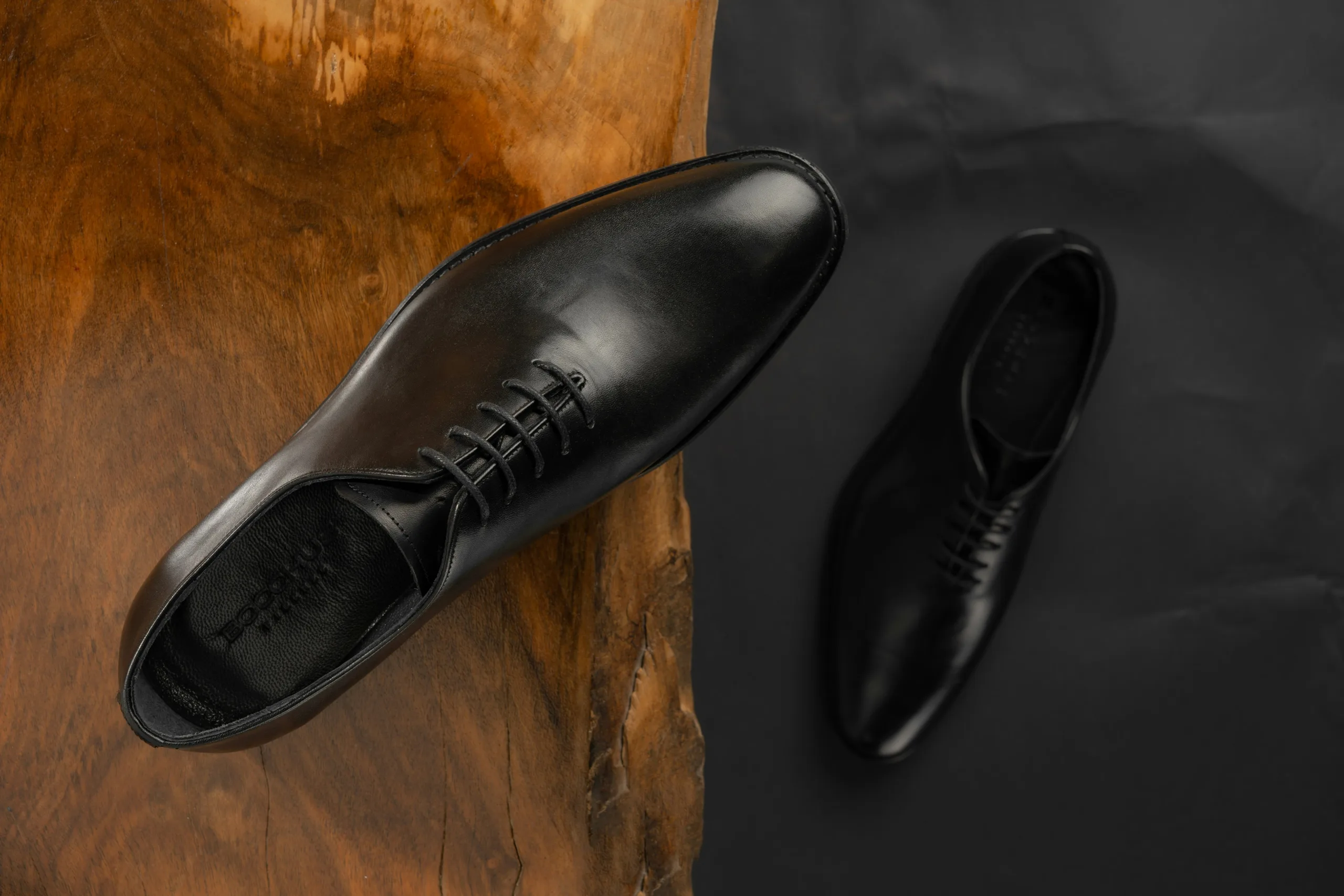
- Premium Leathers and Suedes: Used for sneakers, bags, and sometimes outerwear, chosen for their suppleness, durability, and natural beauty.
Craftsmanship is also paramount. This means meticulous stitching, thoughtful construction, and attention to detail that ensures garments not only look good but last for years. It’s the difference between a mass-produced item and something that feels intentionally made.
Elevated Silhouettes and Tailoring: Form Meets Function
While the emphasis is on “casual,” luxury streetwear isn’t sloppy. It often features:
- Refined Oversized Fits: A common streetwear aesthetic, but elevated with intentional tailoring to avoid looking ill-fitting. Shoulders drape perfectly, lengths are considered, and the overall proportion is balanced.
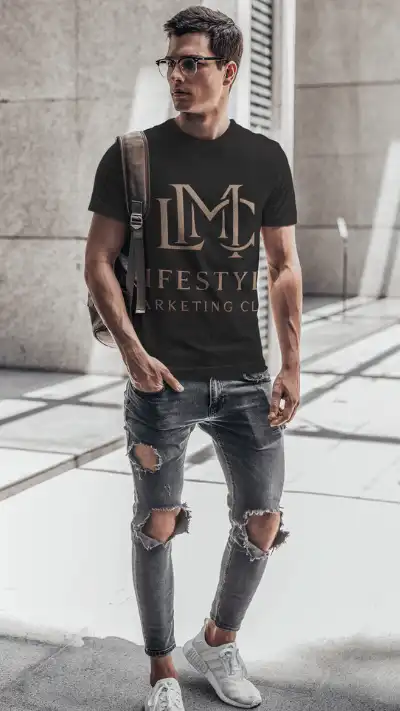
- Strategic Distressing: If present, distressing is often artfully done, appearing natural and considered rather than haphazard.
- Hybrid Designs: Blending elements of traditional tailoring with casual pieces – a blazer cut from a soft technical fabric, or tailored pants with an elasticated waistband, for instance.
- Thoughtful Layering: Pieces are designed to be layered seamlessly, often featuring varied textures and subtly contrasting colors to create depth in an outfit.
Subtlety vs. Statement: The Branding Evolution
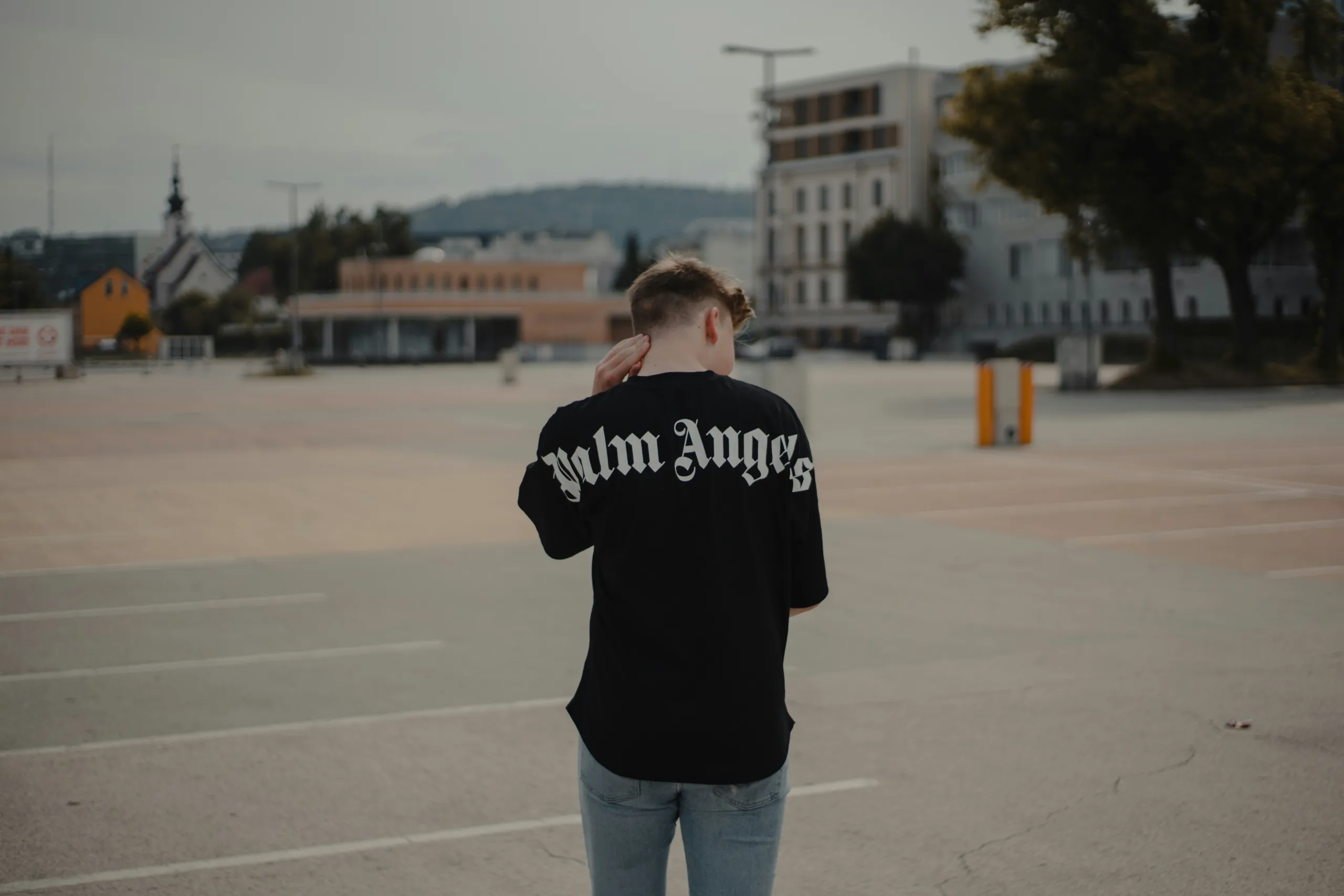
Early streetwear was often loud with visible logos. While some luxury streetwear still features prominent branding, there’s also a strong move towards a more understated approach.
- Minimalist Branding: Logos might be small, tone-on-tone, or strategically placed in an unexpected spot. The quality of the garment often speaks for itself.
- Unique Graphics and Artwork: Rather than just a brand name, designs might feature bespoke artwork, intricate embroidery, or thought-provoking prints that become the focal point.
- Brand Recognition Through Design: For many luxury streetwear brands, their aesthetic – a specific cut, fabric choice, or color palette – is recognizable without needing an overtly visible logo. It’s an “if you know, you know” approach.
Rarity and Exclusivity: The Hype Machine
The limited-edition drop model, popularized by brands like Supreme and the Japanese brands, has been fully embraced by luxury streetwear.
- Limited Runs: Producing fewer units creates scarcity, driving demand and perceived value.
- Exclusive Drops: Releasing products on specific dates and times, often online, creates a sense of urgency and competition among buyers.
- Collaborations: Partnerships with artists, other brands, or cultural icons generate buzz and unique items that are highly sought after.
This model transforms clothing into collectible items, fueling a vibrant secondary market and making each acquisition feel like a win.

The Influence on Mainstream Fashion
High-end casual luxury streetwear hasn’t just carved out its own niche; it has profoundly reshaped the broader fashion landscape. Its impact is visible everywhere, from department store racks to haute couture runways.
The Casualization of Luxury
One of the most significant impacts is the widespread casualization of luxury goods. Suits and formal wear, while still relevant, are no longer the absolute benchmark of sophistication. Sneakers are now acceptable, even desirable, with formal attire. Hoodies are designed to be worn in boardrooms (for certain industries). The emphasis has shifted from rigid formality to sophisticated comfort. The idea that luxury can and should be comfortable and versatile for everyday life has become pervasive.
The Rise of Athleisure as a Lifestyle
Luxury streetwear heavily contributed to the athleisure boom. It took athletic wear – tracksuits, joggers, performance fabrics – and elevated them to fashion statements suitable for more than just the gym. This created an entire category of clothing that blends athletic functionality with everyday style, prioritizing comfort and ease without sacrificing a polished look. It’s about looking good while moving through life effortlessly.
Shifting Consumer Perceptions and Values
Consumers, particularly younger generations, are less interested in traditional symbols of status. They prioritize authenticity, sustainability (though this is an ongoing challenge for the industry), and garments that reflect their personal values and lifestyle. Luxury streetwear resonates with this desire for self-expression, comfort, and a sophisticated approach to everyday dressing. It’s about investing in pieces that feel good, look good, and align with a personal aesthetic, rather than simply conforming to societal expectations of luxury. This shift in values has forced traditional luxury brands to re-evaluate their offerings and marketing strategies.
The Future of High-End Casual Luxury Streetwear
Like any fashion movement, high-end casual luxury streetwear is constantly evolving. What might the next chapter look like?
Sustainability and Ethical Production
As consumers become more aware of fashion’s environmental and social impact, there’s growing pressure on brands, including luxury streetwear, to adopt more sustainable practices.
- Recycled Materials: Utilizing post-consumer waste transformed into high-quality textiles.
- Upcycling and Reparation: Creating new pieces from existing garments or offering repair services to extend product lifespans.
- Transparent Supply Chains: Brands providing clear information about where and how their products are made, ensuring fair labor practices.
The challenge will be to integrate these practices without compromising the sense of exclusivity and quality that defines luxury streetwear.
Digital Innovation and the Metaverse
The digital realm offers exciting new avenues for luxury streetwear.
- NFTs and Digital Collectibles: Exclusive digital clothing or accessories that can be “worn” in virtual environments or serve as ownership proofs.
- Virtual Try-Ons: Augmented reality tools allowing customers to virtually try on garments before purchasing.
- Gaming Collaborations: Designing skins or virtual apparel for popular video games, further blurring the lines between physical and digital fashion.
These innovations could create entirely new forms of product, ownership, and community around luxury streetwear brands.
A Focus on Longevity and Timelessness
While hype and drops will likely remain, there’s an increasing desire for pieces that transcend fleeting trends.
- Investment Pieces: Customers seeking luxury streetwear that is built to last, both in terms of durability and aesthetic relevance.
- Seasonless Collections: Moving away from traditional seasonal cycles to offer more evergreen core pieces that can be worn year-round.
- Versatile Design: Pieces that can be dressed up or down, integrated into various personal styles, and continue to feel current over time.
This suggests a maturing of the market, where discerning consumers are looking for enduring value rather than just the next big thing.
In essence, high-end casual luxury streetwear is more than just a trend; it’s a fundamental shift in how we perceive and consume fashion. It’s about comfort meeting impeccable design, subculture elevated to global influence, and a future where sophistication is no longer synonymous with stiffness. It’s about dressing with intention, expressing identity, and understanding that true luxury often lies in the effortless blend of artistry and everyday wearability.