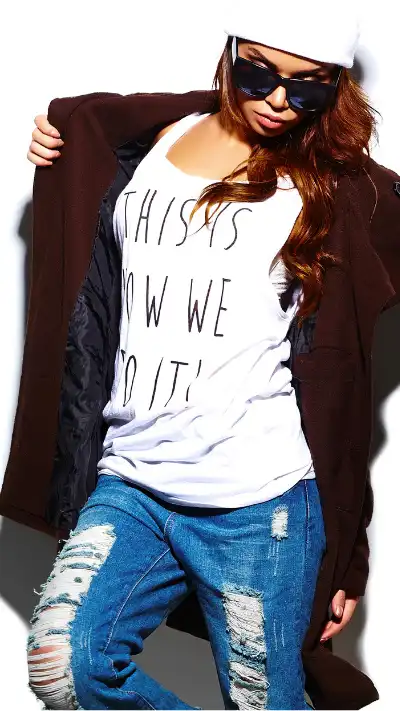
Experience Luxury: Live Digital Runway Fashion Shows
May 31, 2026
Digital runway fashion shows aren’t just a fleeting trend born from necessity; they’re a genuine evolution in how we experience luxury fashion. They’ve flung open the velvet ropes, allowing unprecedented access to a world once reserved for a select few. Instead of being an exclusive, in-person event, these virtual spectacles deliver high-end design straight to your screens, whether you’re at home in your pajamas or catching a glimpse on your commute. It’s about more than just watching clothes; it’s about a new way to engage with creativity, craftsmanship, and the very essence of a brand.
The idea of a digital fashion show might seem relatively new, but the seeds were planted long before the recent global events accelerated their adoption. Designers and brands have always flirted with technology to enhance their presentations, from elaborate stage designs to interactive elements.
From Live Streams to Immersive Worlds
Remember when live streaming a runway show was considered groundbreaking? Brands would simply point a camera at the catwalk and hope for the best. While a step forward, it often lacked the polish and dynamic experience of being there. Today, we’re seeing a shift towards highly produced, often cinematic experiences. These aren’t just recordings; they’re thoughtfully crafted pieces of digital content designed to tell a story. Think less “documentary” and more “short film.”
Beyond the Front Row: A Global Audience
One of the most significant impacts of digital shows is their ability to reach a truly global audience. A traditional fashion show might host a few hundred, even a thousand, guests. A digital show can be viewed by millions worldwide simultaneously. This democratizes access in a way that was previously unimaginable, allowing fashion enthusiasts from Mumbai to Milwaukee to experience the latest collections alongside industry insiders.
The Art of Digital Storytelling
Luxury fashion has always been about storytelling. It’s not just about the garments themselves, but the inspiration, the craftsmanship, the vision of the designer, and the lifestyle it represents. Digital platforms offer new and exciting ways to convey these narratives.
More Than Just Clothes: Setting the Scene
A physical runway show relies heavily on its venue, lighting, and music to set the mood. Digital shows have the freedom to create entirely new worlds. Brands are leveraging CGI, virtual reality, and intricate visual effects to transport viewers to fantastical landscapes, historical settings, or futuristic cityscapes – places that simply wouldn’t be possible in a physical space. This allows for a deeper exploration of the collection’s theme and inspiration.
Intimate Perspectives and Close-Ups
In a traditional show, unless you’re front row, it can be hard to appreciate the intricate details of a garment. Digital shows can offer multiple camera angles, slow-motion replays, and extreme close-ups, allowing viewers to truly examine the fabric, the embellishments, and the construction. This level of detail enhances the perception of luxury and craftsmanship. It’s like having a personal tour of each piece.
Behind the Scenes Access, Virtually
Many digital presentations now incorporate elements that give viewers a peek behind the curtain – interviews with designers, glimpses into the atelier, or explanations of the creative process. This humanizes the brand and strengthens the connection with the audience, offering a richer, more engaging experience than just watching models walk by. It’s an opportunity to understand the “why” behind the “what.”
Breaking Down Barriers: Accessibility and Inclusivity
Digital luxury fashion shows are inherently more accessible and inclusive than their physical counterparts, opening doors that were once firmly shut.
Geographic and Financial Accessibility
Attending a physical luxury fashion show requires significant financial investment (travel, accommodation, tickets if even available) and often an invitation. Digital shows eliminate these barriers entirely. Anyone with an internet connection can tune in, regardless of their location or economic status. This accessibility fosters a more diverse and engaged audience. It’s no longer about who you know, but about your interest in fashion.
Beyond the Industry Elites
Traditionally, fashion week was a highly exclusive affair, dominated by buyers, journalists, and a handful of celebrities. Digital shows have broadened this audience to include students, aspiring designers, and general fashion enthusiasts. This wider reach can inspire new talent and foster a more vibrant and democratic fashion conversation. It’s about building a community, not just an echo chamber.
Inclusivity in Storytelling
With the freedom of digital platforms, brands can also be more inclusive in their casting and storytelling. Without the constraints of a physical runway, there’s greater opportunity to feature diverse body types, ethnicities, and gender identities, reflecting a more realistic and representative vision of luxury. This moves beyond tokenism towards genuine representation.

The Business of Digital Luxury: Beyond the Glamour
While the artistic and experiential aspects are compelling, digital luxury fashion shows also offer significant practical benefits for brands.
Data and Analytics: Understanding Your Audience
Unlike physical shows, digital presentations generate a wealth of data. Brands can track viewership, engagement rates, geographic distribution of their audience, and even sentiment analysis from social media comments. This information is invaluable for understanding who their audience is, what resonates with them, and how to tailor future marketing efforts. It’s intelligence that was previously only dreamt of.
Cost Efficiency (Potentially)
While elaborate digital productions can be expensive, they often eliminate many of the significant costs associated with physical shows: venue rentals, logistics for models and staff travel, set construction and dismantling, and catering for hundreds of guests. Brands can reallocate these resources into creating high-quality digital content and engaging marketing campaigns. It’s a strategic shift in investment.
Extended Shelf Life and Reusability
A physical fashion show is a fleeting moment; once it’s over, it’s archived. Digital shows, however, live on. The content can be repurposed for social media, website features, advertising campaigns, and even educational materials. This extended shelf life maximizes the return on investment for the production and keeps the collection relevant for a longer period. It’s evergreen content, continually engaging.
Direct-to-Consumer Engagement
Digital shows facilitate a more direct connection between brands and consumers. Viewers can often interact with the show in real-time, through comments or polls, and many brands now integrate “shop the look” features directly into their digital presentations. This immediacy shortens the path from inspiration to purchase. It’s about convenience and instant gratification in a luxury context.
The Future is Hybrid: Blending Physical and Digital
While digital shows have proven their immense value, it’s unlikely they will completely replace physical runway events. The future of luxury fashion presentations is most likely a thoughtful blend of both.
The Enduring Appeal of the Physical Experience
There’s an undeniable allure to a physical fashion show – the energy of the crowd, the tactile experience of the garments, the buzz of networking. For VIPs, press, and buyers, these in-person interactions remain crucial for building relationships and experiencing the collection firsthand. The sensory experience of a physical show is hard to fully replicate digitally.
Digital as an Extension, Not a Replacement
Instead of being one or the other, digital shows will increasingly serve as powerful extensions of physical events. Brands might host an exclusive physical show for a limited audience while simultaneously broadcasting a highly produced digital version with enhanced features for a global audience. This allows them to cater to different needs and maximize reach. It’s about synergy.
Sustainable Practices
The shift towards digital also aligns with a growing emphasis on sustainability within the fashion industry. Reducing travel for attendees, models, and production teams can significantly lessen the carbon footprint associated with fashion weeks. While digital productions still have an energy cost, they generally offer a more environmentally friendly alternative to constant global travel. It’s a conscious choice for a better future.
Innovation Driving Engagement
The continuous evolution of technology – from more sophisticated AR and VR experiences to truly interactive digital environments – will only further enhance the potential of digital fashion shows. We can expect more personalized viewing experiences, opportunities for direct digital try-on, and even co-creation elements where viewers can influence aspects of a digital collection. The boundaries are constantly being pushed, leading to ever more inventive ways to engage and delight.
In essence, digital runway fashion shows have transformed luxury fashion from a closed-off spectacle to an open, engaging, and innovative experience. They haven’t just adapted to changing circumstances; they’ve redefined what’s possible, democratizing access while pushing the boundaries of creativity and technology. It’s a compelling new chapter for an industry that thrives on innovation and storytelling.