The Power of Luxury Fashion Brands: Editorial
May 31, 2026
Luxury fashion brands build their power on more than just beautiful clothes. They’re masters of creating desire, crafting narratives, and fostering a sense of belonging that goes far beyond the price tag. Essentially, their power lies in their ability to tap into our aspirations and emotions, making them more than just producers of garments; they become symbols of status, taste, and even identity.
Luxury brands don’t just are exclusive; they actively work to maintain that perception. It’s a meticulously constructed halo that elevates them above the everyday.
Scarcity as a Selling Point
One of the most effective tools in their arsenal is scarcity. This isn’t about genuinely running out of materials; it’s about artificial limitations designed to fuel demand. Limited edition runs, capsule collections, and even long waiting lists for certain coveted items all contribute to this. When something is hard to get, it automatically feels more desirable. It’s basic psychology: the forbidden fruit is always the sweetest. This scarcity translates into status for the owner. Owning something rare means you’ve gained access to something others haven’t, a subtle but powerful differentiator.
The Price of Prestige
The deliberately high price point of luxury goods is a cornerstone of their power. It’s not just about covering costs; it’s a signal. A high price communicates quality (even if not always objectively superior), craftsmanship, and, most importantly, exclusivity. It filters out those who can’t afford it, reinforcing the idea that these items are for a select few. This price tag acts as a barrier to entry, and for those who can cross it, it confers a sense of achievement and belonging to an elite group. It’s a form of social signaling that wealth and taste are intertwined.
Distribution Control: A Tight Grip
Luxury brands are very careful about where and how their products are sold. You’re unlikely to find a mainline Louis Vuitton bag in a discount department store. Their distribution is tightly controlled through flagship boutiques, select high-end retailers, and their own carefully curated e-commerce platforms. This ensures the brand image is maintained at every touchpoint and prevents unauthorized markdowns that could devalue the product. Every interaction, from entering a store to receiving a package, is designed to feel special and reinforce the brand’s elevated status.
The Art of Storytelling: Weaving Narratives of Desire
Luxury brands are not just selling products; they’re selling dreams. Their power is deeply rooted in their ability to craft compelling narratives that resonate with consumers on an emotional level.
Heritage and Legacy as Foundations
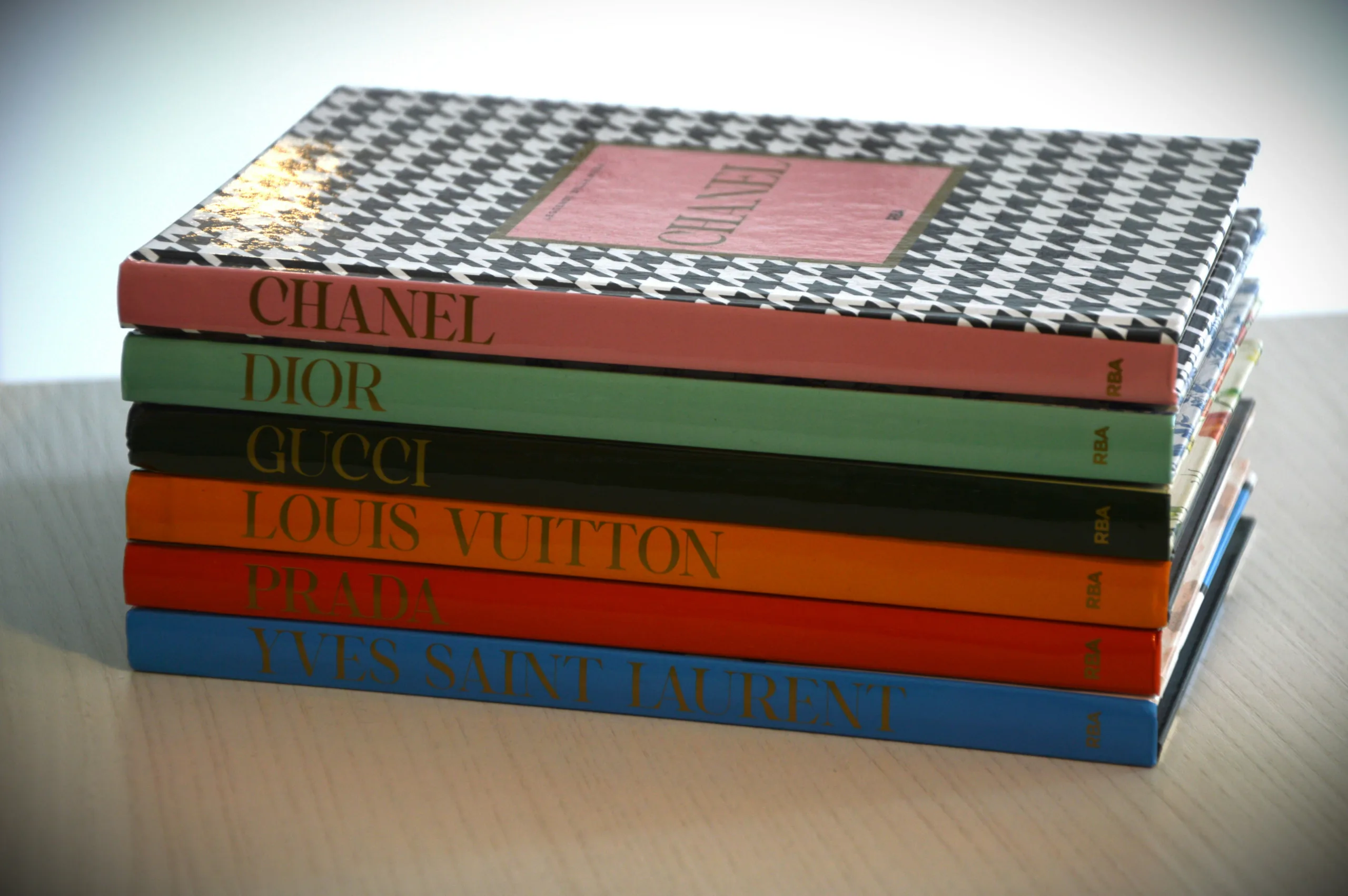
Many luxury brands draw significant power from their long histories. Brands like Chanel, Dior, and Hermès are not just names; they are repositories of decades, even centuries, of craftsmanship, innovation, and cultural influence. This heritage provides an inherent sense of gravitas and authenticity. When you buy a piece from a brand with a rich past, you’re not just buying a new item; you’re buying into a lineage, a tradition of excellence. This legacy is communicated through carefully curated archival imagery, historical anecdotes in marketing, and even the preservation of traditional techniques. It’s a story of enduring quality and timeless appeal.
The Master Craftsman and Unseen Labor
A key part of the luxury narrative is the emphasis on craftsmanship. The idea of skilled artisans painstakingly creating each piece by hand evokes a sense of dedication, artistry, and attention to detail that mass-produced goods simply can’t replicate. This meticulous labor is often highlighted, even if the actual proportion of handmade work is small. It allows consumers to imagine the dedication and skill that went into their purchase, adding to its perceived value and the emotional connection they feel towards it. Stories of ateliers, specialized techniques, and generations of expertise all contribute to this aura.
The Celebrity Endorsement Ecosystem
Celebrities are powerful ambassadors for luxury brands. Their association lends credibility, aspirational qualities, and a certain aspirational coolness. It’s not just about seeing a star wear a dress; it’s about the carefully selected partnerships that align with the brand’s image and target audience. This is a symbiotic relationship: the brand gets exposure and association with glamour, and the celebrity gets access to high-profile fashion and often lucrative endorsement deals. The careful selection of who represents a brand can significantly influence its perception. It taps into our desire to emulate those we admire.
Cultivating Community and Belonging: The Club Membership
Luxury brands offer more than just goods; they provide a sense of belonging to an exclusive community, a tribe of like-minded individuals who appreciate the same values and aesthetics.
Membership has its Privileges: Loyalty Programs and Events
While not always overtly advertised as “loyalty programs” in the traditional sense, luxury brands meticulously cultivate relationships with their best customers. This can manifest as exclusive invitations to private events, early access to new collections, personalized styling services, and even bespoke customization options. These are often reserved for top-tier clients, reinforcing the idea of an inner circle. It’s about making loyal customers feel valued and special, fostering a deep emotional connection that transcends transactional relationships. These are not just perks; they are markers of belonging.
The Digital Enclave: Social Media and Online Communities
In the digital age, this sense of community extends online. Luxury brands leverage social media not just for marketing but for fostering interaction and a sense of shared passion among their followers. Carefully curated Instagram feeds, engaging TikTok content, and even private online forums create spaces where fans can connect, share their purchases, and discuss their admiration for the brand. This digital community can be powerful in reinforcing brand loyalty and creating a sense of shared identity among consumers worldwide. It’s about creating a shared experience around the brand.
The Status Symbol as a Social Signal
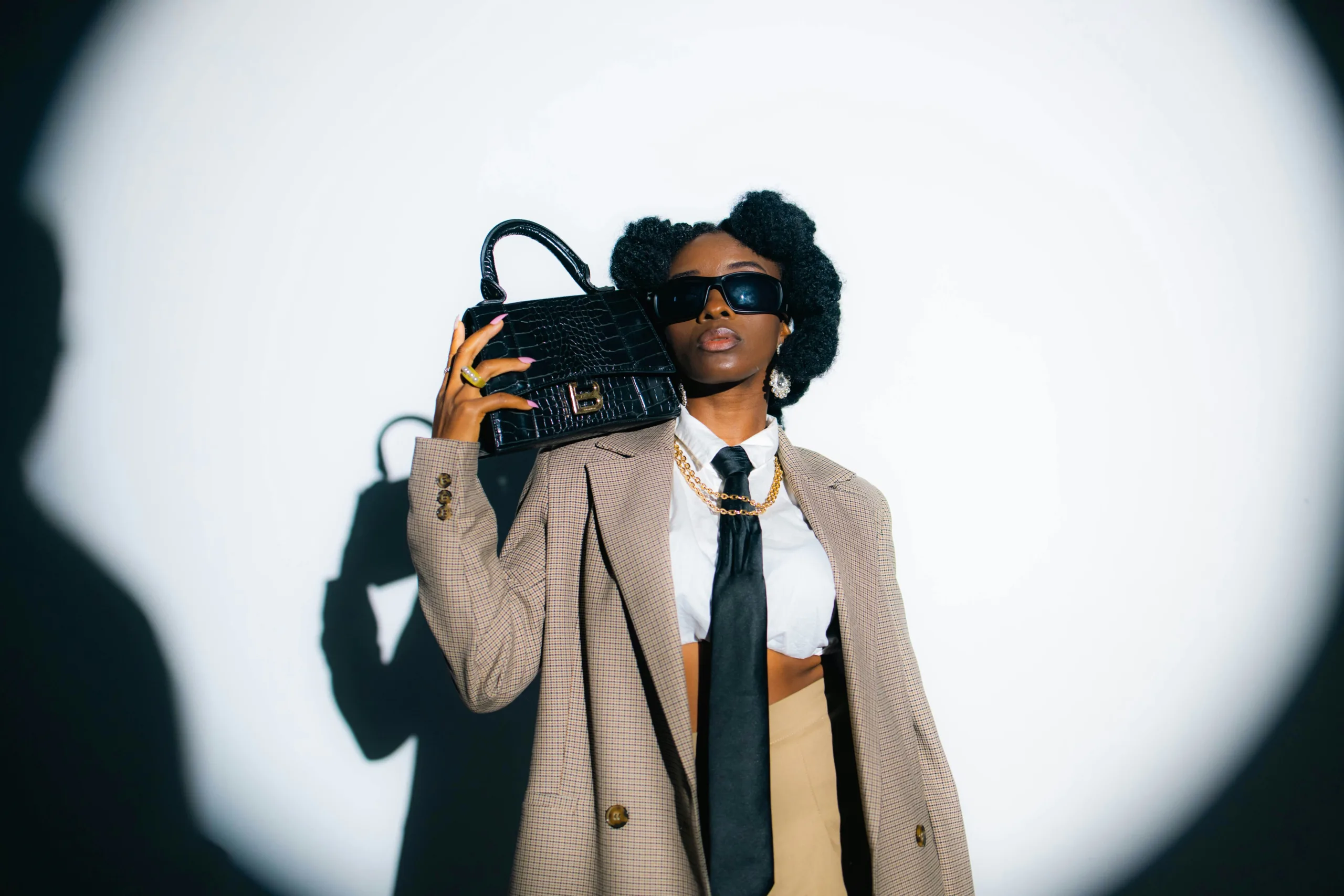
Owning luxury items is also a way to communicate social status and taste to the outside world. The logo on a handbag, the distinctive cut of a suit, or the iconic design of a watch all serve as signals to those who understand the language of luxury. This is not about vanity for everyone, but about projecting an image, aligning oneself with certain aspirational values. It’s a subtle but effective way of navigating social hierarchies and signaling one’s place within them. This is deeply ingrained in human behavior – we use objects to communicate who we are and what we aspire to be.
The Power of Perception: Shaping Reality Through Marketing and Aesthetics
Luxury brands are masters of manipulating perception, creating an aura of desirability that is often more potent than the tangible product itself.
The Visual Language of Exclusivity
Every element of a luxury brand’s visual presentation is meticulously crafted to convey elegance, sophistication, and exclusivity. This includes everything from the design of their boutiques to the quality of their packaging, the typography used in their advertising, and the overall aesthetic of their website. It’s about creating a consistent visual language that reinforces the brand’s identity and creates an aspirational environment. The sensory experience is paramount, making the act of interacting with the brand a pleasure in itself.
The Emotional Resonance of Advertising Campaigns
Luxury advertising is less about showcasing product features and more about evoking emotions and aspirations. Campaigns often feature aspirational lifestyles, artistic imagery, and narratives that tap into themes of romance, adventure, or refined living. The goal is to create an emotional connection with the viewer, making them feel something about the brand. This emotional resonance is what truly drives desire and makes a brand memorable. It’s about selling a feeling, an experience, rather than just an item.
Collaborations as Catalyst for Buzz and Innovation
Strategic collaborations with artists, designers, or other luxury brands can inject fresh energy and create significant buzz. These partnerships allow brands to reach new audiences, tap into different creative territories, and generate excitement around limited-edition offerings. They often serve to reinvent classic pieces or introduce entirely new concepts, keeping the brand relevant and on the cutting edge of cultural trends. This can also be a way to tap into the perceived “coolness” of an artist or a different brand.
The Enduring Influence: Shaping Trends and Cultural Capital
Luxury fashion brands don’t just follow trends; they often set them, wielding an influence that extends far beyond the runway and into broader cultural conversations.
The Trendsetting Power of the Runway
Fashion weeks in Paris, Milan, London, and New York are where luxury brands dictate the sartorial landscape for the seasons to come. The collections presented are not just about immediate sales; they are statements of intent, previews of what will eventually trickle down into mainstream fashion. The silhouette, the color palette, the fabric choices – all of these are meticulously observed and often replicated by mass-market brands. It’s a powerful engine for setting new standards of taste.
Cultural Capital and Branded Identity
For many, owning luxury items is synonymous with possessing cultural capital – a form of intangible wealth that signifies taste, knowledge, and social standing. This capital can confer social advantages and shape perceptions. Brands that successfully imbue their products with this association become more than just fashion houses; they become arbiters of taste and cultural currency. This allows consumers to align themselves with a certain cultural narrative and project that image to others.
The Longevity of Iconic Designs
While trends come and go, certain luxury pieces achieve iconic status, transcending seasons and fleeting fads. These are items that are instantly recognizable, often due to their timeless design, exceptional quality, and storied history. Think of the Hermès Birkin bag, the Chanel 2.55 Quilted Bag, or the Rolex Daytona. The enduring appeal of these items is a testament to the power of thoughtful design and enduring craftsmanship, ensuring their relevance and desirability for generations. They become symbols in themselves, carrying with them a lifetime of association.
In conclusion, the power of luxury fashion brands is multifaceted. It’s a carefully orchestrated symphony of exclusivity, compelling storytelling, community building, masterful perception management, and cultural influence. They don’t just sell products; they sell dreams, identities, and a sense of belonging, making them enduring forces in both the fashion world and the broader cultural landscape.