The Rise of Quiet Luxury: Minimalist Fashion Dominates
May 31, 2026

Quiet luxury isn’t just a trend; it’s a shift towards understated elegance, focusing on quality, craftsmanship, and timeless design over overt branding or flashy statements. Think of it as fashion that whispers confidence, rather than screams for attention. It’s about investing in pieces that last, feel good, and reflect a sophisticated understanding of personal style, all without needing a giant logo to prove a point. This isn’t about being stuffy or inaccessible, but rather a practical approach to building a wardrobe that works harder and smarter for you.
At its core, quiet luxury is about thoughtful consumption and a refined appreciation for the details. It’s not about being cheap, but about being discerning with your purchases.
What Defines “Quiet”?
When we talk about “quiet” in this context, we’re referring to an absence of ostentation. There are no bold patterns, gaudy embellishments, or bright, attention-grabbing colors. Instead, the focus is on a subdued palette and clean lines. This aesthetic often translates to a sense of effortless sophistication, where the quality of the garment speaks for itself. It’s about looking put-together without looking like you tried too hard.
Key Characteristics of the Look
So, what does this look actually entail? Think about pieces that feel substantial and well-made.
Fabric First
The foundation of quiet luxury lies in its materials. Natural fibers reign supreme. Cashmere, silk, linen, wool, and high-quality cotton are staples. These fabrics not only feel luxurious against the skin but also drape beautifully and tend to wear well over time. The texture of the fabric itself becomes a subtle design element, offering visual interest without relying on prints.
Neutral Color Palettes
You’ll rarely find neon or highly saturated colors in a quiet luxury wardrobe. Instead, the palette leans heavily on neutrals: creams, ivories, beiges, grays, navy, charcoal, and black. These colors are versatile, easy to mix and match, and exude a sense of calm and sophistication. They also allow the quality of the fabric and the cut of the garment to take center stage.
Clean Lines and Minimalist Silhouettes
Expect classic cuts and clean silhouettes. Think perfectly tailored blazers, well-fitting trousers, elegant slip dresses, and simple, high-quality knitwear. There’s an emphasis on flattering shapes that transcend fleeting trends. The focus is on how the garment fits and moves, rather than overly complicated designs.
Subtle Details, Impeccable Construction
Logos are either absent or extremely subtle – perhaps a small, tone-on-tone embroidery, or even hidden on the inside of a garment. The real “branding” comes from the evident quality of the construction. Look for perfectly matched seams, hand-finished details, well-attached buttons made from natural materials, and linings that feel as good as the exterior fabric. These are the markers of true luxury.
Why Quiet Luxury is Resonating Now
This isn’t a random trend; it’s a response to several cultural and economic shifts. There’s a growing fatigue with fast fashion and an increasing desire for longevity and authenticity.
Post-Pandemic Reflections
The pandemic prompted many to re-evaluate their priorities, including their spending habits. There was a shift away from flashy consumption towards more thoughtful choices. People started valuing comfort, durability, and versatility in their clothing. Dressing for oneself, rather than for external validation, became more prevalent.
Sustainability and Conscious Consumption
As awareness of environmental impact grows, so does the demand for sustainable practices. Quiet luxury naturally aligns with this. Investing in fewer, higher-quality pieces that last for years reduces waste and the constant need to buy new clothes. It encourages a more mindful approach to what we consume.
Anti-Branding Sentiment
There’s a noticeable pushback against overt branding. For many, conspicuous labeling has become synonymous with showing off, rather than genuine style. Quiet luxury offers an alternative: an opportunity to express personal style and discernment without feeling like a walking billboard. It’s a statement that says, “I know quality, and I don’t need a logo to prove it.”
Building Your Own Quiet Luxury Wardrobe
You don’t need to overhaul your entire closet to embrace this aesthetic. It’s more about strategic additions and a shift in mindset.
Start with Staples
Focus on foundational pieces that form the backbone of a versatile wardrobe. These are items you’ll wear repeatedly and can easily mix and match.
The Perfect White Shirt
This is non-negotiable. Look for a shirt in high-quality cotton (poplin or Oxford cloth), silk, or linen that fits impeccably. It should be crisp, well-constructed, and versatile enough to dress up or down.
Tailored Trousers in Neutral Tones
Whether wide-leg, straight-leg, or a slim cut, well-fitting trousers in black, navy, or gray are essential. Choose wool blends or quality cottons that drape nicely and resist wrinkling.
A Classic Blazer
A well-tailored blazer, preferably in wool or a wool blend, in a neutral color like black, navy, or charcoal, will instantly elevate any outfit. It’s a powerful layering piece that adds structure and sophistication.
Cashmere or Fine Wool Sweaters
Invest in a couple of high-quality sweaters – a crew neck, V-neck, or cardigan – in neutral colors. These are incredibly versatile, comfortable, and can instantly make an outfit look more expensive.
A Versatile Trench Coat or Classic Overcoat
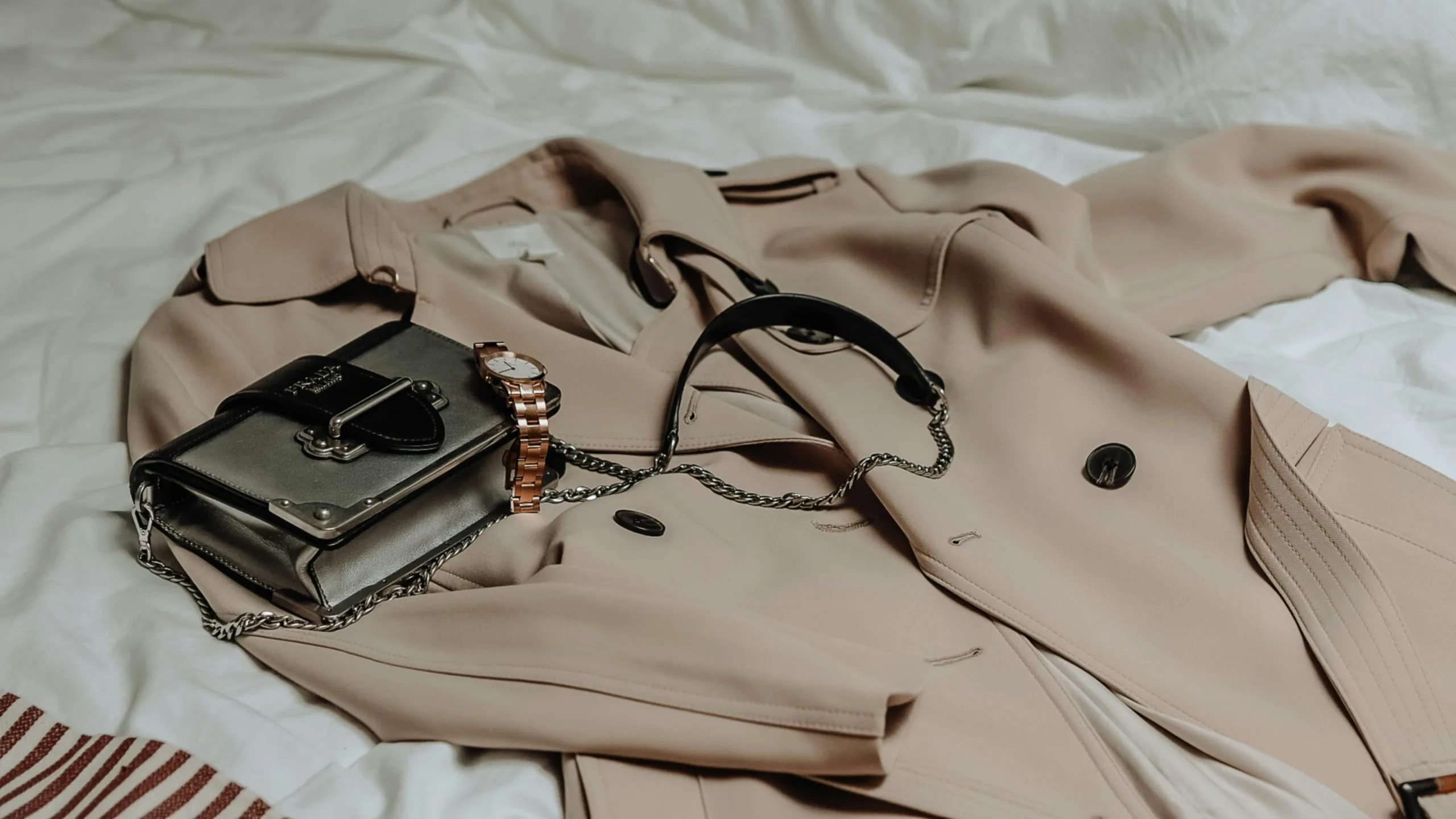
A timeless outer layer is key. A gabardine trench coat or a beautifully crafted wool overcoat can take you through multiple seasons and instantly add a polished finish.
Focus on Fit
In quiet luxury, fit is paramount. Even the most expensive fabric will look cheap if it doesn’t fit well. Be prepared to invest in tailoring. A piece that fits perfectly looks far more luxurious than one that is ill-fitting, regardless of its price tag. This applies to everything from shirts to trousers to blazers.
Prioritize Quality Over Quantity
This is the golden rule. Instead of buying ten cheap items that will fall apart after a few washes, invest in one or two high-quality pieces that will last for years. Calculate the cost per wear – a more expensive item worn frequently over a long period often ends up being more economical than a cheaper item worn a few times before being discarded.
Accessorize Thoughtfully
Accessories should complement, not overpower, your outfit.
Minimalist Jewelry
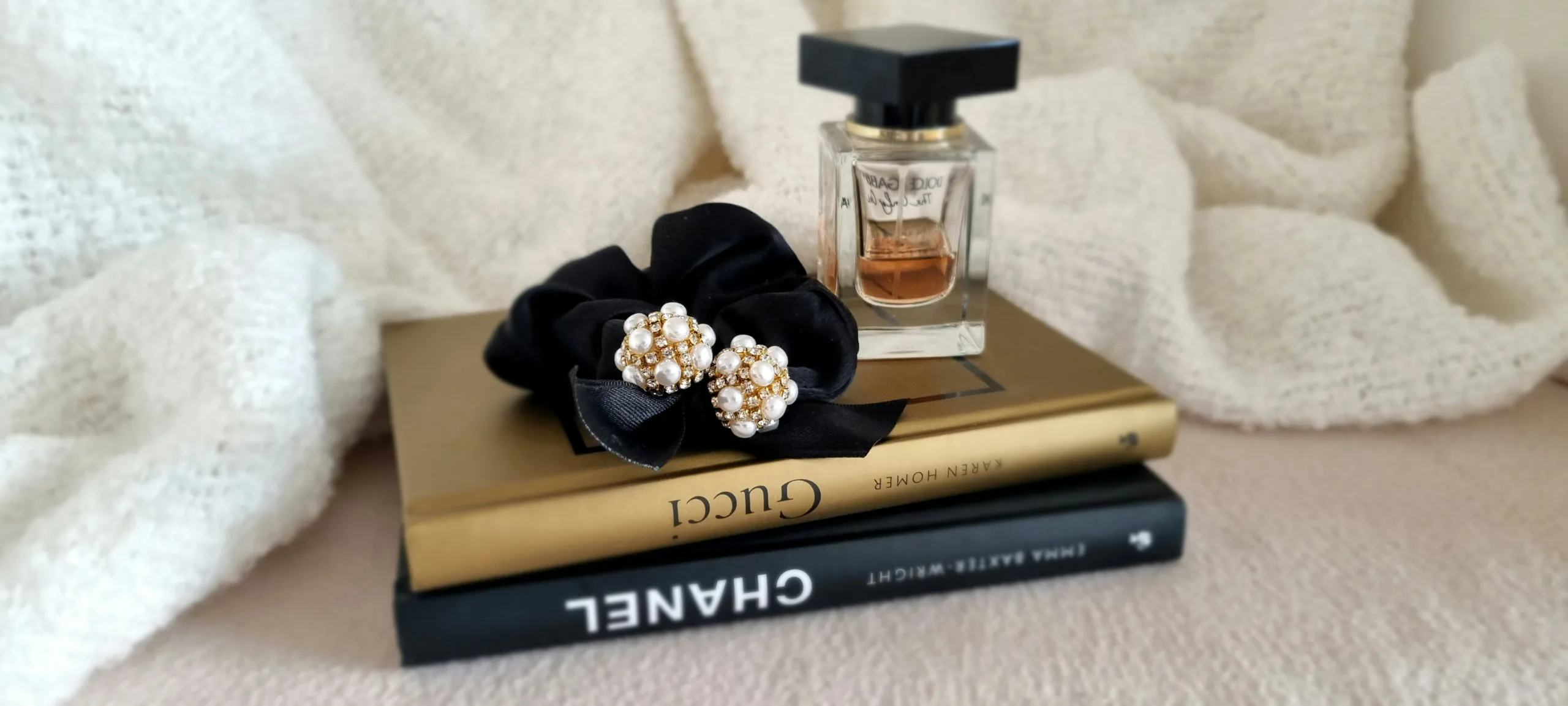
Think delicate gold or silver pieces, simple studs, or a timeless watch. The goal is to add a touch of sparkle or interest without drawing all the attention.
Quality Leather Goods
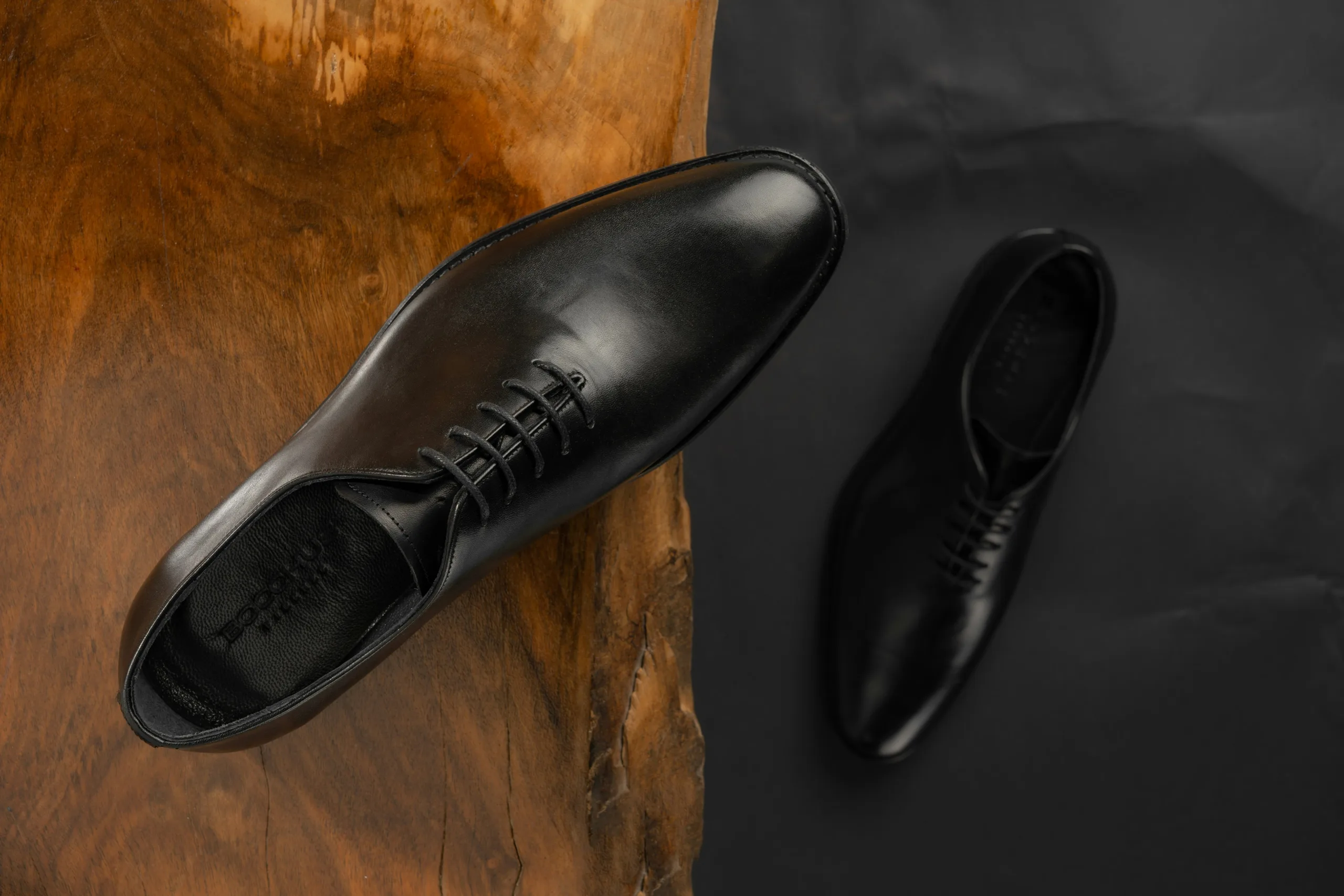
A well-made leather handbag, belt, or pair of shoes speaks volumes about attention to detail. Look for classic styles in durable, high-quality leather that will age beautifully. Again, no overt branding is necessary.
Where to Find Quiet Luxury Pieces
You don’t need to exclusively shop high-end designer boutiques, though many luxury brands naturally embody this aesthetic.
Established Luxury Brands
Brands like The Row, Brunello Cucinelli, Loro Piana, and Jil Sander are often cited as epitomes of quiet luxury. Their entire ethos is built around exceptional materials, impeccable craftsmanship, and timeless design. However, their price points are often prohibitive for many.
Contemporary Brands with a Similar Ethos
There are many fantastic contemporary brands that champion a similar aesthetic at a more accessible (though still investment-level) price point. Brands like COS, Arket, Vince, Everlane (select pieces), and Aritzia (again, select pieces) often offer high-quality basics in natural fabrics and clean designs. It’s about being selective and looking for those key characteristics.
Second-Hand and Vintage Shopping
This is an excellent way to acquire high-quality, often designer-level garments at a fraction of their original cost. Vintage wool coats, silk blouses, and cashmere sweaters can be treasures when found in good condition. Look for classic cuts and natural fibers. Online platforms and local consignment stores are great resources.
Paying Attention to Fabric Compositions
When shopping, always check the label. Prioritize natural fibers like wool, cashmere, silk, linen, and cotton. Blends can be good, especially if they enhance durability or drape (e.g., wool-cashmere blend), but be wary of items that are predominantly synthetic but priced as if they were natural fibers.
Living the Quiet Luxury Lifestyle Beyond Fashion
The principles of quiet luxury extend beyond your wardrobe. It’s a mindset that values quality, simplicity, and authenticity in various aspects of life.
Home Decor
Think curated spaces with high-quality, functional furniture, soft, natural textiles, and thoughtful details. It’s about creating a serene environment that feels comfortable and inviting, without being cluttered or overly flashy. Natural materials like wood, stone, linen, and wool dominate.
Beauty and Skincare
This often translates to a more minimalist routine focused on effective, high-quality products that deliver results, rather than a vast array of trendy items. It’s about investing in good skincare and classic makeup that enhances natural features, rather than masking them.
Experiences Over Possessions
Quiet luxury often emphasizes investing in experiences – travel, a well-cooked meal, time spent in nature – over accumulating more “stuff.” The value is placed on memory creation and personal enrichment.
Mindful Consumption in General
This approach encourages asking “Do I really need this?” and “Will this last?” before making any purchase. It’s about making deliberate choices that align with your values, whether that’s supporting ethical brands, reducing waste, or simply valuing craftsmanship.
In essence, quiet luxury isn’t about being boring or sacrificing personal expression. It’s about refining your taste, smartening your spending, and building a wardrobe (and a life) that feels authentic, comfortable, and truly luxurious in its subtlety and thoughtfulness. It’s a practical, enduring way to approach personal style that prioritizes lasting value over fleeting trends.