Defining Modern Luxury: Fashion Trends
May 31, 2026
Modern luxury, especially when it comes to fashion, isn’t about flashy logos or exorbitant prices anymore. It’s truly about thoughtful design, sustainability, and personal expression. Think quality over quantity, a focus on craftsmanship, and pieces that feel genuinely special and last.
The idea of luxury has been shifting for a while now, and fashion is right at the forefront of that change. Remember when luxury was all about overt displays of wealth? Big logos plastered everywhere, or items so expensive they were out of reach for most? That’s not really the vibe anymore.
From Overt to Understated
We’re seeing a move towards a much more understated aesthetic. It’s less about shouting “I’m expensive!” and more about a quiet confidence that comes from owning items that are truly well-made and considered. Think about brands that excel in this – they often have subtle branding or perhaps no visible branding at all. The luxury is evident in the feel of the fabric, the precision of the stitching, and the way the garment drapes. It’s for the wearer, not just for show.
Experience Over Acquisition
Another big part of this evolution is the emphasis on experience. Buying a luxury item isn’t just about getting a new thing; it’s about the entire journey. From a personalized shopping experience to the storytelling behind the brand, it all contributes to the perceived value. Maybe it’s a limited edition piece with a unique backstory, or perhaps it’s a visit to a studio where you can see the creation process firsthand. These experiences add a layer of meaning that a mass-produced item simply can’t replicate.
Sustainability Takes Center Stage
It’s pretty clear by now that how our clothes are made matters. Modern luxury fashion acknowledges this, moving away from wasteful practices and towards more responsible ones. This isn’t just a trend; it’s becoming a fundamental expectation.
Ethical Sourcing and Production
Consumers are increasingly asking questions about where materials come from and how workers are treated. Luxury brands are responding by prioritizing ethical sourcing. This means tracing materials back to their origins, ensuring fair labor practices in their supply chains, and sometimes even investing in local communities. Think about organic cotton, recycled cashmere, or innovative new plant-based leathers. It’s about minimizing harm and maximizing positive impact.
Longevity and Conscious Consumption
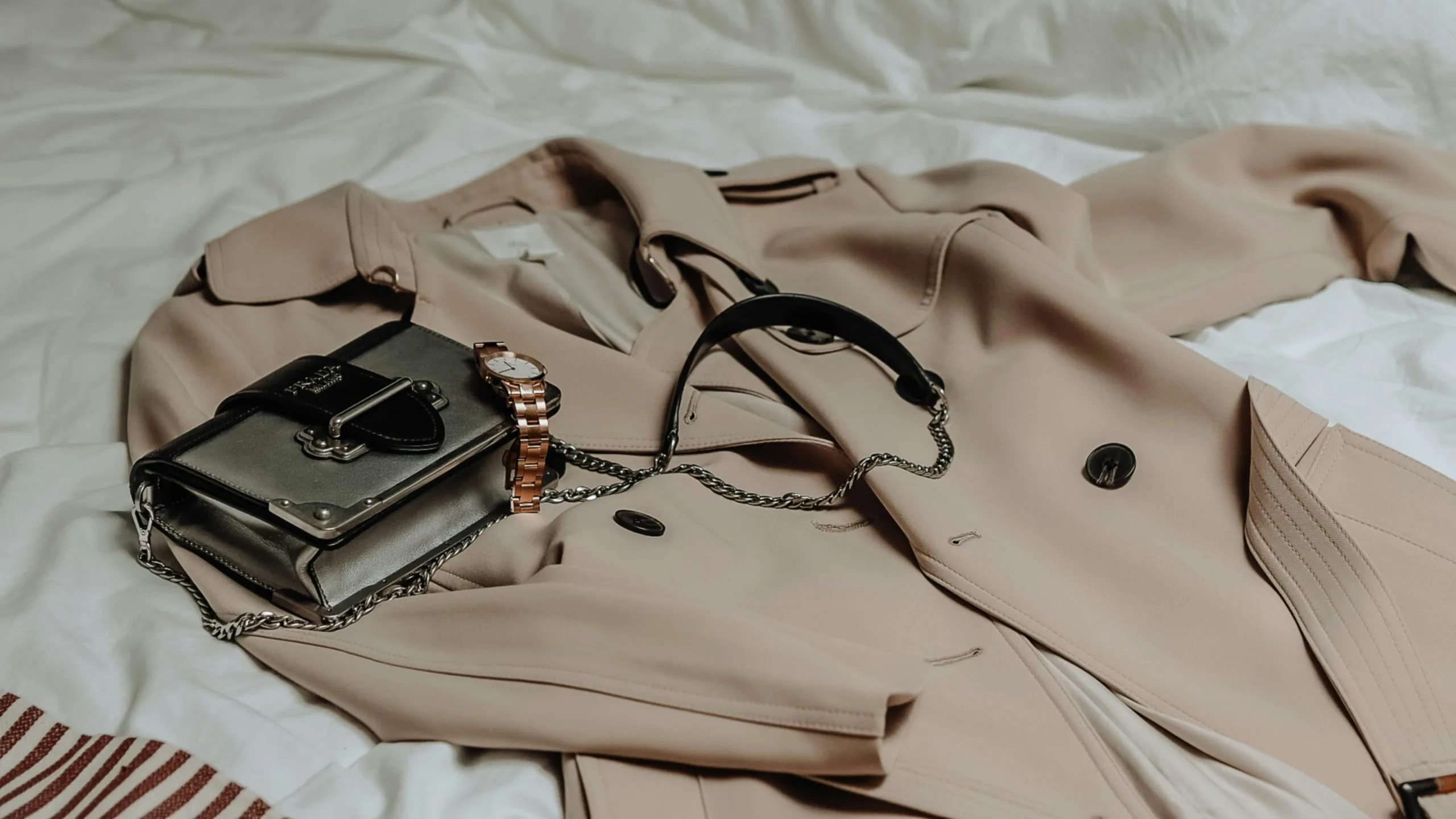
Fast fashion’s reign is gradually fading, especially in the luxury sector. The modern luxury customer is looking for pieces that are built to last, both in terms of quality and timeless design. This supports the concept of conscious consumption – buying less but buying better. A beautifully made trench coat that lasts for decades is far more luxurious than a series of disposable trendy jackets. It’s an investment, not just a purchase. This also ties into the idea of “heirloom” pieces – items so well-crafted they can be passed down through generations.
Circular Fashion Initiatives
Beyond just making products that last, many luxury brands are exploring circularity. This includes initiatives like repair services, take-back programs for recycling, and even second-hand platforms run directly by the brands. The idea is to keep materials in use for as long as possible, reducing waste and the demand for new resources. It’s about viewing clothing not as a disposable item, but as something with ongoing value and a longer life cycle.
Personal Style and Customization
In a world saturated with mass-produced items, genuine personalization feels truly luxurious. It’s about moving away from following trends blindly and instead cultivating a unique personal aesthetic.
Bespoke and Made-to-Measure
There’s an undeniable allure to something made just for you. Bespoke tailoring, while traditionally associated with suits, is seeing a resurgence in other areas of fashion. Imagine a dress tailored to your exact measurements and preferences, or a handbag crafted with your chosen materials and hardware. This level of customization ensures a perfect fit and a piece that truly reflects your individual taste. It’s the antithesis of off-the-rack uniformity.
Co-Creation and Limited Editions
Many luxury brands are embracing co-creation, allowing customers to have a say in the design process, even if it’s just selecting specific elements. Limited edition drops also tap into this desire for individuality and exclusivity. Owning something that only a few others possess elevates its status considerably. It’s about celebrating uniqueness rather than conforming to a widely available standard. These limited releases create excitement and a sense of “if you know, you know.”
Curated Wardrobes
The modern luxury consumer isn’t chasing every fleeting trend. Instead, they’re curating a wardrobe of well-chosen, versatile pieces that truly align with their personal style. This often involves investing in foundational items that can be mixed and matched, allowing for diverse outfits without excessive accumulation. It’s about building a collection of cherished pieces that truly speak to who you are, rather than constantly buying new things to keep up. This approach reduces decision fatigue and promotes a more sustainable relationship with clothing.

The Intersection of Technology and Craftsmanship
While rooted in tradition, modern luxury isn’t afraid to embrace innovation. Technology is being used to enhance, not replace, the artisanal touch.
Advanced Materials
We’re seeing materials that are not only beautiful but also perform better. Think about fabrics that are wrinkle-resistant, temperature-regulating, or incredibly durable, all while maintaining a luxurious feel. Innovations in textile engineering are allowing for lighter, stronger, and more comfortable garments and accessories, pushing the boundaries of what’s possible without compromising on aesthetics. These aren’t just “tech fabrics”; they’re often blended with natural fibers to achieve the best of both worlds.
Digital Design and Prototyping
CAD (Computer-Aided Design) and 3D printing are revolutionizing the design process in luxury fashion. Designers can now experiment with intricate patterns and complex structures more efficiently. This allows for greater precision and innovation in collections, leading to truly unique and structurally interesting pieces that might have been impossible to create just a few years ago. It also streamlines the prototyping phase, reducing waste.
Authentication and Traceability
Technology plays a crucial role in ensuring the authenticity of luxury goods and providing transparency about their origins. Blockchain technology, for instance, can be used to track a product from its raw materials to the finished item, verifying its provenance and combating counterfeiting. This provides peace of mind for the consumer and reinforces the value of the luxury item. QR codes embedded in labels can provide a detailed history of the garment, from materials used to the artisan who crafted it.
Wellness and Comfort as Luxury
High fashion used to be synonymous with discomfort – think corsets, restrictive silhouettes, or painfully high heels. Modern luxury has largely overturned this, recognizing that true luxury includes feeling good.
Elevated Loungewear and Athleisure
The line between everyday wear and special occasion wear has blurred. Elevated loungewear crafted from cashmere, silk, or premium cotton has become a staple. Similarly, athleisure pieces are now considered perfectly acceptable for many social settings, provided they are well-designed and constructed from high-quality materials. It’s about looking effortlessly put-together while remaining utterly comfortable. This shift accelerated during recent times, but it was already in motion.
Functional Design
Design that prioritizes ease of movement, versatility, and practicality is now highly valued. Pockets are making a stronger comeback, and convertible styles that can transform for different occasions are increasingly popular. It’s about clothing that works with your lifestyle, not against it. Think about multi-functional garments that can be dressed up or down, or pieces designed for travel that resist wrinkles and offer comfort on long journeys.
Mental and Emotional Well-being
Beyond physical comfort, modern luxury fashion also subtly ties into mental well-being. Owning pieces that are ethically made and sustainably sourced can contribute to a sense of purpose and integrity. The joy of wearing a garment that fits perfectly, feels incredible, and expresses your true self is its own form of luxury. It’s about feeling confident and content in what you wear, rather than feeling confined or pressured by it. This often means choosing pieces that resonate personally, rather than blindly following trends.