The Luxe Edit: Curated Mass-Produced Future Fashion
May 31, 2026

The Luxe Edit: Curated Mass-Produced Future Fashion isn’t about some far-off sci-fi fantasy. It’s happening right now, and it’s essentially the process of taking the vast ocean of mass-produced clothing and, through smart curation and intelligent design, elevating it to something that feels intentional, high-quality, and even luxurious. Think less about exclusivity and more about accessibility to well-chosen, well-made pieces that stand the test of time, even if they started life on a large factory line.
This whole concept didn’t just appear out of nowhere. Several key forces are pushing fashion in this direction, combining consumer demand with technological leaps.
The Rise of Conscious Consumerism
People are waking up. We’re all becoming more aware of the environmental and ethical impact of our purchases. This doesn’t mean we all suddenly have endless budgets for bespoke garments, but it does mean we’re scrutinizing fast fashion’s throwaway culture more closely. We want things that last, that are made with a bit more care, and that don’t contribute to overflowing landfills. This desire for quality and longevity, even within a budget, is a major driver of the “luxe edit.” We’re actively seeking out the best of what’s available without breaking the bank.
The Power of Data and AI
This is where things get really interesting. Data analytics and artificial intelligence are no longer just buzzwords; they’re actively reshaping how clothes are designed, produced, and even sold.
Predicting Trends with Precision
Instead of hunches or limited focus group data, AI can now analyze massive datasets of consumer preferences, social media trends, and even economic indicators to predict what people will want to wear next. This means fewer wasted resources on unpopular styles and more accurate production of items that are likely to sell well. It’s about getting it right the first time, reducing overproduction and the need for massive clearances.
Personalizing Production
Imagine ordering a pair of jeans where the fit is adjusted not just by size, but by your specific body measurements, all within a mass-production framework. This isn’t quite mainstream yet, but the technology is there. AI can help optimize patterns and production lines to allow for a degree of personalization at scale, making mass-produced items feel more bespoke.
On-Demand and Nearshoring Production
The traditional model of producing huge batches of clothes in faraway factories is slowly but surely being challenged.
Reducing Waste and Inventory Risks
On-demand manufacturing, where items are only made once an order is placed, significantly reduces waste. No more warehouses full of unsold stock that eventually ends up discounted or discarded. This nimble approach also allows brands to react much faster to changing trends, making their offerings feel more current and relevant.
The Appeal of Localized Manufacturing
Nearshoring, or producing goods closer to the market where they’ll be sold, has several benefits. It cuts down on shipping times and costs, reduces the carbon footprint associated with transportation, and can potentially offer more transparent labor practices. While not always true “local” production, it’s a step towards a more responsible and responsive supply chain. Even within mass production, this allows for quicker iterations and better quality control.
How Brands Are Embracing The Luxe Edit
It’s not just an idea; actual businesses are starting to integrate these principles. They’re finding innovative ways to make their mass-produced offerings feel special.
Focus on Elevated Basics and Essentials
Many brands are shifting away from chasing every fleeting trend and instead concentrating on perfecting the foundational pieces of a wardrobe. Think really good t-shirts, well-cut trousers, versatile knitwear.
Quality Fabrics and Construction
The secret here lies in focusing on better materials – durable cottons, thoughtful blends, and textiles that feel good to wear. It also means paying attention to details like stitching, seam finishes, and button quality, which can dramatically elevate the perceived value and actual longevity of a garment. It’s about making sure a simple tee doesn’t unravel after a few washes.
Timeless Design Principles
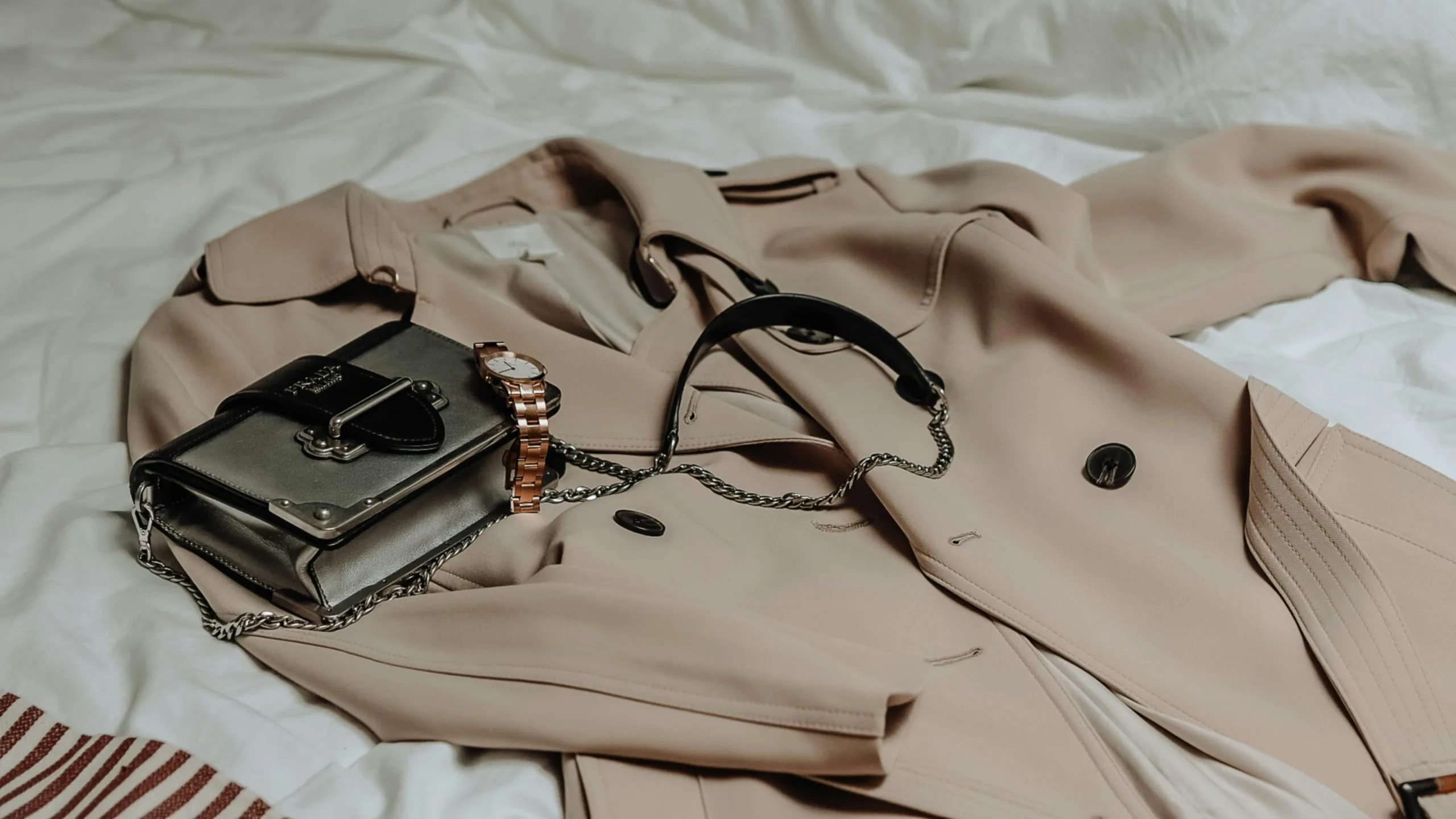
Instead of ornate or overly trendy designs, the emphasis is on clean lines, flattering silhouettes, and classic aesthetics that won’t look dated next season. This approach encourages consumers to buy less but buy better, investing in pieces that will remain stylish for years. Think of a classic trench coat or a perfectly fitted blazer.
Curated Collections and Limited Drops
Even within a mass-produced model, strategic curation can create a sense of exclusivity and desirability.
The “Drop” Model for Mass Market
Borrowing a page from streetwear culture, some brands are releasing smaller, highly curated collections at specific times. This creates buzz, encourages quicker sales, and allows for more focused production, even if the individual items aren’t handmade in small batches. It’s about making a mass-produced item feel like a limited edition.
Collaborations with Designers or Artists
Partnering with independent designers or artists can inject a unique creative vision into mass-produced lines. This allows for a fresh perspective and can elevate the aesthetic of a collection, offering consumers something a bit more distinctive than standard offerings, while still benefiting from the economies of scale. These collaborations often introduce a “luxe” element through unique prints, silhouettes, or material choices that wouldn’t typically be seen in a brand’s mainline.
Transparency and Storytelling
In an age of skepticism, being open about how clothes are made is becoming increasingly important.
Supply Chain Visibility
Brands that can genuinely share information about where their materials come from, who made their clothes, and under what conditions, build trust. This isn’t just a marketing gimmick; it’s about authentic responsibility that resonates with conscious consumers. Even if it’s a large factory, knowing it meets certain standards is valuable.
The Narrative Behind the Garment
Instead of just selling a piece of fabric, brands are starting to tell stories. This could be about the inspiration behind a collection, the innovative manufacturing process, or the social impact initiatives supported by the company. This narrative adds emotional value and helps consumers connect with their purchases on a deeper level. It transforms a basic into something with a backstory.

The Role of Technology in Elevating the Experience
Technology isn’t just behind the scenes; it’s also directly shaping how we interact with and perceive these “luxe edited” mass-produced items.
Advanced Material Science
The fabrics themselves are getting smarter, blurring the lines between performance wear and everyday fashion.
Innovative Textiles for Durability and Comfort
New fabric blends and treatments enhance existing materials. Think wrinkle-resistant cottons, water-repellent knits, or fabrics designed to regulate temperature. These innovations add practical value and longevity, making clothes perform better and feel more luxurious. A basic sweater made with merino and tencel blend feels inherently more high-end than one made with cheap acrylic.
Sustainable Fabric Alternatives
The development of sustainable materials, like recycled polyesters, organic cotton, or innovative bio-based fabrics, is crucial. Brands that integrate these materials not only reduce their environmental footprint but also appeal to the eco-conscious consumer, elevating the perceived value of their garments. This isn’t just about being “green”; it’s about offering a superior, more thoughtfully produced product.
Digital Fitting and Virtual Try-On
One of the biggest hurdles for online mass-produced fashion has always been fit. Technology is tackling this head-on.
Reducing Returns and Improving Satisfaction
Virtual try-on tools and digital fitting rooms, powered by augmented reality and AI, are becoming more sophisticated. By allowing customers to “try on” clothes virtually or get highly accurate size recommendations based on their measurements, brands can significantly reduce returns and improve customer satisfaction. This convenience and accuracy contribute to a more premium shopping experience.
Customization at Scale
While true bespoke remains exclusive, digital fitting tools could pave the way for more nuanced customization options within a mass-production framework. Imagine adjusting hem lengths or sleeve widths before an item is even produced, making the mass-produced item feel more tailor-made.

What Does This Mean for Consumers?
For us, the people buying and wearing these clothes, this evolution in fashion offers some exciting possibilities.
More Accessible Quality
The most immediate benefit is access to better quality clothing without the hefty price tag traditionally associated with it. This isn’t about cheap knock-offs; it’s about well-designed, durable items that are produced efficiently and thoughtfully, making them attainable for a wider audience. You can get a genuinely good quality garment and not feel like you’ve bought disposable fashion.
Informed and Intentional Shopping
With increased transparency and smarter curation, consumers are empowered to make more informed choices. We can seek out brands that align with our values, whether that’s sustainability, ethical labor practices, or simply a commitment to durable design. It fosters a more intentional approach to building a wardrobe rather than impulsive buying. We’re not just picking something off a rack; we’re making a conscious decision.
A Blended Wardrobe
The “luxe edit” encourages a wardrobe that blends high and low, bespoke and mass-produced. There’s no longer a stigma attached to owning well-chosen mass-produced items alongside a few investment pieces. The focus shifts to the overall look, feel, and longevity of the garment, regardless of its origin story. It’s about individual style and smart choices, not just brand names.
Reduced Fashion Footprint
Ultimately, by emphasizing quality, longevity, and more efficient production methods, this movement has the potential to significantly reduce the environmental impact of the fashion industry. Fewer clothes ending up in landfills, less waste in production, and more responsible resource management are all positive outcomes. It’s about consuming less, but enjoying what you do consume more.
The Luxe Edit isn’t trying to replace couture or independent designers. It’s about bringing some of that thoughtfulness, quality, and design integrity to the broader market. It’s a practical, sustainable, and increasingly appealing way forward for fashion, blending the best of technological advancement with a renewed focus on what makes clothes truly valuable beyond just their brand label. It’s about making good style accessible and responsible, without being preachy or overly expensive.