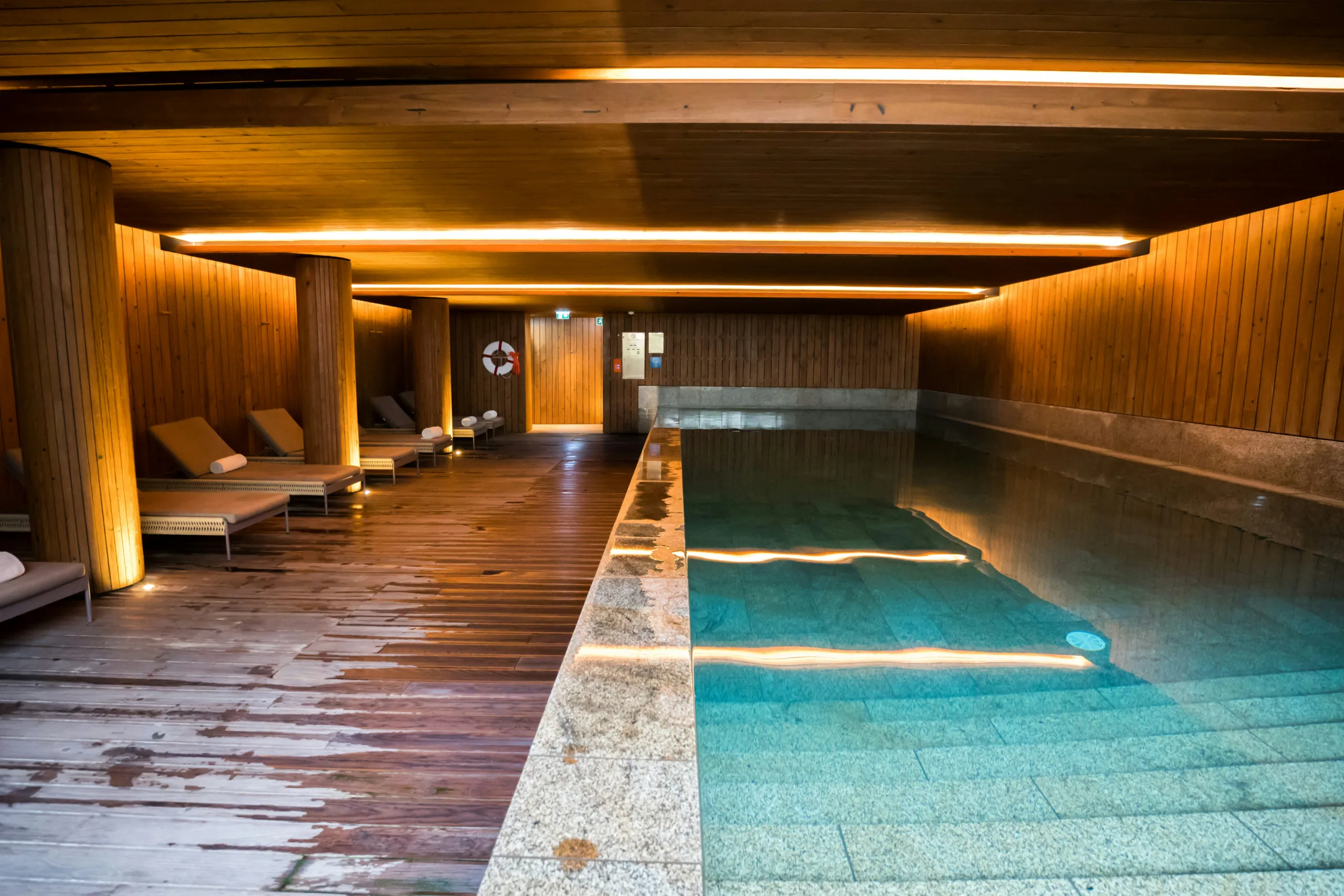
Wellness Travel and the Future of Premium Hospitality
May 31, 2026

Wellness travel isn’t just a fleeting trend; it’s a fundamental shift in how we approach vacations, and it’s reshaping the future of premium hospitality. Think beyond spa treatments; we’re talking about a holistic approach where travel destinations and accommodations actively contribute to your physical, mental, and emotional well-being. It’s about returning home feeling genuinely refreshed, not just rested.
The Evolving Definition of “Luxury”
For a long time, luxury in hospitality meant opulent decor, Michelin-starred dining, and impeccable service. While those elements still hold value, the definition is broadening significantly. Today’s discerning traveler, particularly those seeking wellness, defines luxury through experiences that enrich their lives and leave them with a lasting sense of renewal. This means prioritizing spaces and services that promote health, mindfulness, and personal growth.
Beyond the Superficial: Deepening the Experience
Premium hospitality is moving away from surface-level indulgence towards offerings that have a tangible positive impact. It’s less about the thread count of your sheets and more about the quality of the air you breathe, the natural light in your room, and the availability of authentic, health-conscious food options. The focus is on creating an environment that supports a client’s overall well-being, not just their comfort.
- Mental Recharge: This includes quiet spaces for meditation, opportunities for digital detox, and access to activities that promote calm and reduce stress, such as guided nature walks or creative workshops.
- Physical Revitalization: This encompasses more than just a gym. Think tailored fitness programs, access to natural healing modalities, and an emphasis on movement in beautiful natural settings.
- Emotional Connection: This can be fostered through opportunities to connect with local culture, engage in meaningful activities, and build relationships with like-minded individuals.
The Rise of the “Conscious Traveler”
A significant driver of this shift is the emergence of the “conscious traveler.” These individuals are more aware of their impact on the environment and local communities, and they seek out experiences that align with their values. For them, wellness travel isn’t selfish; it’s about investing in themselves so they can be better equipped to contribute positively to the world.
Designing for Well-being: Architecture and Ambiance
The physical spaces within premium hospitality venues are becoming crucial in supporting wellness goals. Architects and designers are now integrating principles of biophilic design, which connects occupants to nature, and salutogenesis, which focuses on factors that support health and well-being.
Biophilic Design: Nature as a Healer
Bringing the outdoors in is no longer a decorative choice; it’s a fundamental element of wellness design. This involves maximizing natural light, incorporating natural materials like wood and stone, and integrating living elements such as indoor plants, green walls, and water features.
- Natural Light Optimization: Large windows, skylights, and strategic room orientation ensure that guests are bathed in natural light, which is proven to regulate circadian rhythms and improve mood.
- Materiality and Texture: The use of natural, unadulterated materials creates a sense of calm and connection to the earth. Think sustainable wood furnishings, linen textiles, and unpolished stone.
- Indoor-Outdoor Flow: Seamless transitions between indoor and outdoor spaces allow guests to easily access fresh air, natural views, and opportunities for outdoor activities.
Salutogenic Environments: Fostering Belonging and Control
Salutogenic design aims to create environments that promote a sense of coherence, manageability, and meaningfulness. This translates into spaces where guests feel a sense of belonging, have control over their environment, and find their experience to be understandable and purposeful.
- Sense of Belonging: This can be achieved through communal spaces that encourage interaction, culturally relevant decor, and staff who create a welcoming and inclusive atmosphere.
- Sense of Control: Guests should have the ability to adjust their environment – controlling lighting, temperature, and privacy. This empowerment contributes to a feeling of ease and reduces anxiety.
- Sense of Meaningfulness: Providing opportunities for guests to engage in activities that are personally significant, whether it’s learning a new skill, connecting with nature, or contributing to a local cause, enhances their overall experience.
Experiential Wellness: Beyond the Treatment Room
Wellness travel is evolving beyond scheduled spa appointments. It’s about embedding health and well-being into every aspect of the guest journey, from the food they eat to the activities they engage in.
Nourishment for the Soul and Body
Food is central to wellness. Premium accommodations are increasingly focusing on offering nourishing, delicious, and often locally sourced cuisine that caters to diverse dietary needs and preferences. This goes beyond labeling options as “healthy.”
- Farm-to-Table Commitment: Sourcing ingredients from local farms not only supports the community but also ensures the freshest, most nutrient-dense produce.
- Adaptable Menus: Chefs are skilled at creating menus that can easily accommodate allergies, intolerances, and specific dietary lifestyles like vegan, paleo, or gluten-free, without compromising on flavor or presentation.
- Mindful Eating Experiences: This can include cooking classes, workshops on nutrition, or simply dining in serene environments that encourage guests to savor their food and be present.
Movement as Medicine
Fitness is integrated into the landscape. Instead of just a gym, think of the entire property as a fitness studio.
- Adventure and Exploration: Guided hikes, cycling tours, water sports, and even guided forest bathing become integral parts of the wellness offering.
- Mindful Movement Classes: Yoga, Pilates, Tai Chi, and meditation are offered in breathtaking natural settings, enhancing their therapeutic benefits.
- Personalized Fitness Pathways: Instead of generic gym equipment, guests might have access to personal trainers who design bespoke fitness programs based on their individual goals and physical condition.
The Role of Technology in Enhancing Wellness
Technology, often seen as a distraction from wellness, can actually be a powerful tool when integrated thoughtfully into premium hospitality. It can personalize experiences, provide access to information, and enhance safety and convenience.
Seamless Personalization and Convenience
Technology can streamline the guest experience, allowing for more time and energy to focus on well-being.
- Pre-Arrival Customization: Guests can use apps or online platforms to pre-select their preferred pillow type, dietary restrictions, fitness interests, and even the ambient music in their room.
- In-Room Smart Controls: Intuitive systems allow guests to control lighting, temperature, and entertainment, giving them a sense of agency over their surroundings.
- AI-Powered Recommendations: AI can analyze guest preferences and suggest personalized activities, dining options, or local excursions that align with their wellness goals.
Digital Wellness Tools and Resources
Technology can also provide direct access to wellness resources, demystifying concepts and empowering guests.
- Guided Meditation Apps: In-room devices or hotel apps can offer a library of guided meditations for sleep, stress reduction, or focus.
- Fitness Tracking Integration: Guests can connect their personal fitness trackers to hotel systems, allowing for more seamless logging of their activities and personalized feedback.
- Educational Content: Access to digital resources on mindfulness, nutrition, sleep hygiene, and stress management can extend the learning and benefits beyond the stay.
The Future: Integrated Wellness Ecosystems
The most forward-thinking premium hospitality brands are moving towards creating integrated wellness ecosystems rather than just offering isolated wellness amenities. This means a holistic approach where every touchpoint is designed to support guest well-being.
Holistic Retreats Designed for Transformation
These are not just hotels with a spa; they are destinations intentionally crafted for complete rejuvenation and personal growth.
- Long-Term Stay Packages: Think week-long or even month-long retreats focused on specific wellness goals, such as detox, stress management, or fitness transformation.
- Multidisciplinary Approach: These retreats bring together a team of experts – nutritionists, fitness trainers, therapists, mindfulness coaches, and medical professionals – to provide comprehensive care.
- Post-Stay Support: The commitment to wellness extends beyond checkout, with ongoing digital support, personalized follow-up plans, and access to online communities.
Curated Experiences and Immersive Journeys
The emphasis is on crafting unique, memorable, and transformative experiences that go beyond the ordinary.
- Cultural Immersion for Well-being: This could involve programs that connect guests with local healing traditions, ancient wisdom, or mindful cultural practices.
- Digital Detox Zones: Dedicated areas or entire properties where digital devices are discouraged or not allowed, fostering a deeper connection with oneself and the environment.
- Skill-Building Workshops: Offering classes in meditation, mindful movement, sustainable living, or even creative arts, empowering guests with lifelong skills that enhance their well-being.
The Rise of Wellness-Focused Real Estate
This trend is also extending into residential living, with developers creating communities that prioritize health and well-being.
- Homes Designed for Health: Properties with integrated air and water purification systems, abundant natural light, and access to green spaces.
- On-Site Wellness Amenities: Residential buildings offering gyms, yoga studios, meditation rooms, and communal organic gardens.
- Community and Connection: Creating environments that foster social interaction and a sense of belonging among residents, which is a crucial component of overall well-being.
Ultimately, wellness travel and the evolution of premium hospitality are about more than just escaping everyday life. They are about intentionally investing in ourselves, returning home with a renewed sense of purpose, and being better equipped to navigate the complexities of the modern world. The future of luxury is inherently linked to the pursuit of genuine well-being.