Luxury Spa Hotels and Longevity Retreats as Editorial Topics
May 31, 2026

Let’s talk about a couple of really interesting niches that are popping up a lot lately: luxury spa hotels and longevity retreats. You’ve probably seen them advertised or heard people raving about them. But what exactly are they, and why are they becoming such a hot topic, both for travelers and for those of us who write about travel?
At their core, both luxury spa hotels and longevity retreats offer a deep dive into wellness, but they approach it from slightly different angles. Luxury spa hotels are generally about indulgence and rejuvenation, often set in beautiful locations. Think high-end treatments, fine dining, and gorgeous surroundings designed to help you de-stress and feel pampered. Longevity retreats, on the other hand, are more focused on the long-term goal of extending your healthy lifespan. They tend to be more scientifically grounded, incorporating advanced diagnostics, personalized nutrition plans, and lifestyle interventions with a specific aim to improve biological markers and promote healthy aging. They might still offer spa-like elements, but the emphasis is firmly on science and lasting health benefits.
The Appeal of the Pampered Pause: Why Luxury Spa Hotels Resonate
Luxury spa hotels have been around for a while, but their appeal seems to be growing, especially in our busy modern lives. It’s not just about a massage anymore; it’s a holistic experience. People are seeking a way to escape the daily grind, disconnect from technology, and reconnect with themselves.
More Than Just a Massage: The Evolving Spa Experience
The modern luxury spa hotel offers a far more comprehensive wellness journey than a simple massage. They’re looking at integrating a variety of modalities under one roof, creating an environment where guests can truly disconnect and address multiple aspects of their well-being.
Hydrotherapy and Thermal Suites: The Science of Water and Heat
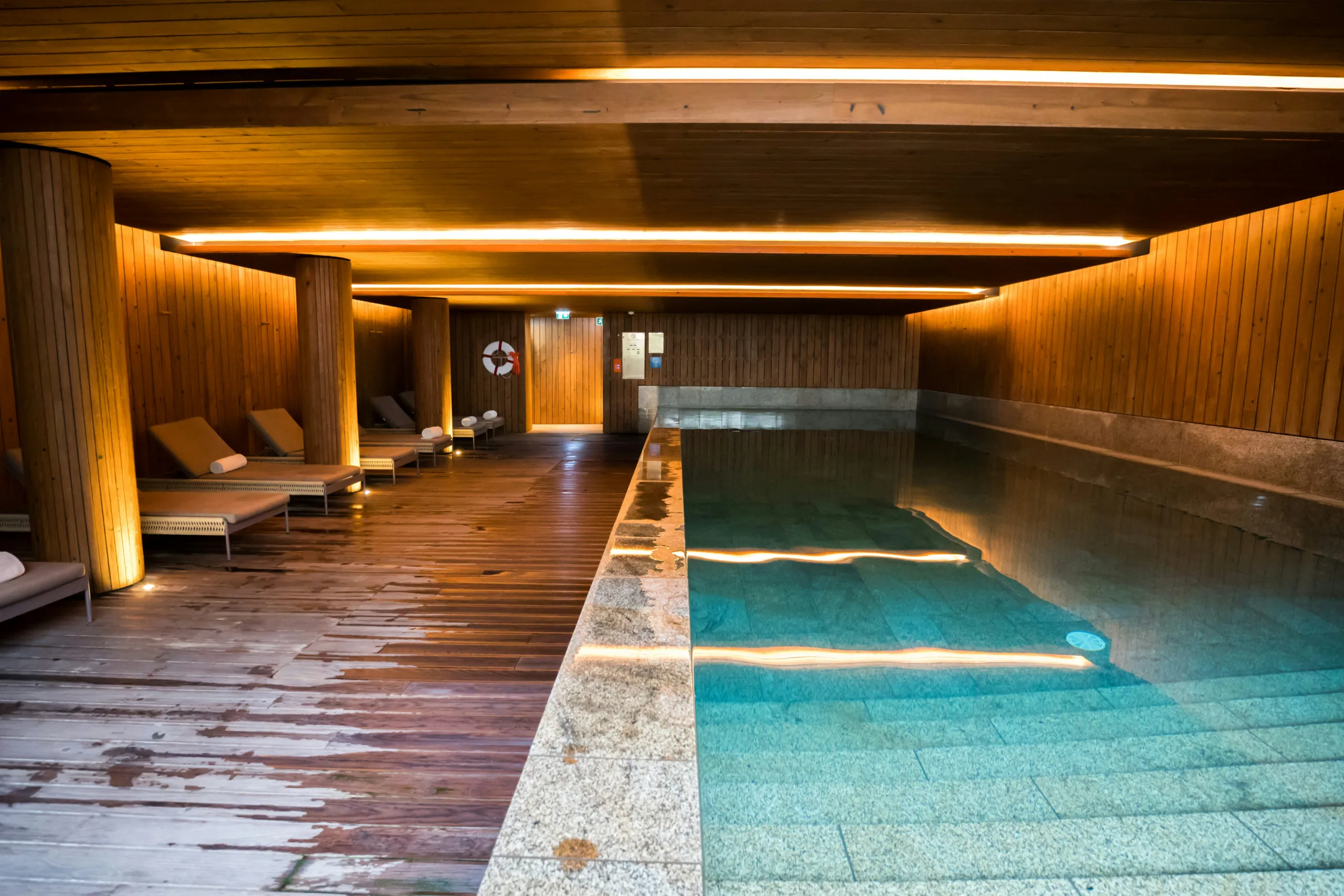
These aren’t your average hot tubs. Think sophisticated hydrotherapy circuits designed to stimulate circulation and lymphatic drainage. Thermal suites often include saunas, steam rooms, and caldariums, each with different temperature and humidity levels to promote detoxification, muscle relaxation, and mental clarity. The intentional design of these spaces, often mimicking natural environments, enhances the therapeutic effect.
Advanced Skincare and Body Treatments: Beyond the Basics
Instead of just a facial, guests are now encountering treatments that utilize cutting-edge technology, like microcurrent therapy, LED light treatments, and personalized genetic skin analysis. Body treatments are moving beyond simple exfoliation to incorporate therapies that address cellulite, skin firming, and stress reduction through specialized techniques like lymphatic drainage massage or body wraps using nutrient-rich ingredients.
Holistic Well-being Integration: Mind, Body, and Soul
Many luxury spa hotels are now incorporating mindfulness practices, meditation rooms, and even sound healing sessions. The idea is to address the mental and emotional aspects of well-being alongside the physical. This integrated approach creates a more profound and lasting sense of relaxation and rejuvenation.
Location, Location, Relaxation: Setting the Scene for Serenity
The environment plays a massive role in the luxury spa hotel experience. It’s about transporting guests to a place where stress feels a million miles away.
Natural Beauty and Escapism: Mountains, Beaches, and Beyond
Imagine waking up to breathtaking mountain vistas, the gentle sound of waves, or the tranquility of a secluded forest. These hotels are strategically located to maximize the restorative power of nature. The visual and sensory input from such surroundings is a crucial part of the decompression process.
Architectural Design and Ambiance: Creating a Sanctuary
The design of the hotel itself is often a key selling point. Think minimalist elegance, natural materials, and an emphasis on natural light. The goal is to create a serene and calming atmosphere that fosters a sense of peace and well-being from the moment you arrive.
Culinary Delights with a Healthy Twist: Nourishing the Body
Food is a big part of the luxury hotel experience, and this is no exception for spa hotels. But it’s evolving from indulgent to health-conscious indulgence.
Farm-to-Table Philosophy: Freshness and Quality
Many luxury spa hotels are embracing a farm-to-table approach, sourcing local, seasonal ingredients. This ensures not only the freshest flavors but also supports sustainable practices. The emphasis is on nutrient-dense, whole foods prepared with minimal processing.
Personalized Nutrition and Dietary Accommodations: Catering to Every Need
Whether it’s gluten-free, vegan, keto, or simply a desire for lighter, healthier options, these hotels are adept at catering to diverse dietary needs and preferences. They often have chefs trained in specific nutritional approaches, ensuring that guests don’t feel deprived while still adhering to their health goals.
Mindful Dining Experiences: Savoring Every Bite
Beyond just the food itself, there’s an increasing focus on the dining experience. This can include quiet dining rooms, dedicated wellness menus, and even guidance on mindful eating, encouraging guests to slow down and appreciate their meals.
The Future of Well-being: Delving into Longevity Retreats
Longevity retreats are the newer, more scientifically driven cousins of the traditional spa. They aren’t just about a few days of pampering; they’re about investing in your long-term health and vitality.
Science-Backed Strategies: Beyond Trends and Anecdotes
The core difference here is the emphasis on evidence-based approaches. Longevity retreats often involve advanced diagnostics and personalized plans derived from scientific research.
Advanced Health Assessments: Peeking Under the Hood
This is where longevity retreats really shine. Think comprehensive blood panels, genetic testing, microbiome analysis, and even assessments of telomere length (a marker of cellular aging) and oxidative stress levels. These tests provide a detailed snapshot of your current health and identify areas for improvement.
Personalized Nutrition Protocols: Tailored to Your Biology
Based on the health assessments, guests receive highly individualized nutrition plans. This goes beyond general advice and delves into specific macronutrient ratios, nutrient timing, and recommendations for supplements based on your unique biological needs and genetic predispositions.
Proactive Health Interventions: Preventing Disease, Promoting Vitality
The goal isn’t just to feel good now, but to actively reduce the risk of age-related diseases and optimize your healthspan – the period of your life in good health. This might involve interventions focused on inflammation reduction, metabolic health optimization, or cognitive enhancement.
Lifestyle Optimization: Building Sustainable Habits
Longevity retreats aim to equip guests with the knowledge and tools to maintain their health gains long after they leave. It’s about creating a sustainable healthy lifestyle.
Sleep Science and Optimization: The Foundation of Health
Understanding and improving sleep quality is a major focus. Retreats might offer sleep studies, personalized sleep hygiene coaching, and guidance on using technology to track and improve sleep patterns. They recognize that poor sleep is a significant contributor to many chronic health issues.
Stress Management and Resilience Training: Navigating Life’s Challenges
Chronic stress is a major enemy of longevity. These retreats often include workshops and techniques for managing stress, building resilience, and developing effective coping mechanisms. This can involve mindfulness, meditation, breathwork, and even cognitive behavioral therapy (CBT) principles.
Movement and Exercise Programs: Tailored for Longevity
Exercise recommendations are often tailored to individual fitness levels and goals, with a focus on functional strength, cardiovascular health, and mobility. Some retreats might incorporate innovative fitness modalities or even personalized biomechanical assessments to ensure safe and effective training.
The Role of Technology and Innovation: The Cutting Edge of Wellness
Longevity retreats are often at the forefront of integrating new technologies and research into their programs.
Biohacking and Performance Enhancement: Maximizing Potential
While the term “biohacking” might sound extreme, at its core, it’s about using science and technology to optimize biological function. This can include everything from personalized supplement regimens to understanding and manipulating circadian rhythms.
Gut Health and Microbiome Focus: The Gut-Brain Connection
There’s a growing understanding of the critical role the gut microbiome plays in overall health, immunity, and even mental well-being. Longevity retreats often offer specialized testing and dietary interventions to optimize gut health.
Regenerative Medicine and Emerging Therapies: Exploring New Frontiers
Some more advanced retreats might explore emerging therapies such as NAD+ infusions, peptide therapies, or genetic interventions, always with a focus on safety and scientific efficacy. These are areas where research is rapidly evolving.
Editorial Angles: What Makes These Topics Compelling for Writers
From an editorial perspective, both luxury spa hotels and longevity retreats offer a wealth of compelling angles. They tap into universal human desires for relaxation, health, and a better quality of life.
The Aspiring Traveler: Selling the Dream of Escape and Wellness
For travel sections and lifestyle magazines, these topics are gold. They offer aspirational content that readers can visualize themselves experiencing.
Destination Deep Dives: Exploring the Best Retreats
This involves reviewing and highlighting specific hotels and retreats, detailing their unique offerings, target audience, and overall experience. It’s about guiding readers to the perfect escape.
Thematic Explorations: Focusing on Specific Wellness Trends
For example, an article could explore the rise of silent retreats in luxury spa hotels, or the science behind intermittent fasting programs at longevity retreats. This allows for a deeper dive into niche aspects of these offerings.
Budget-Conscious Alternatives: Finding Wellness on a Shoestring
While the focus is on luxury, there’s also a valuable angle in exploring how the principles of these retreats can be adapted for those with smaller budgets. This makes the topics more accessible and relatable.
The Health-Conscious Reader: Diving into the Science and Benefits
For health and wellness publications, the longevity retreat aspect is particularly strong, offering a chance to explore cutting-edge research and practical advice.
Debunking Myths and Explaining Complex Science
Many people are curious about topics like epigenetics, telomeres, or the microbiome, but find the science intimidating. Writers can act as translators, breaking down complex concepts in an understandable way.
Personal Journeys and Expert Interviews: Real Stories, Real Insights
Featuring personal stories of individuals who have benefited from these retreats, or interviewing leading experts in the longevity field, adds credibility and human interest.
Practical Applications: Bringing Longevity Principles Home
This angle focuses on actionable advice that readers can implement in their own lives, even if they can’t afford a high-end retreat. Think tips on sleep optimization, stress management techniques, or simple dietary changes.
The Business of Well-being: Industry Trends and Market Insights
For business and industry publications, these topics offer a lens into a rapidly growing and evolving sector.
The Economic Impact of the Wellness Tourism Boom
Analyzing the financial growth of luxury spa and longevity tourism, including investment trends and consumer spending habits.
Innovation and Entrepreneurship in the Wellness Space
Highlighting new companies, technologies, and business models emerging in the luxury spa and longevity retreat market.
Challenges and Opportunities for the Industry
Exploring issues like sustainability, ethical sourcing, and the increasing demand for personalized services within the wellness sector.
Defining Your Audience and Angle: Tailoring the Editorial Approach
The key to successful editorial coverage of luxury spa hotels and longevity retreats lies in understanding who you’re talking to and what you want to tell them.
For the Indulgent Escapist: Focusing on Experience and Atmosphere
If your audience is looking for a break, the language should be evocative and sensory. Focus on the feeling of escape, the beauty of the surroundings, and the pure pleasure of the treatments.
Sensory Language: Describing Textures, Scents, and Sounds
Use words that bring the experience to life. Talk about the “velvety softness of the massage oils,” the “fragrant aroma of essential oils,” or the “gentle murmur of the water features.”
Emotional Resonance: Tapping into Desires for Relaxation and Rejuvenation
Focus on the emotional benefits: the release of stress, the feeling of being pampered, the renewed sense of energy and well-being.
Visual Storytelling: The Power of Images
High-quality photography is paramount. Images of tranquil pools, lush gardens, exquisite dining, and serene treatment rooms will draw readers in.
For the Health-Conscious Investigator: Prioritizing Science and Results
If your audience is interested in tangible health benefits, the tone should be informative, credible, and evidence-based.
Clarity and Conciseness: Explaining Complex Concepts Simply
Avoid jargon where possible, or explain it clearly. The goal is to empower readers with knowledge, not to overwhelm them.
Credibility through Experts: Quoting Doctors, Scientists, and Nutritionists
Citing reputable sources adds significant weight to your content. When discussing longevity retreats, it’s crucial to feature insights from qualified professionals.
Focus on Measurable Outcomes: What Can Readers Expect?
While avoiding overly promotional language, it’s important to discuss the potential benefits and improvements readers might experience, backed by scientific understanding.
For the Curious Explorer: Blending Aspiration with Education
A common approach is to blend the allure of luxury with educational insights. This appeals to a broad audience interested in both self-care and self-improvement.
Balancing the “Wow” Factor with Practical Information
Showcase the luxurious aspects, but weave in information about why certain treatments or programs are beneficial.
Highlighting Unique Selling Propositions (USPs)
What makes one retreat stand out from another? Focusing on unique programs, specific scientific approaches, or exceptional service can create compelling narratives.
Addressing Common Questions and Concerns
Anticipate what readers might be wondering: Is it worth the cost? What are the potential risks? How do I choose the right retreat?
The Content Creator’s Toolkit: Crafting Engaging Narratives
To effectively cover these topics, writers need to think about how to structure their content to keep readers engaged and informed.
Storytelling is Key: Beyond Lists and Reviews
While lists of “Top 10 Spa Hotels” have their place, a compelling narrative can be far more impactful.
Case Studies and Personal Journeys
Following an individual’s experience at a longevity retreat, from initial assessment to the implemented changes, can be incredibly powerful. Or, a deep dive into the history and philosophy behind a renowned spa.
Behind-the-Scenes Glimpses
Interviewing spa directors, lead therapists, or longevity experts can offer exclusive insights that readers won’t find elsewhere. Understanding their vision and passion adds depth.
The Evolution of Wellness: Historical Context
Tracing the history of spa culture or the development of longevity science can provide a richer understanding of current trends.
Visuals that Sell: The Importance of High-Quality Imagery and Video
In today’s digital landscape, strong visuals are non-negotiable.
Professional Photography: Capturing the Ambiance
Invest in high-quality, evocative photography that showcases the beauty, tranquility, and luxury of these destinations.
Informative Graphics and Infographics
For longevity retreats, infographics can be excellent for explaining scientific concepts, outlining health assessment results, or illustrating the benefits of different lifestyle interventions.
Short, Engaging Videos
Video tours of facilities, interviews with experts, or demonstrations of specific treatments can create a more dynamic and immersive experience for the audience.
Practical Tips and Actionable Advice: Empowering Your Readers
It’s not just about showcasing these experiences; it’s about offering readers something they can use.
“How-To” Guides
For example, a guide on how to create a home spa experience inspired by luxury hotels, or how to start incorporating longevity principles into daily life.
Checklists and Questionnaires
Helping readers assess their own needs and choose the right type of retreat or wellness approach.
Glossary of Terms
For longevity retreats, a glossary of scientific terms can be invaluable for demystifying the subject matter.
The Unspoken Benefit: Selling Authenticity and Well-being
Ultimately, people are drawn to these topics because they represent an investment in themselves – their health, happiness, and longevity. As editors and writers, our job is to articulate that value in a way that resonates. It’s about showcasing not just the luxury or the science, but the profound, often life-altering, benefits that these experiences can offer. They are more than just vacations or treatments; they are pathways to a better, longer, and more fulfilling life.