The Rise of Slow Travel in High-End Lifestyle Culture
May 31, 2026
It’s not about speed anymore, is it? You know, that feeling of rushing through a destination, ticking off the sights, and then barely remembering what you saw? These days, especially in the world of high-end lifestyle, there’s a noticeable shift. The “rise of slow travel” isn’t just a buzzword; it’s a genuine change in how people with the luxury of choice are choosing to experience the world. Think less about cramming in as much as possible and more about savoring every moment, connecting deeply with a place, and truly recharging.
You might be wondering how “slow” became synonymous with “luxury.” It seems counterintuitive, right? After all, luxury often implies efficiency and access. But when you look closer, slow travel offers a different kind of richness, one that money can buy, but not necessarily in the form of quick transactions. It’s about an investment in experiences that yield deeper rewards, rather than just acquiring things or checking off items on a list.
The Antidote to the Always-On World
We live in a hyper-connected, constantly buzzing world. Emails ping, social media scrolls, and our to-do lists seem to multiply. This relentless pace leaves many of us feeling drained. Slow travel offers a deliberate escape from this. It’s a conscious decision to disconnect from the digital noise and reconnect with ourselves and our surroundings. For those who can afford it, the ultimate luxury is often the luxury of time and headspace.
A Deeper Connection, Not Just Consumption
Think about a typical tourist experience – you see the Eiffel Tower, take a picture, and move on. Slow travel encourages you to live near the Eiffel Tower for a week, to find a favorite local boulangerie, to observe the city waking up. This isn’t about being a passive observer; it’s about becoming a temporary resident. It’s about understanding the rhythms of a place, its people, and its culture on a more profound level.
The Value of Deliberate Choice
When you have the resources to go anywhere and do anything, the choices can become overwhelming. Slow travel, in this context, becomes a form of curated intentionality. It’s about choosing quality over quantity, depth over breadth. Instead of hopping between five cities in two weeks, one might spend those two weeks in a single, carefully selected region, exploring it with intention.
Where Does This “Slow” Happen? The New Luxury Destinations
This isn’t about roughing it. Slow travel in high-end lifestyle circles happens in places that offer comfort, beauty, and unique experiences, but with an emphasis on immersion rather than a whirlwind tour. These are destinations that lend themselves to lingering and exploring at a measured pace.
Boutique Hotels and Private Villas: Home Away From Home
Forget sprawling resorts where you barely interact with the staff beyond check-in. The slow traveler is drawn to intimate accommodations. Think beautifully restored historic buildings in charming European towns, minimalist eco-lodges nestled in stunning natural landscapes, or private villas with dedicated staff who can anticipate your needs without being intrusive. The goal is a sense of belonging, not just a temporary stay.
Curated Amenities and Personalized Service
These places understand that luxury is now in the details. It’s about knowing your preferred coffee, having a perfectly chilled bottle of local wine waiting for you, or arranging an impromptu stargazing session with a local astronomer. The service is anticipatory and discreet, allowing you to truly relax and focus on the experience.
Long-Term Stays as a Norm
Many of these high-end properties are now catering to longer stays. Instead of a weekend getaway, people are booking month-long retreats. This allows for a deeper integration into the local community and a genuine sense of residing in the destination. It’s less about a vacation and more about a temporary lifestyle shift.
Off-the-Beaten-Path, But Never Uncomfortable
While the allure of the iconic is undeniable, slow travelers often seek out locations slightly removed from the main tourist thoroughfares. This doesn’t mean sacrificing comfort or access to amenities, but rather finding hidden gems that offer a more authentic and less crowded experience.
Remote but Accessible Estates
Imagine a private vineyard estate in Tuscany where you can learn about winemaking from the owner, or a secluded island retreat in the Maldives with your own personal chef and direct access to pristine waters. The key is that these remote locations are still equipped with the highest standards of luxury and service, ensuring a seamless experience.
Experiential Hubs, Not Just Sightseeing Spots
These places are chosen for what they offer beyond just views. They might be centers for wellness, culinary exploration, artistic inspiration, or adventure. The destination itself becomes the draw, encouraging a longer, more immersive engagement.
The Activities That Define Slow Travel Luxury
What do people do when they travel slowly and luxuriously? It’s not about ticking off a checklist of famous landmarks. It’s about engaging in activities that are enriching, personally fulfilling, and often involve engaging with the local environment and culture.
Culinary Journeys: Beyond Michelin Stars
Food is a central pillar of slow travel. This extends beyond simply dining at high-end restaurants. It’s about understanding the provenance of ingredients, participating in cooking classes with local chefs, visiting farmers’ markets, and even foraging for ingredients.
Farm-to-Table at its Finest
Many luxury accommodations are now integrating their own organic gardens or partnering directly with local farms. This ensures the freshest ingredients and a direct connection to the land that produces them. Guests might even participate in harvesting produce for their meals.
Immersive Wine and Spirit Experiences
This can range from exclusive vineyard tours and tastings led by the vintner themselves to private workshops on artisanal spirit production. The emphasis is on the craft and the heritage behind the beverage.
Cultural Immersion: Learning and Participating
Slow travel is about more than just seeing historical sites; it’s about understanding the stories behind them and engaging with contemporary culture.
Private Workshops with Artisans
Imagine spending an afternoon with a master ceramicist in Japan, learning the techniques passed down through generations, or attending a private calligraphy lesson with a renowned artist in China. These are experiences that create lasting memories and a tangible connection to the local culture.
Understanding Local Traditions
This could involve attending a traditional music or dance performance not as a spectator, but with an introduction to its history and significance. It might also include participating in local festivals or religious ceremonies with guidance to ensure respectful engagement.
Wellness and Rejuvenation: A Holistic Approach
For many, slow travel is intrinsically linked to well-being. It’s an opportunity to prioritize physical and mental health in a serene and supportive environment.
Personalized Retreats and Digital Detoxes
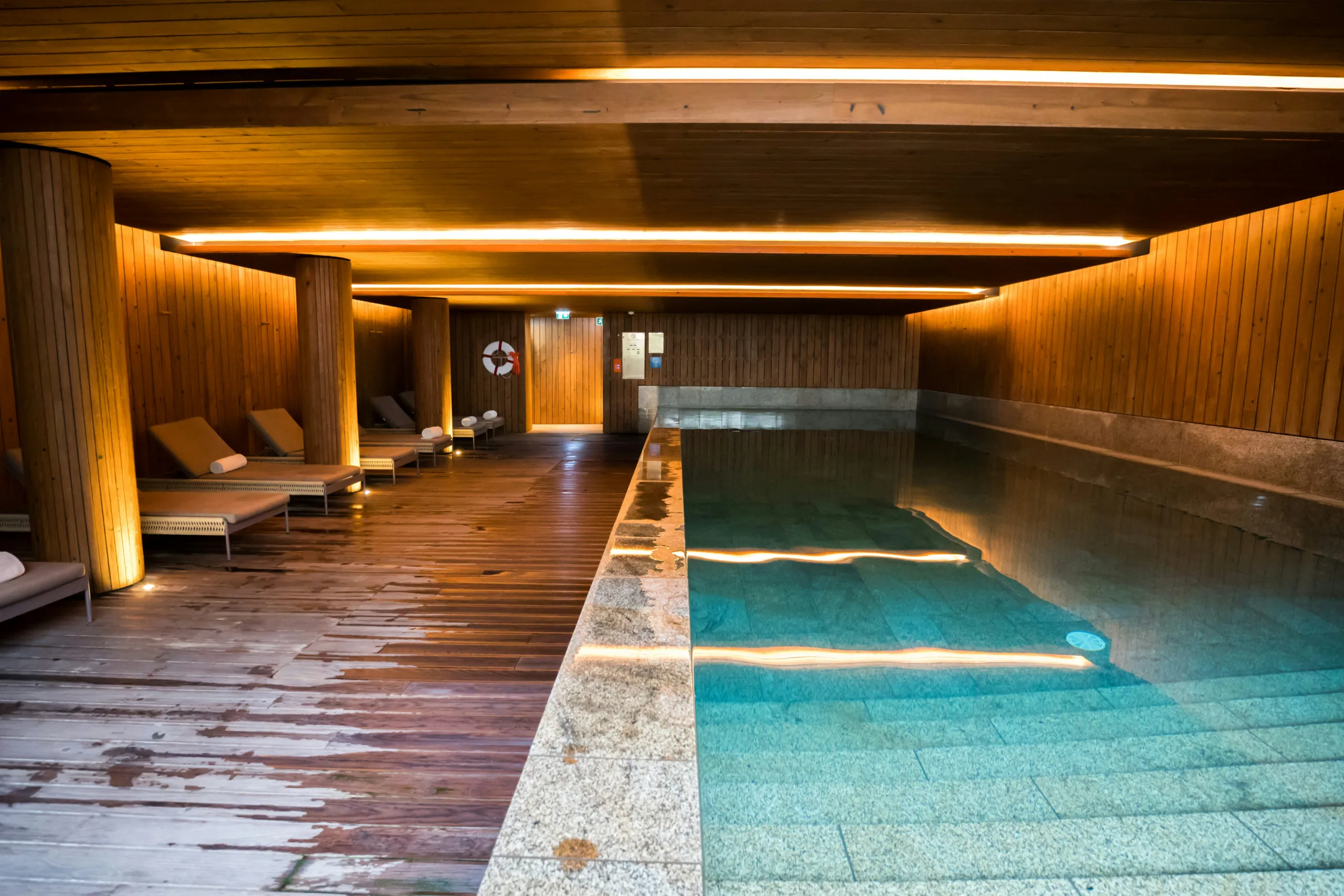
These are not your average spa days. Think week-long retreats focused on mindful meditation, yoga led by world-renowned instructors, or bespoke wellness programs tailored to individual needs. The emphasis is on genuine restoration and self-discovery, often with a deliberate focus on disconnecting from digital devices.
Nature Immersion and Active Exploration
This could involve guided hikes through breathtaking landscapes, private yacht excursions to explore secluded coves, or even learning to sail with an experienced captain. The activities are designed to be engaging and rejuvenating, allowing for a deep appreciation of the natural world.

The Psychology of Slow Travel: Why it Resonates
It’s not just about having the time and money. There’s a deeper psychological pull to this way of traveling. It taps into fundamental human desires for connection, meaning, and a sense of control in an often chaotic world.
The Pursuit of Authenticity
In an era of curated online identities and mass-produced experiences, the desire for “authentic” experiences is stronger than ever. Slow travel, by its very nature, encourages genuine interactions and the discovery of unscripted moments. It’s about finding the real heart of a place, rather than its polished facade.
Reclaiming Time and Presence
The luxury of slow travel is the luxury of reclaiming your time. It’s about being fully present in each moment, rather than constantly thinking about the next thing. This shift in focus can be incredibly liberating and lead to a profound sense of peace and contentment.
Building Meaningful Memories
Fast-paced travel can result in a blur of sights and sounds. Slow travel allows for the creation of deeper, more vivid memories. By engaging with a place and its people on a more intimate level, these experiences become etched in one’s mind, offering lasting richness.
A Form of Self-Care and Personal Growth
Ultimately, slow travel is a powerful form of self-care. It’s an investment in one’s own well-being, offering a chance to de-stress, recharge, and gain new perspectives. The personal growth that can come from stepping outside of one’s usual routine and embracing a different way of life is often a significant motivator.
The Future of Luxury Travel: Slow and Intentional
The rise of slow travel isn’t a fleeting trend; it’s a fundamental shift in how discerning individuals choose to engage with the world. As the pace of life continues to accelerate, the allure of slowing down, connecting deeply, and savoring experiences will only grow.
Sustainability as an Integral Component
As slow travel gains traction, so too does the emphasis on sustainable practices. High-end travelers are increasingly seeking out accommodations and experiences that minimize their environmental impact and support local communities. This is not just an ethical consideration but also a reflection of a deeper appreciation for the preservation of the places they visit.
Eco-Conscious Accommodations and Practices
This includes everything from lodges powered by renewable energy to hotels that implement robust waste reduction programs and support local conservation efforts. The goal is to leave a positive footprint, not a detrimental one.
Supporting Local Economies and Cultures
Slow travel inherently encourages interaction with local communities. This translates to supporting local businesses, employing local guides, and engaging in culturally sensitive tourism that benefits the people who call the destination home.
The Continued Evolution of Personalized Experiences
The future of luxury travel will undoubtedly be even more personalized. As technology allows for greater data analysis and understanding of individual preferences, travel experiences will become even more tailored to the individual traveler’s desires, paced at their ideal rhythm.
AI and Data-Driven Customization
Expect sophisticated platforms that can predict your needs and preferences, offering bespoke itineraries and experiences that are perfectly aligned with your interests and travel style.
The Enduring Value of Human Connection
Despite the rise of technology, the human element will remain paramount. The genuine warmth of a local guide sharing their passion for their city, or an intimate conversation with a chef about their culinary philosophy, will continue to be the most cherished aspects of slow travel.
In essence, the rise of slow travel in high-end lifestyle culture is less about a specific destination or activity and more about a mindset. It’s a deliberate choice to prioritize depth over breadth, connection over consumption, and well-being over relentless activity. It’s a sophisticated evolution of luxury, one that values the richness of experience above all else.